Few things are as satisfying as driving your Jeep Wrangler with the soft top down, feeling the wind and sun. But when the weather changes or you finish your adventure, knowing how to close a Jeep Wrangler soft top quickly and correctly makes a big difference. Many new Jeep owners struggle with this task, leading to leaks, damage, or frustration. This guide will show you step-by-step how to close your Wrangler’s soft top, offer tips, and compare different model years—so you can protect your Jeep and enjoy a comfortable ride.
Understanding Your Jeep Wrangler Soft Top
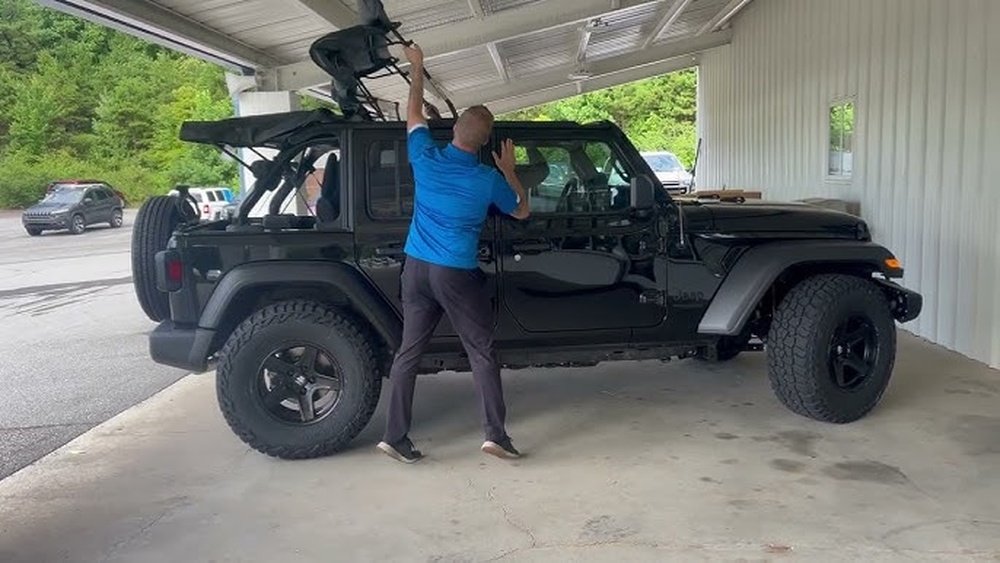
Before you start, it helps to know the basics. Jeep Wrangler soft tops come in several designs: Sunrider, Premium Sunrider, and standard soft top. The mechanism may vary slightly, but the closing process is similar. Most newer Wranglers (2018 and up) use the Sunrider system, which is easier to operate. Older models may require more manual effort and precision.
Here’s a quick comparison of common soft top types:
| Soft Top Type | Main Feature | Ease of Closing |
|---|---|---|
| Standard Soft Top | Basic manual design | Moderate |
| Sunrider | Flip-back sunroof option | Easy |
| Premium Sunrider | Improved materials, extra insulation | Very easy |
Knowing which model you have helps avoid mistakes. Always refer to your Jeep’s manual for details.
Step-by-step Guide: How To Close A Jeep Wrangler Soft Top
Closing your soft top takes patience and the right technique. Follow these steps to keep the top secure and prevent damage.
- Clear the Area: Remove any debris or objects from the interior and roof. This prevents tears or pinching.
- Check the Latches: Locate the front latches above the windshield. Make sure they are free of dirt and easy to operate.
- Fold the Top Forward: Gently pull the soft top from its open position toward the windshield. Do not force; the frame should move smoothly.
- Engage the Side Rails: Guide the side rails along the door edges. Ensure they fit snugly without gaps.
- Secure the Front Latches: Clip the latches over the windshield frame. Listen for a click—this shows they’re locked.
- Attach Rear Windows: Zip in the rear window panel. Start at one corner and move slowly, keeping the zipper straight.
- Seal the Side Windows: Fit the side windows into the channels. Press along the seams to avoid leaks.
Here’s a quick table comparing closing steps for different Jeep Wrangler years:
| Year | Main Difference | Recommended Step |
|---|---|---|
| 2017 & earlier | Manual locking, tighter fit | Check latch alignment before closing |
| 2018–2024 | Quick-release latches, improved seals | Press firmly on front latches for full seal |
Practical Tips For A Tight Seal
Getting a tight, weatherproof seal isn’t just about closing the top. Here are some expert tricks:
- Warm up the top: If your soft top feels stiff, let it sit in the sun for 10–15 minutes. Vinyl becomes more flexible, making the job easier.
- Lubricate zippers and latches: Use silicone spray or Jeep-approved lubricant. This prevents sticking and extends lifespan.
- Check for wrinkles: Smooth out any wrinkles before latching. Wrinkles can cause leaks and make the top harder to close.
- Inspect seals regularly: Look for cracks or wear on the rubber seals. Replace if needed to avoid water getting in.
Many beginners forget to press along the entire seam after closing. This small step can stop leaks and wind noise.
Common Mistakes To Avoid
Even experienced Jeep owners make errors. Here are some you should watch for:
- Forcing the frame: Never force the soft top into place. This can bend the frame or tear the fabric.
- Ignoring the weather: Cold weather makes the top stiff. Give it time to warm up or use a hairdryer on low for stubborn spots.
- Skipping latch checks: If the latches aren’t fully locked, the top can flap or leak.
- Improper window alignment: Misaligned windows lead to gaps and water entry.
- Leaving debris: Dirt or sticks caught in the seam can cause permanent damage.
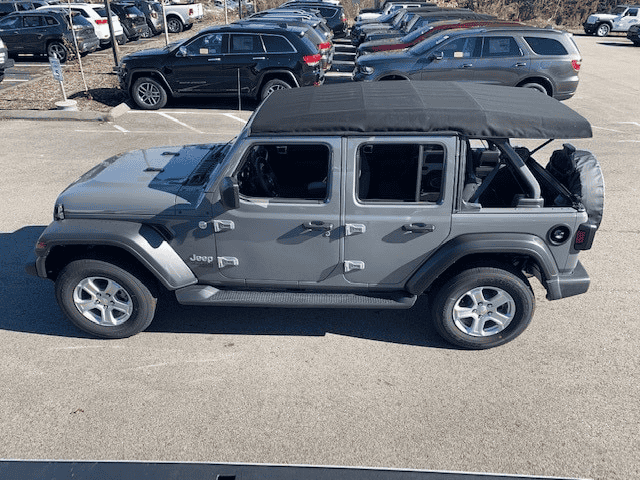
Wrangler Soft Top Vs Hard Top: Quick Data Comparison
Some owners wonder if switching to a hard top is easier. Here’s a data table for reference:
| Feature | Soft Top | Hard Top |
|---|---|---|
| Closing Time | 3–10 minutes | 10–20 minutes |
| Weather Resistance | Good (can leak if not closed properly) | Excellent |
| Ease of Storage | Easy to fold | Requires space |
| Weight | Light | Heavy |
Soft tops are faster and easier for daily use, but require careful closing to avoid leaks.
Maintenance And Long-term Care
To keep your soft top in top shape, follow these tips:
- Clean regularly: Use mild soap and water, not harsh chemicals. This keeps the fabric flexible and prevents fading.
- Store properly: If you remove the top, fold it gently. Never store while wet—mildew can form quickly.
- Inspect hardware: Check latches, rails, and zippers every month. Replace worn parts early.
- Protect from sun: Use a UV protectant to prevent cracking and color loss.
One overlooked tip: When washing, use a soft brush, not a sponge. Sponges can catch on stitches and cause tears.
For official care guidance, visit the Jeep Owner’s Care Guide.
Closing your Jeep Wrangler soft top is simple once you practice. With the right technique and care, you’ll enjoy a dry, comfortable ride no matter the weather.
Frequently Asked Questions
How Long Does It Take To Close A Jeep Wrangler Soft Top?
It usually takes 3–10 minutes depending on your experience and the weather. Cold days may take longer as the material is less flexible.
Can I Close The Soft Top Alone, Or Do I Need Help?
Most Jeep Wranglers allow you to close the soft top solo. However, having a second person makes it easier, especially for aligning windows.
What Should I Do If The Soft Top Won’t Latch?
First, check for obstructions like debris or misaligned fabric. Warm up the top if it’s cold, and use silicone spray on the latches. If it still won’t close, inspect for damage.
How Can I Prevent Leaks After Closing The Soft Top?
Always press along the side seams and check that latches are fully locked. Inspect seals for cracks and make sure windows are zipped correctly.
Is It Safe To Drive With The Soft Top Partially Closed?
No, driving with the top partially closed can cause flapping, leaks, and damage. Always secure all latches and seals before hitting the road.