Keeping your Jeep’s plastic fenders clean isn’t just about looks—it’s about protecting your ride from long-term damage. Mud, grime, and UV rays can quickly turn those plastic fenders dull, faded, or even brittle.
Many Jeep owners struggle with stubborn stains and water spots, and a basic car wash often isn’t enough. If you want your fenders to stay tough and attractive, you need the right approach and a bit of know-how.
Why Plastic Fenders Need Special Care
Plastic fenders are made to handle rough conditions, but they aren’t invincible. Unlike painted metal, plastic surfaces are more porous and can absorb dirt, oils, and chemicals. Over time, this causes fading, white marks, or even cracks. UV exposure also breaks down the plastic, making it look old and worn.
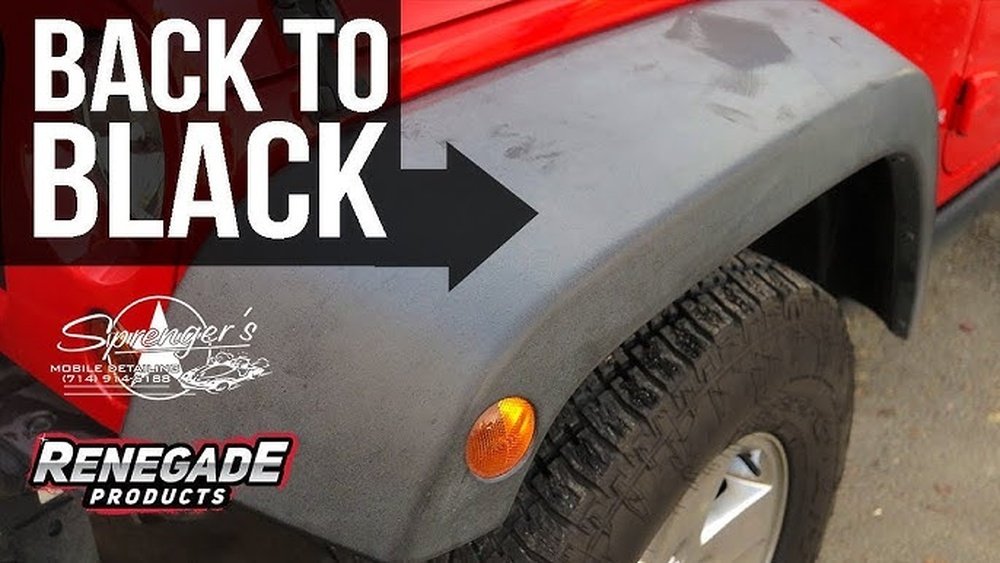
Most people don’t realize that using harsh cleaners or stiff brushes can do more harm than good. For example, using a degreaser not made for plastics can strip away protective coatings and leave your fenders dry and chalky.
That’s why choosing the correct cleaning products and techniques is key.
Essential Supplies And Preparation
Before you start, gather these supplies:
- Automotive plastic cleaner or mild soap
- Soft-bristle brush
- Microfiber cloths
- Bucket of water
- Hose or pressure washer (optional)
- Plastic protectant or UV conditioner
Make sure your Jeep is parked in a shaded area. Direct sunlight dries soap too quickly, causing streaks and water spots.
Remove loose debris first with water this prevents scratching during cleaning.
Step-by-step Cleaning Process
Cleaning plastic fenders isn’t complicated if you follow these steps.
1. Rinse Thoroughly
Use a hose or pressure washer to blast away loose dirt and mud. Start from the top of the fender and work downward.
Avoid high-pressure settings close to the plastic; too much force can damage it.
2. Apply Cleaner Or Soap
Mix automotive plastic cleaner with water according to the instructions. If you don’t have a specialized cleaner, use mild dish soap (avoid products with bleach or ammonia). Apply the solution using a microfiber cloth or sponge.
3. Scrub Gently
Use a soft-bristle brush to work the cleaner into the fender. Pay special attention to textured areas, as mud can hide in crevices.
Don’t scrub too hard gentle, circular motions are best.
4. Rinse Again
Wash away all soap and residue. Check for lingering dirt or stains, and repeat the cleaning process if needed.
5. Dry Completely
Wipe down the fenders with a clean microfiber cloth. Leaving water on plastic can lead to water spots or streaks.
6. Apply Protectant
Once dry, use a plastic protectant or UV conditioner. This step restores shine and forms a barrier against sun damage and grime. Buff with a microfiber cloth for an even finish.
Common Mistakes To Avoid
- Using household cleaners like bleach or window spray
- Scrubbing with stiff brushes or abrasive pads
- Skipping the protectant step
- Cleaning in direct sunlight
Comparing Cleaning Products
Choosing the right cleaner makes a big difference. Here’s a look at how popular options stack up:
| Product Type | Effectiveness | Safe for Plastic? | UV Protection |
|---|---|---|---|
| Automotive Plastic Cleaner | High | Yes | Usually |
| Mild Dish Soap | Medium | Yes | No |
| All-Purpose Cleaner | Low | No | No |
Dealing With Tough Stains And Fading
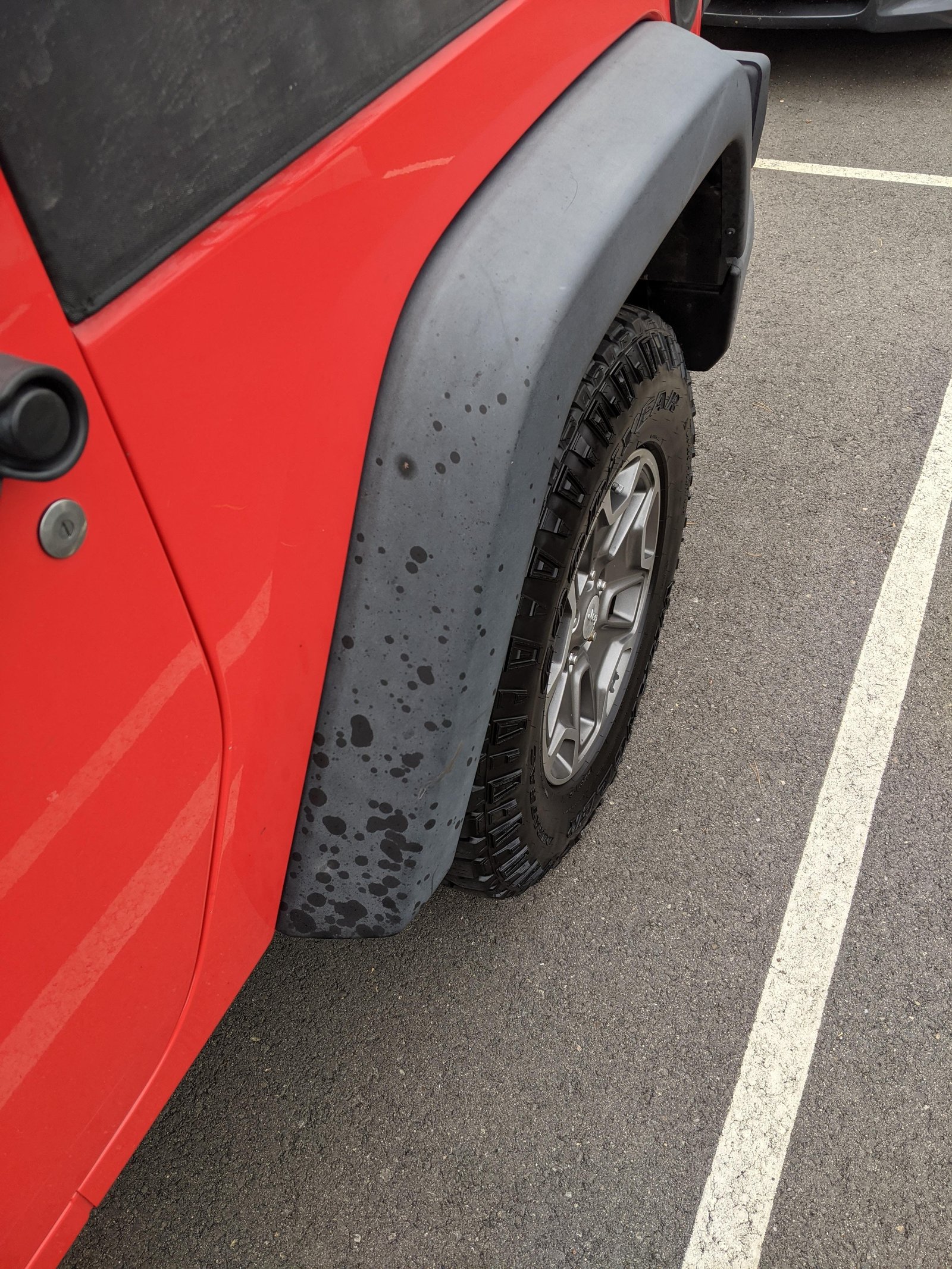
Sometimes, basic cleaning isn’t enough. Jeep fenders often show white marks, oil stains, or faded patches. Here are ways to tackle them:
- White marks: These usually come from wax or polish residue. Use a plastic cleaner and soft brush to break down the residue.
- Oil stains: A mix of mild soap and warm water works best. For stubborn stains, try a specialty plastic degreaser—but check it’s safe for plastics.
- Fading: Apply a quality UV protectant. Some products can restore color and shine, but deep fading may need a plastic restorer.
Quick Comparison: Cleaning Vs. Restoration
| Method | Purpose | Duration | Result |
|---|---|---|---|
| Basic Cleaning | Remove dirt | 15–30 mins | Clean, but not restored |
| Plastic Restorer | Restore shine | 20–40 mins | Revived, better color |
Practical Tips For Lasting Results
Many beginners overlook these steps, but they make a big difference:
- Wash fenders after every off-road trip—mud can harden and stain plastic.
- Dry fenders immediately to prevent water spots.
- Use UV protectant monthly for best protection.
- Avoid waxing plastic fenders—it can cause white residue and streaks.
If you drive in muddy or sandy areas often, consider using a plastic conditioner every couple of weeks. Also, check for cracks or chips regularly.
Early repairs stop dirt from getting inside the plastic.
How Often Should You Clean?
Cleaning frequency depends on your driving habits:
| Driving Condition | Recommended Cleaning |
|---|---|
| Off-road/muddy | After each trip |
| Urban/clean roads | Every 2–4 weeks |
| Exposure to sun/salt | Weekly |
Frequently Asked Questions
How Do I Remove Wax Stains From Plastic Fenders?
Use a plastic-specific cleaner and a soft brush. Avoid harsh chemicals that can damage the surface.
Can I Use A Pressure Washer On Jeep Fenders?
Yes, but use a low setting and keep the nozzle at least 12 inches away to avoid damaging the plastic.
What’s The Best Protectant For Plastic Fenders?
Look for a UV-resistant plastic protectant. These products help prevent fading and cracking. One trusted option is 303 Aerospace Protectant.
How Do I Restore Faded Fenders?
Apply a plastic restorer after cleaning. Some products can revive color and shine, but if fading is severe, you may need professional help.
Are Homemade Cleaners Safe For Jeep Fenders?
Most homemade cleaners, like mild soap and water, are safe. Avoid solutions with bleach, ammonia, or alcohol.
Taking care of your Jeep’s plastic fenders can keep your vehicle looking sharp and running strong. With the right steps, you’ll avoid common mistakes and keep your fenders in top shape for years. For more tips on cleaning and protecting automotive plastics, check out the guide from Autogeek.