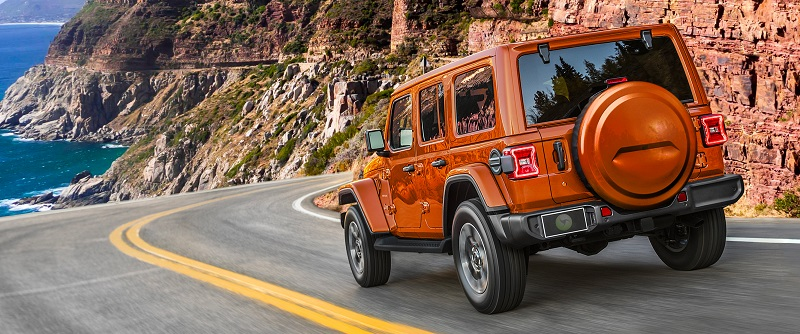
Choosing the right tires for your Jeep can make a huge difference in how your car handles, feels, and performs. Whether you drive mostly on city roads or tackle tough off-road terrain, your tire choice will affect safety, comfort, and fuel economy.
Many Jeep owners struggle with picking the best tires because there are so many options. Let’s break down the essentials, compare popular choices, and give you clear, practical advice to make your decision easier.
Understanding Jeep Tire Types
Jeep tires are made for different uses. Some are great for highways, others for mud, rocks, or snow.

It’s important to know which type fits your driving style.
- All-Terrain (AT): These tires are balanced for both road and light off-road use. They handle gravel, grass, and mild mud well.
- Mud-Terrain (MT): Designed for heavy off-road action, they have deep treads for mud, sand, and rocks, but can be noisy on pavement.
- Highway/Touring: Best for city and highway driving, they offer a quiet ride and good fuel efficiency but lack off-road grip.
- Winter/Snow Tires: Built for icy or snowy conditions, these have special tread patterns and rubber that stays flexible in cold.
Here’s a quick comparison:
| Tire Type | Best For | Weakness |
|---|---|---|
| All-Terrain | Mixed driving | Not best in deep mud |
| Mud-Terrain | Off-road | Noisy, lower mileage |
| Highway | City/Highway | Weak off-road |
| Winter | Snow/Ice | Wear out faster |
Key Factors When Choosing Jeep Tires
To pick the best tires, think about these important points:
Size And Fit
Always match the tire size to your Jeep model and wheel specifications. Using the wrong size can lead to poor handling and damage. Jeep Wranglers, for example, often use 31-33 inch tires for stock setups, but can go bigger with modifications. Check your owner’s manual for the recommended size.
Tread Pattern
Tread affects grip, noise, and water drainage. Deeper, wider treads are better for off-road. Finer, tight patterns work for city and highway. Look for siping (small cuts in the tread) if you drive in wet or icy areas.
Durability And Mileage
Some tires last longer than others. All-terrain tires usually offer 50,000-60,000 miles of lifespan, while mud tires often wear out after 30,000-40,000 miles. Durable tires cost more up front but save money in the long run.
Terrain And Climate
Where do you drive most? If you face snow or rain often, pick tires with good wet traction and snow rating.
For desert or rocky paths, you need strong sidewalls and tough rubber.
Budget
Tires range from $150 to $350 each for Jeeps. All-terrain and highway tires are usually cheaper, while mud and specialty tires cost more. Consider both upfront price and long-term value.
Comparing Top Jeep Tire Brands
Some brands are trusted by Jeep owners for quality and performance. Here’s a direct comparison:
| Brand | Popular Model | Strength | Weakness |
|---|---|---|---|
| BFGoodrich | All-Terrain T/A KO2 | Great off-road, strong sidewall | Higher price |
| Goodyear | Wrangler Duratrac | Good in snow, quiet | Soft tread wears faster |
| Michelin | LTX A/T2 | Long mileage, smooth ride | Not for deep mud |
| Cooper | Discoverer STT Pro | Excellent mud grip | Can be noisy |
Common Mistakes Jeep Owners Make
Many Jeep owners pick tires just by looks or price. Here are some mistakes to avoid:
- Ignoring the tire load rating. If you carry heavy gear or tow, you need a higher load index.
- Choosing aggressive mud tires for city driving. They wear out quickly and are loud on pavement.
- Not checking tire age. Rubber breaks down, so avoid buying tires older than 6 years, even if unused.
- Forgetting about spare tire compatibility. Always match the spare to your main tires.
- Installing oversized tires without checking clearance or alignment. This can damage suspension or affect handling.

Practical Tips For Jeep Tire Selection
- Test drive different tire types before buying, if possible.
- Read real-world reviews from Jeep forums.
- Rotate tires every 5,000-7,000 miles to extend life.
- Check for Three Peak Mountain Snowflake symbol if you drive in winter.
- Balance performance and comfort. Off-road tires may be tough, but not always pleasant for daily use.
One insight many beginners miss: Tire pressure matters as much as the tire itself. Under-inflated tires can cause uneven wear and reduce traction. Always follow the recommended PSI for your Jeep.
Another overlooked detail: Tires need to match your driving habits, not just the weather. If you mostly drive to work and only go off-road twice a year, all-terrain tires are usually the best compromise.
Frequently Asked Questions
What Size Tires Can I Fit On My Stock Jeep Wrangler?
Most stock Jeep Wranglers can fit 31-33 inch tires without changes. If you want bigger tires, you may need a lift kit and check for clearance.
Are All-terrain Tires Good For Daily Driving?
Yes, all-terrain tires are great for both city and light off-road. They offer balanced performance and last longer than mud tires.
How Often Should I Replace Jeep Tires?
Replace tires every 40,000-60,000 miles or if you notice cracks, uneven wear, or low tread depth (below 2/32 inches).
Can I Use Winter Tires Year-round?
It’s not recommended. Winter tires wear out faster in warm weather and lose performance. Switch back to all-season or all-terrain when winter ends.
Where Can I Learn More About Jeep Tire Ratings And Reviews?
You can check trusted sources like Tire Rack for detailed tire tests and user reviews.
Choosing the best tires for your Jeep isn’t just about picking the most aggressive tread or the cheapest price. It’s about matching your tire to your needs, driving style, and climate.
Take time to read reviews, compare features, and ask other Jeep owners.
With the right tires, your Jeep will be safer, more comfortable, and ready for any adventure.