If you drive a Jeep Wrangler, keeping your transmission fluid at the right level is important for smooth gear shifts and long transmission life. Many Jeep owners forget about this simple check—until there's a problem.
Learning how to check transmission fluid on a Jeep Wrangler is a valuable skill that can help you avoid expensive repairs and keep your vehicle running strong, whether you're commuting or tackling off-road adventures.
This guide covers the process step by step, highlights what makes the Wrangler unique, and shares tips even experienced drivers sometimes miss.
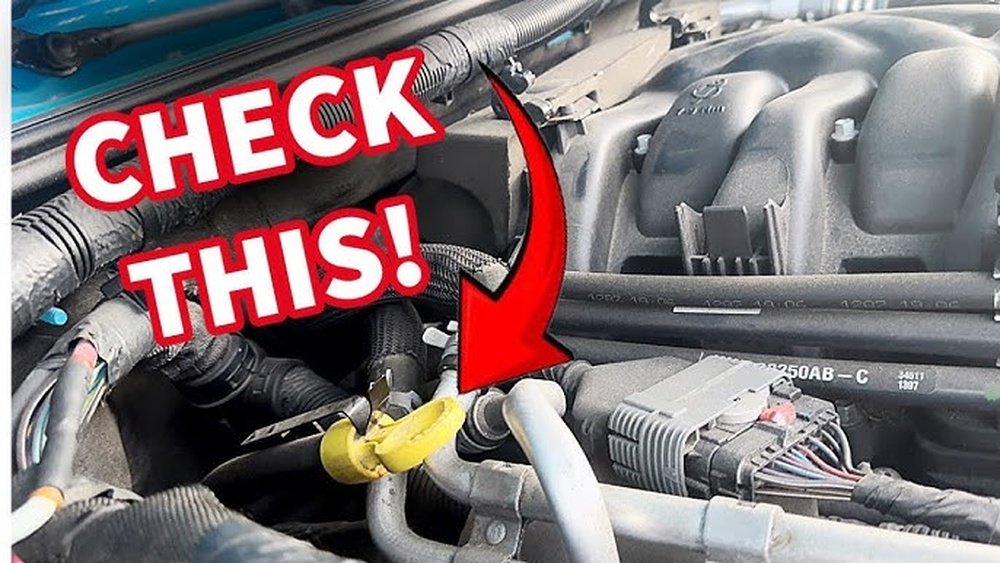
Why Transmission Fluid Matters
Transmission fluid does more than just lubricate moving parts. It cools the transmission, transfers power, and helps prevent wear inside the system. If the fluid is too low, dirty, or old, you might notice hard shifting, strange noises, or even transmission failure. For Jeep Wranglers, especially those used for towing or off-roading, checking fluid regularly is even more critical. According to the Jeep owner’s manual, regular checks can extend your transmission’s life by years.
Identifying Your Wrangler’s Transmission Type
Not all Jeep Wranglers are the same. The process for checking transmission fluid depends on whether you have a manual or automatic transmission. Here’s a quick comparison to help you identify what you have:
| Transmission Type | Check Method | Common Model Years |
|---|---|---|
| Automatic | Dipstick under hood | 1987–2011 (some models after 2012) |
| Manual | Check plug under vehicle | All years |
Wranglers from 2012 onward often have sealed automatic transmissions with no dipstick. If you don’t see a dipstick labeled “ATF” or “Transmission,” consult your owner’s manual.
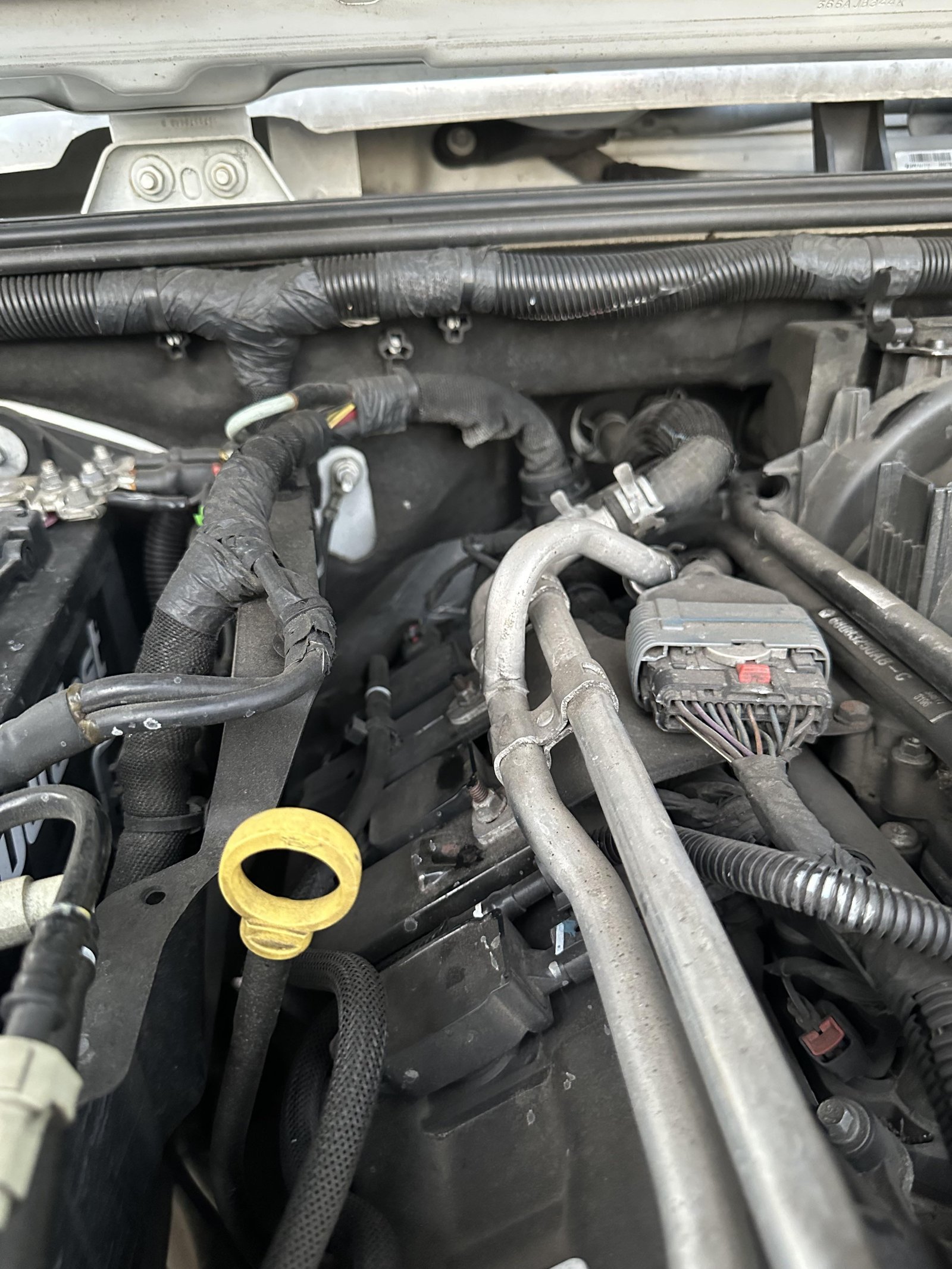
How To Check Transmission Fluid On A Jeep Wrangler
For Automatic Transmission Models
1. Warm Up Your Jeep
Drive for about 10 minutes so the fluid circulates and reaches normal temperature.
2. Park On Level Ground
This ensures an accurate reading.
3. Set The Parking Brake And Leave The Engine Running
Make Sure The Transmission Is In “park.”
4. Open The Hood And Locate The Dipstick
It’s usually labeled and near the back of the engine bay.
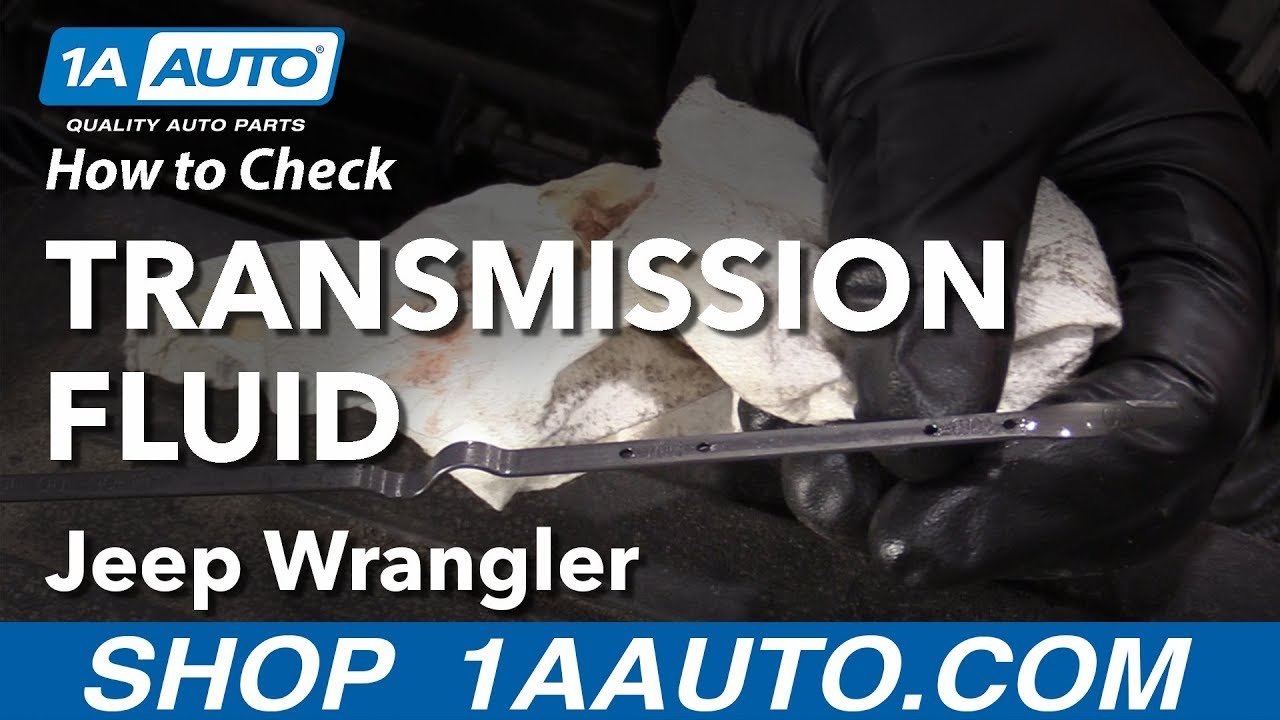
- Pull out the dipstick, wipe it clean, and reinsert it
Remove it again and look at the fluid level.
6. Check The Fluid Color And Smell
Healthy fluid is bright red and almost odorless. Brown fluid or a burnt smell means it’s time for a change.
7. Add Fluid If Needed
Use only the type recommended in your manual. Add slowly and recheck.
For Manual Transmission Models
Manual transmissions don’t have a dipstick. Here’s how to check:
- Make sure the engine is cool
- Raise the vehicle safely
Use ramps or jack stands for safety.
3. Locate The Transmission Fill/check Plug
Usually on the side of the transmission case.
4. Remove The Plug With The Correct Socket
Fluid should be level with the bottom of the hole.
5. Add Fluid If Needed
Use a pump to add until it slightly seeps out.
6. Replace The Plug And Tighten Securely
If you’re unsure about the process, you can find more details on the Jeep official maintenance page.
Important Tips And Common Mistakes
- Never overfill. Too much fluid can cause foaming or shifting problems.
- Don’t mix fluid types. Always use the type listed in your owner’s manual.
- Check for leaks. Wet spots under your Jeep often mean there’s a leak—fix it before adding more fluid.
- Don’t check after short drives. Cold fluid gives a false low reading; always check at normal temperature.
- Avoid checking on hills. A sloped surface can make the level look higher or lower than it is.
One thing many new Wrangler owners miss: if your transmission is sealed (no dipstick), checking or adding fluid usually requires special tools and is best left to a mechanic.
Signs Your Transmission Fluid Needs Attention
Ignoring low or dirty transmission fluid can lead to bigger problems. Watch out for these warning signs:
- Delayed or rough shifting
- Transmission slipping
- Unusual noises during gear changes
- Red fluid leaks under the vehicle
- Warning lights on the dashboard
Catching these early can save you thousands of dollars in repairs.
When To Change Transmission Fluid
Changing your Wrangler’s transmission fluid is as important as checking it. Jeep recommends a change every 30,000–60,000 miles for most models. If you drive in extreme conditions—like dusty trails, heavy towing, or lots of stop-and-go traffic—change it more often.
Here’s a quick table for Wrangler service intervals:
| Driving Condition | Recommended Change Interval |
|---|---|
| Normal (city/highway) | 60,000 miles |
| Severe (off-road, towing) | 30,000 miles |
Changing fluid on time protects your gears and reduces the risk of expensive repairs.
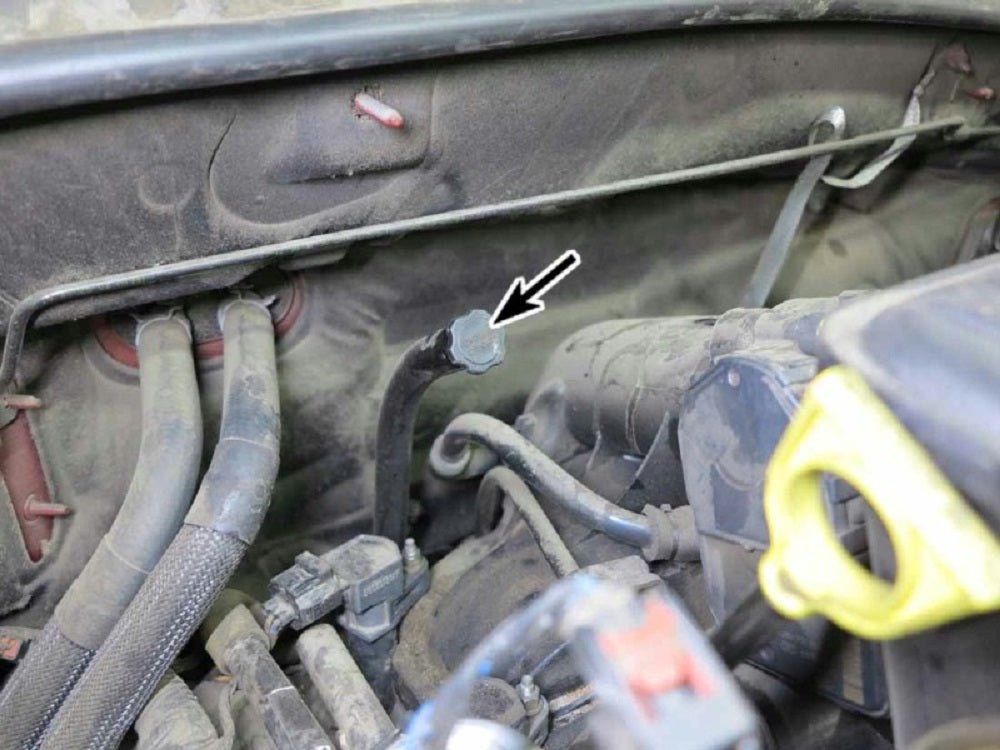
What If There’s No Dipstick?
Many newer Jeep Wranglers (2012 and newer automatics) use “sealed” transmissions. These are designed to need less frequent checks, but fluid can still get low or dirty. For these models:
- Check for leaks under your Jeep regularly.
- If you notice shifting problems, visit a mechanic for a fluid check.
- Do not attempt to open the transmission yourself without proper tools and skills.
This is a common beginner mistake trying to check or fill a sealed transmission at home can damage the system and void your warranty.
Frequently Asked Questions
How Often Should I Check My Jeep Wrangler’s Transmission Fluid?
Check your transmission fluid at least every 6 months, or before long trips. If you drive off-road or tow heavy loads, check more often.
What Type Of Transmission Fluid Does A Jeep Wrangler Use?
Always use the fluid type listed in your owner’s manual. Most Wranglers use ATF+4 for automatics, but some manual transmissions require special gear oil.
Can I Use Any Brand Of Transmission Fluid?
No. Using the wrong brand or type can damage your transmission. Stick with recommended brands that meet Jeep’s specifications.
What Do I Do If My Transmission Fluid Is Brown Or Smells Burnt?
Brown or burnt-smelling fluid means it’s old or overheated. Change it immediately to avoid damage.
Why Does My Jeep Wrangler Not Have A Transmission Dipstick?
Many newer Wranglers use sealed transmissions. They are checked and filled from underneath, usually by a mechanic with special equipment.
Checking your transmission fluid is a small task that can make a big difference. With the right approach, you’ll keep your Jeep Wrangler shifting smoothly for years to come.
If you ever feel unsure, don’t hesitate to get help from a trusted mechanic.
Safe driving!