Checking the transmission fluid in your Jeep Grand Cherokee is one of the easiest ways to keep your SUV running smoothly. If you ignore this small task, you risk expensive repairs, poor shifting, or even total transmission failure. The good news?
With just a few tools and a little knowledge, you can check your transmission fluid at home in less than 15 minutes. show you every step, explain why it matters, and help you avoid common mistakes.
Whether you drive a brand-new Grand Cherokee or an older model, these steps apply to most versions. You don’t need to be a mechanic, just follow along, and your transmission will thank you.
Why Checking Transmission Fluid Matters
Transmission fluid does more than just lubricate gears. It cools the transmission, helps it shift smoothly, and protects internal parts from wear. If the fluid level is low or the fluid is old, you may notice problems like:
- Rough shifting
- Delayed gear engagement
- Strange noises
- Transmission overheating
Ignoring these warning signs can lead to major damage. For example, a transmission rebuild for a Jeep Grand Cherokee can cost anywhere from $2,000 to $4,000, depending on the model year and labor rates. Just checking and topping off your fluid regularly can prevent most of these problems.
Before You Start: Know Your Jeep Grand Cherokee
Not all Jeep Grand Cherokees are the same checking transmission fluid. Some newer models, especially those from 2014 and up, have a sealed transmission with no dipstick. Older models (typically 2013 and earlier) have a dipstick and are much easier for DIY checks.
It’s important to know which type you have:
- Dipstick models: Usually before 2014
- Sealed transmissions: 2014 and newer (but check your owner’s manual to be sure)
If you aren’t sure, open the hood and look for a transmission dipstick often labeled “TRANS” or “ATF. ” No dipstick? Your Jeep likely has a sealed unit.

What You Need To Check Transmission Fluid
For most Grand Cherokees with a dipstick, you’ll need:
- Clean lint-free rag or paper towel
- Gloves (optional but recommended)
- Owner’s manual (for fluid type and capacity)
- Transmission fluid (if you need to top off)
If your model has a sealed transmission, checking the fluid is much more complex and may require:
- Special dipstick tool (for some models)
- Socket wrench
- Car jack and stands
- Scan tool (to monitor transmission temperature)
This guide focuses on models with a dipstick. If you have a sealed transmission, a mechanic visit is usually safer and more reliable.
Step-by-step: How To Check Transmission Fluid Jeep Grand Cherokee
Checking your transmission fluid only takes a few minutes. Here’s how to do it right.
1. Park On A Level Surface
Always park your Jeep on a flat, level area. If the car is tilted, the fluid reading won’t be accurate.
2. Start The Engine And Warm Up
Transmission fluid needs to be checked at operating temperature.
- Start the engine and let it idle for about 5-10 minutes.
- Shift through all gears (PRND) slowly, ending in Park.
- Leave the engine running.
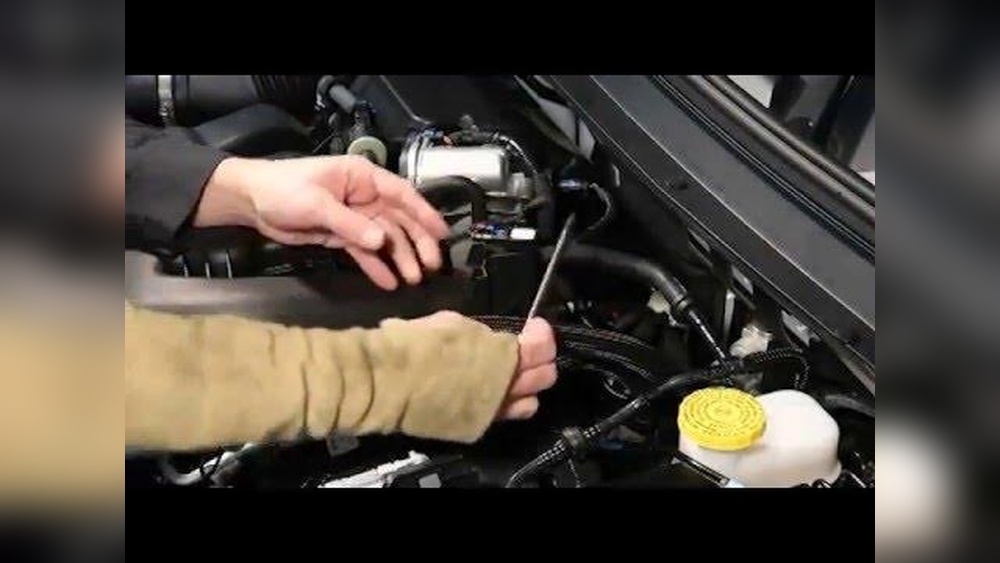
3. Open The Hood And Locate The Dipstick
Pop the hood and look for the transmission fluid dipstick. It’s often found near the back of the engine, sometimes on the driver’s side. The handle is usually yellow or red.
Tip: If you can’t find it, check your owner’s manual for the exact location.
4. Remove, Wipe, And Reinsert The Dipstick
- Pull the dipstick out.
- Wipe it clean with your rag or towel.
- Insert it fully back into the tube.
5. Remove Again And Check The Fluid Level
- Pull the dipstick out again.
- Look at the tip: You’ll see markings like “FULL” and “ADD” or “HOT” and “COLD.”
- The fluid should be in the “HOT” or “FULL” range when the engine is warm.
6. Check Fluid Condition
The color and smell of the transmission fluid tell a lot about its condition:
- Good fluid: Clean, bright pink or red, no burnt smell
- Bad fluid: Dark brown or black, burnt odor, gritty texture
If the fluid looks dirty or smells burnt, it’s time for a transmission fluid change, not just a top-off.
7. Add Fluid If Needed
If the fluid is below the “ADD” or “LOW” mark:
- Use a funnel to pour the correct type of transmission fluid slowly into the dipstick tube.
- Add a little at a time (about 1/4 quart), then recheck the level.
- Do not overfill, this can cause shifting problems or leaks.
8. Replace The Dipstick And Close The Hood
Once you’re done, secure the dipstick and close the hood tightly.
Comparing Grand Cherokee Transmission Types
Here’s a quick comparison of dipstick vs. sealed transmissions in Jeep Grand Cherokees:
| Model Year | Transmission Type | DIY Fluid Check? | Special Tools Needed? |
|---|---|---|---|
| 2013 & Earlier | Dipstick | Easy | No |
| 2014 & Newer | Sealed | Difficult | Yes |
Always consult your owner’s manual for your exact model. Some late-2013 and early-2014 Grand Cherokees may have either type.
Signs Of Low Or Bad Transmission Fluid
Recognizing the signs of low or worn-out fluid can save you from bigger problems. Watch for:
- Hard or delayed shifting
- Slipping gears
- Strange noises (whining, grinding)
- Fluid leaks under the car
- Transmission warning light
If you notice any of these, check your fluid right away. If problems continue, get a professional checkup.
Transmission Fluid Types And Capacity
Using the wrong fluid can damage your transmission. Jeep Grand Cherokees use different types depending on the year and engine. The most common are:
- ATF+4: Used in most 1999 to 2013 models
- Mopar 8 & 9 Speed ATF: For 2014 and newer models with ZF transmissions
Always double-check in your manual. Adding the wrong type can void your warranty and harm your transmission.
Here’s a quick reference:
| Year | Engine | Recommended Fluid | Approx. Capacity (quarts) |
|---|---|---|---|
| 2010 | 3.6L V6 | ATF+4 | 8.8 |
| 2015 | 3.6L V6 | Mopar 8/9 Speed ATF | 8.0 |
| 2018 | 5.7L V8 | Mopar 8/9 Speed ATF | 9.7 |
How Often Should You Check Or Change Transmission Fluid?
For most Jeep Grand Cherokee models, it’s smart to check your transmission fluid every 3,000 to 5,000 miles, or at every oil change. Changing the fluid is usually needed every 60,000 miles, but this can vary by model and driving habits.
Heavy towing, stop-and-go traffic, or hot climates can cause fluid to wear out faster.
Many people forget this step because it’s not as obvious as an oil change, but it’s just as important for long-term reliability.
Common Mistakes When Checking Transmission Fluid
Even careful owners can make mistakes. Here are a few to avoid:
- Checking when cold: Transmission fluid must be warm for an accurate reading.
- Overfilling: Too much fluid can be as harmful as too little.
- Using the wrong fluid: Always use the type listed in your owner’s manual.
- Ignoring color and smell: Don’t just check the level; check the condition, too.
- Forgetting to shift through gears: This helps circulate fluid for a true reading.
Here’s a summary of dos and don’ts:
| Do | Don’t |
|---|---|
| Check fluid warm | Check fluid cold |
| Use correct fluid type | Mix different fluids |
| Inspect color/smell | Ignore fluid condition |
| Add fluid slowly | Overfill quickly |
Pros And Cons Of Diy Transmission Fluid Checks
Checking your Jeep Grand Cherokee’s transmission fluid yourself has clear benefits, but there are a few drawbacks to keep in mind.
Pros:
- Saves money on mechanic visits
- Quick and easy for most dipstick models
- Helps spot issues early before they become expensive
Cons:
- Sealed transmissions are hard to check without tools
- Messy if you spill fluid
- Easy to overfill if you’re not careful
If you’re unsure or have a sealed unit, a professional check is a smart move.
How Much Does It Cost To Check Or Change Transmission Fluid?
- DIY check: Usually free (just your time)
- Mechanic check: $30, $50 (labor)
- Fluid change (DIY): $50, $120 (fluid and supplies)
- Fluid change (shop): $150, $300 (parts and labor)
Sealed transmissions often cost more due to special tools and labor.
Tips For Extending Transmission Life
Your Jeep Grand Cherokee’s transmission can last over 150,000 miles with proper care. Here’s how to help it last:
- Check fluid regularly
- Change fluid on schedule
- Avoid heavy towing in hot weather
- Don’t “ride” the brakes or gas
- Fix leaks quickly
A little attention goes a long way. Many transmission failures start with simple neglect.
When To See A Professional
If you see metal shavings in your fluid, notice a strong burnt smell, or see a warning light, don’t wait. Modern transmissions are complex, and small issues can quickly become big ones.
For sealed transmissions or if you’re not comfortable, a certified mechanic is your best bet. They have tools to check for problems and can change the fluid safely.
You can find more about automatic transmission basics on the Wikipedia Automatic Transmission page.
Frequently Asked Questions
<!– wp:rank-math/faq-block {"questions":[{"id":"faq-question-cb34732c5f7f","title":"How Do I Know If My Jeep Grand Cherokee Has A Sealed Transmission?","content":"Check your owner’s manual or look under the hood for a dipstick labeled for transmission fluid. No dipstick usually means a sealed transmission, especially on 2014 and newer models.
“,”visible”:true},{“id”:”faq-question-e383c6fc710e”,”title”:”What Happens If I Overfill The Transmission Fluid?”,”content”:”Too much fluid can cause pressure buildup, leaks, and poor shifting. If you overfill, remove some fluid or visit a mechanic to correct it.
“,”visible”:true},{“id”:”faq-question-8a2f94a977b1″,”title”:”Can I Use Any Transmission Fluid In My Jeep Grand Cherokee?”,”content”:”No. Always use the specific fluid type listed in your owner’s manual.
Using the wrong fluid can damage the transmission and void your warranty.
“,”visible”:true},{“id”:”faq-question-d109aa0ca357″,”title”:”How Can I Tell If My Transmission Fluid Is Bad?”,”content”:”Bad fluid is usually dark brown or black, smells burnt, or has small particles in it. Good fluid is bright red or pink and smells clean.
“,”visible”:true},{“id”:”faq-question-76acb9926025″,”title”:”Is It Safe To Drive If My Transmission Fluid Is Low?”,”content”:”Driving with low fluid can cause serious damage. Add the correct fluid as soon as possible or get your Jeep checked by a professional.
Keeping your Jeep Grand Cherokee’s transmission fluid at the right level and in good condition is simple but essential. With a few minutes and some attention to detail, you can avoid costly repairs and keep your SUV shifting smoothly for years to come.
If you’re ever unsure, a trusted mechanic can help you stay on the road with confidence.
“,”visible”:true}]} –>How Do I Know If My Jeep Grand Cherokee Has A Sealed Transmission?
Check your owner’s manual or look under the hood for a dipstick labeled for transmission fluid. No dipstick usually means a sealed transmission, especially on 2014 and newer models.
What Happens If I Overfill The Transmission Fluid?
Too much fluid can cause pressure buildup, leaks, and poor shifting. If you overfill, remove some fluid or visit a mechanic to correct it.
Can I Use Any Transmission Fluid In My Jeep Grand Cherokee?
No. Always use the specific fluid type listed in your owner’s manual.
Using the wrong fluid can damage the transmission and void your warranty.
How Can I Tell If My Transmission Fluid Is Bad?
Bad fluid is usually dark brown or black, smells burnt, or has small particles in it. Good fluid is bright red or pink and smells clean.
Is It Safe To Drive If My Transmission Fluid Is Low?
Driving with low fluid can cause serious damage. Add the correct fluid as soon as possible or get your Jeep checked by a professional.
Keeping your Jeep Grand Cherokee’s transmission fluid at the right level and in good condition is simple but essential. With a few minutes and some attention to detail, you can avoid costly repairs and keep your SUV shifting smoothly for years to come.
If you’re ever unsure, a trusted mechanic can help you stay on the road with confidence.