Thinking about lifting your Jeep Wrangler? Many Jeep owners dream of adding bigger tires, tackling rough trails, or simply giving their ride a tougher look.
Lifting your Jeep can make these things possible, but it’s not as simple as bolting on new parts. You need to know what’s involved, what it costs, and how it affects your Jeep.
In this guide, you’ll get clear, step-by-step advice for lifting a Jeep Wrangler safely and smartly, even if you’ve never worked on a car before.
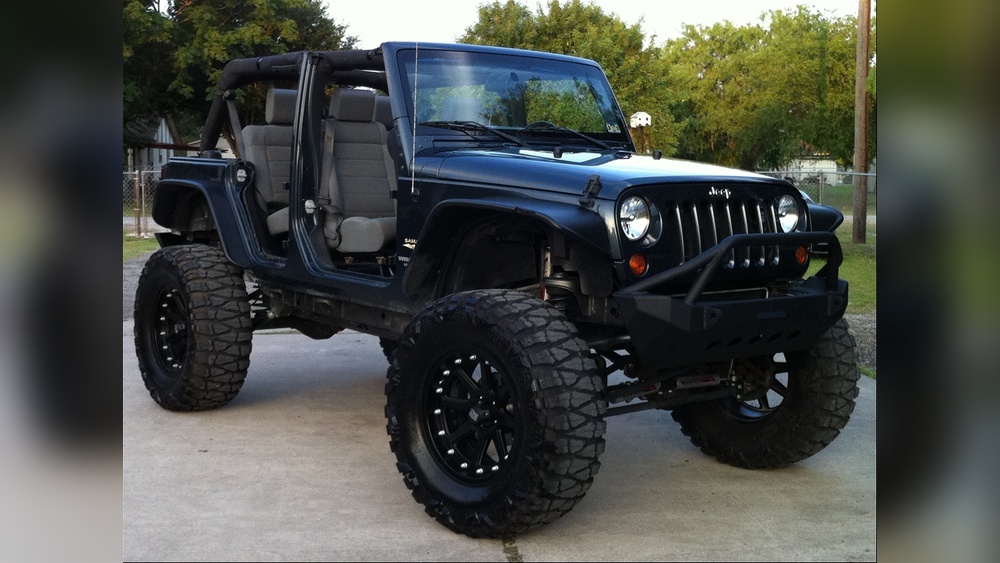
What Does “lifting A Jeep Wrangler” Mean?
A lift kit raises your Jeep’s body or suspension, giving it more ground clearance. This lets you use bigger tires and drive over rocks, mud, and obstacles with ease. There are two main ways to lift a Jeep Wrangler:
- Suspension lift: Changes springs and shocks, raising the whole frame and wheels.
- Body lift: Adds spacers between the body and frame, raising only the body.
Each method has its pros and cons. Lifting your Jeep isn’t just about looks it changes how your vehicle drives, handles, and even its safety.
Why Lift A Jeep Wrangler?
People lift their Jeep Wranglers for different reasons:
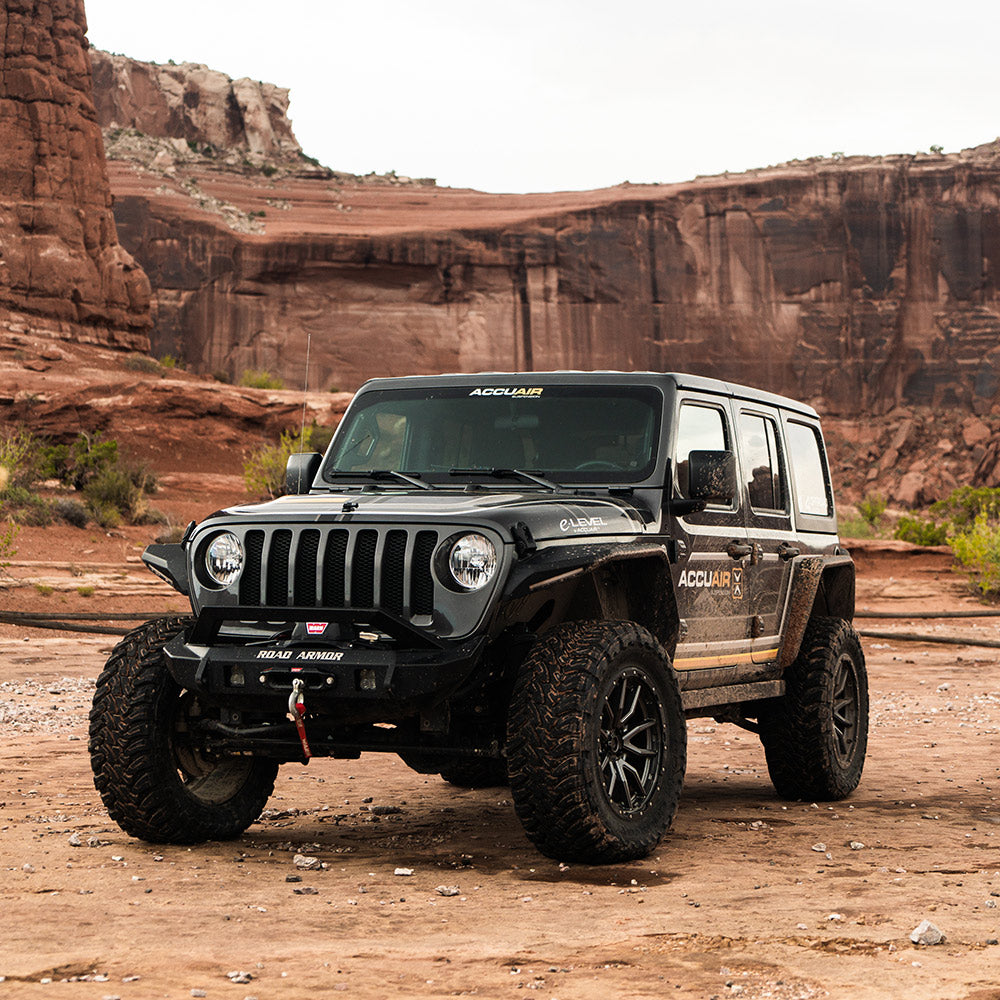
- Better off-road performance: More clearance for rocks, mud, and steep slopes.
- Bigger tires: Allows tires up to 35″ or more for improved grip and style.
- Custom look: A lifted Jeep stands out and looks tougher.
- Improved visibility: Higher seating gives a better view of the road and trails.
But lifting also has drawbacks:
- Higher center of gravity: Can affect stability on sharp turns.
- More stress on parts: Suspension, steering, and driveline may wear out faster.
- Legal issues: Some states limit how much you can lift your vehicle.
Knowing these facts helps you decide if lifting your Jeep fits your needs.
Types Of Jeep Wrangler Lift Kits
Choosing a lift kit can be confusing. Here’s a quick comparison of the main options:
| Lift Kit Type | Height Range | Main Benefits | Estimated Cost | Best For |
|---|---|---|---|---|
| Body Lift | 1 to 3 inches | Cheap, easy install, mild lift | $200, $600 | Street use, mild off-road |
| Suspension Lift | 2 to 6 inches | Full clearance, bigger tires, improved off-road | $800, $3,000 | Serious off-road |
| Leveling Kit | 0.5 to 2 inches | Corrects factory rake, allows slightly bigger tires | $100, $400 | Looks, light off-road |
| Long Arm Lift | 4 to 6+ inches | Extreme off-road, smoother ride | $2,000, $5,000+ | Rock crawling, advanced users |
Most beginners choose a body lift or suspension lift. Body lifts are cheaper and easier, but suspension lifts give better performance.
How To Lift A Jeep Wrangler: Step-by-step
Lifting a Jeep Wrangler is a big project, but you can do it with basic tools and patience. Here’s a clear process for beginners:
1. Decide Your Lift Height And Kit Type
- Think about how you’ll use your Jeep, off-roading, city driving, or both.
- Check your budget. Don’t forget labor costs if you hire a mechanic.
- Consider local laws. Some places limit lift height.
2. Gather Tools And Parts
You’ll need:
- Lift kit (right for your model and chosen height)
- Jack and jack stands (rated for Jeep weight)
- Socket set and wrenches
- Torque wrench
- Spring compressors (for suspension lifts)
- Safety gear (gloves, eye protection)
Always double-check the kit for all parts and instructions before starting.
3. Prepare Your Jeep
- Park on a flat, solid surface.
- Set the parking brake and block the wheels.
- Remove the wheels with a lug wrench.
Safety tip: Never work under a vehicle supported only by a jack. Use jack stands.
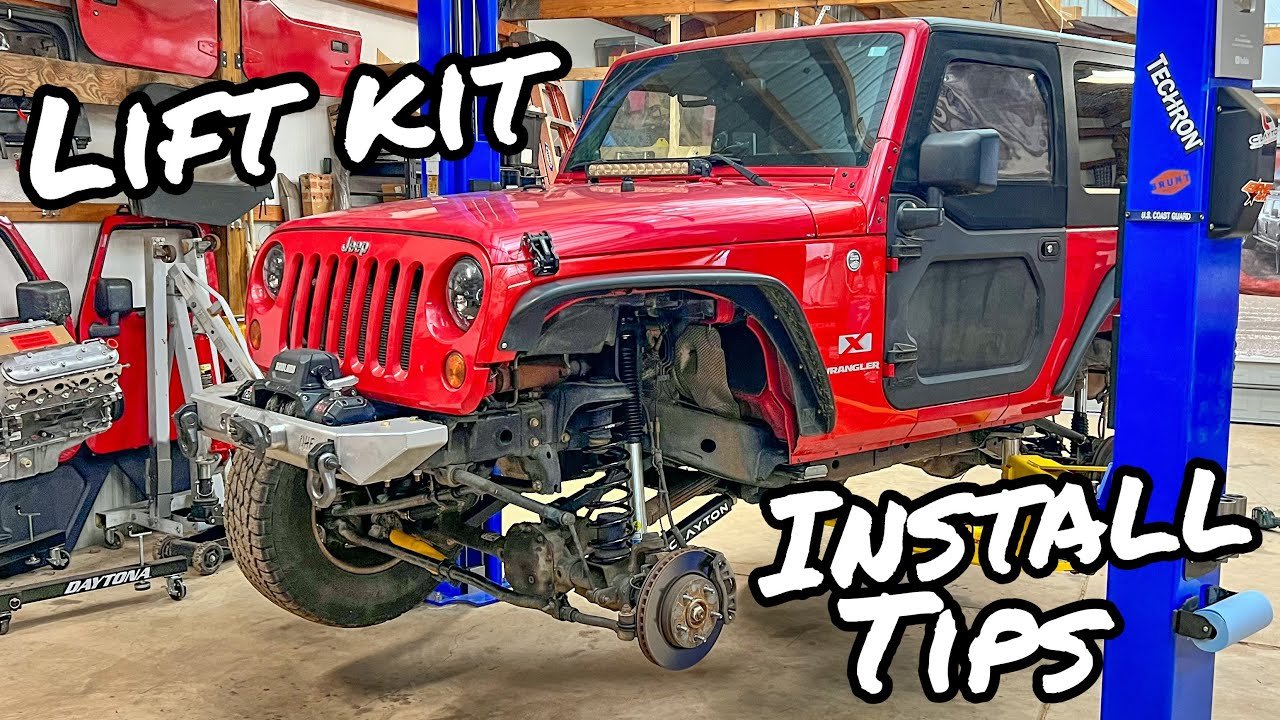
4. Install The Lift Kit
Here’s a simple outline for both body and suspension lifts:
Body Lift Steps
- Loosen body mounts: Find the bolts connecting body to frame.
- Lift the body: Use a jack to gently raise the body.
- Insert spacers: Place the body lift blocks between body and frame.
- Tighten mounts: Secure bolts to factory specs.
- Check cables and lines: Make sure brake, fuel, and electrical lines aren’t stretched.
Suspension Lift Steps
- Remove old shocks and springs: Use spring compressors if needed.
- Install new springs and shocks: Follow the kit’s instructions.
- Install new control arms or track bars: If your kit includes them.
- Reconnect everything: Double-check bolts and fittings.
- Lower Jeep and check alignment: Suspension lifts often change wheel alignment.
5. Reinstall Wheels And Test
- Reattach wheels and tighten lug nuts.
- Lower the Jeep fully to the ground.
- Bounce the suspension to settle the springs.
Always test-drive slowly after a lift. Listen for strange noises and check handling.
Common Mistakes When Lifting A Jeep Wrangler
Many beginners make errors that can lead to problems. Here are two mistakes most new Jeep owners miss:
- Ignoring driveline angles: Big lifts change the angle of driveshafts. This can cause vibrations or damage. You may need new driveshafts or a transfer case drop kit.
- Skipping alignment: After a suspension lift, your wheels may be misaligned. Poor alignment can cause tire wear and unsafe handling.
Avoiding these mistakes will keep your Jeep safe and reliable.
Real Costs Of Lifting A Jeep Wrangler
Lifting a Jeep isn’t cheap. You need to budget for:
- Lift kit price: From $100 for leveling kits to $5,000+ for advanced suspension.
- Labor: Professional installation costs $500, $2,000.
- Extra parts: Longer brake lines, driveshafts, or bump stops may be needed.
- Wheel alignment: $80, $150 after suspension lift.
If you’re handy, DIY can save money. But mistakes can cost more in the long run.
Jeep Wrangler Lift: Pros And Cons
Let’s look at the real advantages and disadvantages.
| Pros | Cons |
|---|---|
| More ground clearance | Higher center of gravity |
| Bigger tire options | Possible legal limits |
| Improved off-road ability | More stress on parts |
| Striking appearance | Higher cost |
| Better visibility | May affect ride quality |
Tips For A Successful Jeep Wrangler Lift
If you want your lift to last and perform well:
- Research your kit: Read reviews and check compatibility.
- Upgrade as needed: Don’t skip longer brake lines or shocks.
- Check local laws: Some states have height restrictions.
- Get professional help: If unsure, a mechanic can save headaches.
- Test everything: After lifting, test steering, brakes, and suspension.
A lifted Jeep is fun, but safety comes first.
Non-obvious Insights For Beginners
Most guides skip these two important points:
- Insurance may change: Some companies charge more for lifted Jeeps. Call your agent before making changes.
- Resale value: A well-done lift can improve resale, but a poor job scares buyers. Keep all receipts and document your work.
These details make a big difference in the long run.
How Lifting Affects Jeep Wrangler Performance
Lifting a Jeep isn’t just about height. It changes how the vehicle handles, accelerates, and even stops. You may notice:
- Slower acceleration: Bigger tires can make your Jeep feel slower.
- Steering response: Higher lifts can cause “wandering” or loose steering.
- Brake performance: Heavier wheels and tires may need upgraded brakes.
Some owners upgrade their axles or install steering stabilizers to improve handling after a lift.
Is Lifting A Jeep Wrangler Legal?
Not all lifts are allowed everywhere. In the US, state laws vary. Some states limit bumper or headlight height. Always check with your local DMV before lifting. For more info on US vehicle laws, see NHTSA.
Jeep Wrangler Lift Kit Brands Compared
Here’s a simple comparison of popular brands:
| Brand | Price Range | Warranty | Ease of Install | Notes |
|---|---|---|---|---|
| Rough Country | $200, $1,500 | Limited Lifetime | Easy, Moderate | Good for beginners |
| Teraflex | $400, $2,000 | Limited Lifetime | Moderate | High quality |
| Rubicon Express | $500, $2,500 | Limited Lifetime | Moderate, Difficult | Great for off-road |
| Skyjacker | $350, $1,800 | Limited Lifetime | Moderate | Good balance of price and performance |
Rough Country and Teraflex are popular for their mix of price and quality. Always check reviews for your specific Jeep model.
What To Expect After Lifting Your Jeep Wrangler
After a lift, your Jeep will look and drive differently. You may notice:
- Stiffer ride: Especially with budget kits.
- New noises: Listen for clicks or rattles. These can be normal or a sign of loose parts.
- More attention: Lifted Jeeps attract looks and questions.
Driving off-road will feel easier, but on-road handling may change. Take time to get used to your new setup.
<!– wp:rank-math/faq-block {"questions":[{"id":"faq-question-4bf38f1ccaa7","title":"What Is The Safest Way To Lift A Jeep Wrangler?","content":"Using a suspension lift kit installed by a professional is safest. DIY is possible, but always use proper tools and follow the kit’s instructions. Avoid cheap kits that can cause problems.
“,”visible”:true},{“id”:”faq-question-04e50bbe07c6″,”title”:”How Much Does It Cost To Lift A Jeep Wrangler?”,”content”:”Basic kits start at $200, but full suspension lifts can reach $5,000+ with labor. Remember extra costs for alignment, new tires, and possible parts upgrades.
“,”visible”:true},{“id”:”faq-question-773d76671bcd”,”title”:”Will Lifting My Jeep Affect Fuel Economy?”,”content”:”Yes. Bigger tires and higher lifts usually lower fuel efficiency. You may lose 2 to 5 MPG, depending on tire size and lift height.
“,”visible”:true},{“id”:”faq-question-1dbaed08656d”,”title”:”Can I Lift My Jeep Wrangler Myself?”,”content”:”Yes, but only if you have mechanical skills and tools. Suspension lifts are more complex than body lifts. If in doubt, hire a professional.
“,”visible”:true},{“id”:”faq-question-cb73b4219160″,”title”:”What Size Tires Can I Use After Lifting?”,”content”:”A 2-inch lift fits up to 33″ tires, while a 4-inch lift fits 35″ or bigger. Check your kit and Jeep model for exact limits.
“,”visible”:true}]} –>What Is The Safest Way To Lift A Jeep Wrangler?
Using a suspension lift kit installed by a professional is safest. DIY is possible, but always use proper tools and follow the kit’s instructions. Avoid cheap kits that can cause problems.
How Much Does It Cost To Lift A Jeep Wrangler?
Basic kits start at $200, but full suspension lifts can reach $5,000+ with labor. Remember extra costs for alignment, new tires, and possible parts upgrades.
Will Lifting My Jeep Affect Fuel Economy?
Yes. Bigger tires and higher lifts usually lower fuel efficiency. You may lose 2 to 5 MPG, depending on tire size and lift height.
Can I Lift My Jeep Wrangler Myself?
Yes, but only if you have mechanical skills and tools. Suspension lifts are more complex than body lifts. If in doubt, hire a professional.
What Size Tires Can I Use After Lifting?
A 2-inch lift fits up to 33″ tires, while a 4-inch lift fits 35″ or bigger. Check your kit and Jeep model for exact limits.
Ready To Lift Your Jeep Wrangler?
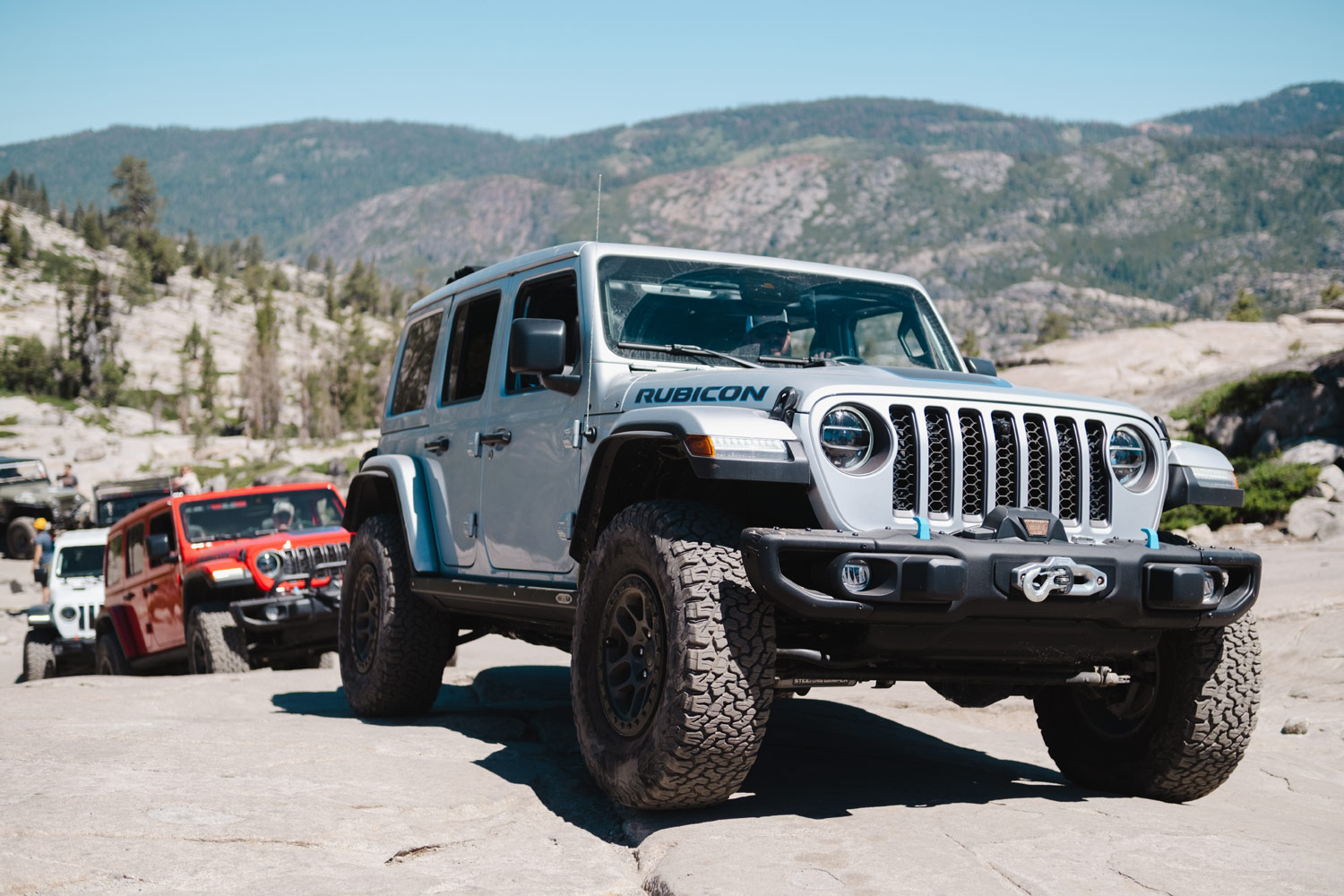
Lifting a Jeep Wrangler is a big decision, but it can transform your driving experience. Whether you want better off-road performance or a bold new look, planning and careful installation are key. Remember to check your local laws, budget for extra parts, and test your Jeep after the lift. With the right approach, your Jeep will stand taller, and you’ll be ready for more adventures.
Meta Title: How to Lift a Jeep Wrangler: Step-by-Step Guide for Beginners
Meta Description: Learn how to lift a Jeep Wrangler with this simple, complete guide. Discover types of lift kits, costs, pros and cons, and practical tips for safe installation. Perfect for beginners.