How To Fix The Death Wobble On A Jeep
If you drive a Jeep, you may have heard about the death wobble. It’s a scary shaking of the front wheels that can make your steering wheel vibrate out of control, especially after hitting a bump at highway speeds.
Many Jeep owners face this problem, but most don’t know how to fix it safely. you’ll learn what causes the death wobble, how to fix it step by step, and how to prevent it from coming back.
What Is The Jeep Death Wobble?
The death wobble is a violent shaking in the front suspension and steering system. It usually happens when you’re driving between 45 and 65 mph and hit a bump or pothole. The steering wheel starts to shake rapidly, and you may feel like the whole Jeep is out of control. This problem can make driving dangerous and stressful.
How Common Is Death Wobble?
The death wobble is especially common in Jeep Wranglers (TJ, JK, JL), Cherokees, and other models with solid front axles. According to a study by the National Highway Traffic Safety Administration, thousands of Jeep owners have reported this issue. The wobble is not just a Jeep problem, other vehicles with solid front axles can also be affected, but it’s most famous in Jeeps.
Main Causes Of Death Wobble
To fix the death wobble, you need to understand what causes it. The main reasons are:
- Worn track bar bushings or bolts
- Loose or damaged tie rod ends
- Bad ball joints
- Unbalanced or bent wheels
- Worn steering stabilizer
- Incorrect alignment
- Lift kits with poor geometry
Even one loose or worn part can trigger the wobble. Often, several small problems add up to cause the shaking.
Real-world Example
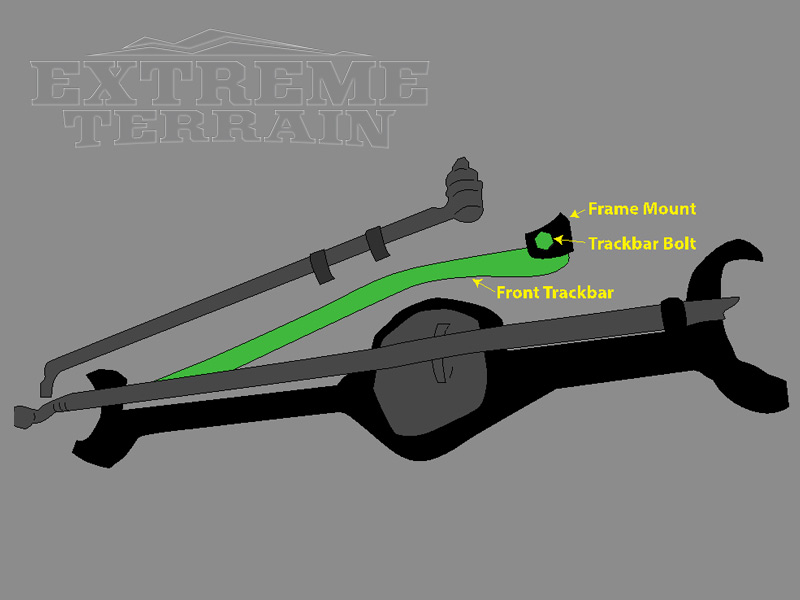
If your Jeep’s track bar is loose, it can let the front axle move side-to-side. When you hit a bump, the wheels can start shaking, and the steering will vibrate.
If you also have an old steering stabilizer, the shaking gets worse and harder to stop.
Step-by-step Guide To Fixing Death Wobble
Solving the Jeep death wobble takes patience and a careful approach. Here’s a practical way to find and fix the problem.
1. Inspect The Front Suspension
Start with a visual check. Park on level ground, turn off the engine, and set the parking brake. Look at these parts:
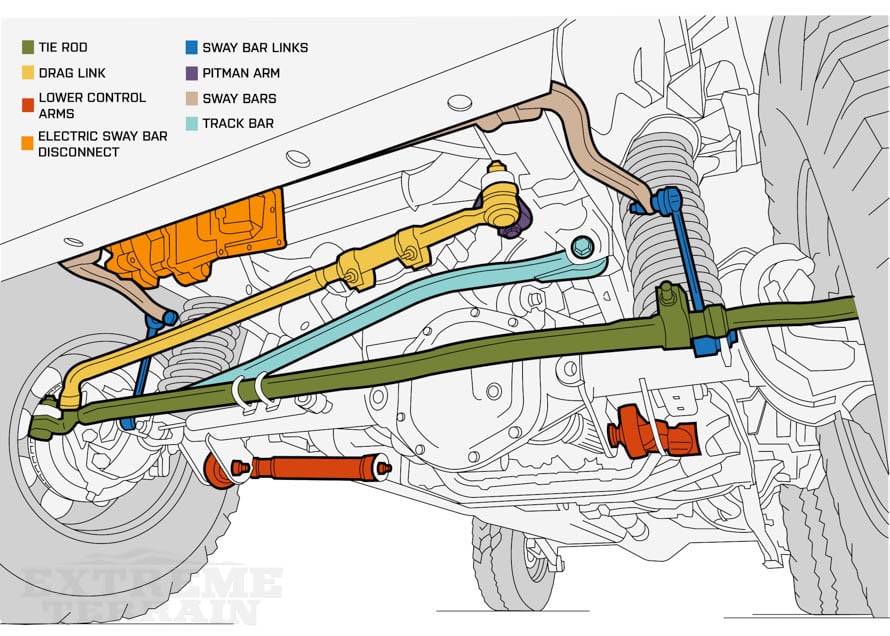
- Track bar (mounting points and bushings)
- Tie rod ends and drag link
- Ball joints
- Control arms and bushings
- Steering stabilizer
- Front shocks and springs
Look for cracks, loose bolts, or worn bushings. Even small movements or splits matter.
2. Check For Loose Bolts
Use a torque wrench to check all suspension bolts, especially the track bar. Most Jeep track bar bolts should be tightened to factory specs often between 125 and 150 ft-lbs.
If you find a loose bolt, tighten it right away. A common beginner mistake is not using a torque wrench; hand-tight is not enough for critical suspension parts.
3. Test For Worn Joints
Grab the tie rod and drag link. Try to move them up, down, and side-to-side.
There should be almost no movement. If you feel play, the joint is worn out and must be replaced.
Use a pry bar to check control arm bushings and ball joints.
If anything moves or makes a clunking sound, replace it.
4. Inspect Wheels And Tires
Spin each front tire and look for:
- Bent rims
- Missing wheel weights
- Uneven tire wear
A bent rim or unbalanced tire can start the wobble. Have your wheels balanced and rotated if you see any problem.
5. Check Steering Stabilizer
Remove one end of the steering stabilizer (the small shock absorber on the steering link) and push it in and out. It should be firm and not leak oil. If it moves easily or looks oily, replace it.
6. Get A Professional Alignment
Improper wheel alignment can make the death wobble worse. Even if you fix parts yourself, always get a professional alignment after repairs. Ask for a printout of the caster, toe, and camber. Jeeps with lifts often need more caster angle than stock to help stability.
7. Test Drive Safely
After repairs, drive slowly at first and test on a safe road. If the wobble is gone, you fixed the cause.
If not, re-check each part sometimes two problems exist at once.
Typical Costs To Fix Jeep Death Wobble
The cost can vary a lot based on what’s wrong with your Jeep.
| Part or Service | Estimated Cost (USD) | DIY or Shop |
|---|---|---|
| Track Bar Replacement | $100, $250 | Both |
| Tie Rod Ends | $40, $150 each | Both |
| Ball Joints (Pair) | $80, $250 | Both |
| Steering Stabilizer | $50, $120 | Both |
| Wheel Alignment | $80, $140 | Shop |
A full fix can cost as little as $100 if you only need to tighten a bolt, or over $1,000 if you replace several parts. Most repairs are simple with basic tools, but alignment must be done by a shop.
Important Tips For Beginners
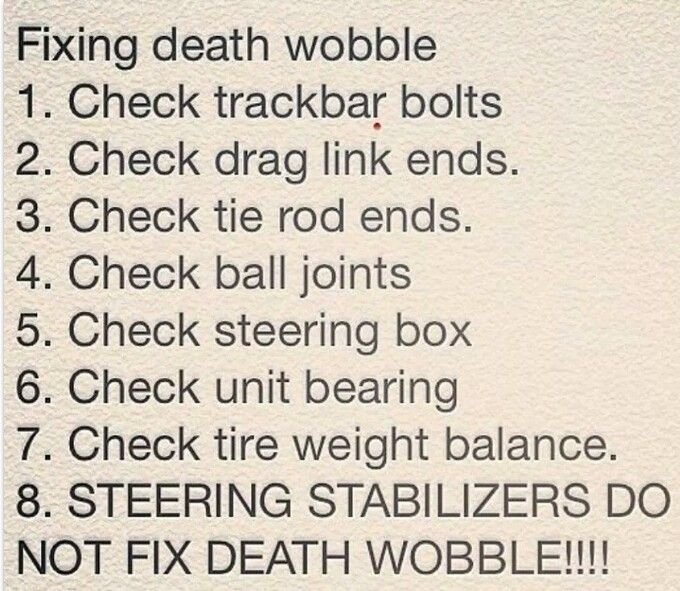
Many Jeep owners try to fix death wobble by just replacing the steering stabilizer. This is a common mistake. The stabilizer only masks the problem. The real cause is usually loose or worn suspension parts.
Here are two key insights beginners often miss:
- Check everything at once: Don’t just fix one part and stop. Death wobble often has more than one cause. Inspect all parts before spending money.
- Factory torque specs matter: Tightening bolts by hand is not enough. Use a torque wrench and follow Jeep’s official specifications. This prevents parts from coming loose over time.
How To Prevent Death Wobble In The Future
Once you fix the death wobble, you’ll want to keep your Jeep safe and smooth. Here’s how to prevent the problem from coming back.
Regular Maintenance
- Inspect suspension every oil change
- Tighten all bolts every 5,000 miles
- Rotate and balance tires regularly
- Replace worn bushings at the first sign of wear
Lift Kits And Modifications
If your Jeep has a lift kit, death wobble is more likely. After adding a lift, always:
- Upgrade the track bar to a heavy-duty version
- Install adjustable control arms if needed
- Get a professional alignment with extra caster angle
Cheap lift kits often cause geometry problems. Invest in quality parts made for your Jeep’s year and model.
Example: Stock Vs Lifted Jeep
Here’s a simple comparison of death wobble risk in stock and lifted Jeeps:
| Jeep Type | Death Wobble Risk | Key Issues |
|---|---|---|
| Stock Jeep | Low | Worn bushings, loose bolts |
| Jeep with 2.5″ Lift | Medium | Improper geometry, bad alignment |
| Jeep with 4″+ Lift | High | Track bar angle, control arm issues |
Pros And Cons Of Fixing Death Wobble Yourself
Many Jeep owners wonder if they should do the repair themselves or go to a shop. Here are the main pros and cons.
| DIY Fix | Shop Fix |
|---|---|
|
|
|
|
If you’re new to suspension work, start with simple checks and use guides from trusted sources like the Jeep official website.
Common Mistakes To Avoid
- Only replacing the steering stabilizer: This does not fix the main issue.
- Ignoring alignment: Even perfect parts can wobble if the alignment is off.
- Using cheap suspension parts: Low-quality bushings and track bars wear out fast.
- Not checking all bolts: One loose bolt is enough to bring the wobble back.
- Skipping test drives: Always test at low speeds before driving on highways.
Death Wobble Vs. Normal Vibration
Not every shake is death wobble. Here’s how you can tell the difference:
- Death wobble: Sudden, violent, hard to control, usually after a bump at speed
- Normal vibration: Mild, steady, often caused by unbalanced tires or brakes
If your Jeep shakes only at certain speeds or after hitting a bump, it’s probably death wobble. If it shakes all the time, check your tires first.
<!– wp:rank-math/faq-block {"questions":[{"id":"faq-question-bf3f46d7f2a9","title":"What Is The Most Common Cause Of Jeep Death Wobble?","content":"The track bar is the most common cause, especially if the bolts or bushings are loose or worn. Many cases involve more than one worn part.
“,”visible”:true},{“id”:”faq-question-c5ac24afbd76″,”title”:”Can I Drive With The Death Wobble?”,”content”:”It’s not safe to drive with death wobble. The shaking can damage parts and make you lose control.
Pull over and fix the problem before driving again.
“,”visible”:true},{“id”:”faq-question-6fad33e0e153″,”title”:”Will A Steering Stabilizer Alone Fix The Death Wobble?”,”content”:”No, a steering stabilizer only hides the problem. You must fix loose or worn suspension and steering parts to solve death wobble for good.
“,”visible”:true},{“id”:”faq-question-2bfd0b98cbe5″,”title”:”How Do I Know If My Jeep Needs An Alignment?”,”content”:”If your Jeep pulls to one side, your steering wheel is off-center, or you see uneven tire wear, you need an alignment. Always get one after suspension repairs.
“,”visible”:true},{“id”:”faq-question-39df6380c4af”,”title”:”Is Death Wobble Covered Under Jeep Warranty?”,”content”:”If your Jeep is still under warranty and you have not modified the suspension, some repairs may be covered. Check with your dealer for details.
Fixing the death wobble on a Jeep can feel overwhelming, but most problems have simple solutions if you check each part carefully. With regular maintenance and quality repairs, your Jeep can run safely for years, both on and off the road.
“,”visible”:true}]} –>What Is The Most Common Cause Of Jeep Death Wobble?
The track bar is the most common cause, especially if the bolts or bushings are loose or worn. Many cases involve more than one worn part.
Can I Drive With The Death Wobble?
It’s not safe to drive with death wobble. The shaking can damage parts and make you lose control.
Pull over and fix the problem before driving again.
Will A Steering Stabilizer Alone Fix The Death Wobble?
No, a steering stabilizer only hides the problem. You must fix loose or worn suspension and steering parts to solve death wobble for good.
How Do I Know If My Jeep Needs An Alignment?
If your Jeep pulls to one side, your steering wheel is off-center, or you see uneven tire wear, you need an alignment. Always get one after suspension repairs.
Is Death Wobble Covered Under Jeep Warranty?
If your Jeep is still under warranty and you have not modified the suspension, some repairs may be covered. Check with your dealer for details.
Fixing the death wobble on a Jeep can feel overwhelming, but most problems have simple solutions if you check each part carefully. With regular maintenance and quality repairs, your Jeep can run safely for years, both on and off the road.