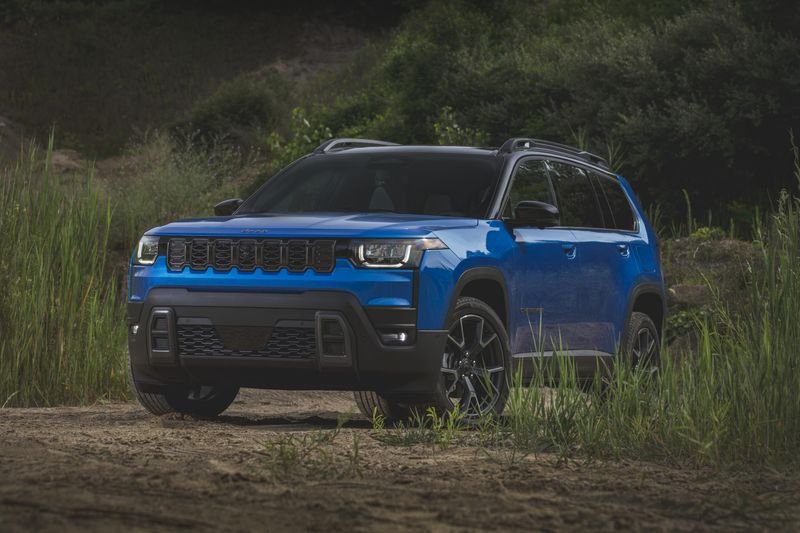
Most Jeep Wrangler owners love their vehicle’s rugged look and off-road power. But even strong machines need regular care. One key task is checking the transmission fluid. This fluid keeps your transmission cool and smooth. If the level is too low or the fluid is dirty, your Wrangler might shift rough, slip gears, or even break down. Many drivers skip this simple check—don’t be one of them. You can do it yourself with basic tools, a little patience, and the right steps.
Why Transmission Fluid Matters
The transmission is like the heart of your Wrangler’s drive system. Its fluid works as a lubricant and a coolant. If it’s low or old, you may notice:
- Hard or delayed shifting
- Slipping gears
- Unusual noises
- Burning smell
Ignoring these signs can lead to costly repairs. Regularly checking your fluid helps you catch problems early.
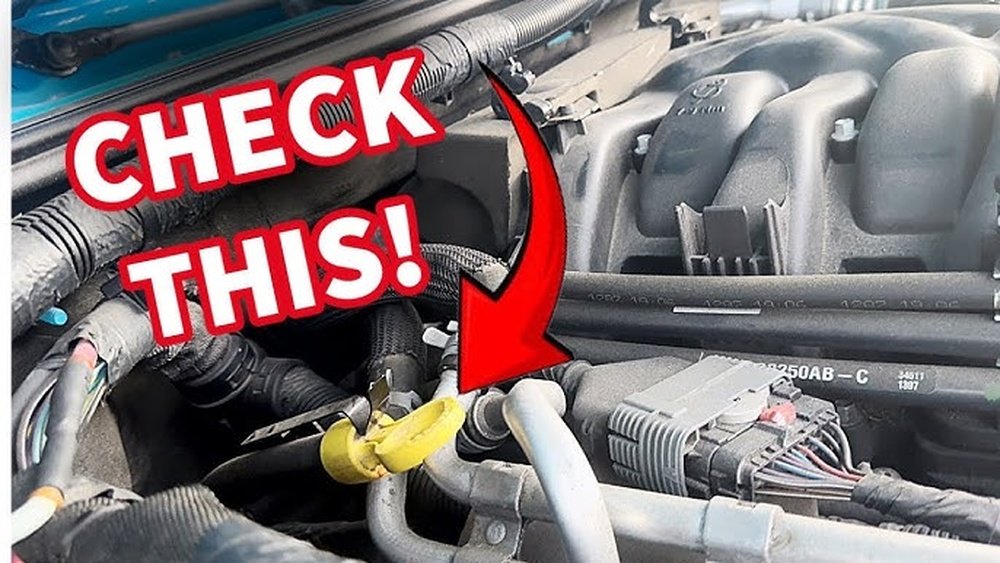
This simple habit can add years to your transmission’s life.
What You Need Before Checking
Before you start, get these items ready:
- Clean shop rag or paper towels
- Gloves (if you want clean hands)
- Flashlight (for better visibility)
- Owner’s manual (for your Wrangler’s model year)
Most Jeep Wranglers use an automatic transmission, but some have a manual. Each type has a different checking method.
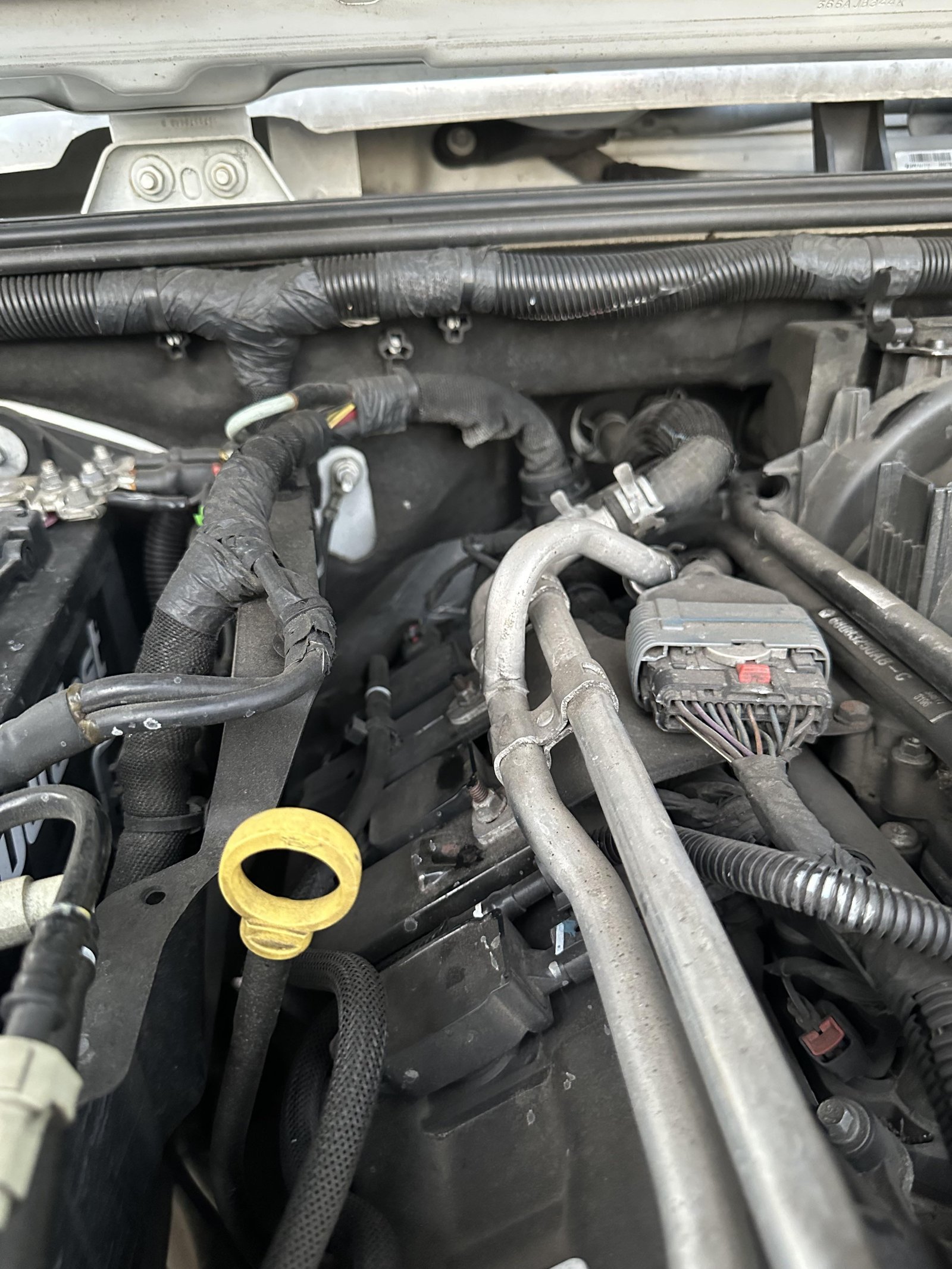
How To Check Transmission Fluid In Automatic Jeep Wranglers
Most recent Jeep Wrangler models (like JK, JL, and Gladiator) have sealed transmissions no dipstick. For these, checking the fluid is more complex and often best left to a professional.
But if you have an older Wrangler (usually 2011 or older), you can do it yourself.
Steps For Older Jeep Wranglers (with Dipstick)
1. Warm Up The Engine
Start your Wrangler and let it idle for about 10 minutes. Transmission fluid expands when warm, so a cold reading is inaccurate.
2. Park On A Level Surface
Make sure your Wrangler is on flat ground. Set the parking brake. Keep the engine running.
3. Locate The Transmission Dipstick
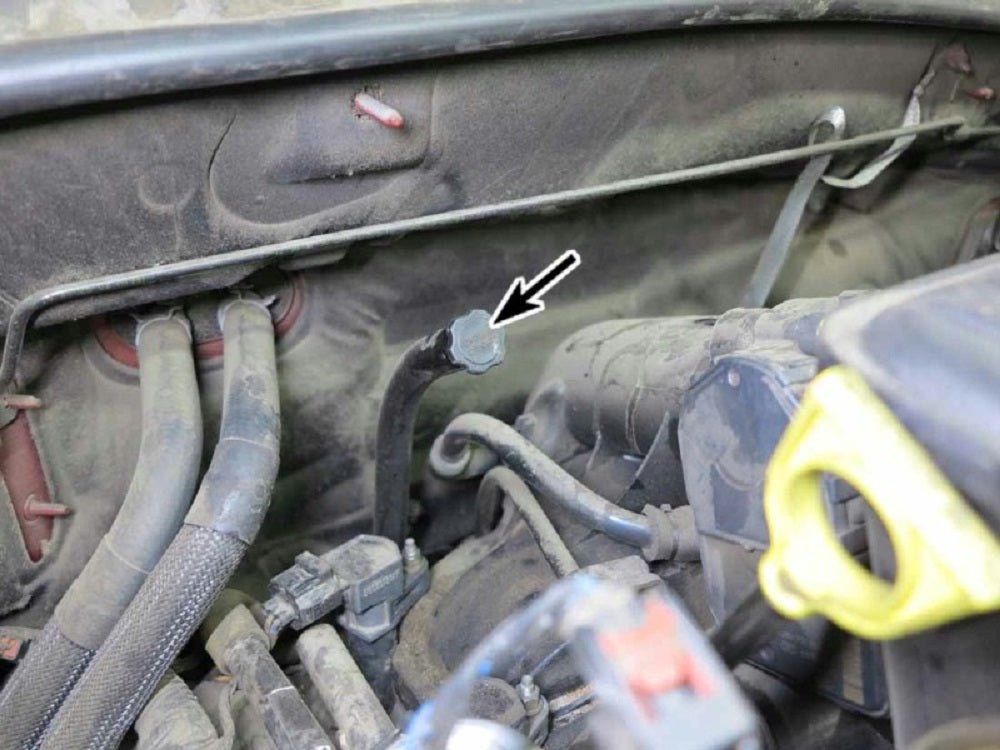
Open the hood. Look for a dipstick labeled “Transmission” or with a red/yellow handle.
It’s usually near the rear of the engine bay.
4. Remove And Clean The Dipstick
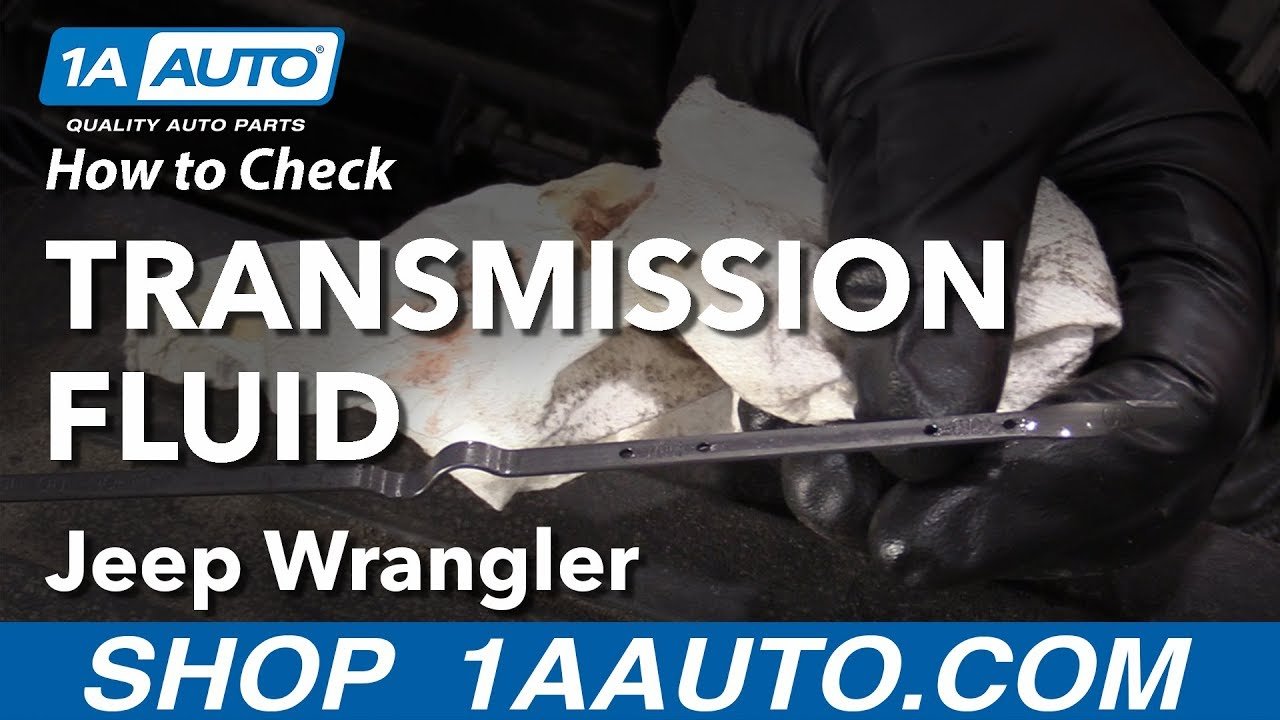
Pull out the dipstick. Wipe it clean with your rag.
5. Insert And Remove Again
Push the dipstick all the way in, then pull it back out. Check the fluid level against the “Full” and “Add” marks.
6. Check Fluid Condition
The fluid should be bright red and clear. If it’s dark, brown, or smells burnt, it needs changing.
7. Top Up If Needed
If the level is low, add the correct transmission fluid (see your manual for type). Pour slowly and recheck the level.
Visual Guide: Dipstick Fluid Levels
| Fluid Level | What It Means | Action Needed |
|---|---|---|
| At “Full” mark | Normal | No action |
| Below “Add” mark | Low fluid | Add fluid |
| Above “Full” mark | Overfilled | Remove excess |
How To Check Transmission Fluid In Modern Jeep Wranglers (sealed Transmissions)
Recent Wranglers (like 2012+ models) often lack a dipstick. Instead, they have a sealed transmission. Checking fluid in these models is harder and requires special tools:
- Vehicle must be level and on a lift
- Transmission needs to reach a certain temperature
- Check is done from underneath using a fill plug
Unless you have mechanical experience, it’s safer to let a mechanic do this. Trying it yourself can result in leaks or damage.
Comparing Transmission Types
Here’s a quick way to know which type you have:
| Wrangler Model Year | Transmission Type | Dipstick Present? |
|---|---|---|
| 2007–2011 | Automatic (42RLE) | Yes |
| 2012–Present | Automatic (WA580, 8HP) | No (Sealed) |
| All years | Manual | No |
Checking Manual Transmission Fluid
Manual transmissions do not have a dipstick. The process involves:
- Raising the vehicle (use ramps or a lift)
- Locating the transmission fill plug (side of transmission case)
- Removing the plug with a wrench
- Fluid should be just below the bottom of the hole
If you can touch the fluid with your finger, it’s at the correct level. If not, add fluid until it starts to run out.
Always use the type recommended in your manual.
Common Mistakes To Avoid
Many beginners make these errors:
- Checking cold fluid: Always check when the engine is warm.
- Using wrong fluid: Jeep transmissions need specific fluid types.
- Overfilling: Too much fluid can cause foaming and damage.
- Not cleaning dipstick: Dirt on the dipstick can give a false reading.
One often-missed tip: If your fluid is low, there may be a leak. Always check under your Wrangler for drips or stains.
How Often Should You Check?
A good rule is to check your transmission fluid every 6 months or at every oil change. If you drive off-road, tow heavy loads, or feel rough shifting, check more often.
Signs Your Fluid Needs Attention
Watch for these warning signs:
- Difficulty shifting gears
- Fluid leaks under the car
- Fluid looks brown or smells burnt
Address these issues quickly to prevent bigger problems.
Cost Of Transmission Fluid Service
On average, a transmission fluid change for a Jeep Wrangler costs between $150–$250 at a shop. DIY costs are lower—just the price of fluid ($30–$70) and your time. Waiting too long can lead to repairs that cost thousands.
Useful Resources
Your Jeep’s owner’s manual is your best guide for fluid type and change intervals. For more technical details, check the Jeep Wrangler page on Wikipedia.
Frequently Asked Questions
How Do I Know If My Wrangler Has A Sealed Transmission?
Most Wranglers from 2012 and newer have sealed automatic transmissions. If you don’t see a transmission dipstick under the hood, it’s likely sealed.
Can I Use Any Atf Fluid In My Jeep Wrangler?
No. Always use the fluid type listed in your owner’s manual.
Using the wrong fluid can harm your transmission.
What Happens If I Overfill My Transmission Fluid?
Too much fluid causes foaming, poor shifting, and possible damage. Drain excess fluid if you notice the level is above the “Full” mark.
How Can I Spot A Transmission Fluid Leak?
Look for red or brown puddles under your Wrangler, especially after parking overnight. You might also smell a sweet or burnt odor.
Is Checking Transmission Fluid The Same For All Jeep Models?
No. The process varies by model year and transmission type.
Older automatics have dipsticks, newer ones are sealed, and manuals use fill plugs.
Regular checks can keep your Jeep Wrangler running strong. It’s simple, quick, and saves you money over time. Don’t wait for transmission trouble—check your fluid today and drive with confidence.