Owning a Jeep Patriot brings both adventure and responsibility. One crucial task is checking the transmission fluid. Transmission fluid keeps your vehicle’s gears running smoothly, prevents overheating, and avoids costly repairs. Many drivers overlook this simple check, but a few minutes can save you thousands of dollars. If you’re unsure how to check transmission fluid in a Jeep Patriot, this guide is for you.
Why Transmission Fluid Matters In Jeep Patriot
The transmission fluid acts as a lubricant and coolant. It supports gear shifts, reduces friction, and keeps internal parts clean. Low or dirty fluid can cause rough shifting, strange noises, or even transmission failure.
Jeep Patriots, especially models from 2007–2017, use either a CVT (Continuously Variable Transmission) or a traditional automatic transmission. Each type requires specific fluid and checking methods. Always check your owner’s manual for your exact model and transmission type.
Common Signs Of Transmission Fluid Issues
- Slipping gears
- Delayed shifting
- Grinding noises
- Fluid leaks under the vehicle
- Burning smell
Ignoring these signs can lead to expensive repairs. Regular checks help avoid sudden breakdowns.
Preparing To Check Transmission Fluid
Before you start, gather a few basic items:
- Clean rag or paper towel
- Flashlight (optional)
- Jeep Patriot owner’s manual
- Transmission fluid (for topping up, if needed)
Park your Jeep on a level surface and let the engine run until it’s warm—usually 5–10 minutes. This ensures accurate fluid readings.
Safety Tips
- Engage the parking brake
- Keep hands away from moving parts
- Allow engine parts to cool if you’re checking after driving

Step-by-step Guide: Checking Transmission Fluid
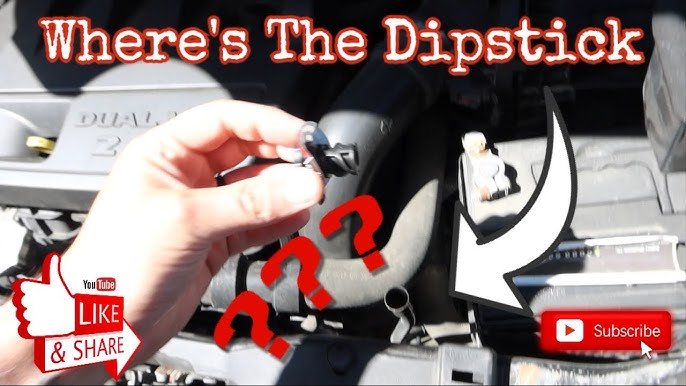
Unlike most cars, some Jeep Patriots with CVT do not have a traditional dipstick. Instead, you may need dealer tools or a special dipstick. If your model has a dipstick, follow these steps:
1. Locate The Dipstick
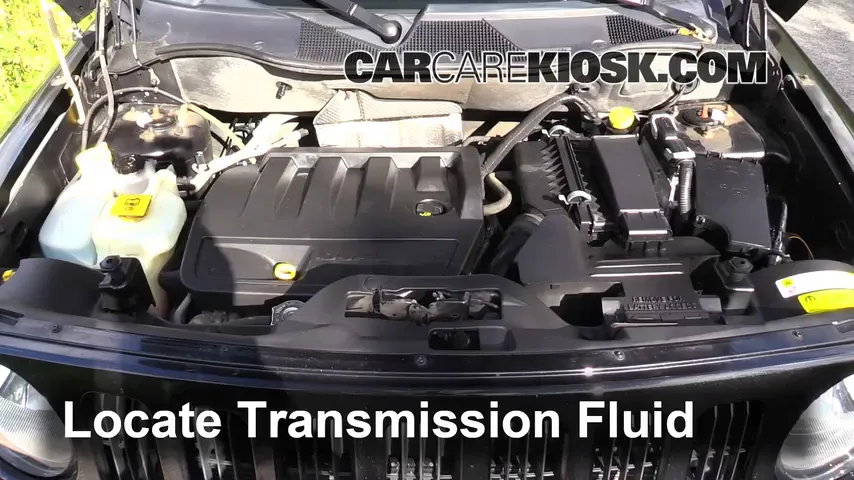
Open the hood and look for the transmission dipstick. It’s usually labeled and found near the engine block. CVT models may not have one; consult your manual or dealer.
2. Remove And Clean The Dipstick
Pull out the dipstick, wipe it clean with a rag, and reinsert it fully.
3. Check Fluid Level
Remove the dipstick again. Look at the fluid level, which should be between the “Full” and “Add” marks.
If it’s low, you’ll need to add fluid.
4. Examine Fluid Condition
Transmission fluid should be bright red and clear. If it’s brown, dark, or smells burnt, it needs changing.
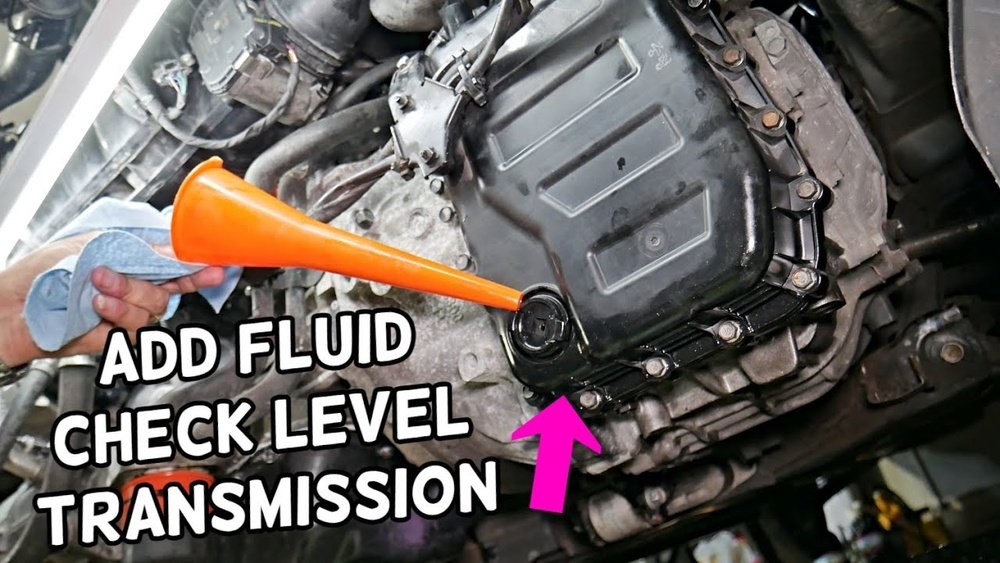
5. Add Fluid If Needed
Use the correct type of fluid recommended for your Jeep Patriot. Pour slowly and check levels often to avoid overfilling.
6. Recheck After Adding
Start the engine, shift through all gears, then check the fluid again. This helps distribute the fluid evenly.
Understanding Fluid Types And Specifications
Jeep Patriots use different fluids based on their transmission type. Using the wrong fluid can damage your vehicle.
| Transmission Type | Fluid Type | Capacity (quarts) |
|---|---|---|
| CVT | CVT+4 | 7.4 |
| Automatic (6-speed) | ATF+4 | 5.3 |
| Manual | Gear Oil SAE 75W-90 | 2.0 |
Always double-check the fluid type before topping up. Mixing fluids causes performance issues.
How Often Should You Check Transmission Fluid?
Most experts suggest checking the fluid every 30,000 miles, or once a year. If you drive in hot climates or tow heavy loads, check more often.
Sample Maintenance Schedule
| Mileage | Maintenance Task |
|---|---|
| 15,000 miles | Check level and condition |
| 30,000 miles | Replace fluid (if needed) |
| 60,000 miles | Inspect for leaks and wear |
Common Mistakes To Avoid
Many drivers make errors during transmission fluid checks. Here’s how to avoid them:
- Checking fluid when cold: Always check when the engine is warm.
- Using wrong fluid: Only use fluid specified for your transmission type.
- Overfilling: Too much fluid can cause pressure problems.
- Ignoring dirty fluid: Change fluid if it looks or smells bad.
- Skipping regular checks: Prevent issues by checking fluid regularly.
Troubleshooting: If There’s No Dipstick
Some Jeep Patriot CVT models don’t have a dipstick. If you can’t find one, don’t panic.
The manufacturer recommends professional service for these models.
What To Do
- Visit your local Jeep dealer or trusted mechanic
- Ask for a transmission fluid level check
- Request a fluid change if your vehicle shows warning signs
This is more common in 2014 2017 Patriots with CVT. Dealers use special tools and knowledge to check and maintain fluid levels.
Quick Comparison: Symptoms Of Low Vs. Dirty Fluid
| Low Fluid | Dirty Fluid |
|---|---|
| Delayed shifting | Rough shifting |
| Transmission slipping | Burnt smell |
| Overheating | Dark or cloudy color |
Non-obvious Insights For Jeep Patriot Owners
Many drivers don’t realize that transmission fluid can degrade even if the mileage is low. Heat, age, and moisture break down fluid. Also, some aftermarket fluids claim to be “universal,” but they may harm your Jeep’s transmission. Always use Jeep-approved fluids.
Another useful tip: Checking fluid after towing or driving in extreme heat is important. These conditions stress the transmission and can cause fluid loss or breakdown faster than normal driving.
If you’re unsure about the process, watching a video or asking a mechanic can help. For more technical details, see the official Jeep service manual or visit Jeep Owners.
Frequently Asked Questions
How Do I Know Which Transmission Fluid My Jeep Patriot Needs?
Check your owner’s manual or look for a label under the hood. The fluid type depends on the transmission—CVT+4 for CVT, ATF+4 for automatic, and gear oil for manual.
Can I Check Transmission Fluid If My Jeep Patriot Has No Dipstick?
If your model lacks a dipstick, you need dealer tools. Visit a Jeep dealer or qualified mechanic for a fluid check.
How Often Should Transmission Fluid Be Replaced?
Most experts recommend replacing fluid every 30,000–60,000 miles, or sooner if the fluid is dirty or smells burnt.
What Happens If I Use The Wrong Fluid?
Using incorrect fluid can cause shifting problems, overheating, and long-term damage. Always use fluids approved for your transmission type.
Can I Drive If My Transmission Fluid Is Low?
Driving with low fluid is risky. It can lead to transmission failure and expensive repairs. Always top up or fix leaks before driving long distances.
Checking transmission fluid in your Jeep Patriot is simple but vital. With regular checks and the right fluid, you’ll keep your vehicle running smoothly and avoid costly problems. If you’re unsure about any step, consult your manual or a trusted mechanic. This small effort leads to a longer, healthier life for your Jeep.