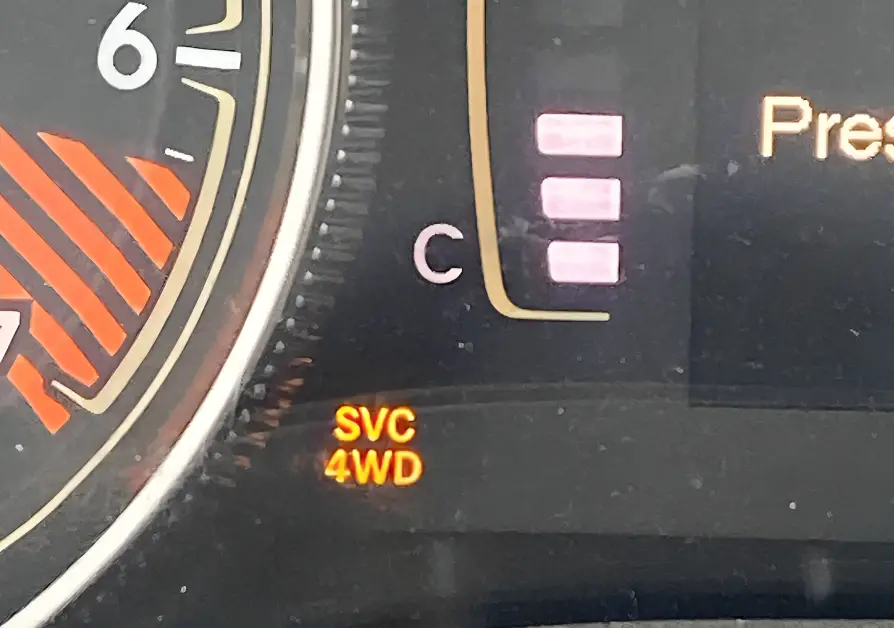
Checking the transmission fluid in your 2012 Jeep Liberty is not only important for keeping your vehicle running smoothly, but it can also prevent costly repairs in the future. Transmission fluid helps lubricate moving parts, cools the transmission, and enables gear shifts.
If the fluid level or quality is wrong, your Jeep may shift poorly, overheat, or even break down. Many drivers ignore this simple maintenance task, but learning how to check transmission fluid can save you time, money, and stress.
Why Transmission Fluid Matters
The 2012 Jeep Liberty uses an automatic transmission that relies heavily on fluid to operate. Over time, fluid can leak, get dirty, or lose its effectiveness. Low or contaminated fluid can cause:
- Slipping gears
- Delayed shifting
- Overheating
- Strange noises
According to industry data, transmission failure is one of the most expensive repairs, often costing over $2,000. Regular checks can help you avoid this.
Tools And Preparation
Before you start, gather these items:
- Clean rag or paper towel
- Gloves (optional)
- Funnel (for adding fluid)
- Correct transmission fluid (check your owner’s manual)
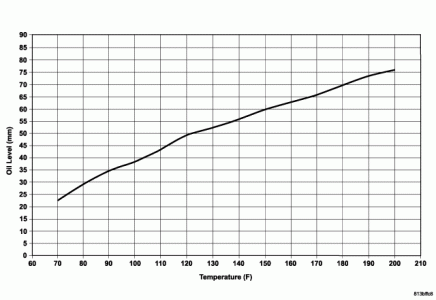
Make sure your Jeep is parked on a level surface. Running the engine is important because transmission fluid expands when warm; a cold reading may be inaccurate.
Step-by-step: Checking Transmission Fluid
1. Warm Up The Engine
Start your Jeep and let it idle for at least 5 minutes. This brings the fluid to normal operating temperature.
Shifting through all gears (park, reverse, drive) helps circulate the fluid.
2. Locate The Dipstick
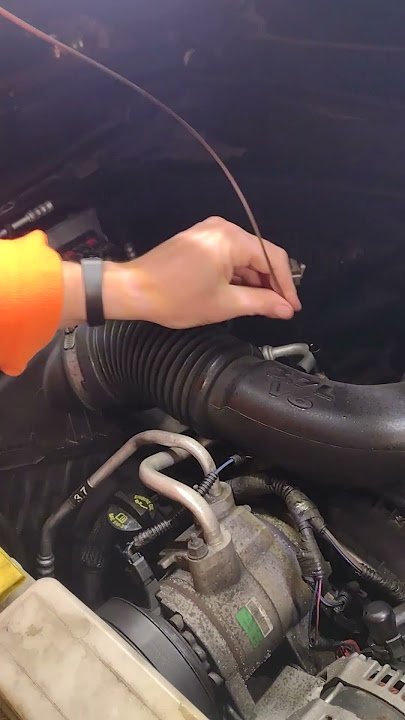
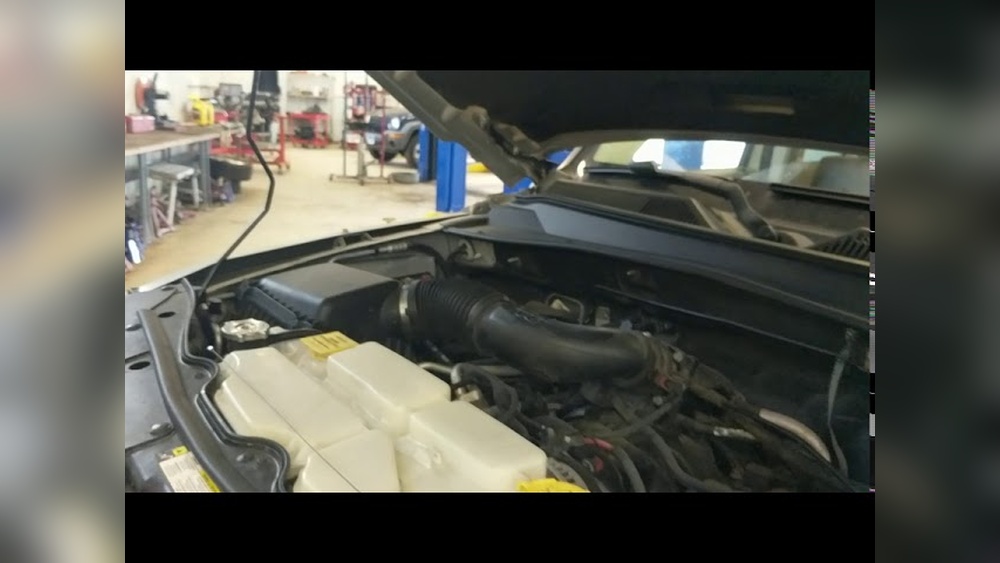
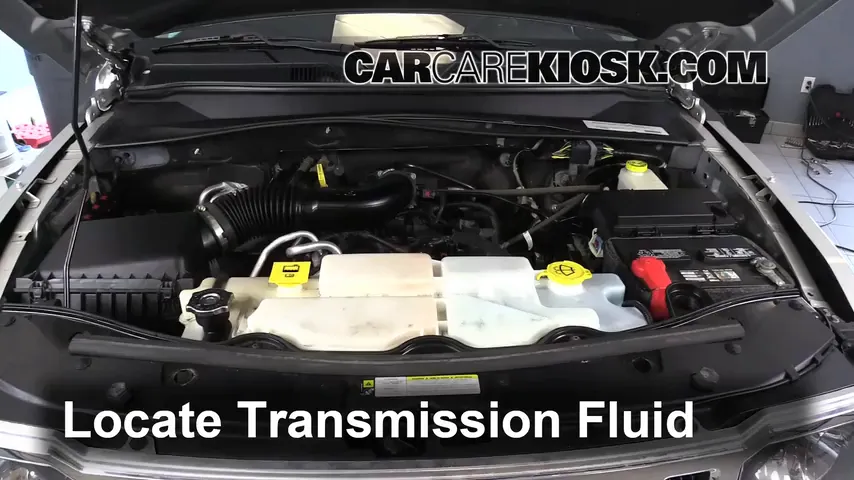
On most 2012 Jeep Liberty models, the transmission dipstick is at the back of the engine bay, usually marked with a yellow or orange handle. If you can’t find it, check your owner’s manual. Some newer Jeep Liberties may not have a dipstick—if so, fluid levels can only be checked by a mechanic.
3. Remove And Clean The Dipstick
Pull out the dipstick and wipe it clean with a rag. Insert it fully back into the tube, then pull it out again to read the fluid level.
4. Check The Fluid Level
Look at the fluid markings on the dipstick. You should see “Full” and “Add” lines.
The fluid should be between these marks. If it's below “Add,” you need to add fluid.
5. Inspect Fluid Condition
Healthy transmission fluid is red and smells sweet. Dark, brown, or burnt-smelling fluid means it’s time to replace it. Small metal particles or bubbles are also signs of trouble.
6. Add Fluid If Needed
If the level is low, use a funnel to add transmission fluid in small amounts. Check the level after each addition.
Avoid overfilling, as this can damage the transmission.
Comparison: Transmission Fluid Types
The correct fluid for your Jeep Liberty is usually ATF+4. Using the wrong type can cause performance issues. Here’s a quick comparison:
| Fluid Type | Color | Compatibility | Price (per quart) |
|---|---|---|---|
| ATF+4 | Red | 2012 Jeep Liberty | $7-$10 |
| Dexron III | Red | GM vehicles | $6-$9 |
| Mercon V | Red | Ford vehicles | $8-$11 |
Always use ATF+4 for your Jeep Liberty. Mixing fluids can lead to transmission failure.
Common Mistakes And How To Avoid Them
Many owners make simple mistakes that can cause big problems. Here are the most common:
- Checking fluid when cold – Always check when warm.
- Using the wrong fluid – Only use ATF+4.
- Overfilling – Add fluid slowly and recheck each time.
- Ignoring dirty fluid – Replace fluid if it looks brown or smells burnt.
A non-obvious tip: Don’t forget to check for leaks under your Jeep. Even small leaks can cause fluid loss over time.
Signs Your Transmission Fluid Needs Attention
Your Jeep Liberty will often give you clues if the fluid is low or dirty:
- Hard or delayed shifting
- Engine revs but doesn’t move quickly
- Grinding or whining noises
- Transmission warning light
If you notice any of these, check your fluid immediately.
Jeep Liberty Transmission Fluid Data
To help you understand how often to check or change fluid, here’s some data:
| Check Interval | Change Interval | Fluid Capacity |
|---|---|---|
| Every 6 months | Every 60,000 miles | 5.3 quarts |
Some experts recommend checking more often if you drive in tough conditions, like towing or city traffic.
Practical Tips For Beginners
- Wear gloves if you’re sensitive to chemicals.
- Park safely on level ground for accurate results.
- Keep records of fluid checks and changes.
- Don’t ignore warning lights—they often signal fluid issues.
A useful insight: Many drivers forget that even small leaks can drain fluid quickly. Check your driveway for stains regularly.
When To See A Mechanic
If your Jeep Liberty doesn’t have a dipstick or you see metal shavings in the fluid, visit a professional. Also, if the fluid is low but you can’t find a leak, let a mechanic inspect it. Transmission issues can get worse quickly.
For more detailed guidance, the official Jeep website offers helpful tips: Jeep Owners.
Frequently Asked Questions
How Often Should I Check Transmission Fluid?
Check the fluid every 6 months or before long trips. If you drive in heavy traffic or tow loads, check more often.
What Color Should Transmission Fluid Be?
Healthy fluid is red and clear. If it’s brown or smells burnt, change it soon.
Can I Use Any Transmission Fluid?
No. Only use ATF+4 for the 2012 Jeep Liberty. Other fluids can cause damage.
What If My Jeep Doesn’t Have A Dipstick?
Some models require a mechanic to check fluid using special tools. If you can’t find a dipstick, visit a shop.
Is It Bad To Overfill Transmission Fluid?
Yes. Overfilling can cause leaks or transmission damage. Add fluid slowly and stop when you reach the correct level.
Taking care of your Jeep Liberty’s transmission fluid is a simple task that can make a big difference. By checking it regularly and using the right fluid, you can keep your vehicle running smoothly for years.
Remember, a few minutes of maintenance can save thousands in repairs.