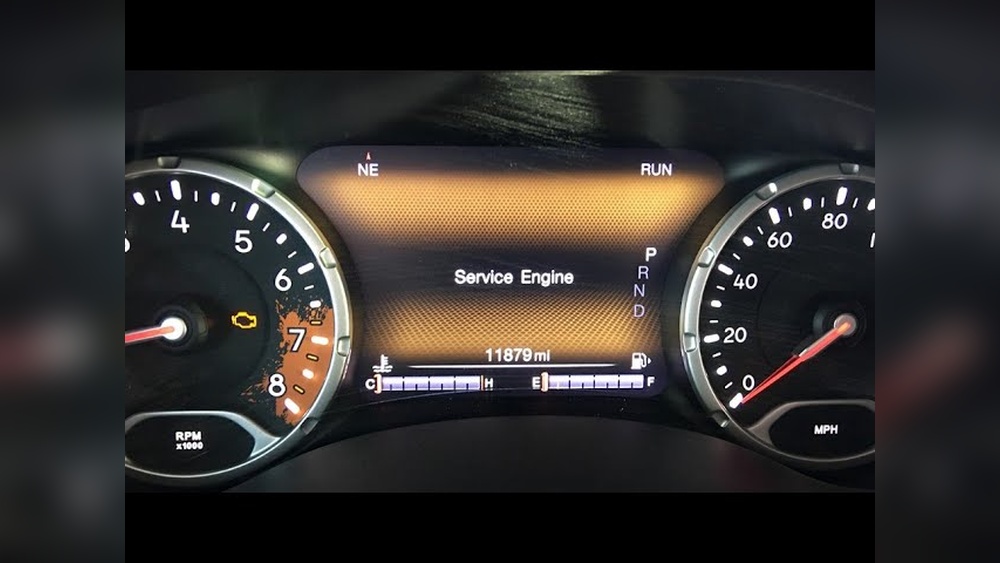
If your 2015 Jeep Wrangler’s check engine light just came on, you’re probably wondering what it means and what you should do next. That little warning can feel like a mystery — and sometimes a bit stressful.
But don’t worry, you can decode those check engine light codes yourself and get a clear picture of what’s going on under the hood. Understanding these codes helps you spot issues early, avoid costly repairs, and keep your Jeep running strong.
You’ll learn how to check your Wrangler’s engine light codes quickly and what the most common codes mean. Ready to take control of your Jeep’s health? Let’s dive in.
Common Causes
The check engine light on a 2015 Jeep Wrangler can come on for many reasons. Understanding the common causes helps you know what to check first. Some issues are simple, while others need professional attention.
Here are the most frequent reasons for the check engine light to appear in your Jeep Wrangler.
Loose Gas Cap
A loose or missing gas cap can trigger the check engine light. It causes fuel vapors to leak, which the system detects. Tightening or replacing the gas cap often fixes this issue quickly.
Oxygen Sensor Issues
The oxygen sensor measures the amount of oxygen in the exhaust. A faulty sensor sends wrong data to the engine computer. This can reduce fuel efficiency and increase emissions.
Catalytic Converter Problems
The catalytic converter helps reduce harmful emissions. If it is clogged or damaged, the engine light may come on. Poor engine performance and higher emissions are common signs of this problem.
Mass Airflow Sensor Faults
The mass airflow sensor tracks the air entering the engine. A bad sensor causes rough idling and poor fuel economy. Cleaning or replacing the sensor usually solves the issue.
Ignition Coil And Spark Plug Failures
Ignition coils and spark plugs ignite the fuel-air mixture. When they fail, the engine misfires and runs poorly. This failure often triggers the check engine light.
Battery And Voltage Concerns
A weak or failing battery can cause voltage drops. Low voltage affects engine sensors and the computer system. This may lead to false error codes and the check engine light turning on.
Reading Codes Without A Scanner
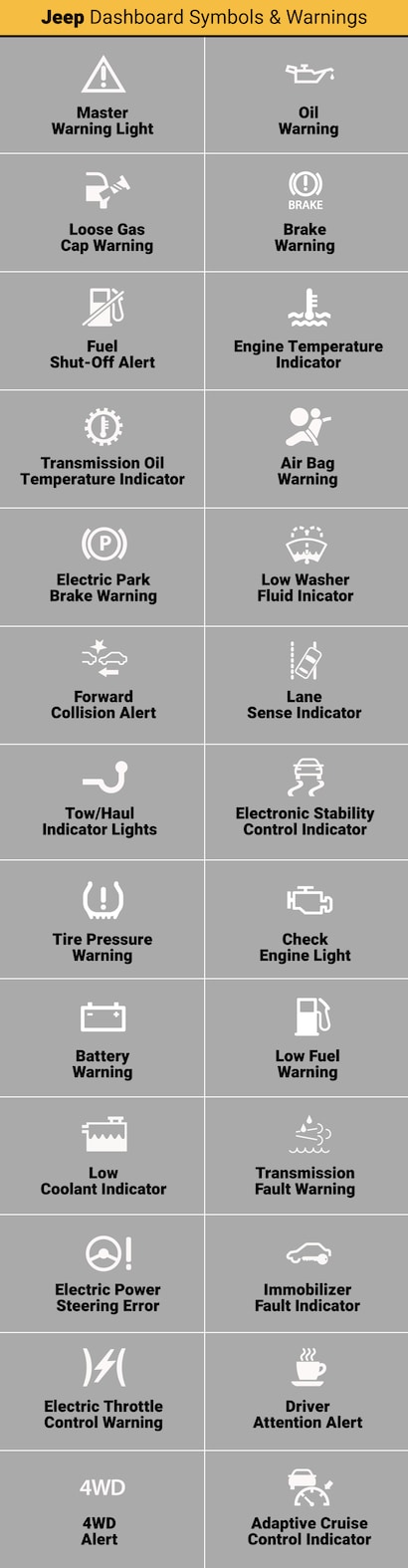
Reading the check engine light codes on a 2015 Jeep Wrangler without a scanner can save time and money. The Jeep has built-in methods to display diagnostic trouble codes (DTCs). These codes help identify problems without needing special tools. You can access codes using simple steps involving the ignition key and the odometer display. This process is handy during road trips or when a scanner is unavailable.
Ignition Key Cycle Method
Start by inserting the ignition key into the ignition switch. Turn the key to the ON position without starting the engine. Then, cycle the key OFF and ON three times rapidly. End by leaving the key in the ON position. The Jeep’s computer will now display the engine trouble codes. This method activates the Jeep’s internal diagnostic system.
Using The Odometer Display
Watch the odometer screen closely after cycling the ignition key. The screen will show a series of numbers and letters. These represent the diagnostic trouble codes stored in the Jeep’s computer. If there are multiple codes, they will appear one by one. Wait for the word “DONE” to know the Jeep finished displaying all codes.
Interpreting The Code Sequence
The codes start with a letter followed by four digits, such as P0123. The letter indicates the system: P for powertrain, B for body, C for chassis, and U for network. The numbers specify the exact fault detected. Note down each code carefully. You can later look up the meaning online or in the Jeep’s service manual. This helps decide the next repair steps.
Using An Obdii Scanner
Using an OBDII scanner is a simple way to diagnose the check engine light codes on your 2015 Jeep Wrangler. This tool reads the codes stored in your vehicle’s computer. These codes explain what causes the warning light to come on. An OBDII scanner helps you identify problems fast. It saves time and money by letting you know what needs fixing before visiting a mechanic.
Choosing The Right Scanner
Select an OBDII scanner compatible with Jeep Wranglers. Basic models read and clear codes easily. Advanced scanners offer live data and freeze frame information. Look for scanners that support Jeep-specific codes. Choose one that connects via Bluetooth or USB for convenience. Make sure the scanner is easy to use and has clear instructions.
Connecting To The Jeep Wrangler
Locate the OBDII port under the dashboard on the driver’s side. It is near the steering column. Plug the scanner into this port firmly. Turn the Jeep’s ignition to the “On” position but do not start the engine. The scanner will power up and communicate with the vehicle. Wait for the scanner to establish a connection.
Retrieving And Clearing Codes
Use the scanner’s menu to select “Read Codes.” The scanner will show the trouble codes stored in your Jeep’s computer. Write down or save these codes for reference. You can look up the meaning of each code online or in the scanner manual. After repairs, use the scanner to clear the codes. Clearing resets the check engine light and the computer’s memory.
Common Jeep Wrangler Codes
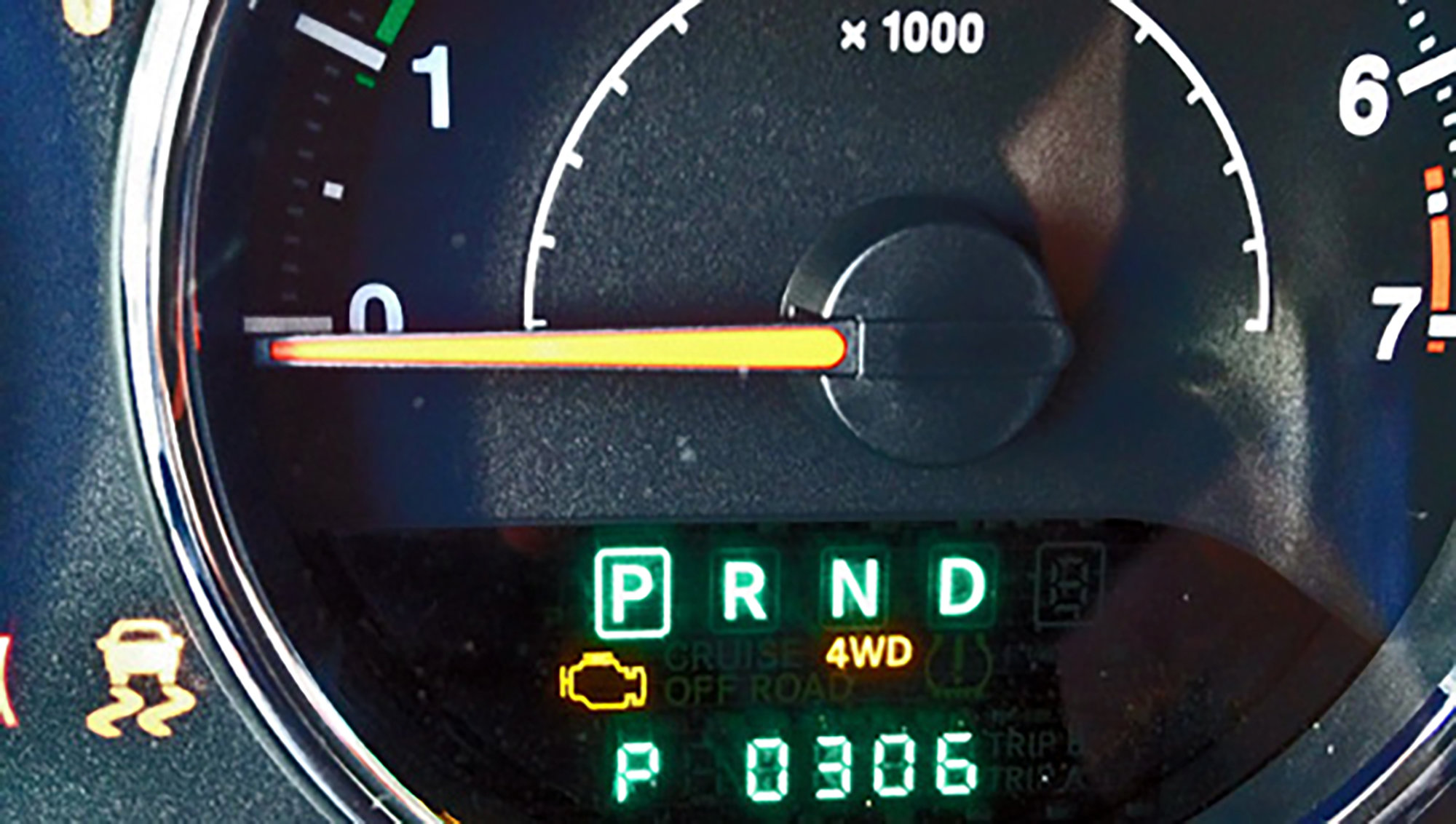
The 2015 Jeep Wrangler often shows check engine light codes that help diagnose problems. These codes point to specific issues in the vehicle’s systems. Understanding common Jeep Wrangler codes saves time and money on repairs. It also helps keep your Wrangler running smoothly and safely.
P0300 Series: Misfire Codes
Codes in the P0300 series indicate engine misfires. A misfire means one or more cylinders fail to ignite properly. This can cause rough idling, poor fuel economy, and engine hesitation. Common causes include bad spark plugs, faulty ignition coils, or fuel delivery problems. Fixing misfires quickly prevents damage to the engine and catalytic converter.
P0420: Catalyst Efficiency
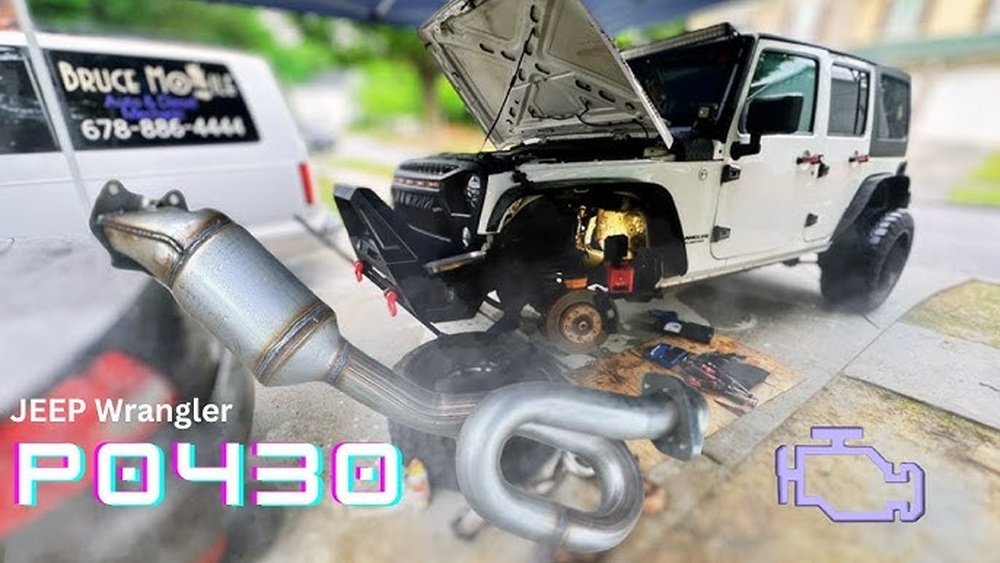
The P0420 code signals low efficiency in the catalytic converter. This part cleans harmful emissions before they leave the exhaust. A failing catalytic converter causes increased pollution and poor engine performance. Often, a bad oxygen sensor or exhaust leaks trigger this code. Timely repairs help your Jeep meet emissions standards and run better.
P0171 And P0174: Fuel Trim Issues
Codes P0171 and P0174 indicate fuel trim problems. They show the engine is running too lean on one or both banks. Running lean means there is too much air and not enough fuel. Causes include vacuum leaks, dirty fuel injectors, or a weak fuel pump. These issues affect engine power and fuel economy. Addressing fuel trim problems keeps the engine balanced.
P0130 To P0167: Oxygen Sensor Codes
Oxygen sensor codes between P0130 and P0167 point to sensor faults. Oxygen sensors monitor exhaust gases and help control fuel mixture. Faulty sensors cause poor fuel economy and increased emissions. Dirt, wiring issues, or sensor age are common causes. Replacing bad oxygen sensors improves engine performance and lowers pollution.
Diagnosing Code Causes
Diagnosing the causes behind the 2015 Jeep Wrangler check engine light codes requires a clear, step-by-step approach. Each code points to a specific issue within the vehicle’s system. Proper diagnosis helps avoid unnecessary repairs and saves time.
Start by testing sensors, performing visual checks, and analyzing live data. These methods reveal faults and confirm the exact problem behind the warning light.
Sensor Testing Procedures
Begin with testing key sensors connected to the engine. Use a multimeter or scan tool to check sensor voltage and resistance. Compare readings to factory specifications.
Focus on oxygen sensors, mass airflow sensors, and throttle position sensors. Faulty sensors often trigger common codes in Jeep Wranglers. Replace or clean sensors if values fall outside normal ranges.
Visual Inspections
Inspect wiring harnesses and connectors for damage or corrosion. Look for loose, broken, or burnt wires around the engine bay.
Check vacuum lines and hoses for cracks or leaks. A damaged hose can cause false sensor readings and trigger codes.
Also, examine the gas cap for tightness. A loose or faulty gas cap frequently causes check engine lights.
Using Live Data For Analysis
Connect a scan tool to access live engine data. Monitor sensor outputs in real time during engine operation.
Look for irregular readings or sudden drops in sensor performance. Pay attention to fuel trim, oxygen sensor voltage, and engine RPM.
Live data helps confirm if sensor values respond correctly under different driving conditions. This step narrows down the exact cause of the check engine light.
Quick Fixes
When the check engine light comes on in your 2015 Jeep Wrangler, some fixes are quick and simple. These easy steps can save time and avoid costly repairs. Many common issues trigger the light and can be addressed without special tools.
Try these quick fixes first to see if the problem clears up fast. These solutions target the most frequent causes of engine codes. Follow the steps below to keep your Jeep running smoothly.
Tightening Or Replacing Gas Cap
A loose or damaged gas cap often causes the check engine light to turn on. Tighten the gas cap until you hear it click. If the cap is cracked or worn, replace it with a new one. This simple fix helps maintain proper fuel system pressure and stops fuel vapors from leaking.
Cleaning Or Replacing Sensors
Sensors like the oxygen or mass airflow sensor can get dirty or fail over time. Cleaning these sensors carefully may clear the error codes. If cleaning does not help, consider replacing the faulty sensor. Proper sensor function ensures accurate engine performance and emissions control.
Battery Maintenance And Replacement
A weak or failing battery can trigger the check engine light. Check the battery terminals for corrosion and clean them if needed. Test the battery voltage with a multimeter. Replace the battery if it cannot hold a proper charge. A healthy battery supports all electrical systems in your Jeep.
Spark Plug And Ignition Coil Checks
Worn spark plugs or bad ignition coils cause misfires and engine codes. Inspect the spark plugs for wear, dirt, or damage. Replace any worn plugs with new ones. Check ignition coils for cracks or signs of failure. Replacing faulty coils restores smooth engine firing and improves fuel efficiency.
When To Seek Professional Help
The check engine light on a 2015 Jeep Wrangler can signal various issues. Some problems are simple to fix, while others need expert attention. Knowing when to seek professional help saves time and money. It ensures your Jeep runs safely and smoothly. Below are key signs that a mechanic’s expertise is necessary.
Persistent Codes After Repairs
Sometimes, the check engine light returns even after a repair. This can mean the problem was not fully fixed. Persistent codes might also show a new issue. Mechanics have experience to find hidden or complex faults. They can perform thorough checks and accurate repairs. Ignoring repeated codes risks further damage and higher costs.
Complex Engine And Emission Issues
Some engine and emission problems are too complex for simple fixes. These may involve the fuel system, catalytic converter, or sensors. Diagnosing these issues requires deep knowledge and special tools. Professionals understand the engine’s systems and can fix hard-to-see problems. Quick repair prevents performance loss and pollution issues.
Diagnostic Tools Beyond Obdii
Basic OBDII scanners show common error codes but have limits. Advanced problems need tools beyond standard code readers. Professionals use detailed diagnostic equipment to read live data and run tests. This helps find exact problems within the engine or electronics. Proper diagnosis leads to accurate repairs and better Jeep performance.
Preventive Maintenance Tips
Preventive maintenance is key to avoiding check engine light issues on your 2015 Jeep Wrangler. Keeping the vehicle in good shape helps stop problems before they start. Simple care steps improve performance and extend engine life. Follow these tips to maintain your Jeep and reduce error codes.
Regular Sensor Checks
Check sensors often to ensure they work correctly. Faulty sensors cause many check engine light codes. Inspect oxygen and mass airflow sensors for dirt or damage. Clean or replace sensors as needed. This keeps engine data accurate and prevents false warnings.
Fuel System Care
Keep the fuel system clean and efficient. Use quality fuel and change the fuel filter regularly. Dirty fuel injectors reduce engine power and trigger error codes. Add fuel system cleaner occasionally to remove buildup. Proper fuel care helps the engine run smoothly.
Battery Health Monitoring
Test the battery regularly to avoid low voltage issues. A weak battery can trigger the check engine light. Clean battery terminals and check for corrosion. Replace the battery if it cannot hold a charge. Good battery health ensures sensors and the computer work properly.
Scheduled Engine Tune-ups
Follow the service schedule for tune-ups and inspections. Replace spark plugs, air filters, and fluids on time. Tune-ups improve engine efficiency and reduce emissions. Regular service stops minor issues from causing bigger problems. Stay on schedule to keep the engine running strong.
Frequently Asked Questions
What Is The Most Common Check Engine Light On A Jeep Wrangler?
The most common check engine light on a Jeep Wrangler indicates a loose gas cap. Other causes include oxygen sensor failure and catalytic converter issues.
How Do I Check My Jeep Code Without A Scanner?
Insert the key and turn ignition On-Off-On-Off-On without starting the engine. Watch the odometer display for codes.
How To Read Jeep Wrangler Engine Codes?
To read Jeep Wrangler engine codes, insert the key and turn ignition On-Off-On-Off-On. Codes appear on the odometer screen.
Can The Check Engine Light On A Jeep Wrangler Mean The Battery Is Low?
Yes, a low or weak battery can trigger the Jeep Wrangler’s check engine light. Low voltage affects sensor signals and the vehicle’s computer.
Conclusion
Understanding the 2015 Jeep Wrangler check engine light codes helps keep your vehicle running well. Simple steps let you read and interpret these codes quickly. Addressing issues early can prevent costly repairs later. Pay attention to common causes like a loose gas cap or sensor problems.
Regular checks ensure your Jeep stays safe and reliable on the road. Stay informed and take action when the light comes on. This knowledge makes Jeep maintenance easier and less stressful.