Checking your Jeep Grand Cherokee’s oil level is a simple yet critical task. Many drivers skip it, but regular checks help your engine last longer and prevent expensive repairs.
Even if you visit your mechanic for oil changes, understanding how to check oil yourself gives you peace of mind especially before long trips or after noticing warning lights.
This guide explains everything step by step, with practical tips and clear instructions.
Why Oil Level Matters For Your Jeep Grand Cherokee
The engine oil lubricates moving parts, controls temperature, and keeps your engine clean. If the oil level drops too low, metal parts can rub together and cause damage. Overfilling is also risky; too much oil can cause leaks or foam, reducing lubrication. The Jeep Grand Cherokee, known for its reliability, still needs regular oil checks—especially under tough driving conditions like towing, hot weather, or city traffic.
Preparing To Check Your Oil
Before you start, gather a clean rag or paper towel. Park your Jeep on a flat surface and turn off the engine. Let it cool for at least 10 minutes. This allows oil to settle, giving you an accurate reading.
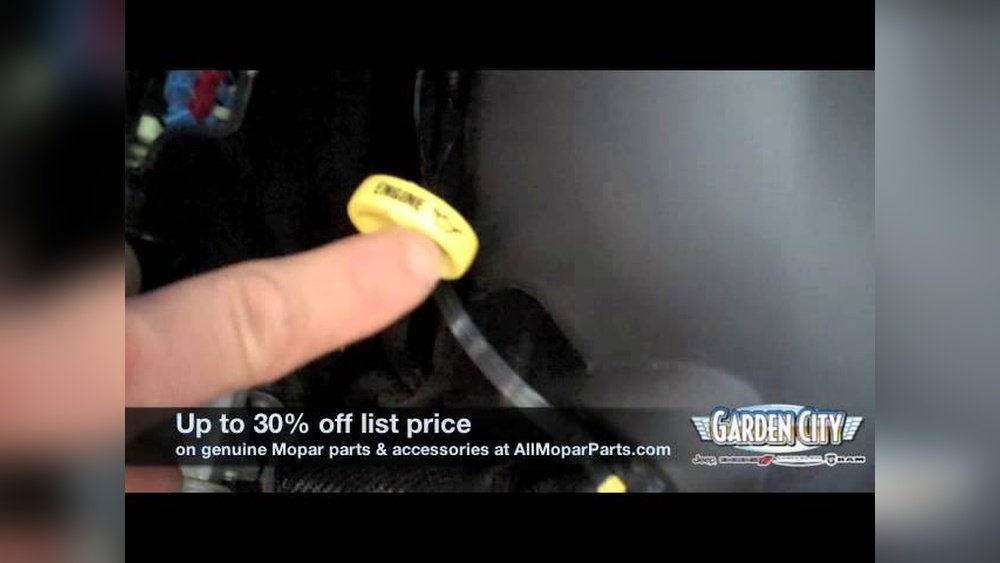
Some newer Grand Cherokees use an electronic oil monitor—check your owner’s manual. Most still have a traditional dipstick, and this is the method we’ll focus on. If you’re unsure, the dipstick usually has a yellow or orange handle marked “ENGINE OIL.”
Common Mistakes To Avoid
- Checking oil on a slope—this skews results.
- Measuring right after turning off the engine—oil hasn’t settled.
- Using a dirty rag—contamination can affect your reading.
Step-by-step: Checking Oil Level
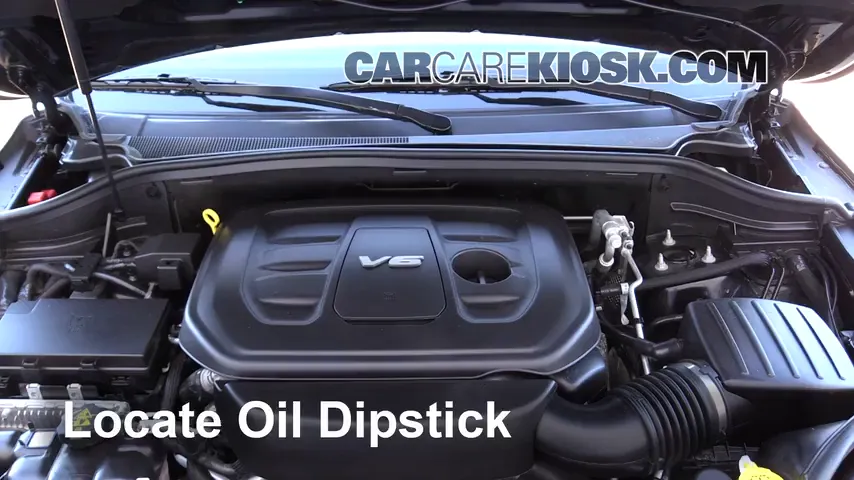
- Open the Hood: Pull the hood release lever, usually near the driver’s footwell. Secure the hood with the prop rod if needed.
- Locate the Dipstick: Look for a colored handle labeled “ENGINE OIL.” Pull it out gently.
- Wipe the Dipstick: Use your rag to clean oil off the dipstick. This gives you a fresh start for an accurate reading.
- Insert the Dipstick: Slide it back fully into the tube, then pull it out again.
- Read the Level: Look at the tip. There are markings—often “MIN” and “MAX,” two dots, or crosshatch areas.
- Check the Color and Texture: Oil should be amber or light brown. Gritty, dark, or milky oil may signal a problem.
- Refit the Dipstick: Once finished, push it back fully.
Example Reading
If the oil level is between the two marks, it’s safe. If it’s at or below the “MIN” line, add oil soon.
What To Do If Oil Is Low
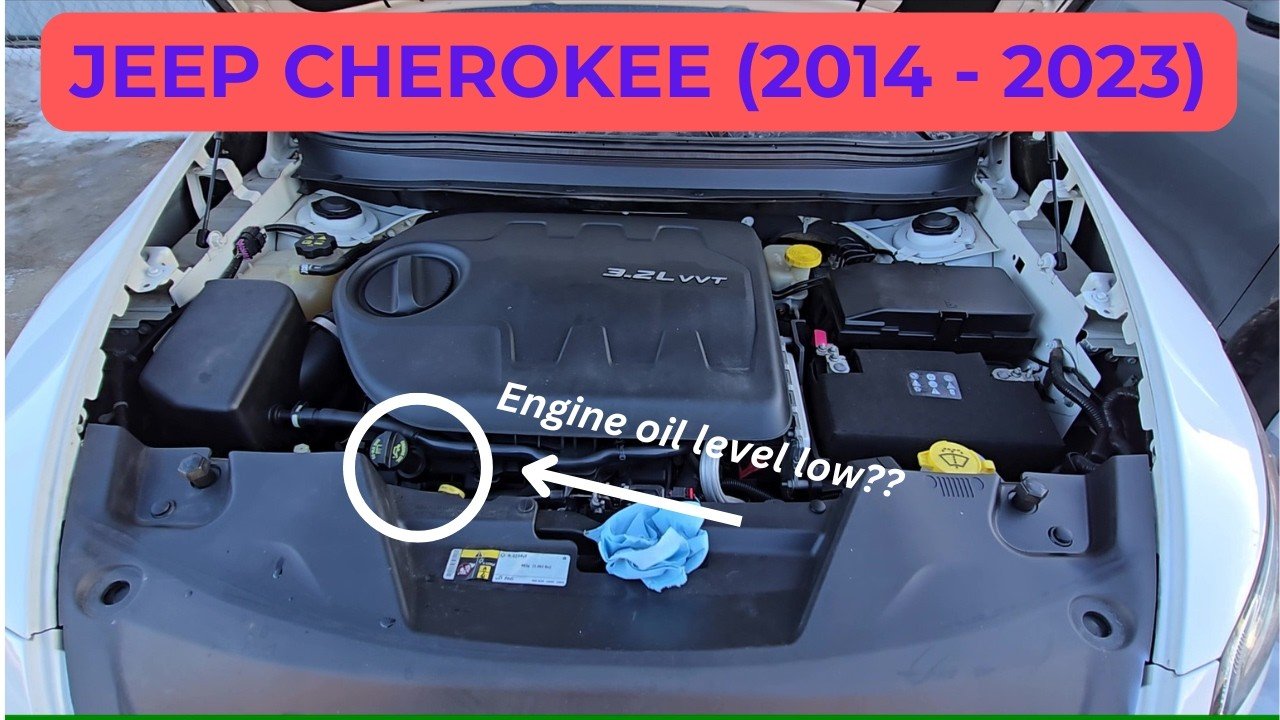
If you notice the oil is below the safe range, add the correct oil type. Check your owner’s manual for the right viscosity (like 5W-20 or 0W-20). Open the oil fill cap (not the dipstick tube!), add a little oil, wait a minute, and recheck.
Oil Types For Grand Cherokee Engines
Here is a quick comparison of oil types for recent Jeep Grand Cherokee engines:
| Engine | Recommended Oil | Typical Capacity (quarts) |
|---|---|---|
| 3.6L V6 | 5W-20 Synthetic | 6.0 |
| 5.7L V8 | 5W-20 Synthetic | 7.0 |
| 6.4L SRT V8 | 0W-40 Synthetic | 7.0 |
Never mix oil types. Always pour slowly and avoid overfilling.
Too much oil can be just as harmful as too little.
How Often Should You Check Oil?
It’s smart to check your oil every month or every 1,000 miles, whichever comes first. If you do a lot of towing, drive in hot climates, or see leaks or burning smells, check more often.
Here’s how oil change intervals typically compare:
| Driving Condition | Oil Check Frequency | Oil Change Interval |
|---|---|---|
| Normal | Monthly | 6,000 miles |
| Severe (towing, dusty, extreme temps) | Bi-weekly | 3,000-5,000 miles |
Signs You May Have An Oil Problem
Watch for the oil pressure warning light on your dashboard—it looks like an old-fashioned oil can. If you hear knocking sounds, see blue smoke from the exhaust, or find oil spots under your car, check your oil immediately.
Non-obvious tip: If you’re losing oil but don’t see leaks, your engine might be burning oil internally—a mechanic should inspect this soon.
Understanding Electronic Oil Level Sensors
Some newer Grand Cherokee models (especially after 2018) use a digital oil monitor instead of a dipstick. Check your dashboard menu (often under “Vehicle Info” or “Oil Life”).
These sensors are usually accurate but can fail checking physically is always wise if you suspect something is wrong.
Comparing Physical Dipstick Vs. Electronic Sensor
| Method | Accuracy | Ease of Use | Failure Risk |
|---|---|---|---|
| Dipstick | High | Simple | Low |
| Electronic Sensor | High (when working) | Very Easy | Medium |
If your sensor ever gives a warning, check with the dipstick if possible, or visit a service center.
When To Seek Professional Help
If you find thick sludge, milky oil (which can mean coolant is mixing with oil), or oil that smells burnt, don’t just add more—these can be signs of serious engine trouble. Also, if you keep adding oil but levels drop quickly, have a professional check for leaks or other issues.

Final Tips For Jeep Grand Cherokee Owners
- Always use the oil grade recommended for your engine type.
- Keep extra oil in your trunk for emergencies.
- Record your oil checks in a notebook or phone.
- Clean any spilled oil from the engine to avoid smoke or smells.
Taking five minutes to check your oil can save you thousands in repairs and keep your Grand Cherokee running smoothly for years.
Frequently Asked Questions
How Do I Know Which Oil Type To Use For My Jeep Grand Cherokee?
Check your owner’s manual or the oil cap. Common types are 5W-20 for V6 and V8 engines, and 0W-40 for performance models. Always use the recommended oil for your engine.
Can I Check The Oil Level When The Engine Is Hot?
It’s best to wait at least 10 minutes after turning off the engine. Hot oil can give a false reading and may burn your skin.
What If The Oil Looks Milky Or Foamy?
Milky oil often means coolant is leaking into the engine, which is a serious problem. Get your Jeep checked by a mechanic as soon as possible.
How Much Oil Should I Add If The Level Is Low?
Add oil in small amounts—about half a quart at a time. Wait a minute, then recheck the level. Overfilling can cause damage.
Where Can I Find Official Maintenance Schedules For My Jeep Grand Cherokee?
You can find detailed schedules and service guides at the official Jeep Owners Site.
Regular oil checks are a simple habit that protects your investment. With these steps, you’ll keep your Jeep Grand Cherokee’s engine healthy and ready for every adventure.