Checking the transmission fluid in your Jeep Cherokee is a simple but important task. Good transmission fluid keeps your gears shifting smoothly, protects the transmission, and helps your vehicle run well for years. Yet, many owners skip this check because they think it’s too technical or only for mechanics. The truth is, you can do it yourself in just a few minutes with basic tools and knowledge. This guide will walk you through the steps, explain what to look for, and help you avoid common mistakes.
Why Transmission Fluid Matters
The transmission fluid in your Jeep Cherokee acts as a lubricant and coolant for the transmission system. Without enough clean fluid, your transmission can overheat, shift roughly, or even fail. Problems like slipping gears and loud noises often start with bad or low fluid. Checking it regularly can save you thousands in repair costs.
Before You Start: Gather Tools And Safety Tips
You don’t need many tools for this job, but having the right ones makes the process easier and cleaner.
- Clean rag or paper towel
- Funnel (for topping up, if needed)
- Gloves (optional, but keeps hands clean)
- Flat, level parking spot
Make sure your Jeep is parked on a flat surface. Set the parking brake and let the engine run for a few minutes to warm up the fluid.
Never check the fluid with the engine cold, as this gives inaccurate readings.
Understanding Transmission Types In Jeep Cherokee
Before checking, you should know which transmission type your Cherokee has. Over the years, Jeep used different transmissions in the Cherokee. Some have a traditional dipstick, while newer models have a sealed transmission system.
Here’s a quick comparison:
| Model Year | Transmission Type | Dipstick Present? |
|---|---|---|
| 1990–2013 | Automatic (Traditional) | Yes |
| 2014–2023 | 9-Speed Automatic (ZF) | No (Sealed) |
Non-obvious insight: If your Cherokee does not have a dipstick, you should not open the transmission fill plug yourself. These sealed systems require special tools and fluid levels must be checked by a technician at the correct temperature.
Step-by-step: How To Check Jeep Cherokee Transmission Fluid
1. Locate The Dipstick
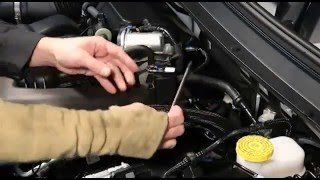
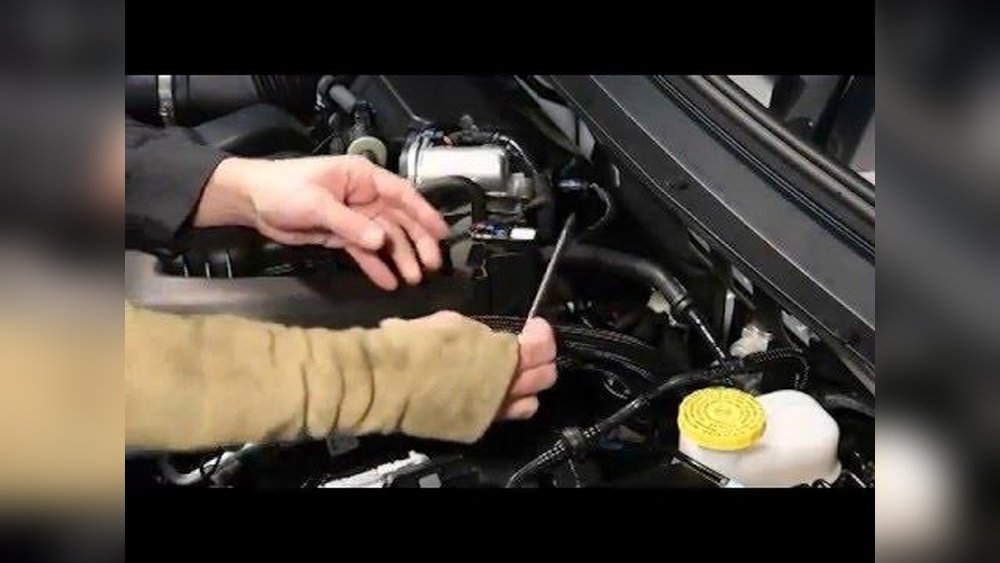
Most Jeep Cherokees with a traditional automatic transmission have a transmission dipstick near the back of the engine, often labeled or with a colored handle (not to be confused with the oil dipstick). If you’re unsure, your owner’s manual will show the exact location.
2. Warm Up The Engine
Start the engine and let it idle for about 5 10 minutes. Move the shifter through all gears (PRNDL), pausing briefly in each, then leave it in Park.
This circulates the fluid and gives an accurate level.
3. Pull The Dipstick And Inspect
With the engine running, pull out the transmission dipstick. Wipe it clean with a rag, then reinsert it fully.
Pull it out again and check the fluid level against the markings (“Full,” “Add,” or similar) on the dipstick.
| Fluid Level | What It Means | Action Needed |
|---|---|---|
| At or near “Full” | Fluid level is correct | No action needed |
| Below “Add” | Fluid is low | Add correct type of fluid |
| Above “Full” | Overfilled | Drain excess (see mechanic) |
Practical tip: Always check the level twice. The first reading can be inaccurate because fluid splashes inside the tube.
4. Check Fluid Color And Smell
Healthy transmission fluid is red or pink and smells slightly sweet. If it’s brown, dark, or smells burnt, it’s time for a change. Dirty or burnt fluid can mean internal wear.
5. Top Up If Needed
If the fluid is low, add the recommended type—usually ATF+4 for most Cherokees—using a funnel. Pour slowly and re-check the level to avoid overfilling. Too much fluid can cause foaming and shifting problems.
Non-obvious insight: Never mix different fluid types. Even a small amount of the wrong fluid can cause shifting issues or transmission damage.

What If My Cherokee Has A Sealed Transmission?
Many newer Cherokees (especially 2014 and up) have sealed transmissions with no dipstick. Checking or adding fluid requires special tools and should only be done by a professional. Trying to open it yourself can cause leaks or void warranties.
Signs Of Low Or Bad Transmission Fluid
- Hard or delayed shifting
- Slipping gears
- Grinding noises
- Transmission overheating warning
If you notice these, check the fluid as soon as possible or visit a mechanic. Early action can prevent bigger problems.
How Often Should You Check Transmission Fluid?
For older Cherokees (with a dipstick), check the fluid every 3,000–5,000 miles or at every oil change. For newer, sealed models, follow the manufacturer’s schedule—usually every 60,000 miles. If you tow heavy loads or drive in hot conditions, check more often.
Mistakes To Avoid
- Checking fluid when the engine is cold
- Using the wrong fluid type
- Overfilling the transmission
- Ignoring burnt or dirty fluid
A small mistake can lead to expensive repairs, so follow each step carefully.
Jeep Cherokee Transmission Fluid Types
Always use the fluid recommended for your model year. Here’s a quick reference:
| Model Year | Recommended Fluid |
|---|---|
| 1990–2013 | ATF+4 |
| 2014–2023 | Mopar ZF 8&9 Speed ATF |
For more details, you can check the Jeep official maintenance guide.
Frequently Asked Questions
How Do I Know If My Cherokee Has A Sealed Transmission?
Most Cherokees from 2014 and newer have sealed transmissions. If you can’t find a dipstick under the hood, it’s likely sealed. Check your owner’s manual for confirmation.
Can I Use Any Transmission Fluid In My Jeep Cherokee?
No. Always use the recommended fluid type for your model year.
Using the wrong fluid can damage the transmission.
How Much Transmission Fluid Does A Jeep Cherokee Need?
It depends on the year and model. Most 1990 2013 Cherokees take about 4 5 quarts during a drain and fill.
Newer models may require more or less. Check your manual for exact capacity.
What Color Should The Transmission Fluid Be?
Fresh transmission fluid is usually bright red or pink. Dark brown or black fluid is a sign it needs to be changed.
Can I Check Transmission Fluid Without Starting The Engine?
No. For accurate results, the engine must be running and at normal operating temperature.
This ensures the fluid is circulating and at the right level.
Maintaining your Jeep Cherokee’s transmission fluid is simple but vital. A few minutes of care can keep your transmission healthy and your vehicle running smoothly for years.
If you’re ever unsure, don’t hesitate to consult your mechanic or the dealership.