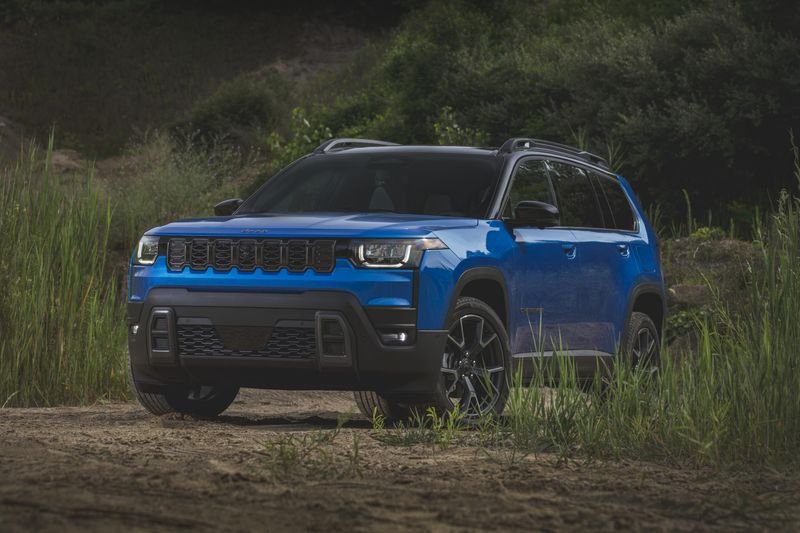
If you drive a Jeep, you know how important the differential lock is, especially when you leave paved roads. This feature helps your vehicle handle tough terrain by ensuring both wheels on an axle spin at the same speed. But how do you check if your Jeep’s differential lock is working? Many drivers overlook this until they get stuck in mud or snow. Learning to check your differential lock can save you trouble and boost your off-road confidence.
What Is A Differential Lock And Why Does It Matter?
The differential lock—often called a “diff lock”—is a system that forces both wheels on an axle to rotate together. Normally, when you turn a corner, your inside and outside wheels spin at different speeds. This is great on dry roads. But off-road, if one wheel loses grip, a standard differential sends all power to that wheel, leaving you stuck.
A locked differential fixes this by sharing torque equally. This is crucial for rock crawling, deep sand, or icy roads. Not all Jeeps have a diff lock, so check your model.
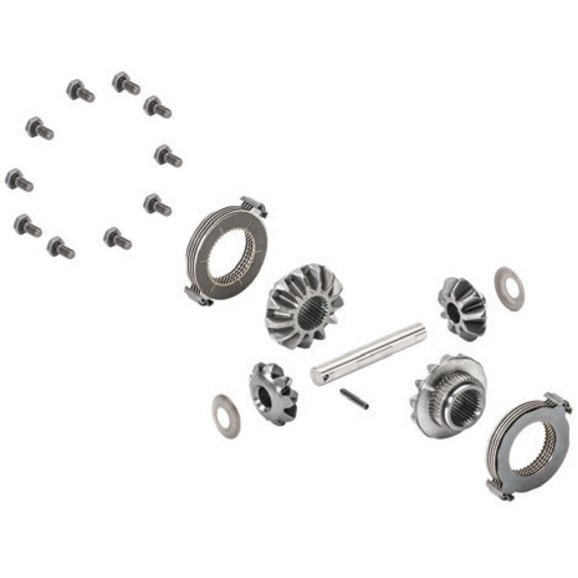
Types Of Differential Locks In Jeep Vehicles
- Manual Lockers: You activate them with a lever or switch. Common in Jeep Rubicon models.
- Automatic Lockers: They lock automatically when needed.
- Limited-Slip Differentials: Not true lockers, but they help prevent wheel spin.
Understanding your Jeep’s system is the first step before testing it.
Preparing To Check Your Jeep’s Differential Lock
Safety comes first. Testing your diff lock should be done in a safe, open area never on public roads.
What you need:
- Flat, open space (gravel or dirt is best)
- Owner’s manual for your Jeep
- Wheel chocks (optional but helpful)
- A friend to observe wheel movement
Never test a differential lock on dry pavement. This can damage your drivetrain.
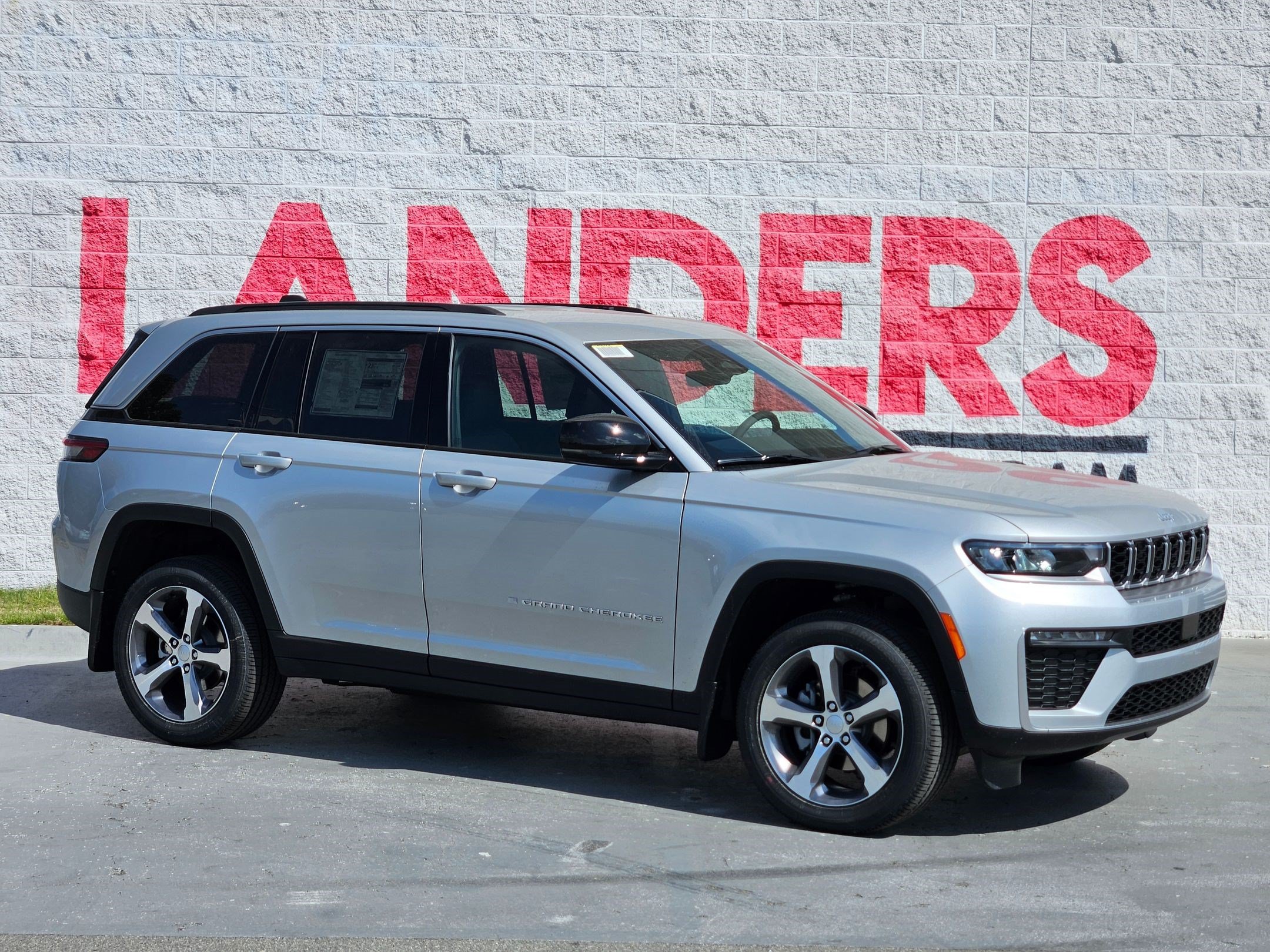
Step-by-step: How To Check Jeep Car Differential Lock
1. Park Safely And Engage Parking Brake
Make sure the Jeep is on level ground. Set the parking brake and put the transmission in neutral.
2. Locate The Differential Lock Controls
Most newer Jeeps like the Wrangler Rubicon have a dash switch or lever. Older models may have a manual lever near the gear shifter.
3. Start The Engine
Many electronic differential locks only work with the engine running. Keep your foot on the brake for safety.
4. Engage Four-wheel Drive (if Needed)
Some differential locks only function in low-range four-wheel drive (4L). Shift into 4L according to your manual.
5. Activate The Differential Lock
Press the switch or pull the lever. Look for a dashboard indicator light.
It usually blinks, then stays solid when the lock is engaged.
- Check for Engagement
- With the Jeep in gear (very low speed), turn the steering wheel slowly and try to drive in a tight circle.
- Listen for tire scrubbing or hopping. This is normal and means the lock is working.
- Have your friend watch both wheels on the same axle. If both spin at the same speed, the differential lock is working.
- Test Wheel Lift (Advanced)
For a stronger check, jack up one wheel on the locked axle (only if you know safe jacking). With the lock engaged, the raised wheel should not spin freely.
8. Disengage The Lock
Turn off the differential lock and check that the indicator light goes out. Drive a short distance to ensure normal steering returns.
Here’s a simple comparison of how an open differential and a locked differential behave:
| Situation | Open Differential | Locked Differential |
|---|---|---|
| One wheel loses grip | Spins freely, Jeep gets stuck | Both wheels turn, Jeep moves forward |
| Turning on pavement | Wheels turn at different speeds | May cause tire scrubbing, hard to steer |
Signs Of Differential Lock Problems
If your diff lock is not working, you might notice:
- Indicator light blinks but never stays solid
- Clicking or grinding noises from the axle
- Only one wheel spins when you test
- Jeep struggles in low-traction situations
Here are common causes of failure:
| Problem | Possible Cause | Solution |
|---|---|---|
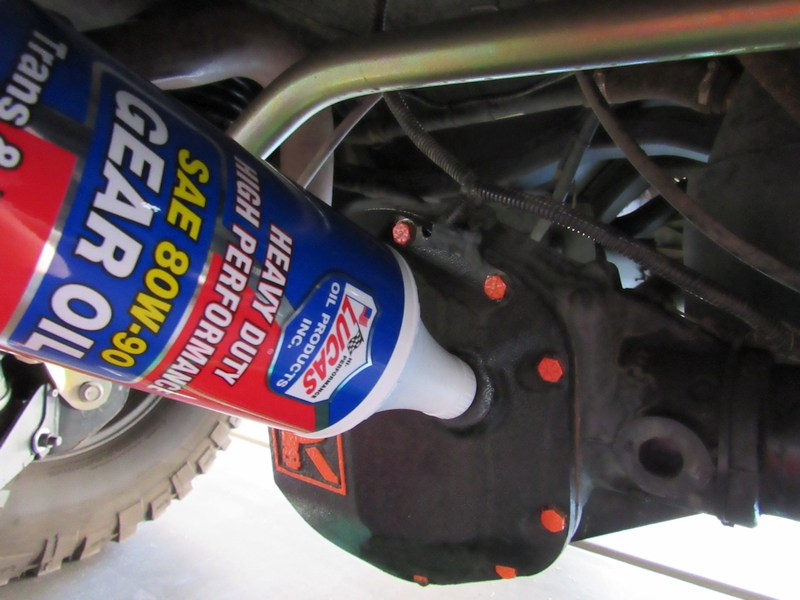
| Lock won’t engage | Low differential oil | Check and refill oil |
| No indicator light | Electrical issue | Check fuses, wiring |
| Noise from axle | Worn gears | Consult a mechanic |
Tips For Reliable Differential Lock Testing
- Only test on loose surfaces like dirt or gravel.
- Do not force the lock to engage; some locks take a moment.
- Always disengage after testing to prevent drivetrain stress.
- If in doubt, ask a Jeep mechanic to check for you.
Non-obvious insight: After heavy use, especially in water or mud, check your differential oil. Contaminated oil can cause the lock to fail. Also, if your Jeep has a factory warranty, avoid aggressive tests that could void coverage.
When To Seek Professional Help
If your differential lock still does not work after testing, do not ignore the issue. Internal differential repairs are complex and require special tools.
Continuing to drive with a faulty lock can damage other parts, costing you more in the long run.
Visit a certified Jeep service center for diagnosis.
For more details about Jeep differentials, see the official Jeep website.
Frequently Asked Questions
How Do I Know If My Jeep Has A Factory Differential Lock?
Check your owner’s manual or look for a lock switch near the shifter or on the dash. Most Rubicon models come standard, while other trims may have it as an option.
Can I Test The Differential Lock Alone?
Yes, but having someone watch the wheels helps. Use mirrors or a phone to record if you are alone.
Is It Safe To Test The Lock On Pavement?
No. Testing on dry pavement can damage your drivetrain due to the extra stress.
What If The Indicator Light Flashes But The Lock Does Not Engage?
This could mean low oil, electrical faults, or actuator problems. Have your Jeep checked by a mechanic.
Can I Retrofit A Differential Lock To My Jeep?
Yes, but it is expensive and requires professional installation. Make sure the parts are compatible with your model.
Learning how to check your Jeep car differential lock keeps your adventures worry-free. Regular checks make sure you get the traction you need when the road gets tough. Take care of your Jeep, and it will take care of you—no matter where the trail leads.