If you own a Jeep Grand Cherokee, checking your brake fluid is one of the simplest ways to keep your SUV safe and reliable. Many drivers ignore brake fluid, but this small task can prevent expensive repairs and accidents.
Whether you’re new to car maintenance or just unsure about your Jeep, learning how to check brake fluid is quick and easy. This guide will show you step-by-step, with tips and real examples, so you can do it confidently at home.
Why Brake Fluid Matters For Your Grand Cherokee
Brake fluid is a hydraulic fluid that connects your foot on the pedal to the brakes themselves. When you press the pedal, the fluid transfers force to the brake pads, helping your Jeep stop smoothly.
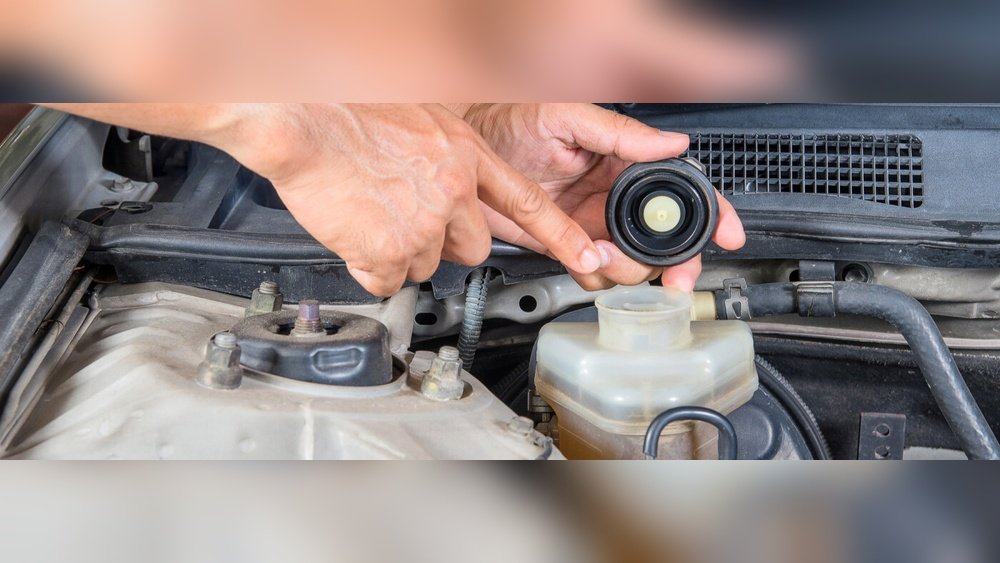
If the fluid is low or dirty, your brakes may feel soft, slow, or even fail.
Most brake fluid should be clear or light yellow, but it turns dark as it ages or absorbs moisture.
Grand Cherokee models, especially those from 2011 onward, rely heavily on electronic brake systems. These systems need clean, full fluid to function properly. According to the National Highway Traffic Safety Administration, brake failure causes thousands of accidents annually—often due to neglected fluid.
Tools And Supplies You Need
Before you start, gather these items:
- Clean rag or paper towel
- Flashlight (optional, for better visibility)
- Gloves (recommended for safety)
- Owner’s manual (for reference)
- Correct brake fluid (DOT 3 or DOT 4 for most Grand Cherokees)
Never use the wrong fluid mixing types can cause damage. Check your manual or the reservoir cap for the correct type.
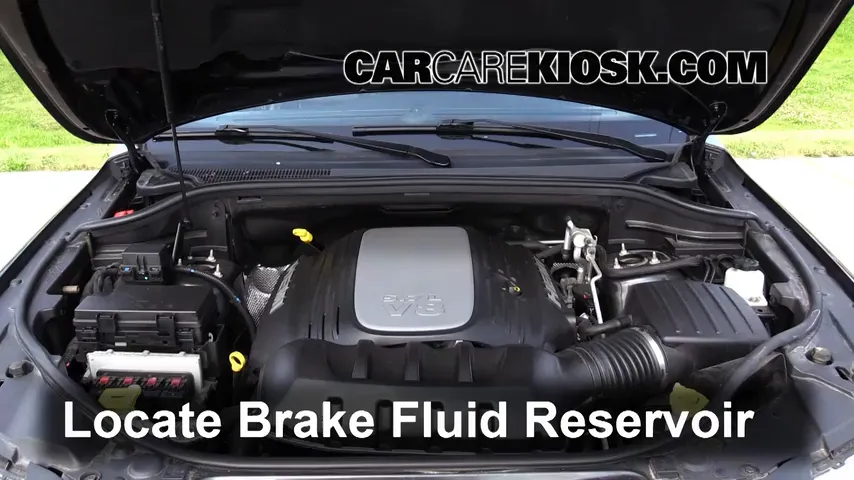
Locating The Brake Fluid Reservoir
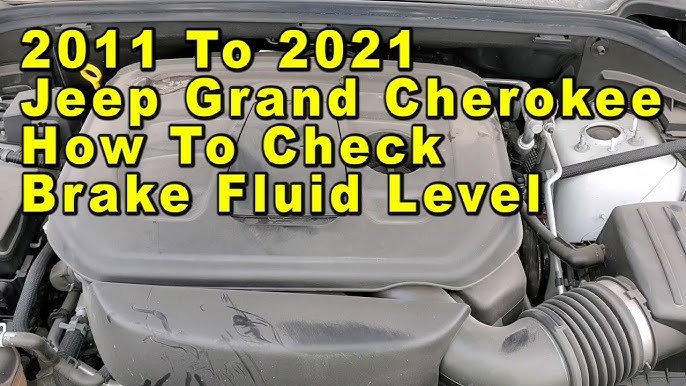
Finding the reservoir is simple. Open your hood and look for a small, plastic container near the driver’s side firewall. It’s usually labeled brake fluid and has a cap with warnings. Here’s a quick comparison of reservoir locations by model year:
| Model Year | Reservoir Location | Cap Label |
|---|---|---|
| 2011-2021 | Driver’s side, near firewall | “Brake Fluid” |
| 2005-2010 | Driver’s side, close to battery | “Brake Fluid Only” |
| 1999-2004 | Passenger side, behind air filter | “Use Only DOT 3” |
If you’re unsure, check your manual for a diagram.
Step-by-step: How To Check Brake Fluid
1. Park Safely
Make sure your Grand Cherokee is on level ground. Turn off the engine and let it cool for a few minutes.
2. Open The Hood
Pull the hood release inside the cabin, then lift the hood and secure it.
3. Find The Reservoir
Locate the brake fluid reservoir as described above.
4. Check Fluid Level
Most reservoirs have “MIN” and “MAX” lines on the side. The fluid should be between these marks.
Use a flashlight if the markings are hard to see.
5. Inspect Fluid Color
The fluid should look clear to light yellow. If it’s brown or black, it needs to be changed.
6. Clean Around The Cap
Wipe away any dirt before opening to prevent contamination.
7. Open The Cap (if Necessary)
If the reservoir is dirty or hard to see, gently remove the cap. Never leave it open for long moisture can damage brake fluid.
8. Top Up (if Needed)
If the fluid is below “MIN,” add the correct type until it reaches “MAX. ” Don’t overfill.
9. Close Everything
Secure the cap and close the hood.
Here’s a quick table showing normal vs abnormal brake fluid signs:
| Fluid Appearance | Action Needed |
|---|---|
| Clear/light yellow | No action |
| Brown/dark | Replace fluid |
| Below MIN line | Top up fluid |
| Cloudy/milky | Professional check |
Common Mistakes To Avoid
Many first-time Jeep owners make these errors:
- Using the wrong fluid type
DOT 3 and DOT 4 are not interchangeable. Always check the cap or manual.
- Ignoring dirty fluid
Old fluid can damage expensive parts. Change it every 2 years or as recommended.
- Overfilling
Too much fluid can cause leaks and brake failure.
- Letting moisture in
Never leave the cap open for more than a minute.
- Checking after driving
Hot fluid expands wait for your Jeep to cool.
When Should You Change Brake Fluid?
Most experts recommend changing brake fluid every 30,000 miles or 2 years. However, harsh driving, towing, or mountain roads may require more frequent checks. Signs you need a change include:
- Spongy brake pedal
- Reduced stopping power
- Warning lights on dashboard
Here’s a comparison of change intervals by driving condition:
| Driving Condition | Change Interval |
|---|---|
| Normal city/highway | 2 years/30,000 miles |
| Heavy towing/off-road | Every year/15,000 miles |
| Mountain driving | Every year/15,000 miles |
Practical Tips For Jeep Owners
- Always check fluid level after long trips or before towing.
- If you see fluid below “MIN,” check for leaks under the vehicle.
- Keeping a spare bottle of brake fluid in your trunk can be helpful, especially in remote areas.
- If you’re unsure about changing brake fluid, get help from a certified mechanic.
A non-obvious tip: If you notice your fluid level drops quickly, it could signal a hidden leak in the brake lines—a problem that needs urgent attention.
Another insight: Even if your fluid looks clean, moisture can build up inside over time, reducing braking performance. Using a brake fluid tester (available at auto stores) gives you extra peace of mind.
For detailed maintenance schedules, you can check the official Jeep guide at Jeep.com.
Frequently Asked Questions
How Often Should I Check Brake Fluid In My Grand Cherokee?
You should check brake fluid every 3 months or before any long trip. Regular checks help prevent brake failure.
What Type Of Brake Fluid Does A Grand Cherokee Use?
Most Grand Cherokees use DOT 3 or DOT 4 brake fluid. Always confirm with your owner’s manual or reservoir cap.
Can I Drive If My Brake Fluid Is Low?
It’s unsafe to drive with low brake fluid. You risk brake failure. Top up immediately and check for leaks.
What Happens If I Use The Wrong Brake Fluid?
Using the wrong fluid can damage brake components and void your warranty. Only use the recommended type.
How Do I Know If My Brake Fluid Needs Changing?
If your fluid is dark, cloudy, or below MIN, or your brakes feel soft, it’s time to change the fluid or visit a mechanic.
Checking your Jeep Grand Cherokee’s brake fluid is fast, simple, and vital for safety. With these steps and tips, you can keep your brakes strong and avoid costly surprises.
A few minutes every few months can make all the difference for your SUV’s performance and your peace of mind.