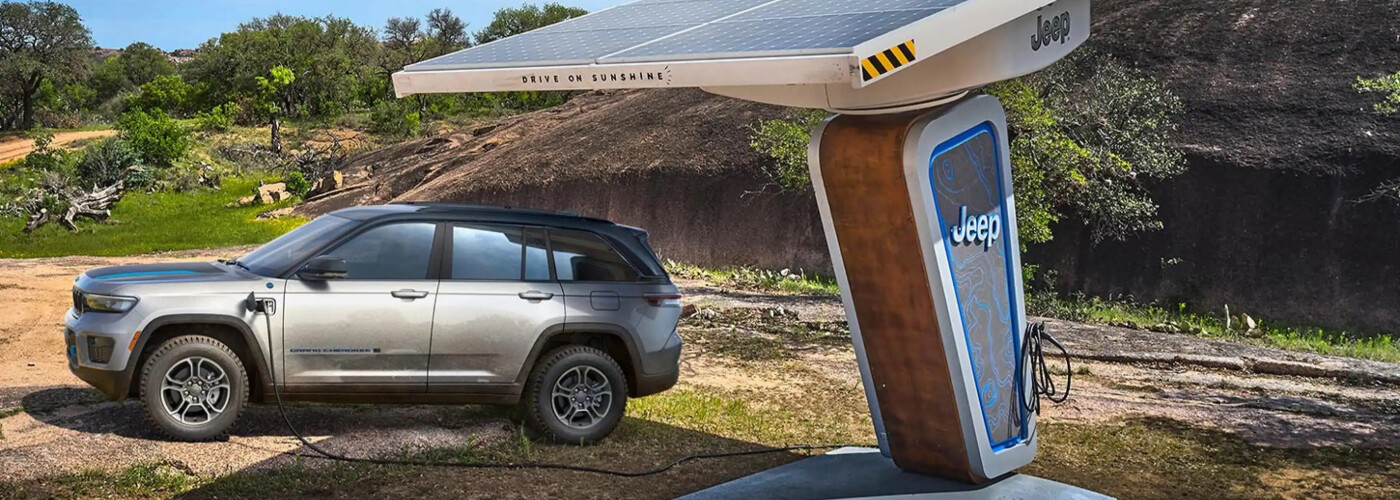
Charging your Jeep is easier than ever today, whether you own a plug-in hybrid, a fully electric model, or simply need to recharge your battery after it dies.
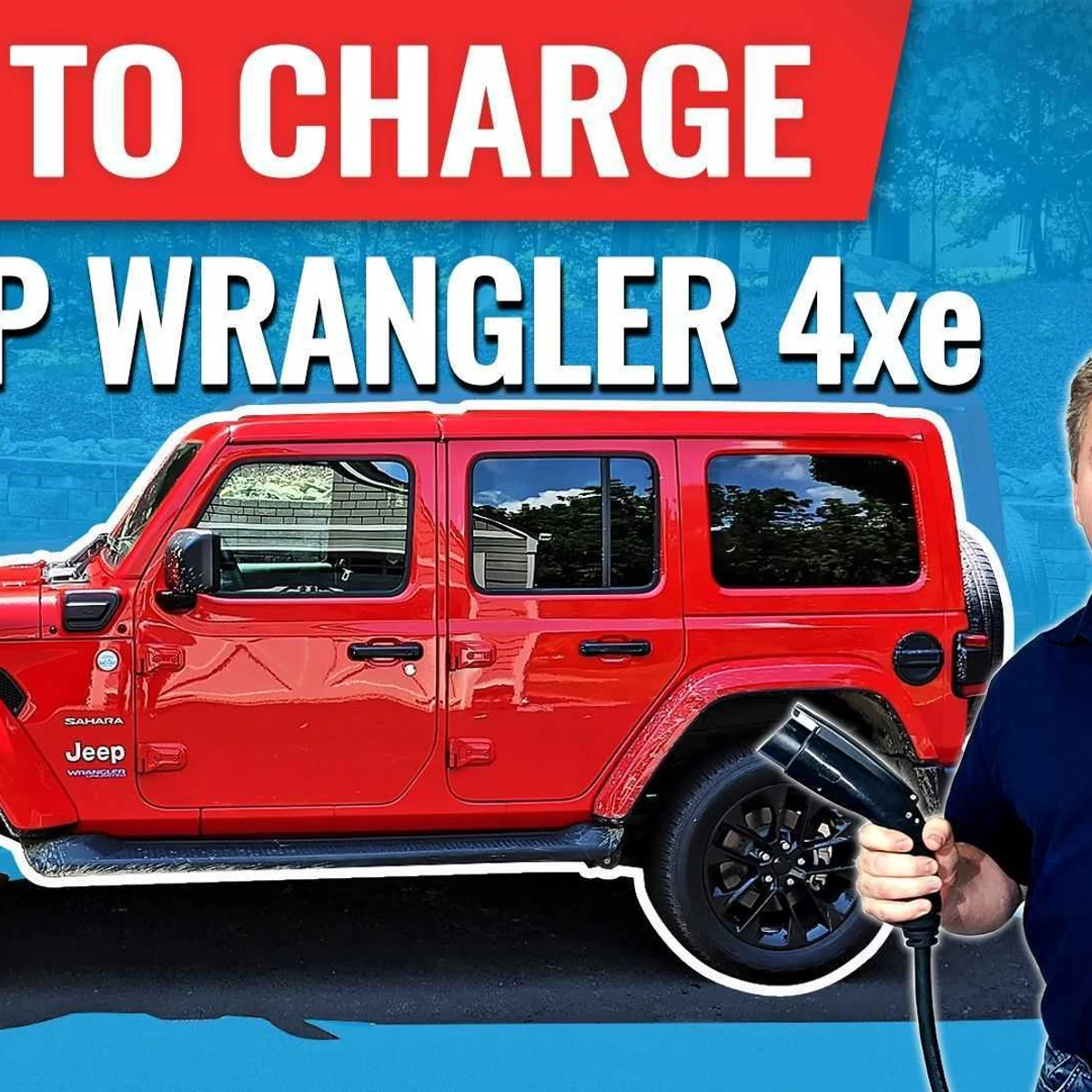
Many drivers are new to this process, especially with the recent growth in electric vehicles (EVs) like the Jeep Wrangler 4xe and the Grand Cherokee 4xe. Understanding how to charge your Jeep safely and efficiently can save you time, money, and frustration.
This guide will walk you through the main charging methods for modern Jeeps, what equipment you need, how long it takes, and tips to get the best battery life.
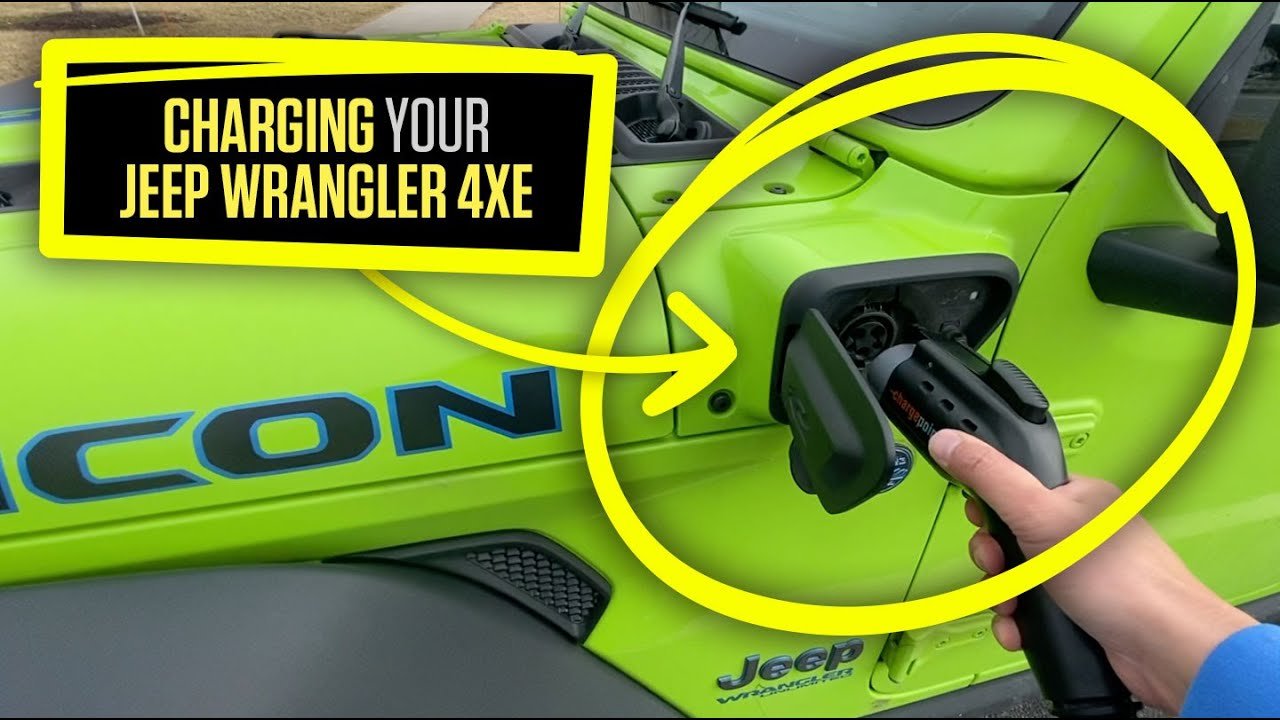
If you’re just switching to an electric or plug-in Jeep, or want to ensure your battery is always ready, you’re in the right place.
Understanding Your Jeep’s Charging Needs
The way you charge your Jeep depends on the model:
- Gasoline Jeeps: Use a standard 12-volt battery. Charging is rare unless the battery is dead.
- Plug-in Hybrid Jeeps (PHEV): For example, the Wrangler 4xe. Uses both gasoline and electricity.
- Fully Electric Jeeps: Such as the upcoming Jeep Recon EV.
Always check your owner’s manual to confirm your Jeep’s charging type and port.
Main Ways To Charge A Jeep
Home Charging
Most Jeep owners charge at home. You have two main options:
- Level 1 Charging (120V Outlet)
- Uses a regular household outlet.
- No special installation needed.
- Adds about 2-5 miles of range per hour.
- Best for overnight charging or when you drive short distances.
- Level 2 Charging (240V Outlet)
- Requires a dedicated charging station.
- Can be installed by a licensed electrician.
- Adds about 10-25 miles of range per hour.
- Charges a Jeep Wrangler 4xe’s battery from empty to full in about 2 hours.
- More expensive to install, but faster and more convenient.
Here’s how Level 1 compares to Level 2 charging at home:
| Charging Level | Voltage | Range Added (per hour) | Full Charge Time (Wrangler 4xe) |
|---|---|---|---|
| Level 1 | 120V | 2-5 miles | ~12 hours |
| Level 2 | 240V | 10-25 miles | ~2 hours |
Public Charging Stations
Public stations are found at malls, parking garages, and along highways. There are two types:
- Level 2 Chargers: Same as home, but often faster due to higher power.
- DC Fast Chargers: Not all Jeeps support these yet, but future EVs will. They can add 60+ miles of range in 20 minutes.
To use these stations, you may need an app, RFID card, or credit card. Many charging networks exist, like ChargePoint and EVgo.
Some public chargers are free, but most charge by the hour or kilowatt-hour (kWh).
Jump-starting A Dead Jeep Battery
For gasoline Jeeps, or if your PHEV’s 12V battery dies, you might need to jump-start:
- Connect the positive clamp to the dead battery’s positive terminal.
- Attach the other positive clamp to the booster car’s positive terminal.
- Connect the negative clamp to the booster car’s negative terminal.
- Attach the final negative clamp to a metal ground (not the dead battery).
- Start the booster car, then the Jeep.
Never try to jump-start the high-voltage battery in a plug-in or electric Jeep. Always follow the manual.
Charging Equipment You’ll Need
- Charging cable: Most Jeeps come with a Level 1 cable.
- Level 2 home charger: Brands like ChargePoint or JuiceBox are popular.
- Adapters: Some public chargers may need adapters, depending on your Jeep.
- Smartphone apps: To find stations and monitor charging.
Here’s a quick comparison of common charging equipment:
| Equipment | Cost | Speed | Best For |
|---|---|---|---|
| Level 1 Cable | Usually included | Slow | Home, emergencies |
| Level 2 Station | $400-$800 + install | Fast | Daily home charging |
| Public Charger | Varies (often $0.20-$0.40/kWh) | Fast (Level 2/DC) | On the road |
Tips For Faster And Safer Charging
- Charge overnight: Electricity rates are often lower, and your Jeep is ready in the morning.
- Keep the battery between 20%-80%: This helps extend battery life for plug-in and electric models.
- Don’t use extension cords: Can overheat and create fire risks.
- Check for software updates: Jeep sometimes improves charging speed and battery health via updates.
- Monitor charging with your phone: Many Jeeps have apps to track progress and set charging times.
A less obvious tip: In very hot or cold weather, pre-condition your Jeep (heat or cool the cabin while plugged in). This uses power from the charger, not the battery, giving you more driving range.
What Affects Charging Speed?
Several factors can slow down or speed up the process:
- Battery size: Larger batteries take longer to fill.
- Charger power: Higher kW chargers are faster.
- State of charge: Charging slows as you approach 100%.
- Temperature: Very hot or cold batteries charge more slowly.
- Vehicle software: Some Jeeps limit charging speed to protect the battery.
Many new Jeep owners don’t realize that using climate control while charging can reduce charging speed. Try to keep doors closed and avoid turning on heated seats or fans during charging.
Cost Of Charging A Jeep
Charging is usually cheaper than gasoline, especially at home. For example:
- Wrangler 4xe: Full charge at home costs about $2 (assuming $0.13/kWh and 15 kWh battery).
- Public charging: May cost $5-$10 for a full charge.
Charging at home is the most cost-effective, but public chargers offer convenience for road trips.
Common Mistakes To Avoid
- Waiting until the battery is empty before charging. Plug in whenever you can.
- Ignoring the weather: Extreme cold or heat affects range and charging time.
- Forgetting to check charging station compatibility.
- Not updating your Jeep’s software, missing out on new features.
Frequently Asked Questions
How Long Does It Take To Charge A Jeep Wrangler 4xe At Home?
With a Level 1 charger, it takes about 12 hours. A Level 2 charger cuts this to around 2 hours.
Can I Use Any Public Charger For My Jeep?
Most plug-in Jeeps use the common J1772 connector. Always check the station’s plug type and your vehicle’s compatibility.
Is It Safe To Leave My Jeep Plugged In Overnight?
Yes, modern Jeeps have safety systems to prevent overcharging. Overnight charging is common and safe.
Does Frequent Charging Damage The Battery?
No, but keeping the battery always at 100% or 0% can reduce its lifespan. Aim to keep it between 20%-80% for best results.
Where Can I Find More Information About Jeep Ev Charging?
Visit the official Jeep Electric Vehicle page for details and updates on compatible chargers and features.
Charging your Jeep is not complicated, but understanding your options can make a big difference. With the right charger, good habits, and a bit of planning, you can keep your Jeep ready for all your adventures whether on the road or off the beaten path.