If your Jeep won’t start, the first thing many owners check is the battery. Learning how to charge a Jeep battery safely can save you time, money, and stress especially if you’re far from help.
This guide explains the right steps, mistakes to avoid, and how to keep your battery healthy for longer life.
Understanding Your Jeep Battery
Your Jeep uses a 12-volt lead-acid battery like most modern vehicles. This battery starts the engine and powers electronics when the engine is off. Standard batteries last around 3–5 years, but off-roading, extreme heat, or short trips can shorten this time.
Here’s a simple look at typical Jeep batteries:
| Type | Lifespan | Maintenance |
|---|---|---|
| Flooded Lead-Acid | 3–5 years | Check water level |
| AGM (Absorbed Glass Mat) | 4–7 years | Maintenance-free |
Many newer Jeeps use AGM batteries for better durability and less maintenance.
Tools And Safety Precautions
Before charging your battery, gather these items:
- Battery charger (smart chargers are safest)
- Safety goggles and gloves
- Wire brush (for cleaning terminals)
- Wrenches (if removing battery)
Safety is critical. Battery acid can burn skin and eyes. Sparks near batteries can cause explosions. Always work in a ventilated area, and never smoke near a charging battery.
How To Charge Your Jeep Battery: Step-by-step
Follow these steps for safe, effective charging:
1. Turn Off Everything
Ensure the Jeep’s engine, lights, and all electronics are off.
2. Access The Battery
Most Jeeps have the battery under the hood. Some models, like the Wrangler JL, may have covers you need to remove.
3. Inspect For Damage
Look for cracked cases, leaking fluid, or corroded terminals. Do not charge a visibly damaged battery replace it.
4. Clean The Terminals
If there’s white or green buildup, scrub with a wire brush. Corrosion reduces charging efficiency.
- Connect the Charger
- Attach the red (positive) clamp to the battery’s positive terminal (+).
- Attach the black (negative) clamp to the negative terminal (–) or a bare metal part of the Jeep’s frame (for extra safety).
- Set Charger Type and Rate
Most chargers have 2–10 amp settings. Slow charging (2–4 amps) is safest and extends battery life. Only use fast charge in emergencies.
7. Plug In And Start Charging
Turn on the charger. Most smart chargers stop automatically when full. Manual chargers require monitoring.
8. Check Progress
For manual chargers, check every 30 60 minutes. Most Jeep batteries need 4 12 hours for a full charge, depending on the charger and battery size.
- Disconnect Safely
- Turn off and unplug the charger.
- Remove the black (negative) clamp first, then the red (positive).
- Test and Start Jeep
Try starting the Jeep. If it hesitates or lights are dim, the battery may need more charging or replacement.
Example Charging Times (with 10-amp Charger)
| Battery Size (Ah) | Charging Time (Hours) |
|---|---|
| 50 Ah (small Jeep) | 5–6 |
| 70 Ah (Wrangler) | 7–8 |
Note: Charging is slower in cold temperatures.
Common Mistakes To Avoid
Many first-timers make these errors:
- Reversing charger clamps
Always check the + and – signs. Reversing them can damage your Jeep’s electronics.
- Charging a frozen battery
A battery that’s frozen must not be charged. Thaw it slowly at room temperature first.
- Ignoring battery age
If your battery is over 5 years old and won’t hold charge, replacement is usually the answer.
- Using jump starts too often
Jump starting is for emergencies, not regular use. Frequent jump starts harm the battery and alternator.
How To Keep Your Jeep Battery Healthy
Simple habits make a big difference:
- Drive at least 20 minutes after each start. Short trips drain batteries.
- Check for parasitic drains like interior lights left on.
- Clean terminals every few months.
- For Jeeps stored long-term, use a trickle charger or battery maintainer.
This table compares maintenance tips for different Jeep models:
| Model | Special Consideration | Battery Position |
|---|---|---|
| Wrangler JL | Battery under cover, AGM type | Engine bay |
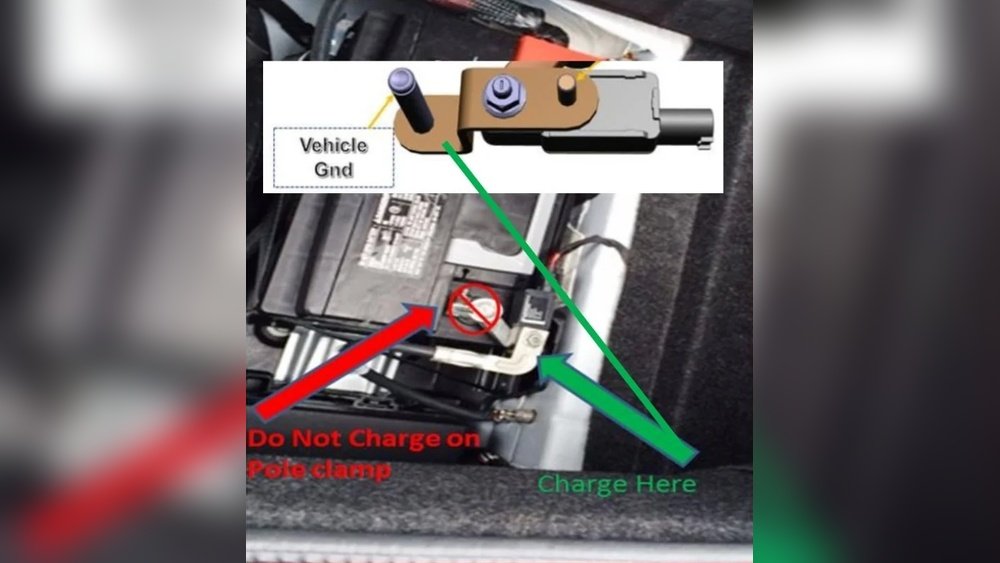
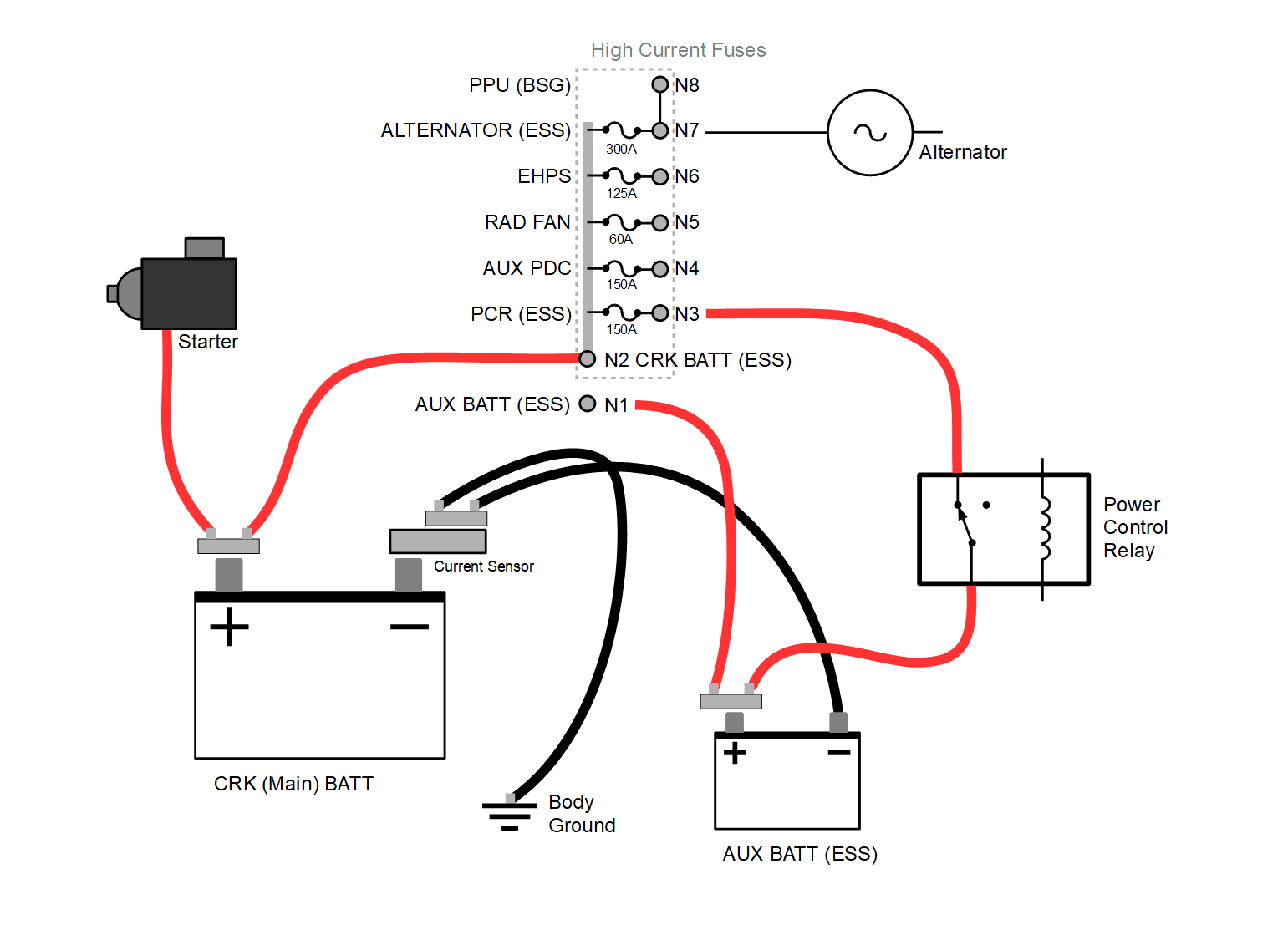
| Grand Cherokee | Multiple batteries (main + auxiliary) | Engine bay |
| Renegade | Small battery, sensitive to voltage drops | Engine bay |
When To Replace Instead Of Charging
If your Jeep’s battery needs frequent charging, it’s time to test or replace it. Signs include:
- Engine slow to start
- Dim headlights
- Battery older than 5 years
- Visible swelling or leaks
Most auto parts stores can test your battery for free. If you need a new one, choose the correct size and type for your Jeep.
Real-world Example
A Jeep Wrangler owner noticed the radio resetting and the engine slow to crank. After checking, the battery voltage was 11.9 volts (fully charged is 12.6+ volts). They charged the battery overnight at 2 amps. The next morning, the Jeep started perfectly, and the voltage measured 12.7 volts—proof the battery was healthy and just deeply discharged.
Frequently Asked Questions
How Often Should I Charge My Jeep Battery?
If you drive your Jeep daily, you rarely need to charge it. If left unused for more than 2–3 weeks, use a maintainer to avoid deep discharge.
Can I Use A Portable Jump Starter Instead Of Charging?
A jump starter helps start the engine but doesn’t fully charge the battery. After jump starting, drive for 20–30 minutes to help recharge, but proper charging is still recommended.
Is It Safe To Charge The Battery While Still Connected To The Jeep?
Yes, modern chargers are safe for in-vehicle charging. However, always read your Jeep’s manual and use a smart charger to avoid electrical spikes.
What Should I Do If My Jeep Battery Keeps Dying?
Frequent dead batteries may mean a parasitic drain or a failing battery. Get your charging system and battery checked by a mechanic.
Where Can I Learn More About Car Battery Care?
Check out the car battery overview on Wikipedia for more information on battery types and maintenance.
Charging your Jeep battery the right way keeps you on the road and ready for adventure. With these steps and tips, you can handle most battery issues yourself, avoid common mistakes, and know when it’s time for a replacement. Safe travels!