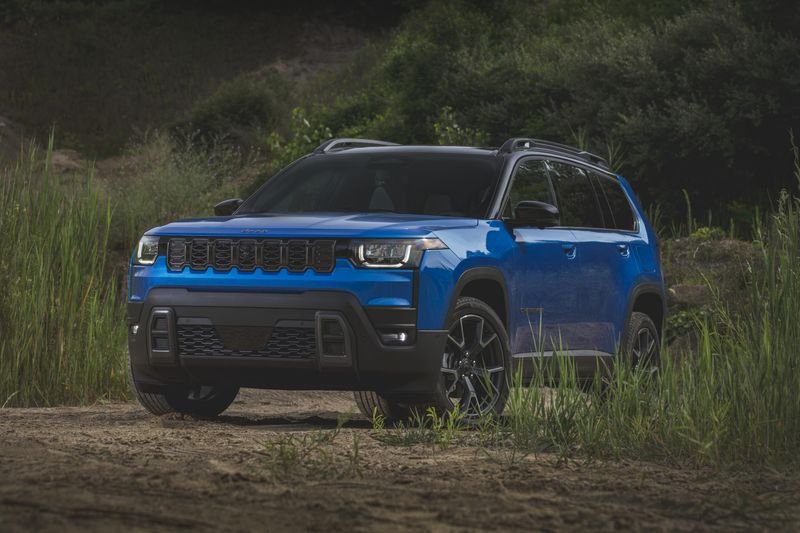
Changing spark plugs is one of those tasks that can keep your Jeep Cherokee running smooth and efficient. Many drivers put it off, but old spark plugs can lower your gas mileage, cause rough idling, and even damage the engine over time. If you want to save on repair costs and keep your Jeep performing well, learning how to change spark plugs is a smart move. With a few tools and some patience, you’ll find this job isn’t as hard as it seems.
Tools And Parts You’ll Need
Before you begin, make sure you have everything ready. Missing a key tool can turn a quick job into a frustrating one.
- Spark plug socket (usually 5/8” or 13/16”, check your Jeep’s manual)
- Socket wrench with extension bar
- Torque wrench
- Gap gauge (for checking spark plug gap)
- New spark plugs (refer to your owner’s manual for the correct type and number)
- Dielectric grease
- Compressed air (optional, but helpful)
- Anti-seize compound (optional)
- Gloves and safety glasses
The number of spark plugs depends on your engine. For example, a 2016 Jeep Cherokee with a 2.4L engine uses 4 spark plugs, while the 3.2L V6 has 6.
Preparing Your Jeep Cherokee
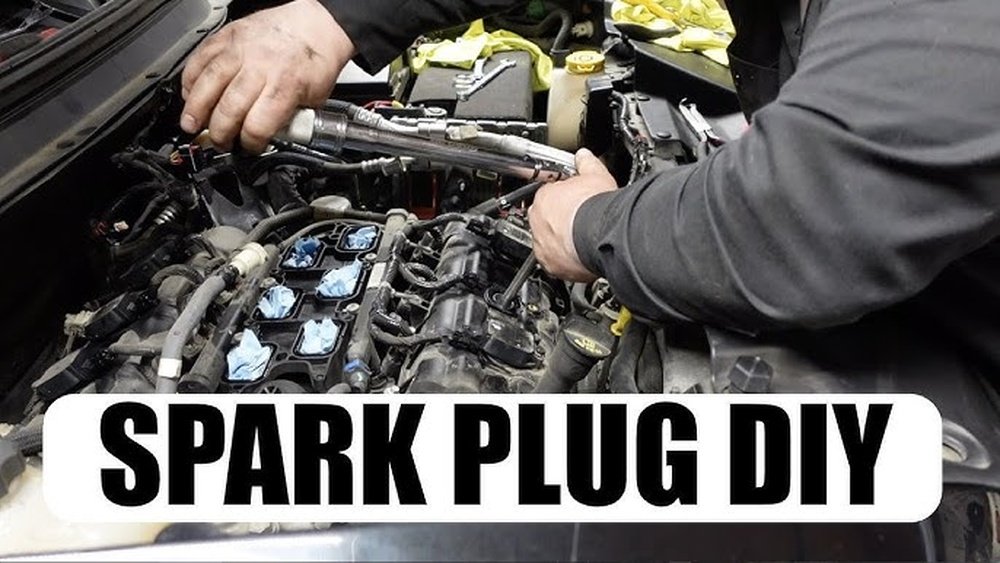
Safety and preparation are important. Here’s what to do before touching the spark plugs:
- Let the engine cool down. Working on a hot engine can burn your hands and damage parts.
- Disconnect the negative battery terminal. This prevents accidental electrical shorts.
- Clean the area around the spark plugs. Use compressed air to blow away dirt so nothing falls into the cylinders.
Step-by-step: Changing Spark Plugs
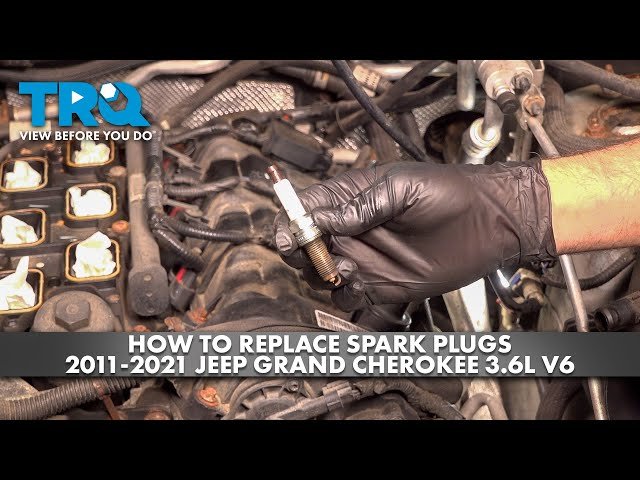
Doing the job right keeps your engine running strong. Here’s a step-by-step guide:
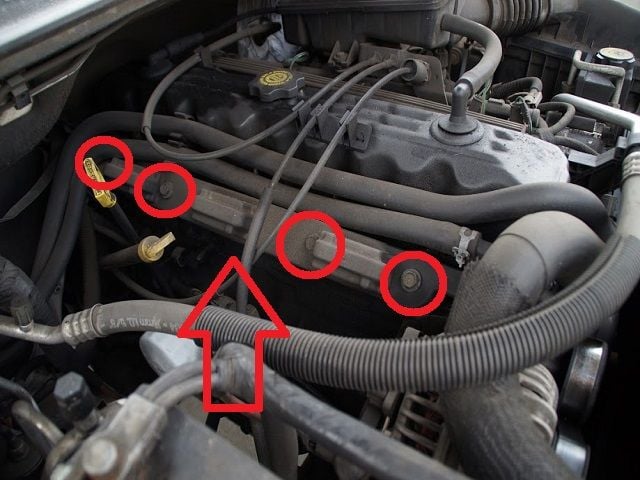
- Locate the spark plugs. On a Jeep Cherokee, they’re usually under the engine cover. Remove the cover if needed.
- Remove ignition coils or plug wires. For coil-on-plug engines, unplug the electrical connector and unscrew the coil. For older models, gently pull off the plug wires.
- Unscrew the old spark plug. Use the spark plug socket and extension. Turn counterclockwise. If it’s stuck, don’t force it—apply a little penetrating oil and wait.
- Check the old plug. Look for signs of wear, oil, or carbon buildup. This can tell you about engine health.
- Check and set the gap on the new spark plug. Use the gap gauge to match the specs from your owner’s manual. Most new plugs are pre-gapped, but double-check.
- Apply anti-seize (optional). A tiny amount on the plug threads can help future removal.
- Install the new spark plug by hand. Turn it clockwise to avoid cross-threading. Then use the socket to snug it down.
- Torque to specification. Use a torque wrench to tighten to the value in your manual (usually 13-15 ft-lbs for most Cherokees).
- Add dielectric grease to the coil boot. This helps with a good electrical connection and easy removal next time.
- Reinstall the ignition coil or plug wire. Make sure everything clicks or fits snugly.
- Repeat for each spark plug.
- Reconnect the battery. Start the engine and listen for smooth running.
Jeep Cherokee Spark Plug Torque Comparison
Using the right torque is important. Here’s a quick comparison for different Cherokee engines:
| Engine | Torque Specification (ft-lbs) | Number of Plugs |
|---|---|---|
| 2.4L Inline-4 | 13 | 4 |
| 3.2L V6 | 15 | 6 |
| Older 4.0L I6 | 20 | 6 |
How Often Should You Change Spark Plugs?
The right interval depends on your engine and the type of spark plug.
- Copper spark plugs: Every 30,000 miles
- Platinum or iridium: Every 60,000–100,000 miles
If you notice rough idling, misfires, or lower fuel economy, check your plugs sooner.
Spark Plug Lifespan Comparison
| Plug Type | Average Lifespan (miles) | Best For |
|---|---|---|
| Copper | 30,000 | Older engines |
| Platinum | 60,000 | Modern engines |
| Iridium | 100,000 | High-performance engines |
Practical Tips For A Smooth Job
Here are two important tips that many beginners miss:
- Label your ignition coils or wires as you remove them. Mixing them up can cause misfiring and engine codes.
- Inspect the coil boots. If you see cracks or corrosion, replace the boots. Bad boots can cause misfires even after installing new plugs.
Another common beginner mistake is dropping debris into the cylinder. Always clean around the plug before removal.
If you drop something inside, do not start the engine remove it first.
Signs Of Worn Or Failing Spark Plugs
Recognizing these symptoms can help you know when it’s time for a change:
- Poor acceleration
- Hard starting
- Rough idle
- Check Engine Light on
- Lower fuel economy
Sometimes, a failing spark plug can also make your engine sound uneven or give a “chugging” feeling as you drive.

After Changing: What To Expect
Right after installing new spark plugs, your Cherokee should start easily, idle smoothly, and accelerate better. If you notice rough running or a misfire, double-check that all wires or coils are connected tight.
Also, listen for any strange sounds or warning lights.
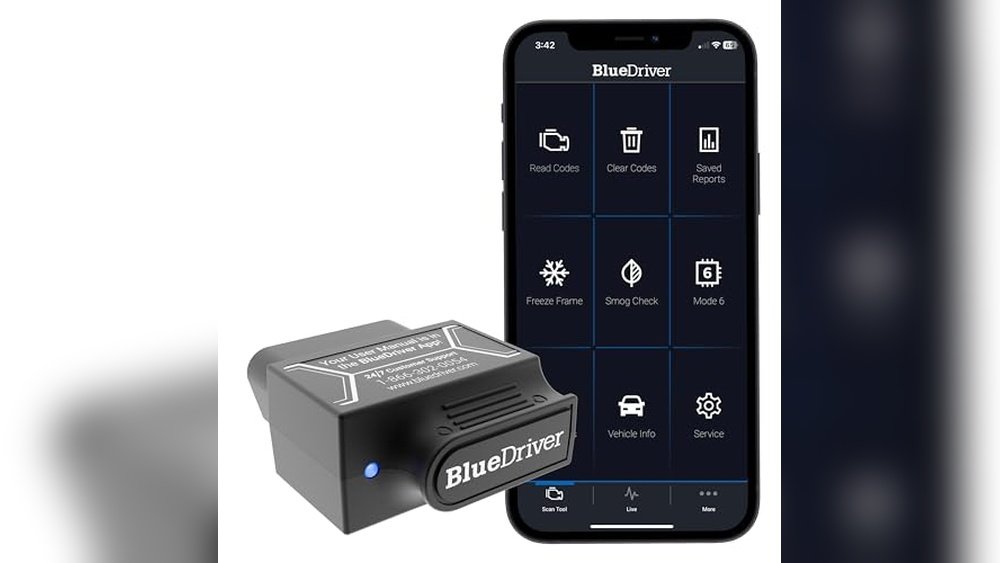
If you have access to a scan tool, clear any stored engine codes. This helps the computer adjust to the new plugs quickly.
Frequently Asked Questions
How Long Does It Take To Change Spark Plugs On A Jeep Cherokee?
For most people, the job takes about 45 minutes to 1.5 hours. If you’re doing it for the first time, give yourself extra time to work slowly and carefully.
What Are The Best Spark Plugs For A Jeep Cherokee?
The best spark plugs are usually OEM (original equipment manufacturer) or the type recommended in your owner’s manual. For most modern Cherokees, iridium or platinum plugs give the best performance and lifespan.
Can I Drive With Bad Spark Plugs?
It’s not recommended. Bad spark plugs can lead to engine misfires, poor fuel economy, and can eventually damage the catalytic converter, which is an expensive repair.
Is It Necessary To Use A Torque Wrench?
Yes, using a torque wrench is important. Over-tightening can crack the plug or damage the cylinder head, while under-tightening can cause poor performance or plug blowout.
Where Can I Find The Exact Spark Plug Specs For My Jeep Cherokee?
You can check your owner’s manual or visit the official Mopar site for exact specifications for your Jeep’s year and engine.
Changing spark plugs on your Jeep Cherokee is a simple way to keep your SUV running at its best. With the right tools and attention to detail, you’ll save money and have the satisfaction of fixing a key part of your vehicle yourself.