Changing spark plugs in your 2004 Jeep Grand Cherokee is a practical way to keep your engine healthy and running smooth. Many drivers notice better performance and lower fuel costs after replacing old spark plugs. This task might sound technical, but with clear steps and some patience, most car owners can do it at home. Let’s walk through the process, highlight what tools you need, and share some tips that make the job easier.
Why Change Spark Plugs?
Spark plugs are small parts, but they play a big role. Each one creates a spark that ignites the air and fuel in your engine’s cylinders. Over time, these plugs get dirty or worn out. When this happens, your engine might misfire, run rough, or lose power. Replacing them every 30,000 to 50,000 miles is a good rule for many vehicles, including the 2004 Grand Cherokee.
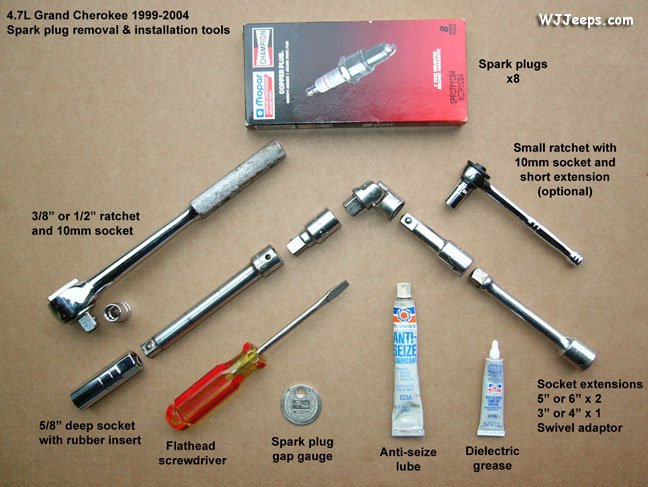
Tools And Parts Needed
Gather these items before you start:
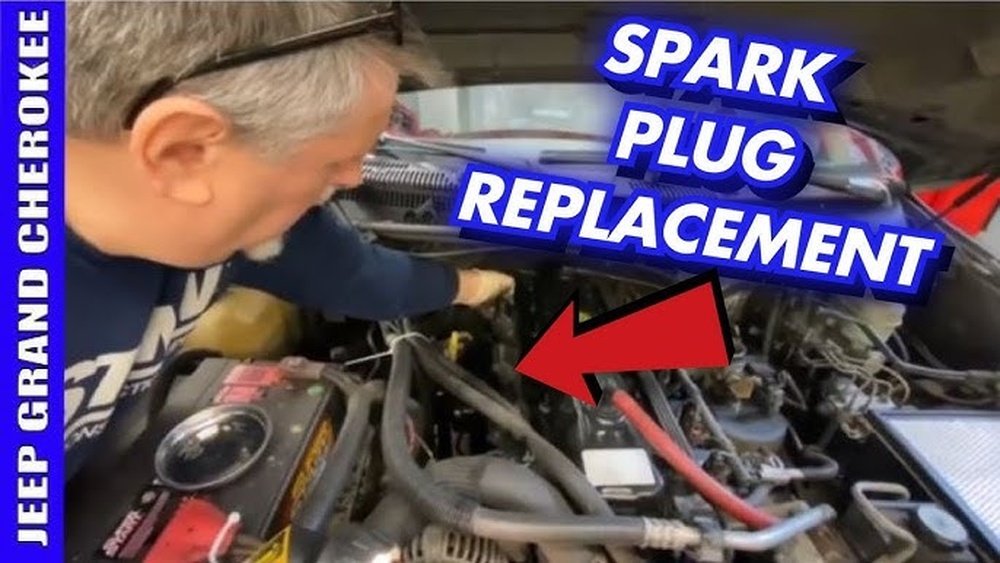
- Spark plug socket (5/8-inch) with extension
- Ratchet
- Torque wrench
- New spark plugs (Check your owner’s manual for the right type; usually Champion RC12MCC4 or equivalent)
- Dielectric grease (optional but helpful)
- Anti-seize compound (use carefully, as many plugs come pre-coated)
- Compressed air (to clean around plugs)
- Gloves

Step-by-step Guide
Follow these steps for a safe and effective spark plug change.
1. Prepare The Vehicle
Park on a flat surface and let the engine cool. Disconnect the negative battery cable to avoid any accidental shocks.
2. Locate The Spark Plugs
The 2004 Grand Cherokee’s 4.0L engine has six spark plugs, each under a thick wire called an ignition cable. Find them along the side of the engine block.
3. Clean The Area
Use compressed air to blow away dirt around each plug. This prevents debris from falling into the engine when the plug is removed.
4. Remove The Ignition Wires
Gently twist and pull the ignition wire boot from the top of the spark plug. Pull the boot, not the wire, to avoid damage.
5. Remove The Old Spark Plug
Attach your spark plug socket and extension to the ratchet. Turn counterclockwise to loosen and remove the plug.
If it feels stuck, apply gentle, steady force don’t rush.
6. Inspect The Old Plug
Check each plug for oil, carbon build-up, or a burnt tip. These can signal engine problems. Compare your old plug to a new one for a quick visual check.
7. Gap And Prepare The New Plug
Check the gap using a spark plug gapper. For most 2004 Grand Cherokees, the gap should be 0.035 inches. Adjust gently if needed. Apply a small amount of anti-seize compound to the threads if your new plugs don’t have it already.
8. Install The New Plug
Hand-thread the new plug into the cylinder head. Once snug, tighten it with a torque wrench to 25-30 ft-lbs.
Do not overtighten it can crack the plug or engine head.
9. Reattach The Ignition Wire
Apply a little dielectric grease inside the boot (optional), then push it onto the new plug until it clicks.
10. Repeat For All Plugs
Move one plug at a time to avoid mixing up wires. Double-check connections as you go.
Data On Spark Plug Wear
Here’s a comparison of symptoms between good and worn spark plugs in a 2004 Jeep Grand Cherokee:
| Condition | Good Plug | Worn Plug |
|---|---|---|
| Engine Start | Quick, smooth | Slow, sometimes fails |
| Fuel Economy | Normal | Lower mpg |
| Idle Quality | Stable | Rough, shakes |
| Emissions | Within limits | Higher, may fail test |
Common Mistakes To Avoid
- Mixing up ignition wires: Only disconnect one wire at a time.
- Skipping the gap check: Even new plugs can have the wrong gap.
- Overtightening plugs: Can damage threads and cause leaks.
- Not cleaning the area: Dirt in the cylinder can harm your engine.
Spark Plug Brands Compared
Not all spark plugs are the same. Here’s how some popular brands stack up for the 2004 Grand Cherokee:
| Brand | Average Lifespan (miles) | Price (each) | Notes |
|---|---|---|---|
| Champion | 30,000 | $3 | OEM choice, reliable |
| NGK | 40,000 | $4 | Good for performance |
| Bosch | 45,000 | $5 | Long-lasting |
Signs Your Spark Plugs Need Replacement
- Engine misfires or feels less powerful
- Increased fuel use
- Hard starts, especially in cold weather
- Check Engine Light is on
If you notice these, check your plugs sooner.
After Changing The Plugs
Reconnect the battery. Start your Jeep and listen for a smooth idle. A test drive is a good idea—pay attention to how the engine sounds and feels. If you hear knocking, stalling, or see the check engine light, double-check your work.
Two Insights Many Miss
- Spark plug gap is critical—using a pre-gapped plug without checking is a common mistake. Even new plugs can have manufacturing errors or get bumped in shipping.
- Torque matters—hand-tight is not enough for modern engines. Using a torque wrench helps avoid both under-tightening (leading to leaks) and overtightening (risking cracked heads).
Maintenance Tips
- Replace all spark plugs at the same time for balanced engine performance.
- Keep a record of when you changed the plugs for future reference.
- If you see oil or heavy carbon on the old plugs, have your engine checked. It could mean a deeper issue.
For more technical details, the official Jeep service manual is a great resource. You can find more about the 2004 Grand Cherokee at Wikipedia.
Frequently Asked Questions
How Often Should I Change Spark Plugs In My 2004 Jeep Grand Cherokee?
Every 30,000 to 50,000 miles is typical. Always check your owner’s manual for the exact interval.
Can I Use Any Spark Plug Brand?
You should use OEM-recommended plugs for best results. Brands like Champion, NGK, and Bosch work well if they match the required specs.
What Happens If I Install The Spark Plug Incorrectly?
You might get poor engine performance, misfires, or even engine damage if the plug is too loose or too tight.
Do I Need Any Special Tools?
A spark plug socket with extension, torque wrench, and gapper are must-haves. These make the job safer and more precise.
Is It Safe To Drive With Old Spark Plugs?
It’s not recommended. Worn plugs can reduce power, waste fuel, and eventually damage the engine or catalytic converter.
Changing spark plugs in your 2004 Jeep Grand Cherokee is a simple way to improve its life and driving experience. With the right tools and attention to detail, you’ll keep your Jeep running strong for years.