Changing the rear lights on your 2017 Jeep Renegade might seem tricky, but with the right guidance, it’s a doable task for most car owners. Maybe your brake light has gone out, or you want to upgrade your bulbs. Doing it yourself not only saves you time and money, but also gives you more confidence about your vehicle’s maintenance. Let’s break down the process, step by step, so you can replace your rear lights safely and efficiently without frustration.
Understanding Your 2017 Jeep Renegade Rear Light Assembly
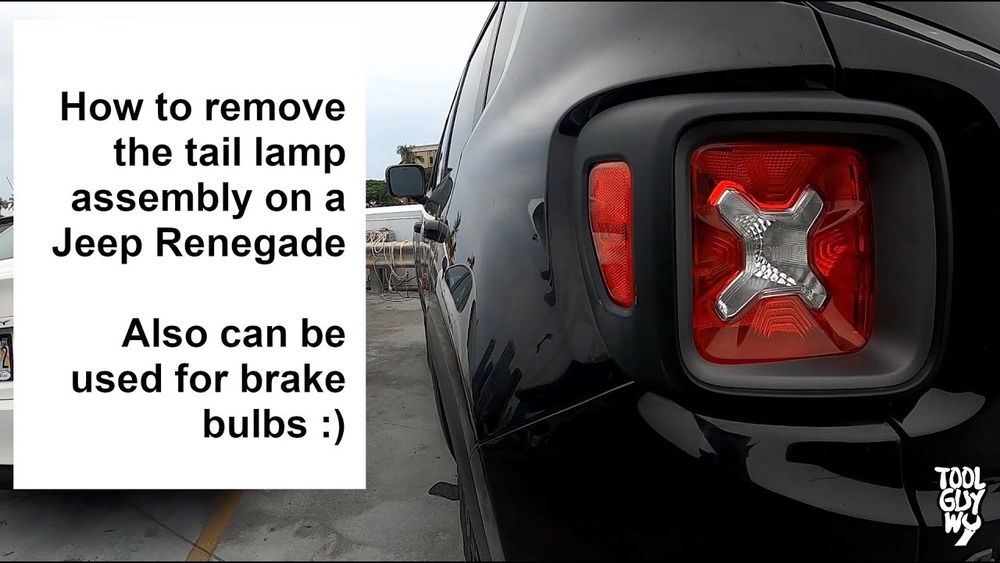
Before you start, it helps to know what you’re working with. The rear lights on the 2017 Jeep Renegade are integrated into a single assembly on each side. Each assembly contains the brake light, tail light, reverse light, and turn signal. Jeep designed these assemblies for durability and style, but that also means the process is a bit different than on older cars.
Some bulbs are standard halogen, while others might be LED (depending on your trim). Always check your owner’s manual for the correct replacement part numbers. Using the wrong bulb can cause electrical issues or poor visibility.
Tools And Materials You’ll Need
Gather these items before you begin:
- New bulbs (check your manual for the exact types; common codes are 7443 or 921 for different rear lights)
- Phillips screwdriver
- Trim removal tool (plastic is best to avoid scratching paint)
- Gloves (optional but keeps oils off bulbs)
- Clean cloth (to wipe the area and bulbs)
Having everything ready will make the process smoother and prevent mid-job surprises.
Safety First: Preparing Your Jeep
Safety is always your first step. Here’s what to do:
- Turn off your Jeep and remove the key from the ignition.
- Engage the parking brake to prevent the car from moving.
- If possible, work in a well-lit, flat area.
- Open the rear hatch fully to access the rear light assemblies.
Never work on electrical components with the car running or lights on. This can prevent shocks and protect the new bulbs from early failure.
Step-by-step Guide To Removing The Rear Light Assembly
1. Locate The Rear Light Assembly
Open the rear hatch. You’ll see the rear light assemblies on both sides, right at the edges. Each is held in place with two visible screws facing you.
2. Remove The Screws
Use your Phillips screwdriver to remove the two screws on the inside edge of the light assembly. Place the screws in a safe spot so you don’t lose them.
3. Release The Assembly
Gently pull the assembly outward. It might feel stuck because of plastic clips holding it in place. Use a trim removal tool to gently pry around the edges if necessary. Avoid using metal tools, which can scratch or crack the paint.
Pro tip: Don’t pull too hard. The assembly is still connected by wiring.
4. Disconnect The Wiring Harness
On the back of the assembly, you’ll find a wiring harness with a clip. Press the release tab and pull the connector straight out. Now, you can safely take the assembly to your workspace.
How To Replace The Rear Light Bulbs
With the assembly removed, you’ll notice several bulb sockets on the back. Each has a twist-lock mechanism.
1. Identify The Correct Bulb
Check your owner’s manual or the old bulb for the correct number. Each socket is slightly different:
- Brake/taillight bulb: Usually the largest
- Turn signal bulb: Medium size, amber colored
- Reverse bulb: Smallest, clear
2. Remove The Old Bulb
Grip the bulb socket, turn it counterclockwise about a quarter turn, and pull it straight out. Then, pull the bulb gently from the socket.
3. Install The New Bulb
With clean gloves or a cloth, insert the new bulb into the socket. Avoid touching the glass with your fingers. Oils from your skin can shorten the bulb’s life.
4. Replace The Socket
Insert the socket back into the assembly and turn clockwise to lock it.
Extra tip: If you’re replacing multiple bulbs, do them all at once while the assembly is out. This saves time and effort later.
Reinstalling The Rear Light Assembly
1. Reconnect The Wiring Harness
Plug the wiring harness back in until it clicks. Double-check that it’s secure.
2. Align And Snap The Assembly In Place
Line up the assembly with the mounting holes and gently press it back. You’ll hear the clips snap into place.
3. Secure With Screws
Reinstall the two screws you removed earlier. Tighten until snug, but don’t overtighten this can crack the plastic.
Testing Your New Rear Lights
Before you finish, it’s important to test each function:
- Turn on the headlights: Check the tail lights.
- Step on the brake pedal (or ask someone to help): Confirm the brake lights work.
- Put the car in reverse (with the engine off but ignition on, if possible): Look for the reverse lights.
- Activate each turn signal.
Testing now saves you from legal trouble or another round of repairs.
Common Mistakes And How To Avoid Them
Many people make the same errors when changing rear lights. Here’s how to avoid them:
- Forgetting to test bulbs before reassembly: Always test before putting everything back.
- Touching bulbs with bare hands: Skin oils can cause early burnout.
- Using the wrong bulb type: Double-check compatibility to avoid electrical issues.
- Not securing the wiring harness: A loose connection can cause flickering or failure.
Comparison: Halogen Vs. Led Rear Light Bulbs
Some Jeep Renegade trims use LEDs; others use halogen. If you’re considering upgrading, here’s a quick look:
| Feature | Halogen Bulb | LED Bulb |
|---|---|---|
| Lifespan | ~1,000 hours | ~25,000 hours |
| Brightness | Standard | Brighter |
| Cost | Lower | Higher |
| Compatibility | Direct fit | May require adapter |
If you switch to LEDs, make sure they’re CANbus-compatible to avoid dashboard errors.
When To Replace The Whole Rear Light Assembly
Sometimes, you need to replace more than just the bulb. Consider a new assembly if:
- The lens is cracked or fogged.
- Water gets inside (moisture or condensation).
- The assembly is physically damaged from a collision.
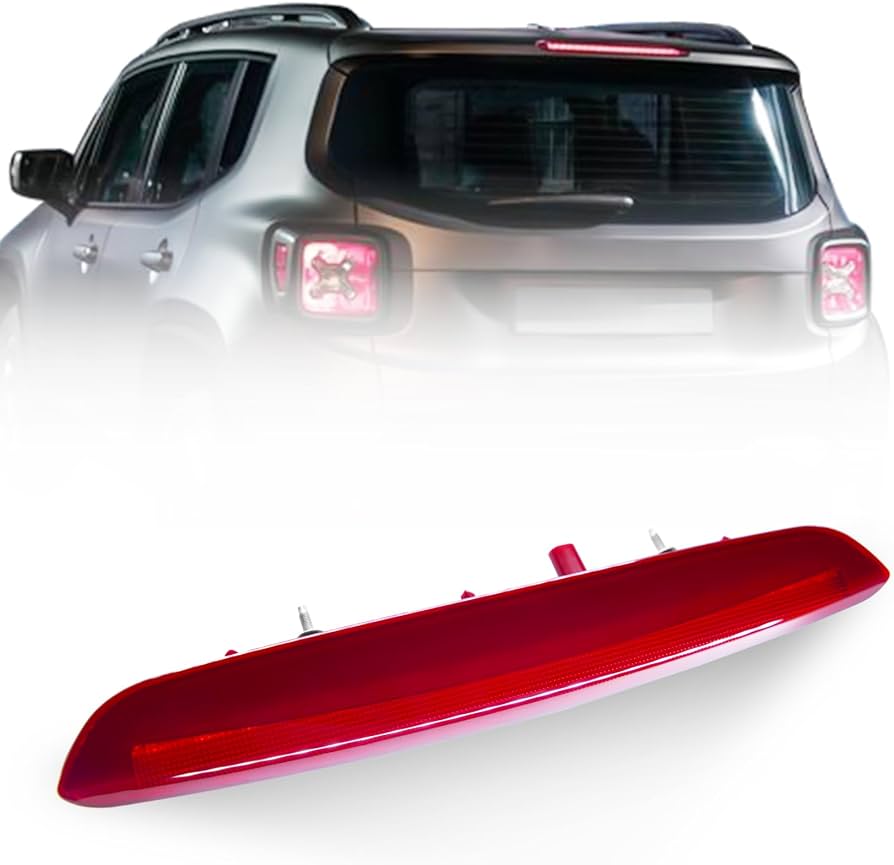
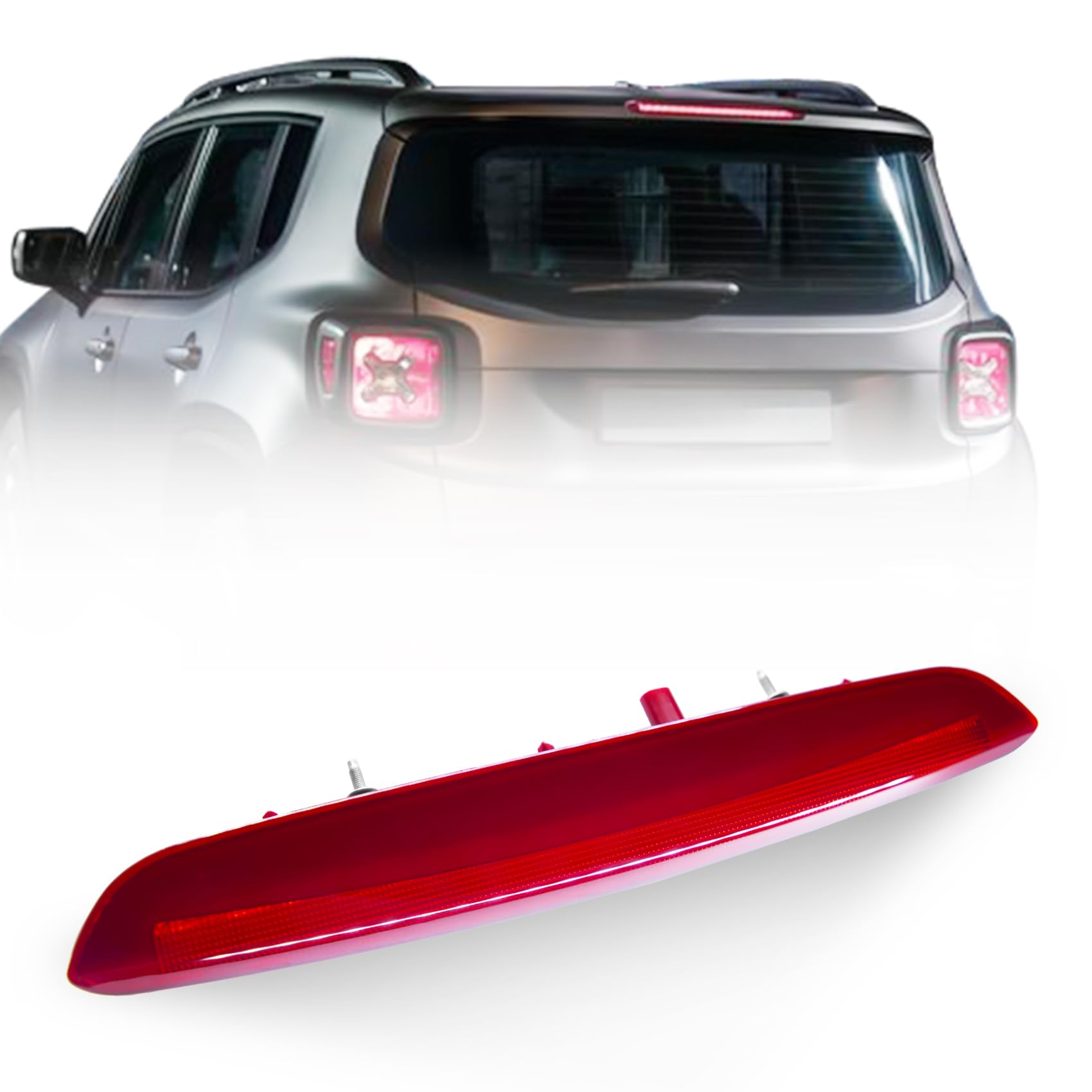
Replacement assemblies are available from Jeep dealers and aftermarket suppliers. The installation process is the same as for bulb changes, but you’ll need to transfer all bulbs and sockets to the new unit.
Data: Rear Light Bulb Types For The 2017 Jeep Renegade
Here are the most common bulb types and their functions:
| Function | Bulb Type | Typical Part Number |
|---|---|---|
| Brake/Tail Light | Halogen | 7443 |
| Turn Signal | Halogen | 7440A |
| Reverse Light | Halogen | 921 |
| Rear Fog Light (if equipped) | Halogen | H21W |
Check your manual to confirm your Jeep’s specific requirements.
Practical Tips For A Smooth Rear Light Change
- Bring a flashlight: It helps you see inside tight spaces.
- Don’t rush: Forcing the assembly can break clips.
- Keep old bulbs as spares: If they’re still working, they can be emergency backups.
- Label screws and parts: Use a small container or label to avoid losing track.
- Check for moisture: If you see water inside the lens, fix the seal before installing new bulbs.
Environmental Impact: Recycling Old Bulbs
Car bulbs contain materials that shouldn’t go in the regular trash. Many auto parts stores offer bulb recycling bins. This helps keep harmful materials out of landfills and protects the environment.
How Much Time And Money Can You Save?
DIY rear light replacement is much cheaper than a dealership visit. A typical shop may charge $50 $120 in labor for a simple bulb swap. Doing it yourself, you pay only for the bulbs often less than $10 each.
Time-wise, expect about 20–30 minutes for your first attempt. With practice, you’ll finish in under 10 minutes.
When To Seek Professional Help
If you notice:
- Flickering or non-functional lights after replacement
- Water inside the assembly
- Damage to wiring or connectors
It’s best to visit a certified mechanic or Jeep dealership. Electrical issues can be tricky and require special tools.
Real-world Example
Sarah, a Jeep Renegade owner in Texas, noticed her right brake light was out. She watched a short video, bought a $7 bulb, and followed the steps above. The job took her 25 minutes, and she saved $60 compared to the dealer’s quote.
She also felt more capable handling simple car tasks in the future.
More Resources
For visuals and specific details, the official Jeep owner’s website has diagrams and step-by-step guides. For a deep dive, visit NHTSA Headlight Safety for lighting safety and regulations.
Frequently Asked Questions
How Do I Know Which Rear Light Bulb Is Burned Out?
Turn on your Jeep and ask someone to check which light isn’t working when you use brakes, reverse, or turn signals. Many Renegades also display a dashboard warning if a bulb is out.
Can I Upgrade My 2017 Renegade To Led Rear Lights?
Yes, but check for CANbus-compatible LED bulbs to prevent error codes. Some upgrades may need adapters or resistors.
Do I Need To Disconnect The Car Battery Before Changing Bulbs?
It’s not required for just a bulb change, but if you’re working on wiring, disconnect the battery for safety.
Why Does My New Bulb Still Not Work?
Double-check the bulb type and that it’s fully seated. Inspect the fuse and wiring harness. Moisture or corrosion in the socket can also cause failures.
How Often Should I Replace Rear Light Bulbs?
Most halogen bulbs last 1 2 years with normal use. Replace as soon as you notice dimming or failure for safety and legal reasons.
Changing the rear lights on your 2017 Jeep Renegade is a manageable job for most drivers. With careful steps, the right tools, and a bit of patience, you’ll restore your vehicle’s safety and keep it looking great. Taking control of these small repairs not only saves money but also deepens your connection with your Jeep.