Changing the oil on your Jeep Gladiator isn’t just a routine task—it’s key to keeping your engine healthy and lasting longer. Many owners pay high prices at the shop for something they can do themselves. With the right tools and a bit of patience, you’ll save money, learn more about your truck, and feel confident on the road.
Why Regular Oil Changes Matter
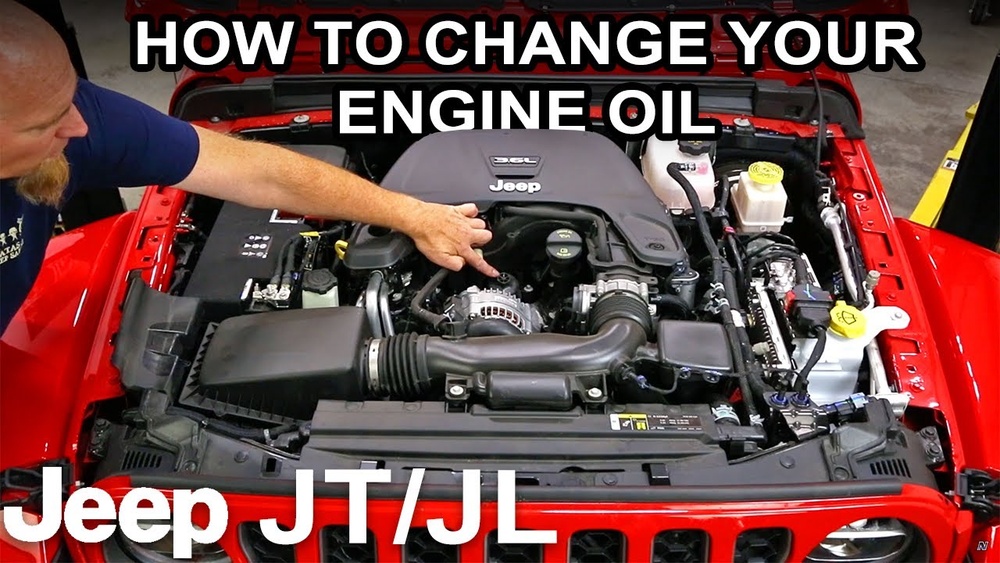
Engine oil lubricates moving parts, reduces heat, and removes dirt. Over time, oil breaks down and can’t protect your engine as well. The Jeep Gladiator usually needs oil changes every 5,000–7,500 miles, depending on driving conditions and oil type.
Neglecting oil changes can lead to:
- Poor engine performance
- Higher fuel consumption
- Costly engine repairs
A well-maintained Gladiator runs smoother and holds its value better.
Tools And Materials You’ll Need
Before you start, gather all necessary items. This keeps the process smooth and avoids last-minute trips to the store.
You’ll need:
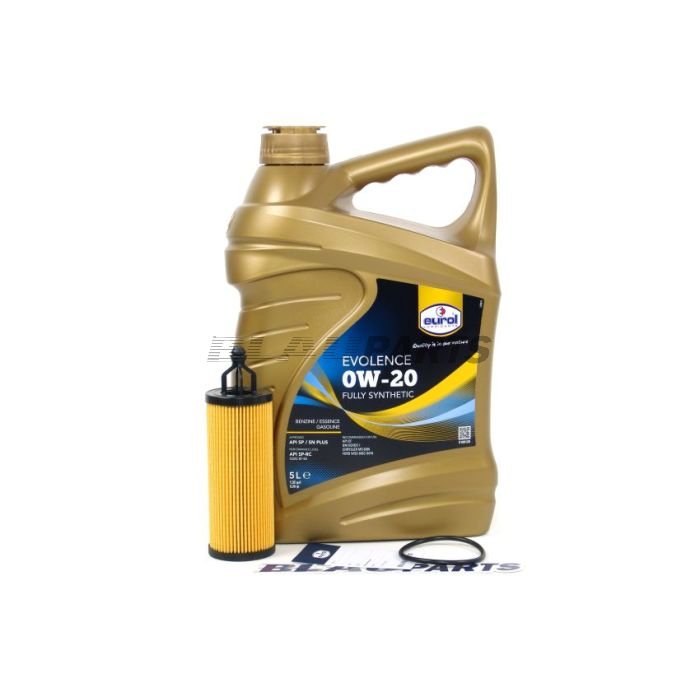
- New oil (see your owner’s manual—usually 5W-20 synthetic)
- New oil filter (specific for Gladiator engine)
- Oil catch pan (at least 7-quart capacity)
- Socket wrench set
- Oil filter wrench
- Funnel
- Rags or paper towels
- Jack and jack stands (or ramps)
- Rubber gloves
Quick Comparison: Oil Types For Jeep Gladiator
| Oil Type | Recommended For | Change Interval |
|---|---|---|
| Conventional | Older engines, mild driving | Every 3,000–5,000 miles |
| Full Synthetic | All models, harsh conditions | Every 7,500 miles |
| Synthetic Blend | Mixed driving, moderate use | Every 5,000 miles |
Always check your owner’s manual for the correct oil capacity and specification.
Step-by-step Oil Change Process
Changing the oil takes about 30 45 minutes, even for beginners. Follow these steps for a smooth experience.
1. Warm Up The Engine
Let your Gladiator run for 2 3 minutes. Warm oil drains faster and carries out more debris.
2. Lift Your Vehicle Safely
Use ramps or a jack and jack stands. Never trust only the jack. Make sure the ground is level.
3. Remove The Skid Plate (if Equipped)
Some Gladiator models have a skid plate under the engine. Remove bolts with a socket wrench.
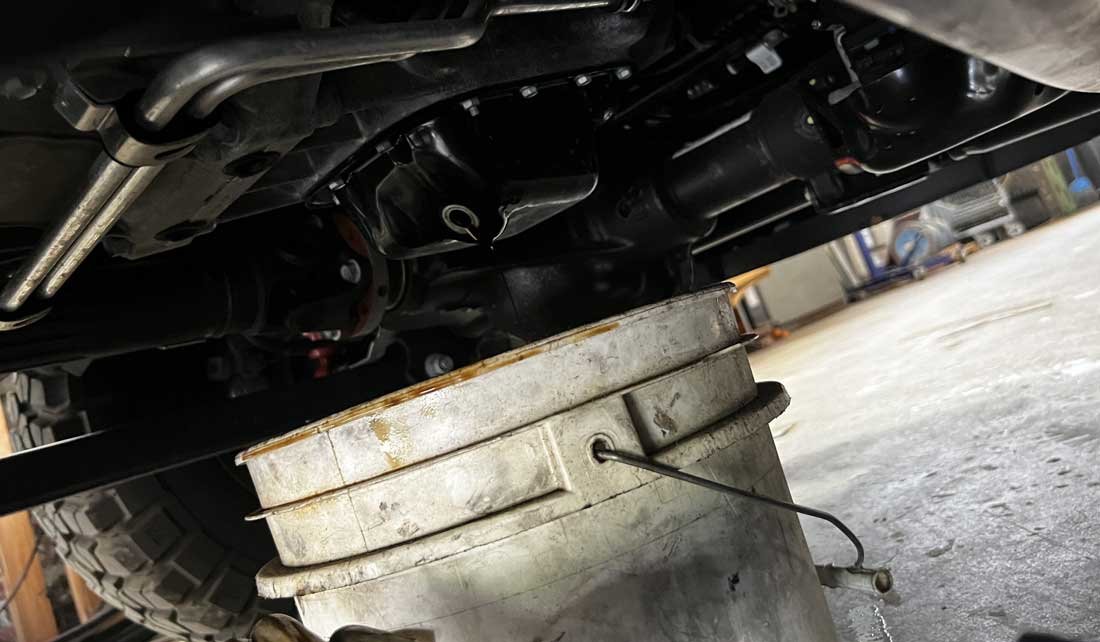
4. Place The Oil Catch Pan
Position it under the oil drain plug. Wear gloves, as oil can be hot.
5. Remove The Drain Plug
Loosen with a wrench. Let oil drain completely (usually takes 5 10 minutes).
6. Replace The Drain Plug
Check the washer for wear. Tighten the plug firmly but don’t over-tighten.
7. Remove The Oil Filter
Use the oil filter wrench. Some oil may spill, so keep the pan underneath.
8. Install The New Filter
Rub a little new oil on the filter’s rubber gasket. Screw it on hand-tight no wrench needed.
9. Add New Oil
Open the oil fill cap on top of the engine. Use a funnel to pour in the recommended amount.
10. Check The Oil Level
Wait a minute, then use the dipstick. Oil should be between the marks. Add more if needed.
11. Start The Engine And Check For Leaks
Run the engine for 2 minutes. Look under the truck for drips.
12. Reinstall The Skid Plate
Replace and tighten the bolts.
13. Dispose Of Old Oil Responsibly
Take used oil and filter to a recycling center. Never pour down a drain.
Oil Capacity And Filter Comparison
| Gladiator Engine | Oil Capacity (with filter) | Filter Part Number |
|---|---|---|
| 3.6L V6 | 5.0 quarts | MO-349 |
| 3.0L EcoDiesel | 9.0 quarts | MO-339 |
Practical Tips And Common Mistakes
Be patient with draining. Rushing this step leaves old oil behind, which can contaminate your new oil.
Double-check the filter type. Using the wrong filter can lead to leaks or poor oil flow. Many beginners buy based on price, not fit—always use the one recommended for your engine.
Don’t over-tighten the drain plug. Stripped threads mean costly repairs. Tighten to snug, not beyond.
Watch for the old filter’s gasket. Sometimes the rubber ring sticks to the engine. Remove it before installing the new filter to avoid leaks.
Reset the oil life monitor. After changing oil, reset the Jeep’s oil life system through the dashboard menu. Skipping this step can lead to confusing maintenance warnings.
When To Change Oil: Signs To Watch For
Besides the mileage, look out for:
- Louder engine noise
- Oil warning light
- Dirty or dark oil on the dipstick
Modern Gladiators have a dashboard reminder, but checking oil quality yourself is wise, especially after off-roading or towing.
Saving Money And Time
Doing your own oil change saves $40 $100 each time. Plus, you’ll spot other issues early, like leaks or worn belts.
Most auto parts stores will take your used oil for free, making disposal easy and eco-friendly.
Learning to change oil also helps you understand your Gladiator better. If you plan longer trips or adventures, being able to do basic maintenance is a real advantage.
Frequently Asked Questions
How Often Should I Change The Oil On My Jeep Gladiator?
Most models need oil changes every 5,000–7,500 miles, but check your owner’s manual. Short trips, dusty roads, or towing mean you should change it more often.
What Type Of Oil Is Best For The Jeep Gladiator?
Full synthetic 5W-20 is recommended for most Gladiators. It offers better engine protection and lasts longer, especially in extreme temperatures. For details, see the manufacturer’s advice or trusted sources like the Jeep Official Maintenance Guide.
Can I Change The Oil Without A Lift?
Yes, you can use ramps or jack stands. The Gladiator has good ground clearance, but always use safety equipment and work on a flat surface.
How Do I Reset The Oil Change Light?
Turn the ignition to “on,” press the gas pedal slowly three times within 10 seconds, then turn the ignition off. The oil light should reset.
If not, check your owner’s manual for model-specific steps.
What Should I Do With The Used Oil?
Take it to an auto parts store or recycling center. Never pour it down drains or on the ground, as it’s hazardous to the environment.
Changing your own oil on a Jeep Gladiator is straightforward, rewarding, and saves you money. With the right preparation and attention to detail, you’ll keep your truck running strong and learn valuable skills along the way.


















