Changing the oil in your Jeep Renegade is a simple way to keep your SUV running well and save money. Many owners are surprised how easy this task can be. With the right tools and a little patience, you can do it in less than an hour. This guide will walk you through every step, highlight common mistakes, and share tips that even some mechanics forget. Knowing how to change your own oil also gives you more control over your vehicle’s care. For beginners, this routine task can build confidence and help you understand your Jeep better. Let’s get started and make sure you get it right the first time.
What You Need Before Starting
Preparation is key. Gather these items so you’re ready:
- Socket wrench (typically 13mm for Renegade)
- Oil filter wrench
- Drain pan
- New oil filter (check your Renegade’s engine type)
- Fresh motor oil (usually 5W-40 or 0W-20; check your manual)
- Funnel
- Rags or paper towels
- Gloves
You’ll also need a jack and jack stands or ramps if your Renegade sits low. If you don’t have ramps, try borrowing from a friend or neighbor. Some community auto shops also rent tools for a small fee.
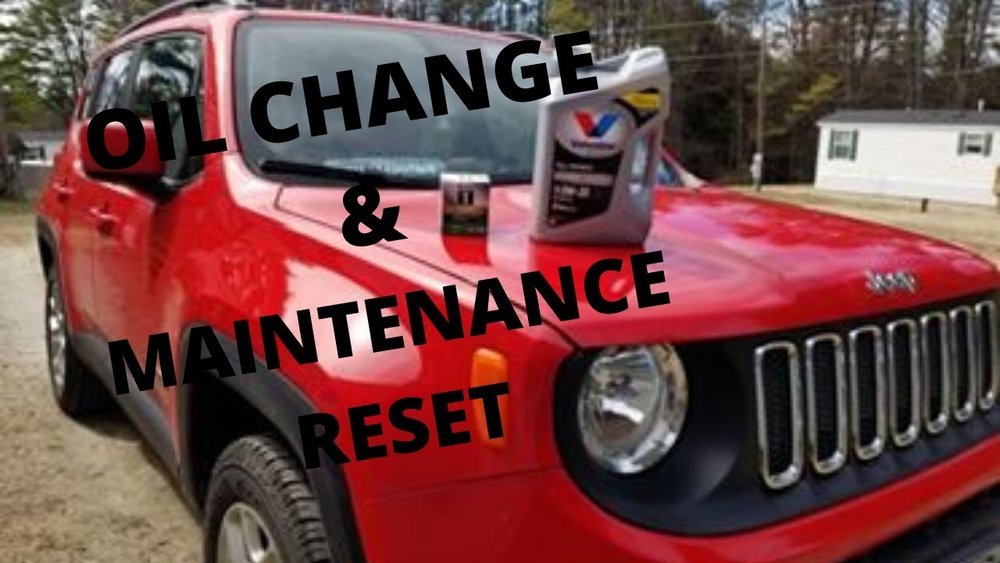
If you’re unsure about the oil filter type, check your old filter for part numbers. This helps avoid buying the wrong one, which is a common mistake.
For beginners, buying a slightly larger drain pan is wise it prevents messy spills and makes cleanup easier.
| Item | Purpose | Estimated Cost |
|---|---|---|
| Socket wrench | Remove drain plug | $15-25 |
| Oil filter wrench | Remove filter | $10-20 |
| New oil filter | Replace old filter | $8-15 |
| Fresh motor oil | Refill engine | $25-40 (5 quarts) |
Step-by-step: Changing Oil On Jeep Renegade
Follow these steps carefully for best results.
1. Warm Up The Engine
Run your Renegade for 5-10 minutes. Warm oil flows out faster and removes more dirt.
If your Jeep was parked for a long time, warming up helps loosen old oil and any buildup inside the engine.
2. Lift The Vehicle Safely
If needed, use a jack and stands or ramps. Always place your Renegade on a level surface. Make sure the parking brake is on. For extra safety, place wheel chocks behind the rear wheels.
3. Locate And Remove The Drain Plug
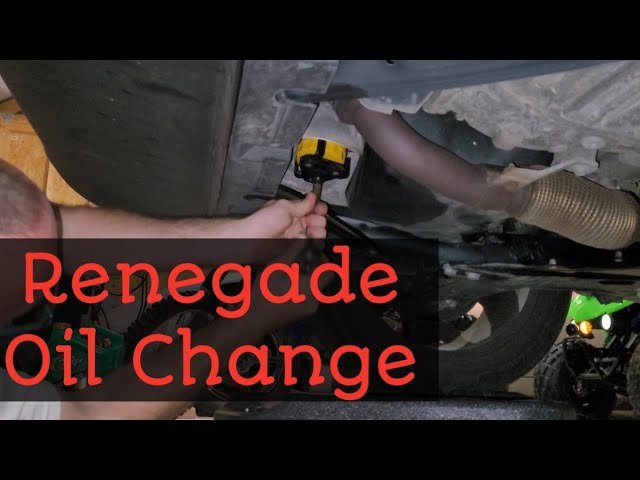
Find the oil pan under the engine. Use your socket wrench to loosen the drain plug. Place the drain pan underneath before removing the plug completely.
Tip: Hold the plug with your fingers as the oil drains to avoid dropping it into hot oil. Beginners sometimes let the plug fall, which can make it hard to find and retrieve.
4. Drain Old Oil
Wait until the flow slows to a drip. This usually takes 5-10 minutes.
Be patient rushing at this stage can leave dirty oil inside. Wiggle the vehicle gently to help oil drain fully.
5. Remove And Replace The Oil Filter
Use the oil filter wrench to unscrew the old filter. Before installing the new filter, rub a little fresh oil on its rubber seal.
Insight: Many beginners forget this step. Oiling the seal helps prevent leaks. Also, check that the old filter’s rubber gasket did not stick to the engine. If left behind, it can cause leaks or damage.
6. Reinstall Drain Plug
Clean the plug and oil pan area. Screw the plug back in snugly do not overtighten.
If your drain plug has a washer, check its condition. Replace it if worn, as a bad washer can cause leaks.
7. Add New Oil
Insert the funnel into the oil fill cap. Pour in the correct amount of oil (usually about 5 quarts for most Renegade engines).
Always check your owner’s manual. Pour slowly to avoid spills.
If you’re uncertain, add less oil at first, then check the dipstick and top up as needed. This prevents overfilling, which is harder to fix.
| Engine Type | Oil Type | Capacity |
|---|---|---|
| 1.4L Turbo | 5W-40 | 4.5 quarts |
| 2.4L | 0W-20 | 5 quarts |
8. Run Engine And Check For Leaks
Start your Renegade and let it idle for 2-3 minutes. Check under the vehicle for leaks.
Look at the filter and drain plug area closely; even a small drip means something needs tightening.
9. Check Oil Level
Turn off the engine. Wait 5 minutes, then use the dipstick to check the oil level. Add more if needed. Wipe the dipstick clean, reinsert, and check again for accuracy.
10. Dispose Of Used Oil Properly
Never dump oil in drains or trash. Take it to an auto shop or recycling center.
Some stores provide free disposal with purchase. Keep used oil in a sealed container until you drop it off.

Common Mistakes And How To Avoid Them
Changing oil is easy, but mistakes happen. Here’s how to avoid trouble:
- Wrong oil type: Always check your manual for the right oil.
- Over-tightening drain plug: This can strip threads and cause leaks.
- Forgetting oil on filter seal: Can lead to poor seal and leaks.
- Underfilling or overfilling oil: Too little oil damages the engine; too much creates pressure problems.
- Skipping leak check: Always inspect for leaks after finishing.
Some owners forget to reset the oil change indicator, which can cause confusion later. Another common mistake is not checking for leftover old oil.
If you see dark oil on the dipstick after changing, double-check your work.
| Mistake | Effect | Solution |
|---|---|---|
| Wrong oil type | Poor engine performance | Check manual before buying |
| Over-tightening plug | Oil leaks | Tighten just enough |
| Forgot filter seal oil | Leaking filter | Oil seal every time |
Extra Tips For Jeep Renegade Owners
- Record your mileage after each oil change. Most Renegades need oil changes every 5,000–7,000 miles.
- Use synthetic oil for better engine protection, especially in cold climates.
- Check the service indicator on your dashboard—reset it after changing oil.
- Always double-check the oil filter size; some Renegade models have slight differences.
Many owners overlook the importance of proper disposal. Used oil is hazardous. Recycling centers often accept oil for free.
If you need detailed specs or want to confirm oil types, you can visit the Jeep Official Owner’s Manual.
Non-obvious tip: If your oil looks dirty before the next scheduled change, consider changing it early. Short trips and city driving can cause oil to degrade faster.
Another overlooked detail: Clean the area around the oil fill cap before opening it. This prevents dirt from falling into the engine.
Frequently Asked Questions
How Often Should I Change Oil In My Jeep Renegade?
Most Renegade models need an oil change every 5,000–7,000 miles. If you drive in harsh conditions or use your Jeep for off-road trips, change oil more often.
What Oil Type Does Jeep Renegade Use?
The 1.4L Turbo engine uses 5W-40, and the 2.4L uses 0W-20. Always check your manual to be sure.
Can I Use Synthetic Oil?
Yes, synthetic oil is recommended. It offers better protection and lasts longer, especially in extreme temperatures.
How Do I Reset The Oil Change Indicator?
Turn the ignition to “run,” press the gas pedal three times within ten seconds, then turn off the ignition. The indicator should reset.
Where Can I Dispose Of Used Oil?
Take used oil to a recycling center or auto parts store. Never dump it outside—it’s illegal and bad for the environment.
Changing the oil on your Jeep Renegade is a smart way to keep your SUV reliable and save money. With these steps and tips, you can do it confidently and avoid common mistakes.
If you ever feel unsure, ask a friend or mechanic for help.
Your Renegade will thank you with smooth, trouble-free driving. Doing your own oil change not only saves money but also gives you a sense of accomplishment and control over your vehicle’s care.