Changing the oil in your Jeep Grand Cherokee is one of the most important maintenance tasks you can do yourself. It keeps your engine healthy, improves performance, and saves money compared to a dealership visit. Many owners feel nervous about doing it, but with a little guidance, most people can handle this job at home. This guide walks you through every step, explains common mistakes, and helps you understand what really matters for your Grand Cherokee.
Why Oil Changes Matter For Your Jeep Grand Cherokee
Motor oil is like the lifeblood of your engine. It lubricates moving parts, keeps the engine cool, and helps remove dirt and debris. Over time, oil breaks down and gets dirty, reducing its ability to protect your engine. For most Jeep Grand Cherokee models, it’s best to change the oil every 5,000 to 7,500 miles, depending on your driving conditions and the type of oil you use.
Neglecting oil changes can cause:
- Reduced fuel efficiency
- Engine overheating
- Costly engine damage
Tools And Materials You Need
Before starting, make sure you have everything ready. This saves time and prevents frustration.
- New oil (check your owner’s manual for the right type and amount)
- Oil filter (use a brand recommended for your Jeep)
- Oil filter wrench
- Socket wrench set
- Oil drain pan
- Funnel
- Gloves and rags
- Jack and jack stands (if needed for clearance)
Recommended Oil And Filter Specs
Use this quick reference for recent Grand Cherokee models:
| Model Year | Engine Type | Oil Type | Oil Capacity (qt) | Filter Type |
|---|---|---|---|---|
| 2014–2021 | 3.6L V6 | 5W-20 | 6.0 | Cartridge |
| 2014–2021 | 5.7L V8 | 5W-20 | 7.0 | Spin-on |
| 2011–2013 | 3.6L V6 | 5W-30 | 6.0 | Cartridge |
Always double-check your manual before buying supplies.

Step-by-step Oil Change Process
Doing an oil change is not complicated, but attention to detail is key. Here is how to do it:
1. Prepare Your Jeep
- Park on a level surface.
- Turn off the engine and let it cool for 10–15 minutes.
- Engage the parking brake.
2. Lift The Vehicle (if Needed)
Some Grand Cherokees have enough clearance, but others may need to be lifted with a jack and jack stands. Never rely on just a jack—always use stands for safety.
3. Drain The Old Oil
- Place the oil drain pan under the oil pan plug.
- Use a socket wrench to remove the drain plug.
- Let all oil drain out (this may take 5–10 minutes).
- Inspect the plug and washer for wear; replace if needed.
- Reinstall and tighten the drain plug securely.
4. Replace The Oil Filter
- Locate the oil filter (it may be on top or underneath, depending on your engine).
- Use an oil filter wrench to loosen and remove the filter.
- Before installing the new filter, apply a bit of new oil to the gasket for a better seal.
- Screw on the new filter by hand until snug.
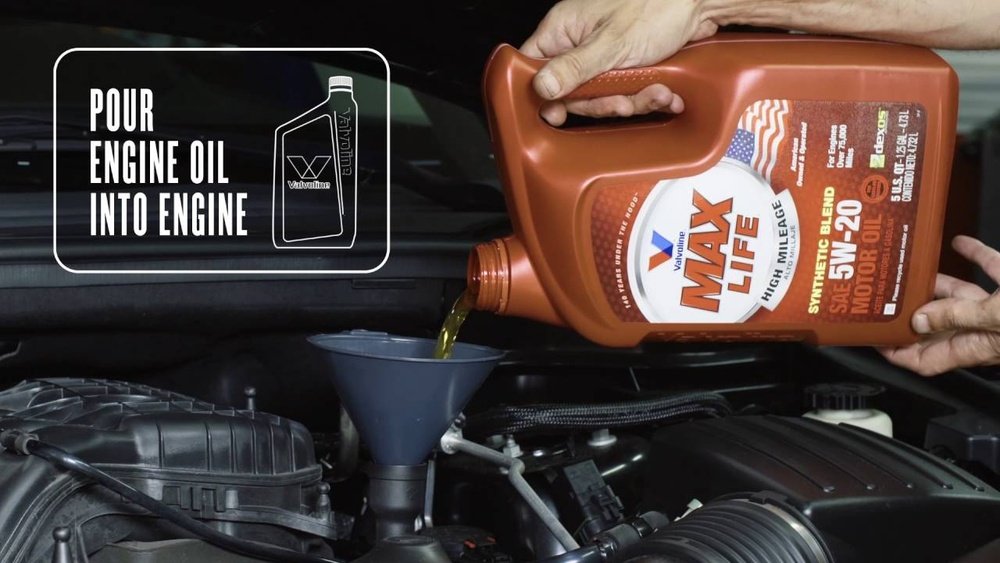
5. Add New Oil
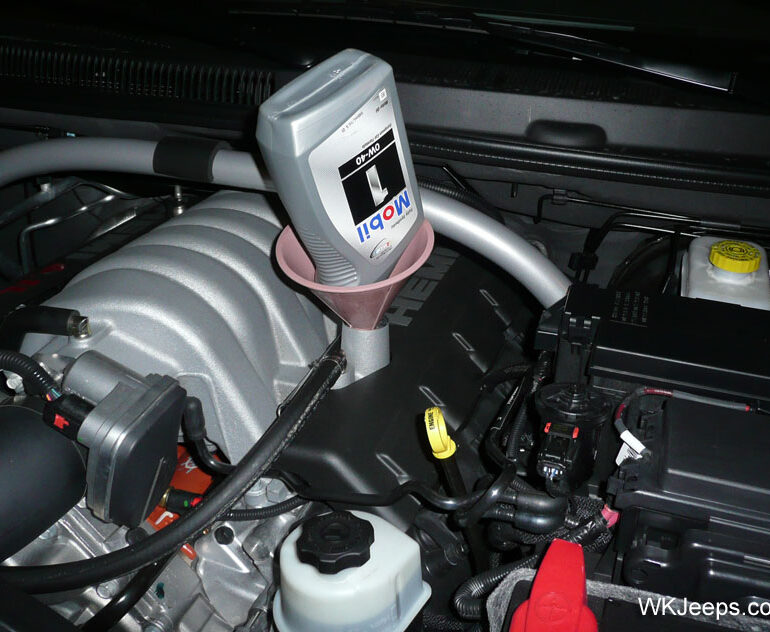
- Remove the oil fill cap on top of the engine.
- Insert a funnel and pour in the correct amount of new oil.
- Replace the cap.
6. Check For Leaks And Oil Level
- Start the engine and let it run for 1–2 minutes.
- Turn off the engine and check under the car for leaks.
- Wait a few minutes, then use the dipstick to check the oil level. Add more if needed.
7. Dispose Of Old Oil Properly
Never pour used oil down the drain. Bring it to an authorized recycling center or auto parts store.
Common Mistakes To Avoid
Even experienced DIYers can make mistakes. Watch out for these:
- Using the wrong oil type or filter: Always match your Jeep’s specs.
- Over-tightening the oil filter: This can damage the seal or housing.
- Forgetting to replace the drain plug: Double-check before adding new oil.
- Not checking for leaks: Always inspect under the vehicle after starting the engine.
Quick Comparison: Diy Vs. Professional Oil Change
Wondering if you should do it yourself or go to a shop? Here’s a simple comparison:
| Aspect | DIY | Professional Shop |
|---|---|---|
| Cost | $30–$60 | $60–$120 |
| Time Needed | 30–45 minutes | 1–2 hours (including waiting) |
| Convenience | At home, any time | Appointment or drop-in |
| Learning Value | High | None |
Many owners find that doing their own oil changes gives them confidence and a better understanding of their vehicle.
Signs You Need An Oil Change
Don’t always rely on the odometer. Watch for these signs:
- Engine noise or knocking
- Oil change light or check engine light on the dashboard
- Dark, dirty oil when checked with the dipstick
- Burning smell from the engine
If you notice these, it’s best to change your oil soon.
Pro Tips For A Clean And Easy Oil Change
- Warm up your engine for 2–3 minutes before starting—this thins the oil and helps it drain.
- Always keep extra rags handy for accidental spills.
- Mark your calendar or set a reminder for your next oil change.
Recommended Resources
For more details about your specific model and engine, the official Jeep Owners Manual is a reliable source.
Frequently Asked Questions
How Often Should I Change The Oil In My Jeep Grand Cherokee?
Most models need an oil change every 5,000 to 7,500 miles. If you drive in tough conditions (extreme heat, towing, lots of short trips), change it sooner.
What Kind Of Oil Is Best For My Grand Cherokee?
Always use the type and weight recommended in your owner’s manual, like 5W-20 for most recent engines. Synthetic oil is often better for protection and longevity.
Can I Reuse The Old Oil Filter?
No. Always use a new oil filter with every oil change. Old filters can clog and reduce engine protection.
How Do I Know If I Put In The Right Amount Of Oil?
Check the dipstick after filling and letting the engine run for a couple of minutes. The oil level should be between the “min” and “max” marks.
Is It Safe To Change My Jeep’s Oil Myself?
Yes, if you follow the steps, use the right tools, and work safely. Take your time and don’t skip any instructions.
Changing your own oil gives you better knowledge of your Jeep Grand Cherokee and helps you spot other issues early. With a little patience, you can save money and keep your SUV running smoothly for years to come.