Changing the oil in your Jeep is one of the most important maintenance tasks you can do yourself. Regular oil changes keep your engine running smoothly, help prevent expensive repairs, and extend the life of your vehicle.
Many Jeep owners are surprised how easy this process is with the right tools and clear instructions.
Whether you drive a Wrangler, Cherokee, or Grand Cherokee, the steps are quite similar. This guide will show you each stage of the oil change, highlight common mistakes, and offer tips that even experienced owners often overlook.
Tools And Materials Needed
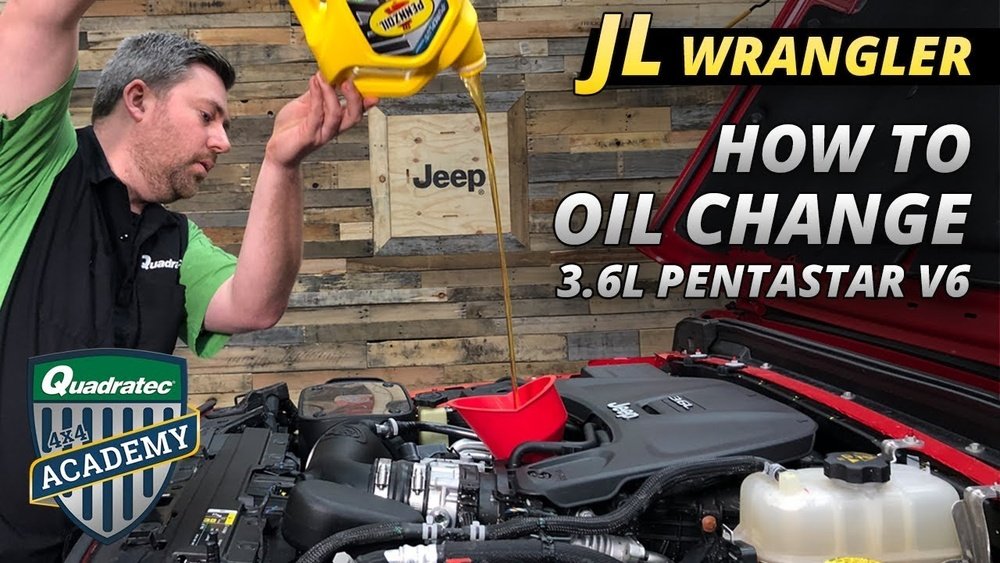
Before starting, gather everything you need. Having all items ready will save time and prevent frustration.
- Socket wrench (usually 13mm or 15mm, depending on model)
- Oil filter wrench
- Drain pan (at least 6-quart capacity)
- Jack and jack stands (or ramps)
- New oil filter
- New engine oil (check your Jeep’s manual for exact type and quantity)
- Gloves and rags
For most Jeeps, you’ll need 5-6 quarts of 5W-20 or 5W-30 oil. If unsure, check your owner’s manual or the oil cap.
Preparing Your Jeep
Park your Jeep on a level surface. Let the engine cool for at least 15 minutes if it was running.
Warm oil drains faster, but hot oil can burn your skin. Put on gloves and raise your Jeep using a jack and stands or ramps for safe access underneath.
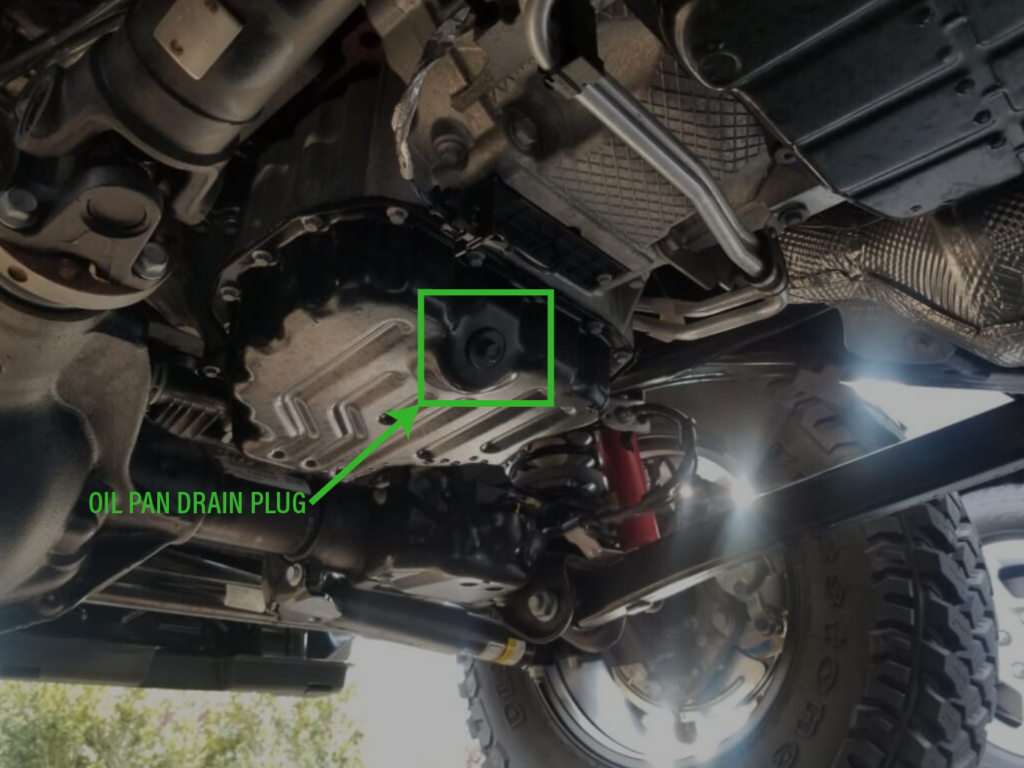
Double-check that you have enough clearance to reach the oil drain plug and oil filter. Some Jeep models, especially Wranglers, have skid plates. These need removal before you can access the drain plug. Always secure your Jeep before crawling underneath.
Draining The Old Oil
Locate the oil drain plug under the engine. It’s usually a large bolt facing downwards or sideways. Place the drain pan directly below.
- Use your socket wrench to loosen the drain plug. Turn slowly—oil will start flowing quickly.
- Remove the plug and let oil drain for several minutes.
- Check the oil for metal shavings or milky appearance. These are signs of engine trouble.
- Once oil flow slows to drips, wipe the plug and area clean.
- Replace the drain plug and tighten snugly, but do not overtighten. Over-tightening can damage threads.
Removing And Replacing The Oil Filter
The oil filter is usually located near the engine block. It may be tight, so use an oil filter wrench.
- Turn the filter counterclockwise to remove.
- Expect some oil to spill, so keep the pan underneath.
- Make sure the old filter’s rubber gasket comes off with it. If left behind, leaks can occur.
- Lubricate the new filter’s gasket with a dab of fresh oil.
- Screw on the new filter by hand. Tighten until snug—do not use the wrench to overtighten.
Many Jeep owners forget the gasket step, which can cause leaks. Always check carefully.
Adding New Oil
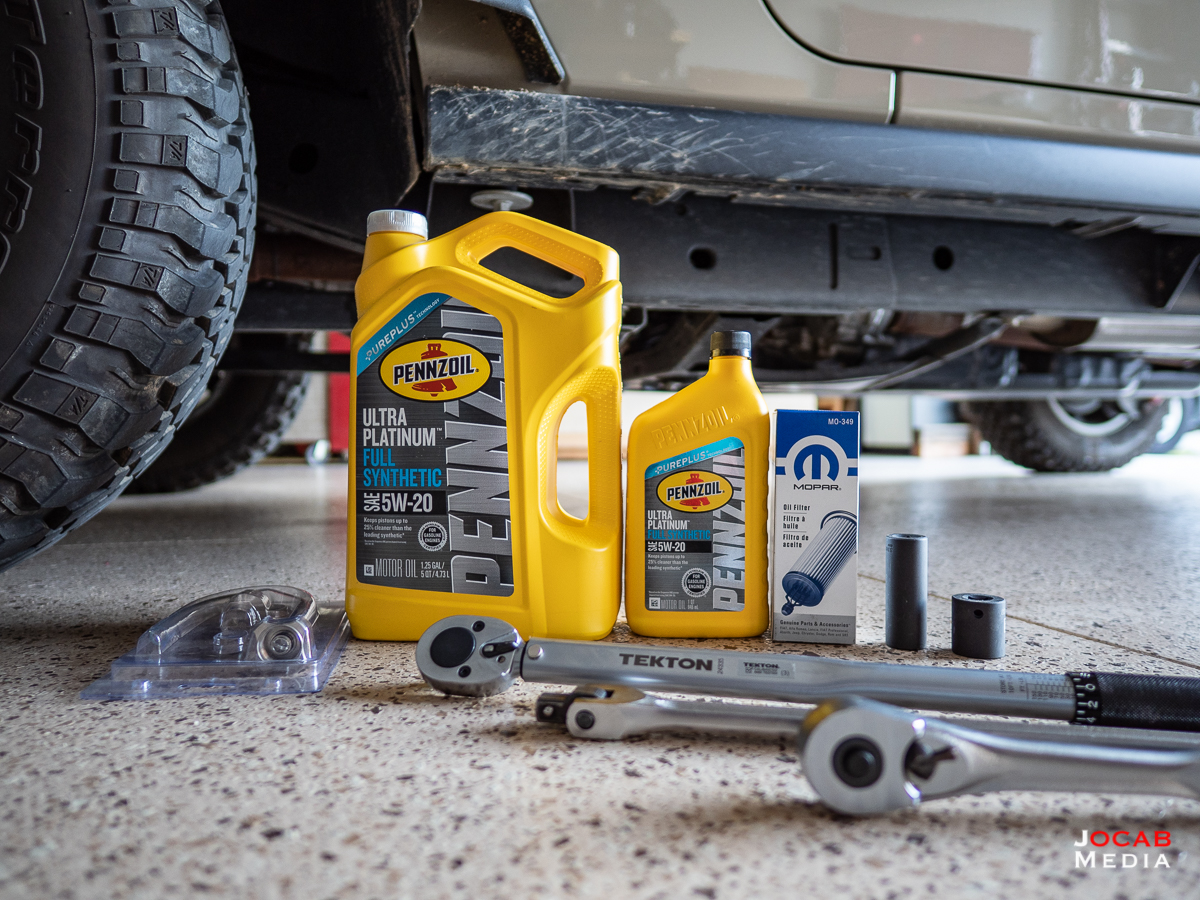
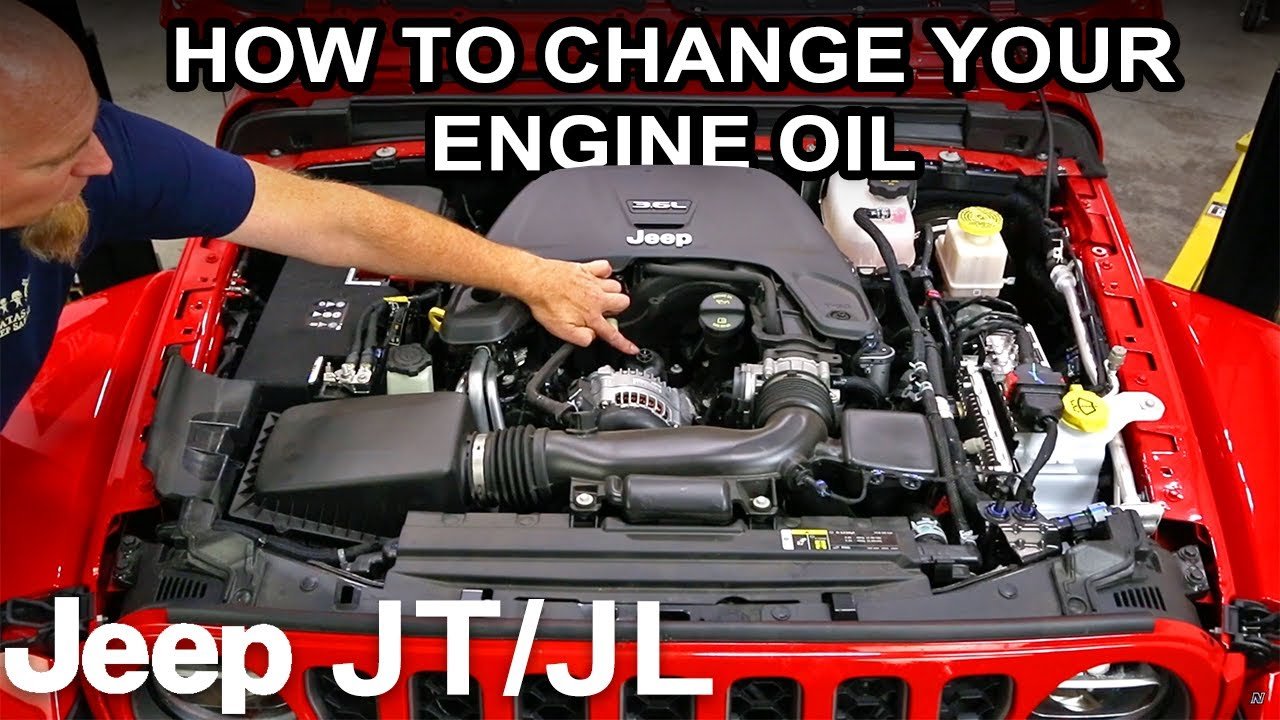
Find the oil fill cap, usually marked “Engine Oil,” on top of the engine.
- Remove the cap and insert a funnel.
- Pour in the correct amount of new oil slowly. Most Jeeps take 5-6 quarts.
- Replace the cap and start the engine. Let it run for one minute.
- Turn off the engine and wait two minutes.
- Check the oil level using the dipstick. Add more if needed, but do not overfill.
Oil Capacity Comparison
Here’s a quick look at oil capacities for popular Jeep models:
| Jeep Model | Engine Type | Oil Capacity (Quarts) |
|---|---|---|
| Wrangler (3.6L V6) | Gasoline | 5.0 |
| Cherokee (2.4L I4) | Gasoline | 5.5 |
| Grand Cherokee (5.7L V8) | Gasoline | 7.0 |
Check your manual for exact numbers.
Final Steps And Clean-up
Dispose of old oil and filter properly. Most auto parts stores offer free recycling.
Never pour oil down drains or into the ground it’s illegal and harms the environment.
Wipe any spilled oil from the engine or driveway. Double-check all caps and bolts are secure.
Record the mileage and date for your next oil change.
Oil Filter Quality Comparison
Choosing a good oil filter is important. Here’s how three common options compare:
| Brand | Filter Type | Price Range | Performance |
|---|---|---|---|
| Fram | Standard | $5–$8 | Basic protection |
| Mobil 1 | Synthetic | $10–$15 | High filtration |
| K&N | Performance | $12–$17 | Enhanced durability |
Synthetic filters last longer, but standard filters are fine for regular driving.
Tips And Common Mistakes
Many Jeep owners make errors during oil changes. Here are some key tips:
- Always use the correct oil weight. Using the wrong oil can damage your engine.
- Never overtighten the drain plug or filter. Stripped threads are expensive to fix.
- Always check for leaks after finishing. Run the engine and inspect the area.
- Change oil every 5,000 to 7,500 miles for most Jeeps. Short trips or off-road driving may require more frequent changes.
- Don’t skip the oil filter. Dirty filters reduce engine life.
Experienced owners recommend checking for leaks twice: once after the engine runs, and again after a short drive. This catches problems before they become serious.
Cost And Time Estimate
Changing oil yourself is much cheaper than using a shop. Here’s a quick breakdown:
| Item | Average Cost |
|---|---|
| Engine Oil (5-6 quarts) | $25–$35 |
| Oil Filter | $5–$15 |
| Total DIY Cost | $30–$50 |
| Shop Service | $70–$120 |
Most people finish the job in 30–45 minutes. With practice, it gets faster.
Frequently Asked Questions
How Often Should I Change Oil In My Jeep?
Most Jeeps need an oil change every 5,000 to 7,500 miles. If you drive off-road or in extreme heat, change oil more often.
What Type Of Oil Does My Jeep Need?
Check your owner’s manual. Most recent Jeeps use 5W-20 or 5W-30 synthetic oil. Never use oil not approved for your engine.
Can I Change Oil Without Lifting The Jeep?
Some models, like the Cherokee, have enough ground clearance to reach the drain plug. For Wranglers and Grand Cherokees, you usually need ramps or a jack.
How Do I Dispose Of Used Oil And Filters?
Bring them to a local auto parts store or recycling center. It’s illegal to dump oil. For more info, see EPA Used Oil Recycling.
What Are Signs Of Bad Oil Or Engine Trouble?
Look for metal shavings in oil, a milky appearance, or bad smells. If you see these, have your engine checked by a mechanic.
Changing oil in your Jeep is a simple task that saves money and keeps your vehicle reliable. With careful steps, good tools, and the right oil, you’ll keep your engine running strong for years.
Even if you’re new to car maintenance, following this guide makes the process safe and easy.