Changing the wheel cylinder on your Jeep YJ drum brakes can seem challenging, but with the right steps and some patience, you can do it at home. The wheel cylinder is a small but important part of your rear braking system. If it leaks or sticks, you may lose braking power or even fail a safety inspection. In this guide, you’ll learn how to replace a worn or leaking wheel cylinder on a Jeep YJ, plus some tips that even seasoned DIYers sometimes overlook.
Why Wheel Cylinder Replacement Matters
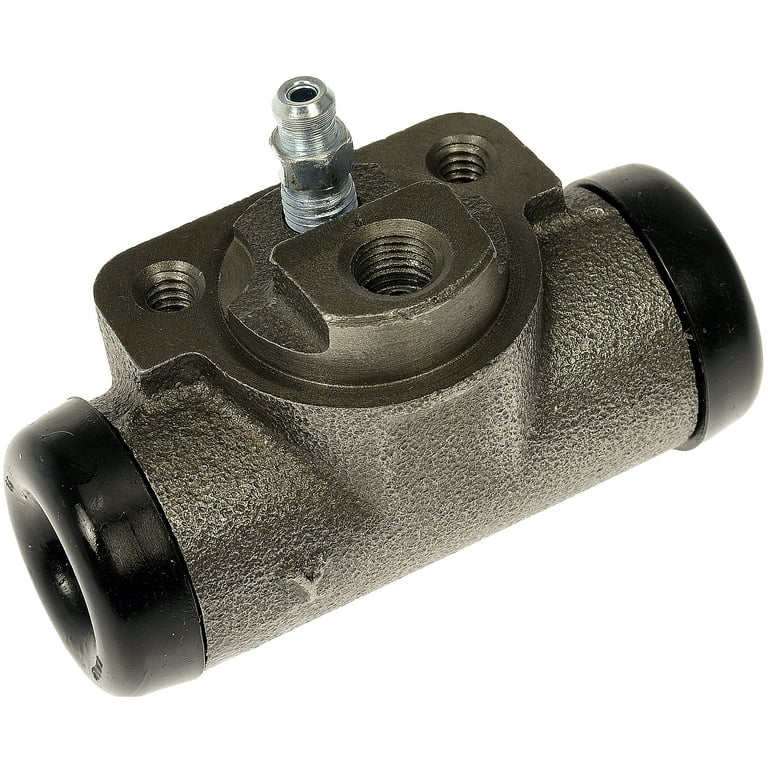
A wheel cylinder pushes the brake shoes outward against the drum when you press the brake pedal. Over time, the seals inside can wear out, causing brake fluid to leak. This can result in a spongy brake pedal, poor stopping power, or fluid dripping from the backing plate. Replacing a bad wheel cylinder restores safe braking and helps prevent further damage to other brake parts.
Many Jeep YJ owners delay this job because drum brakes look complicated. But with a methodical approach, you’ll find the process logical and very doable even for a weekend mechanic. Plus, you’ll save significant labor costs.
Tools And Parts You’ll Need
Preparation is key. Gather all tools and parts before starting. Here’s what you’ll need:
- New wheel cylinder (left or right side; they are usually side-specific)
- New brake shoes (optional but recommended if shoes are worn or soaked in fluid)
- Brake fluid (DOT 3 or as specified for your YJ)
- Jack and sturdy jack stands
- Lug wrench
- Socket set (especially 10mm or 11mm for brake lines)
- Line wrench (for brake line fitting)
- Flat screwdriver or brake spoon
- Needle-nose pliers
- Hammer and punch
- Brake cleaner
- Catch pan
- Rags or shop towels
- Bleeder kit or clear hose and bottle
Pro tip: Have a friend help with brake bleeding. If not, a one-man bleeder kit can work in a pinch.
Safety First
Never work under a vehicle supported by a jack alone. Always use jack stands on solid ground. Wear safety glasses to protect your eyes from dust and brake fluid.
Step-by-step: Removing The Old Wheel Cylinder
Follow these steps for a typical Jeep YJ rear drum brake.
1. Secure The Jeep
- Park on level ground.
- Set the parking brake (unless you’re working on the rear brakes—then chock the front wheels instead).
- Loosen lug nuts before lifting the vehicle.
- Jack up the rear axle and place jack stands under the axle tubes.
2. Remove The Wheel And Drum
- Remove the wheel completely.
- Slide off the brake drum. If it’s stuck, tap gently around the drum’s edge with a hammer.
- Sometimes, rust holds the drum. Use penetrating oil and patience—never hit the drum too hard.
3. Inspect The Brake Assembly
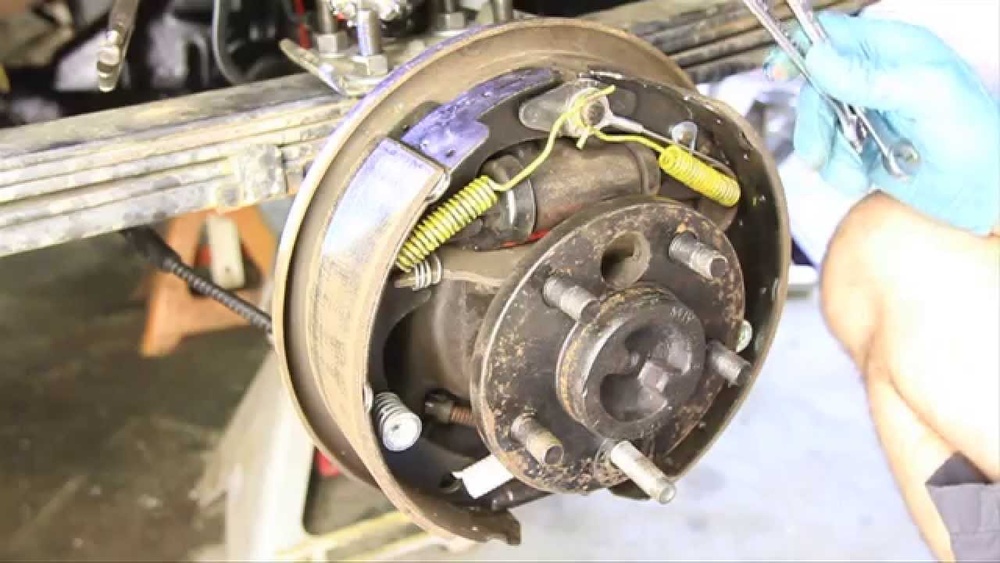
Take a picture or make a sketch of the springs and levers. Drum brakes have many small pieces that must go back in the same place.
4. Remove Brake Shoes And Hardware
- Use pliers or a brake tool to remove the return springs.
- Pull the shoes apart and disconnect the adjuster mechanism.
- Remove the lower spring and parking brake lever if needed.
- Set all parts aside in order.
5. Disconnect The Brake Line
- Place a catch pan under the wheel cylinder.
- Use a line wrench to loosen the brake line at the cylinder. Don’t force it; if the fitting is stuck, apply more penetrating oil and try again in a few minutes.
- Once loose, gently pull the line out of the cylinder port.
6. Unbolt And Remove The Wheel Cylinder
- The cylinder is held by two small bolts at the back of the backing plate (usually 10mm).
- Remove both bolts and slide out the old wheel cylinder.
- Watch for any shims or spacers.
Tip: Check the brake line fitting and threads for rust. Clean or replace if they look damaged.
Table: Common Wheel Cylinder Sizes For Jeep Yj
Below is a quick comparison of common wheel cylinder sizes you may find when ordering parts:
| Model Year | Rear Axle Type | Wheel Cylinder Bore Size (inches) |
|---|---|---|
| 1987–1990 | Dana 35 | 13/16” |
| 1991–1995 | Dana 35 | 7/8” |
| All Years | Dana 44 | 7/8” |
Check your axle type and always confirm the correct part before installation.
Installing The New Wheel Cylinder
1. Clean The Area
Spray brake cleaner on the backing plate and shoe area to remove old fluid and dust. Wear gloves; brake dust can be harmful.
2. Position The New Cylinder
- Place the new wheel cylinder into the backing plate.
- Align the bolt holes and start the mounting bolts by hand.
- Tighten both bolts evenly.
3. Reconnect The Brake Line
- Thread the brake line fitting in by hand to avoid cross-threading.
- Tighten gently—do not overtighten, as the fitting is soft metal.
- Check for leaks once the system is bled.
4. Reassemble The Brake Shoes And Hardware
- Reinstall the brake shoes, springs, and adjuster in the same order as removal.
- Make sure all springs are hooked properly and the shoes sit flush against the backing plate.
Insider tip: Lubricate contact points on the backing plate with a tiny dab of high-temp brake grease. This prevents squeaks and uneven shoe wear.
5. Reinstall The Drum
- Slide the drum back over the shoes.
- If it doesn’t fit, double-check shoe placement or retract the adjuster.
- The drum should slide on snugly, but not with force.
Table: Brake Hardware Kit Vs Individual Parts
Here’s a simple comparison to help you decide if you need a full hardware kit:
| Option | Includes | When to Use |
|---|---|---|
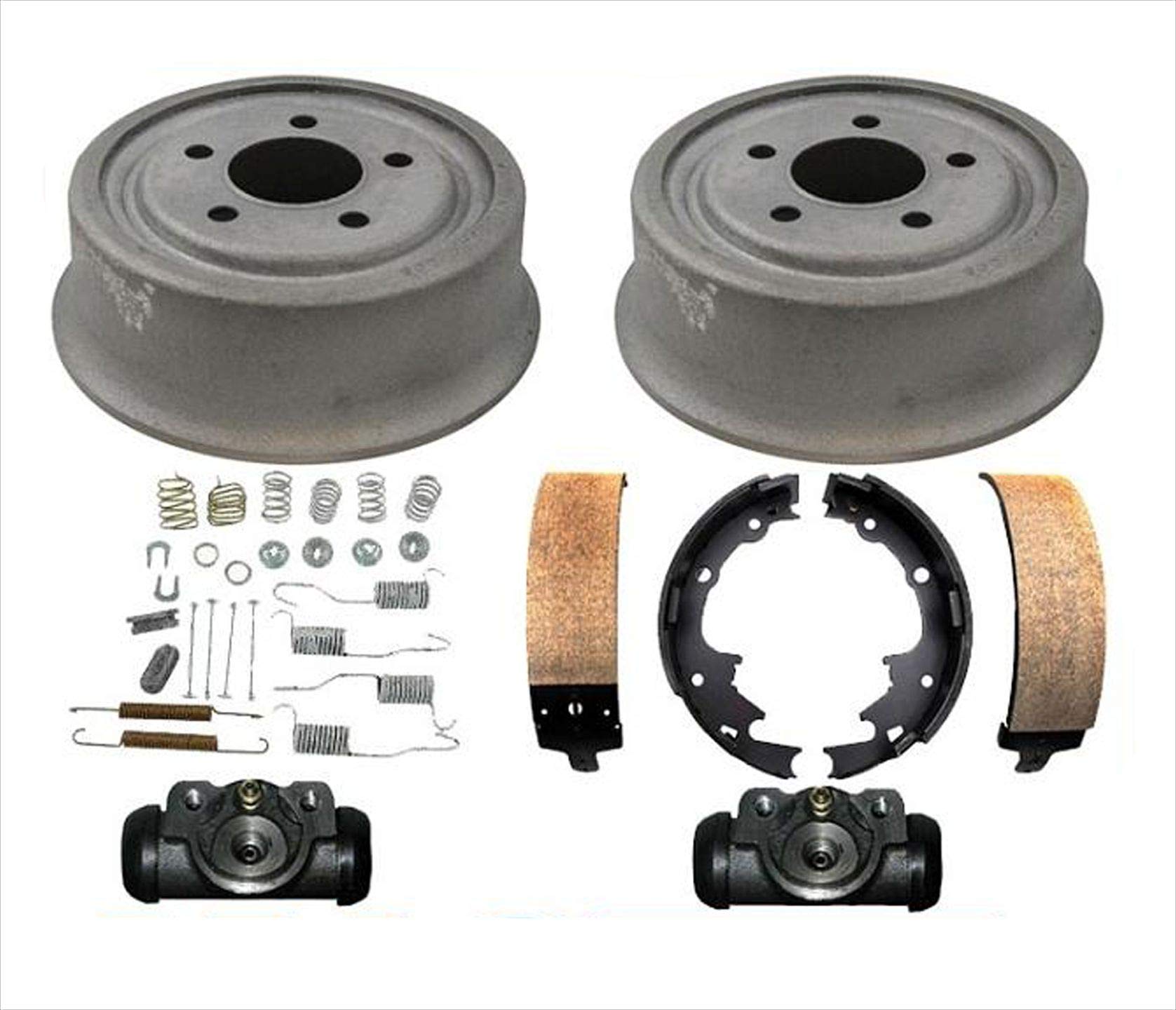
| Hardware Kit | All springs, pins, clips | If parts are rusty or broken |
| Individual Parts | Single spring, pin, etc. | Only if a specific part is missing |
For most DIYers, a new hardware kit is cheap insurance against future problems.
Bleeding The Brakes
Air in the brake line makes the pedal feel spongy and reduces stopping power. Bleeding the brakes is a must after any wheel cylinder replacement.
1. Fill The Master Cylinder
Open the hood and fill the brake fluid reservoir with fresh fluid. Keep the cap off but nearby.
2. Bleed At The Wheel Cylinder
- Push a clear hose onto the bleeder screw on the new wheel cylinder.
- Place the other end in a bottle with some brake fluid.
- Have a helper pump the brake pedal slowly.
- Open the bleeder screw a quarter-turn; fluid and air bubbles will come out.
- Close the screw before your helper releases the pedal.
- Repeat until only clear fluid comes out and no bubbles are visible.
3. Top Off Fluid
Check and refill the brake fluid reservoir as needed. Never let it run dry, or you’ll introduce more air into the system.
4. Check For Leaks
After bleeding, inspect all connections for leaks. Tighten fittings if needed.
Non-obvious insight: Even a tiny leak at the wheel cylinder can quickly empty your brake system. Always double-check after your first short test drive.
Adjusting The Brake Shoes
Proper adjustment gives good pedal feel and even braking.
- Insert a brake spoon or flat screwdriver through the backing plate slot.
- Turn the adjuster wheel to expand the shoes until the drum just begins to drag.
- Spin the drum by hand to check for smooth rotation.
If the shoes are too tight, backing up and braking firmly a few times will let the self-adjuster set the right position.
Table: Signs Your Wheel Cylinder Needs Replacement
This table highlights key symptoms of a failing wheel cylinder:
| Symptom | What It Means | Urgency |
|---|---|---|
| Fluid dripping from backing plate | Internal seal failure | High—replace now |
| Soft or spongy pedal | Air or fluid leak in system | High—inspect and repair |
| Uneven braking | One cylinder not working | Medium—should be fixed soon |
Final Checks And Test Drive
Before you finish:
- Press the brake pedal several times. It should feel firm.
- Check all wheels for leaks.
- Reinstall the wheel, tighten lug nuts, and lower the Jeep.
- Test drive at low speed. Listen for noises and check that the brakes stop smoothly and evenly.
Common Mistakes And How To Avoid Them
- Mixing up springs: Always lay out parts as you remove them.
- Cross-threading the brake line: Start threading by hand.
- Skipping brake adjustment: This can cause poor braking or uneven shoe wear.
- Not cleaning old fluid: Brake fluid attracts moisture and can corrode parts.
When To Seek Help
If the brake line fitting is rusted or snaps, or if you’re unsure of reassembly, it’s wise to consult a professional. Brakes are a safety system never guess if you’re not sure.
Useful Resource
For more in-depth diagrams and specifications, the official Jeep Wrangler Wikipedia page covers the Jeep YJ model years.
Frequently Asked Questions
How Do I Know If My Jeep Yj Wheel Cylinder Is Bad?
Look for brake fluid leaks at the back of the rear wheel, a soft brake pedal, or uneven stopping. Removing the drum and seeing fluid around the wheel cylinder is a clear sign it needs replacement.
Can I Change Just One Wheel Cylinder, Or Should I Do Both Sides?
It’s best to replace both rear wheel cylinders at the same time. If one has failed, the other is likely worn too. This ensures even braking and saves time in the long run.
Do I Need To Bleed All Four Brakes After Replacing A Wheel Cylinder?
You only need to bleed the brake line that was opened, usually the rear on the side you worked on. However, bleeding both rears (or the whole system, if the fluid is old) gives the best results.
What Size Wheel Cylinder Does My Jeep Yj Use?
Most Jeep YJs use a 13/16” or 7/8” bore wheel cylinder, depending on the rear axle type and year. Always check your specific model for the correct size.
Is It Okay To Reuse Old Brake Shoes?
If the brake shoes are not soaked with brake fluid and still have plenty of friction material, you can reuse them. If there’s any doubt, or if they’re worn unevenly, it’s safest to install new shoes.
Replacing the wheel cylinder on your Jeep YJ drum brakes is a satisfying job that can restore your braking confidence. With careful steps and proper bleeding, you’ll be back on the road safely—knowing the job was done right.