If you own a Jeep Wrangler, you probably love its ability to tackle rough terrain. One of the Wrangler’s most useful features is 4 wheel drive (4WD), which gives your vehicle more grip and control on difficult roads.
But if you’re new to Jeeps, switching from two-wheel drive (2WD) to 4WD can be confusing. Many drivers worry about damaging their vehicle or using the wrong setting.
This guide will walk you through exactly how to change your Jeep Wrangler into 4 wheel drive, explain each 4WD mode, and share tips for safe and effective use.
Understanding Jeep Wrangler 4wd Systems
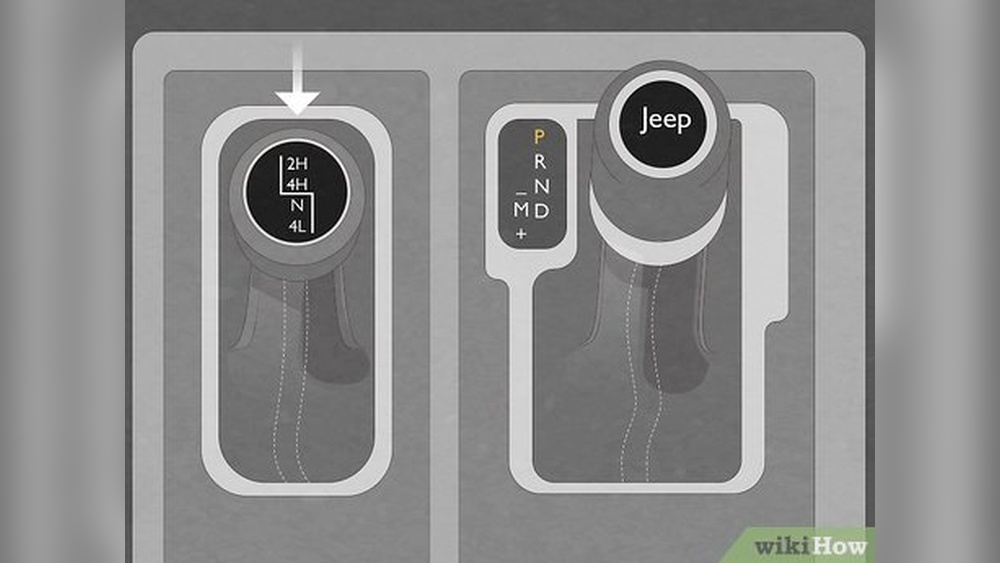
Before switching into 4WD, it’s important to know which system your Jeep has. Most Wranglers use either the Command-Trac or Rock-Trac system, each with similar controls. Both systems offer several modes, including 2H (Two-High), 4H (Four-High), N (Neutral), and 4L (Four-Low). Each mode serves a specific purpose, so using the right one matters for safety and performance.
Command-trac Vs. Rock-trac
The Command-Trac system is common in Sport and Sahara models, while Rock-Trac is found in Rubicon and higher trims. The Rock-Trac offers stronger gears for serious off-roading. However, the process for engaging 4WD is similar in both.
The Four Main 4wd Modes Explained
Every Jeep Wrangler driver needs to understand these four modes. Let’s look at each one and when to use them.
1. 2h (two-wheel Drive High)
2H is the standard driving mode. In this setting, power goes to the rear wheels only. It’s best for:
- Dry pavement
- Highway driving
- Normal city roads
2H gives you better gas mileage and a smooth ride. Avoid using 4WD on dry roads, as it can stress your drivetrain and reduce fuel efficiency.
2. 4h (four-wheel Drive High)
4H provides power to all four wheels. This mode is for:
- Snowy or icy roads
- Loose gravel
- Muddy conditions
- Rain-soaked surfaces
You can shift into 4H while driving at low speeds (usually below 55 mph/88 kph). This mode offers extra traction without reducing your speed much.
3. N (neutral)
Neutral disconnects both the front and rear driveshafts from the transmission. The Jeep won’t move under its own power in this mode. Use N only when:
- Towing your Jeep
- Flat-towing behind another vehicle
Never drive in Neutral unless you’re being towed. Doing so can damage your transmission.
4. 4l (four-wheel Drive Low)
4L is for serious off-road situations. It multiplies torque, making your Jeep crawl slowly with lots of power. Use 4L for:
- Steep hills
- Deep mud or sand
- Rock crawling
- Pulling heavy loads at slow speed
You must be stopped or almost stopped to shift into 4L. Driving fast in 4L can cause major damage.
How To Shift Between 4wd Modes
Switching between drive modes is simple, but you need to follow the right steps to protect your transfer case and drivetrain. Here’s how to change each mode:
Shifting From 2h To 4h
- Slow down to below 55 mph (88 kph).
- Keep the Jeep in drive (automatic) or gear (manual).
- Pull the 4WD lever (usually next to the gear shift) straight back from 2H to 4H.
- You may hear a light “clunk”—this is normal.
Most modern Wranglers allow “shift-on-the-fly” between 2H and 4H. You don’t need to stop.
Just make sure you’re not spinning the wheels or driving too fast.
Shifting From 4h To 2h
- Ease off the accelerator.
- Push the lever forward from 4H to 2H.
- You can do this while moving.
Shifting From 4h To 4l (and Back)
- Bring the Jeep to a stop (or under 3 mph).
- Shift the transmission to Neutral (N).
- Firmly pull the 4WD lever from 4H to 4L.
- Wait for the indicator light to show you’re in 4L.
- Shift the transmission back to Drive or 1st gear.
To return to 4H, repeat the process: stop, shift to Neutral, move the lever from 4L to 4H, and return to Drive.
Shifting To Neutral (n)
- Only use this mode if you are flat-towing the Jeep.
- Always check your owner’s manual for the exact process, as mistakes here can damage your Jeep.
Comparison: 4h Vs. 4l Vs. 2h
It’s easy to confuse when to use each mode. Here’s a quick comparison:
| Mode | Best For | Speed | Surface |
|---|---|---|---|
| 2H | Normal driving | Any | Dry pavement |
| 4H | Slippery roads | Up to 55 mph | Snow, mud, gravel |
| 4L | Extreme off-road | Low only | Steep hills, deep mud |
| N | Towing only | 0 (towed) | Any |
Practical Tips For Using 4wd
Switching to 4WD is not just about pulling a lever. Here are some key tips to keep your Jeep running smoothly:
- Engage 4WD before you need it. Don’t wait until you’re stuck.
- Avoid sharp turns in 4H or 4L on dry pavement—this can cause “driveline binding,” which may damage your Jeep.
- Listen for noises. Loud grinding or clunks mean something is wrong.
- Practice shifting in a safe area before heading off-road.
- Check your tires. Uneven tire size or pressure can affect 4WD performance.
What Most Beginners Miss
- Forgetting to shift back to 2H: If you stay in 4H or 4L on dry roads, you risk damaging your drivetrain and burning more fuel.
- Ignoring the owner’s manual: Every Jeep year/model can have slight differences. Always double-check your manual for special instructions.
When Not To Use 4wd
Many drivers believe that more wheels = better all the time. But using 4WD when you don’t need it can be a costly mistake.
- Dry pavement: 4WD increases tire wear and strains the drivetrain.
- High speeds: 4L is only for crawling, never for highway speeds.
- Parking lots: Tight turns in 4WD can cause “wheel hop” or binding.

Troubleshooting Common 4wd Issues
Sometimes, your Jeep may not shift smoothly into 4WD. Here are common problems and what to do:
- Lever feels stuck: Shift to Neutral, roll the Jeep forward or backward a few inches, then try again.
- 4WD light won’t come on: The switch may be faulty, or the system may not be fully engaged.
- Clunking noises: This can mean a problem with the transfer case or driveshaft. Get it checked.
- Vibration at high speed in 4WD: This may be normal on some surfaces, but if it feels severe, inspect your tires and suspension.
Always consult a mechanic if you’re unsure.
Example Scenarios: Choosing The Right Mode
Let’s look at some real-life situations:
Driving On A Snowy Road
- Best mode: 4H
- Why: Gives traction without sacrificing speed.
Off-road Trail With Rocks
- Best mode: 4L
- Why: Extra torque for climbing and crawling.
Daily Commute On Dry Roads
- Best mode: 2H
- Why: Saves fuel and reduces wear.
Getting Towed Behind An Rv
- Best mode: N
- Why: Disconnects drivetrain, prevents transmission damage.
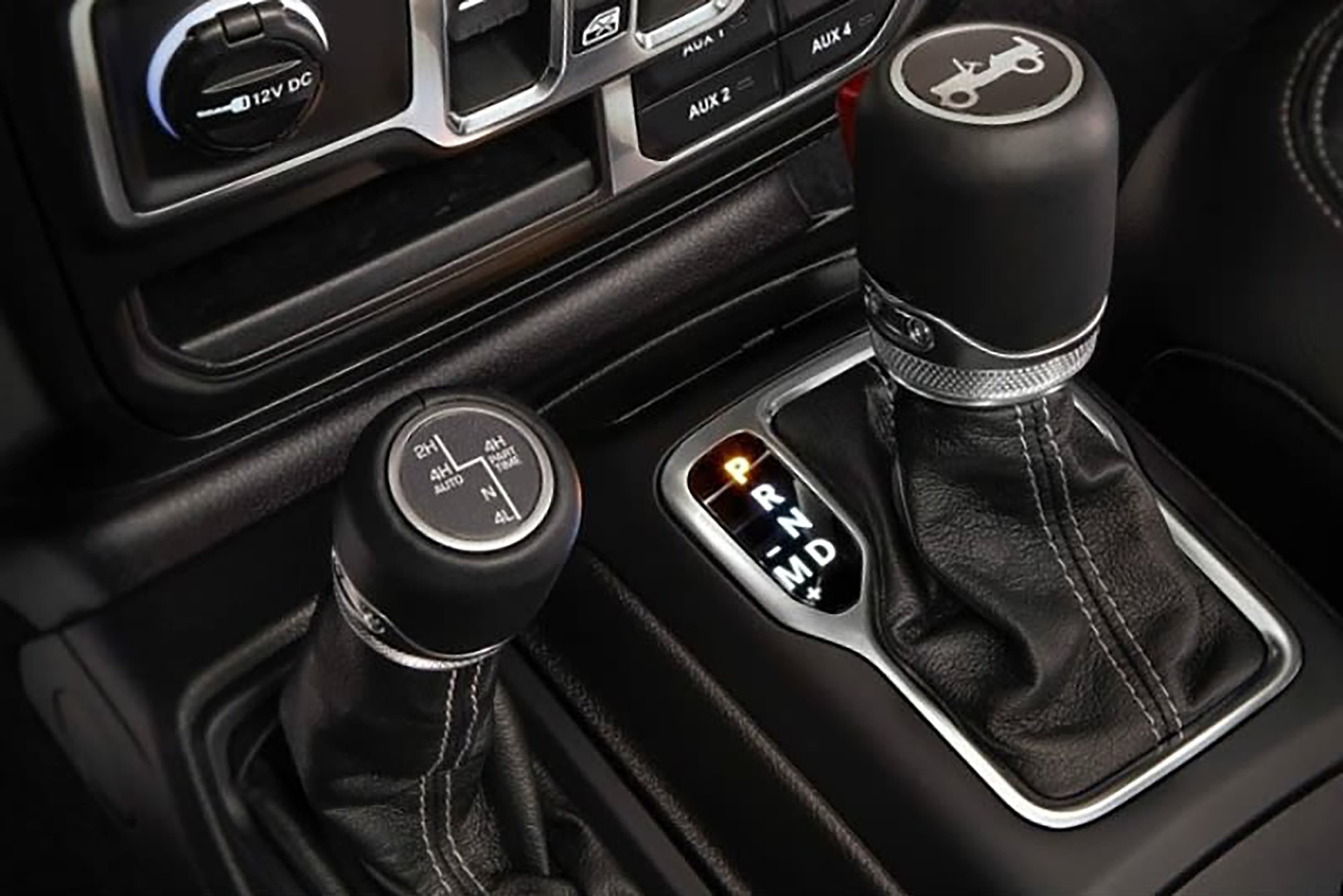
Table: Average Fuel Economy By Drive Mode
Using 4WD affects gas mileage. Here’s a comparison using typical Jeep Wrangler data:
| Drive Mode | Average MPG (City) | Average MPG (Highway) |
|---|---|---|
| 2H | 17 | 23 |
| 4H | 15 | 20 |
| 4L | 10 | N/A |
As you can see, 4WD uses more fuel. Only use it when necessary.
Seasonal Changes: When To Use Each Mode
Different seasons may call for different drive settings. Here’s a quick seasonal guide:
| Season | Recommended Mode | Notes |
|---|---|---|
| Winter (Snow/Ice) | 4H | For slippery roads |
| Spring (Rain/Mud) | 4H or 4L | Use 4L for deep mud |
| Summer (Dry) | 2H | Best for fuel savings |
| Fall (Leaves/Slick) | 4H | Watch for wet leaves |
Advanced Tips: Protecting Your Jeep’s 4wd System
- Change transfer case fluid every 30,000–60,000 miles, or as your manual suggests.
- Inspect your driveshafts for leaks and damage after heavy off-roading.
- Use 4WD at least once a month (even in good weather) to keep parts lubricated.
- Don’t mix tire sizes or brands. Mismatched tires can damage the 4WD system.
Resources For Further Learning
If you want more detailed technical information about the Wrangler’s 4WD, visit the official Jeep Wrangler capability page.
Frequently Asked Questions
How Fast Can I Drive My Jeep Wrangler In 4h?
You can drive up to 55 mph (88 kph) in 4H. Going faster can strain the drivetrain and reduce safety, especially on slippery roads.
Can I Shift Into 4l While Moving?
No, always stop the Jeep or go very slowly (under 3 mph) before shifting into or out of 4L. This prevents damage to the gears.
Is It Bad To Drive In 4wd All The Time?
Yes, using 4WD on dry, hard surfaces can cause extra wear on your tires and drivetrain. Stick to 2H for everyday driving.
What Should I Do If My 4wd Won’t Engage?
First, try rolling the Jeep slowly forward or backward while shifting. If it still won’t engage, check the owner’s manual or see a mechanic—there could be an issue with the transfer case or linkage.
Does Using 4wd Affect My Jeep’s Warranty?
As long as you follow the owner’s manual and use 4WD properly, your warranty is not affected. Misuse, like shifting into 4L at high speed, could void coverage for related damage.
Switching your Jeep Wrangler into 4 wheel drive is simple once you understand the modes and process. Remember to use each setting for the right conditions, practice shifting before you need it, and pay attention to how your Jeep responds.
With these tips, you’ll have confidence on any road or trail your Wrangler faces.