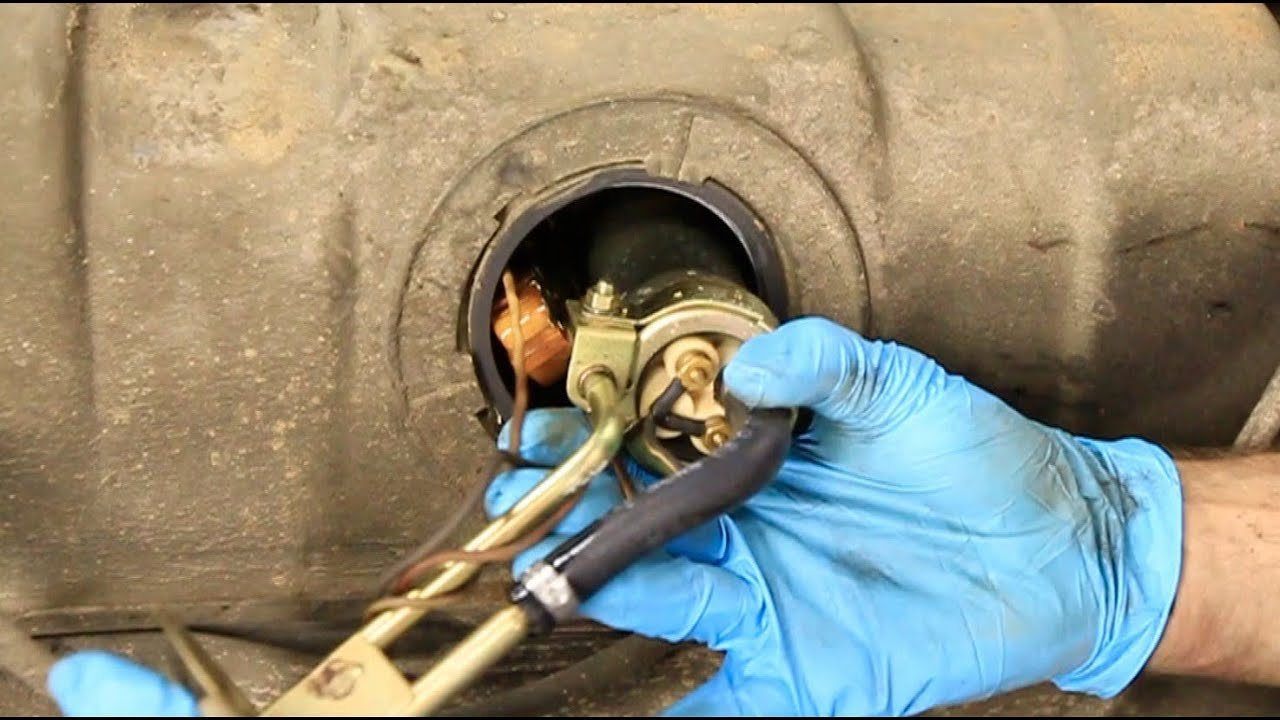
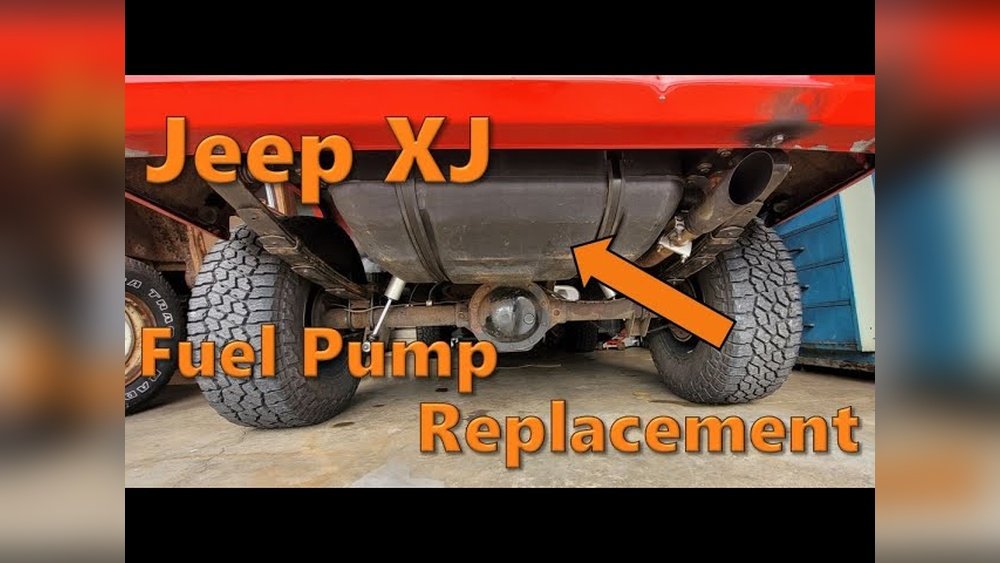
If your 1988 Jeep Cherokee is having trouble starting or stalling while driving, the in-tank fuel pump may be the culprit. Replacing this part might sound intimidating, but with the right steps and tools, it’s a manageable job for a DIYer. This guide shows you how to change the in-tank fuel pump in a 1988 Jeep Cherokee safely and efficiently.
Tools And Supplies You’ll Need
Before you start, gather all necessary items to avoid last-minute trips to the store.
- Socket set (including 8mm, 10mm, 13mm)
- Screwdrivers (flat and Phillips)
- Pliers
- Jack and jack stands
- Fuel line disconnect tool
- Drain pan
- Shop towels
- Safety glasses and gloves
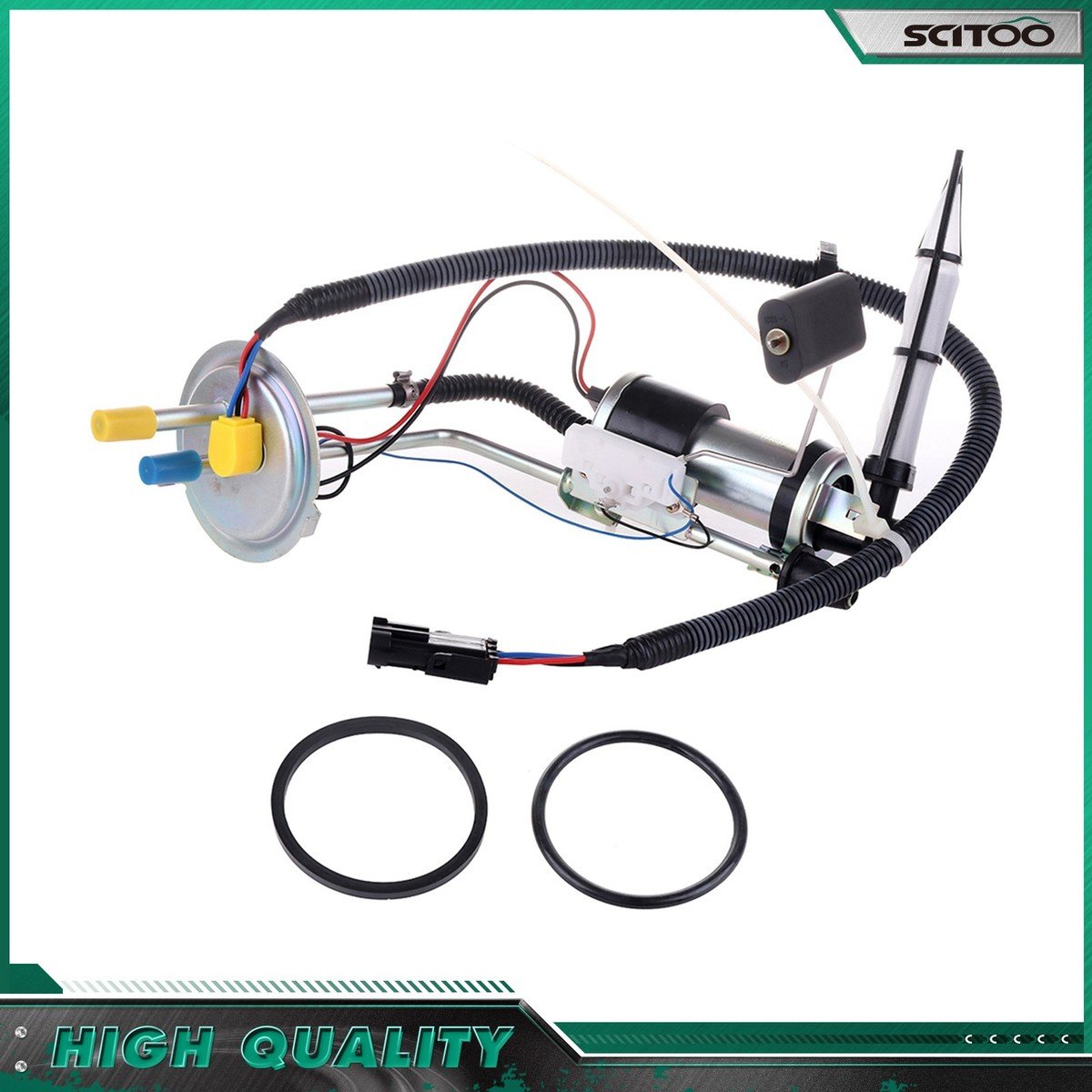
- Replacement fuel pump (correct for 1988 Jeep Cherokee)
- New fuel filter (recommended)
- New O-ring or gasket for pump
Having a friend nearby can make lifting and lowering the tank much easier and safer.
Preparation And Safety
Park your Jeep on a flat surface and set the parking brake. If possible, work when the tank is nearly empty to reduce weight and minimize fuel spillage.
Disconnect the negative battery cable to prevent sparks. Never work near open flames or while smoking gas fumes are highly flammable.
Removing The Fuel Tank
- Lift the rear of the Jeep using a jack and secure it with jack stands.
- Support the fuel tank with a second jack or block of wood.
- Disconnect the fuel filler neck and vent hoses from the tank. These hoses can be stubborn; twist gently to loosen.
- Unplug the electrical connector and remove fuel lines at the front of the tank. Use the fuel line disconnect tool to avoid damaging plastic clips.
- Remove the tank’s retaining straps using a socket wrench. Have a helper steady the tank as you lower it.
- Carefully slide the tank out from under the vehicle.
Non-obvious tip: Label the fuel lines and electrical connectors with tape before disconnecting. This makes reassembly mistake-free, especially if this is your first time.
Replacing The Fuel Pump
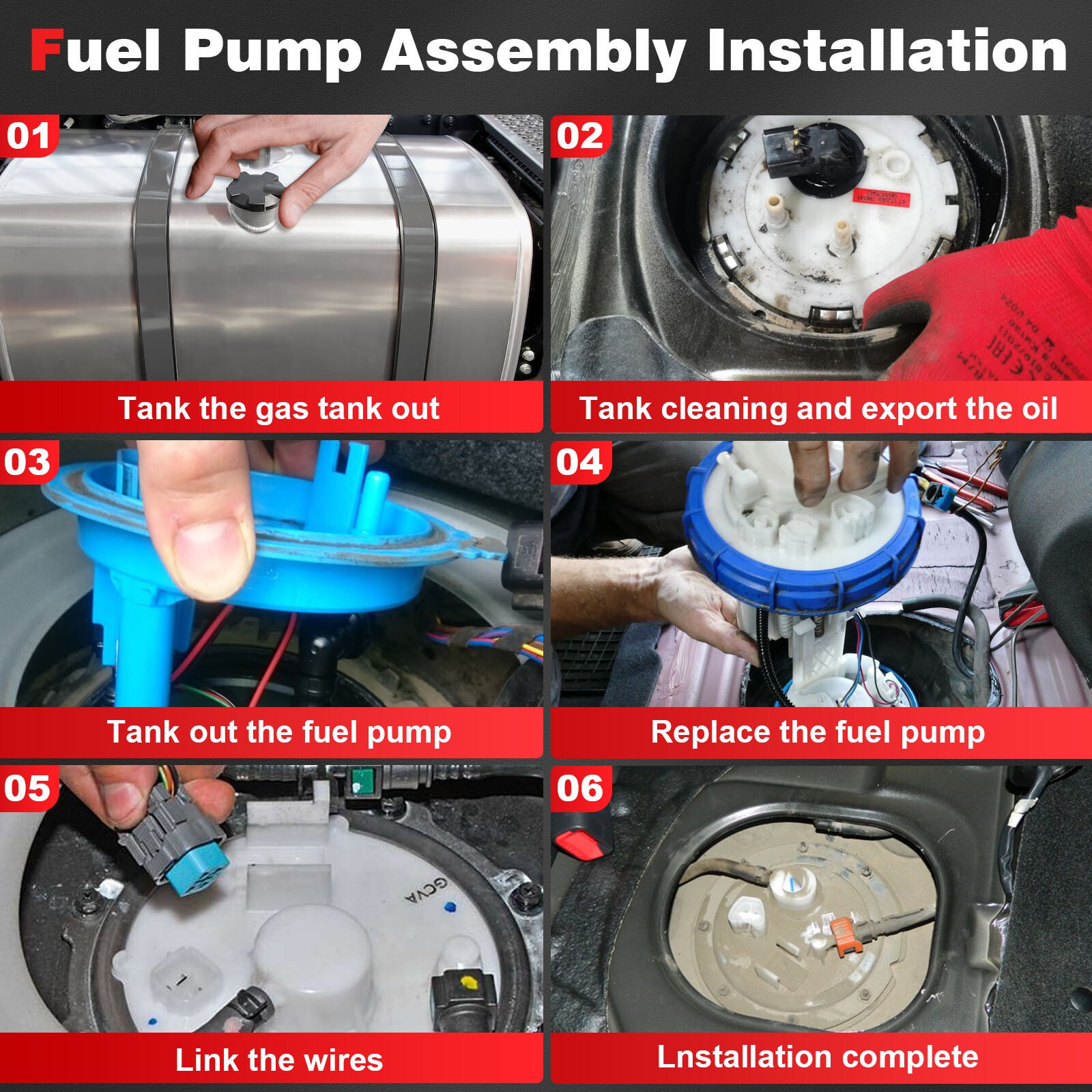
- Clean the top of the tank with a shop towel to prevent debris from entering.
- Remove the locking ring or screws holding the pump assembly in place. A brass punch and hammer can help loosen a stubborn ring.
- Gently lift out the old pump assembly. Be careful not to bend the float arm for the fuel gauge.
- Compare the old and new pumps side-by-side. Make sure the inlet, outlet, and electrical connectors match exactly.
Installing The New Pump
- Install a new O-ring or gasket on the pump opening.
- Place the new pump assembly into the tank, aligning it as the old one was.
- Secure with the locking ring or screws.
- Double-check the seal. A poor seal can cause leaks and fuel smells.
Insight: Many beginners forget to install the new O-ring or reuse the old, brittle one, which often leads to leaks. Always replace the O-ring.
Reinstalling The Fuel Tank
- Slide the tank back under the Jeep.
- Lift it into place and loosely install the retaining straps.
- Reconnect the fuel lines and electrical connectors. Make sure each line matches your earlier labels.
- Reattach the filler neck and vent hoses securely.
- Tighten the tank straps.
Don’t overtighten hoses crushing them can cause leaks.
Testing And Final Checks
- Reconnect the negative battery cable.
- Turn the ignition key to “On” (but do not start) for a few seconds. This primes the new pump.
- Check under the Jeep for leaks.
- Start the engine. It may take a few tries to build pressure.
- Inspect again for leaks and listen for any odd noises.
If all is well, lower the Jeep and clean up. Dispose of any old fuel and parts according to local regulations.
Comparison: Oem Vs Aftermarket Fuel Pumps
Many owners wonder whether to buy an OEM (original equipment manufacturer) or aftermarket pump. Here’s a quick comparison:
| Feature | OEM Pump | Aftermarket Pump |
|---|---|---|
| Fit & Compatibility | Exact match | May vary slightly |
| Warranty | Usually 1 year | Ranges widely |
| Price | Higher | Lower |
| Longevity | Proven quality | Can be hit or miss |
Common Mistakes To Avoid
Most errors happen during reinstallation. Here’s what to watch out for:
- Forgetting the O-ring – Always replace and properly seat it to prevent leaks.
- Crossed fuel lines – Mixing up lines can damage the fuel system.
- Not priming the pump – Cycle the key to build pressure before starting.
- Overtightening bolts – This can strip threads or crack the tank.
- Not replacing the fuel filter – A clogged filter can ruin your new pump.
Cost And Time Estimate
Changing the fuel pump yourself can save a lot. Here’s what to expect:
| Item | DIY Cost | Shop Cost | Time Needed |
|---|---|---|---|
| Fuel Pump | $70–$120 | $250–$400 (with labor) | 2–4 hours |
| Fuel Filter | $15–$25 | May include in labor | 10–20 minutes |
When To Replace The Fuel Pump
- Engine sputters or dies at random
- Jeep won’t start, especially after sitting overnight
- Loss of power on hills or under load
- Loud whining noise from fuel tank area
If your Cherokee has over 100,000 miles, preventative replacement is wise, especially before long trips.
Where To Find Parts
Parts are widely available from auto parts stores and online retailers. Always check your vehicle’s VIN for the exact match. For more details on fuel system repairs, the official Jeep Cherokee (XJ) Wikipedia page offers model history and specifications.
Frequently Asked Questions
How Do I Relieve Fuel Pressure Before Removing The Pump?
Remove the fuel pump relay and start the engine. It will stall once pressure drops.
This reduces fuel spray risk when disconnecting lines.
Can I Replace The Pump Without Dropping The Tank?
On the 1988 Cherokee, you must drop the tank. There is no access panel above the pump.
What Happens If I Install The Wrong Fuel Pump?
Using the wrong model can cause poor fitment, leaks, or incorrect fuel delivery. Always match the pump to your VIN.
Should I Replace The Fuel Filter At The Same Time?
Yes. A new filter protects your new pump and can improve performance. It’s cheap insurance against future problems.
Is It Normal For The Jeep To Crank Longer After Pump Replacement?
Yes, on the first start. The fuel lines need to refill and pressurize.
If it continues, check for leaks or loose connections.
Changing the in-tank fuel pump on your 1988 Jeep Cherokee is a rewarding job that restores reliability and power. Taking care and following these steps helps you avoid common pitfalls and ensures a smooth-running engine for years to come.