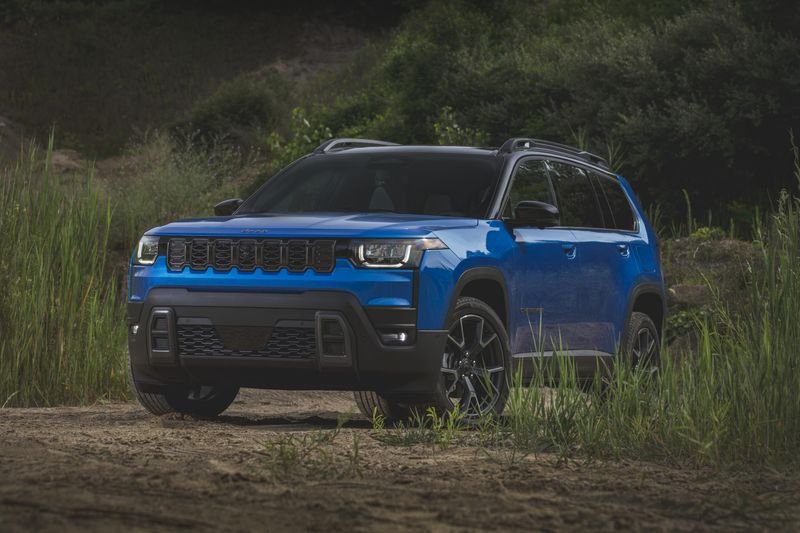
A 2013 Grand Cherokee daytime-running-light issue should start with normal operation. Equipment varies, and a light that behaves differently in Park may still be working as designed.
Quick Answer
The 2013 Grand Cherokee SRT owner’s manual states that DRLs, when equipped, come on at low intensity while the engine is running and the transmission is not in Park. They remain on until ignition is Off or ACC, or the parking brake is engaged.
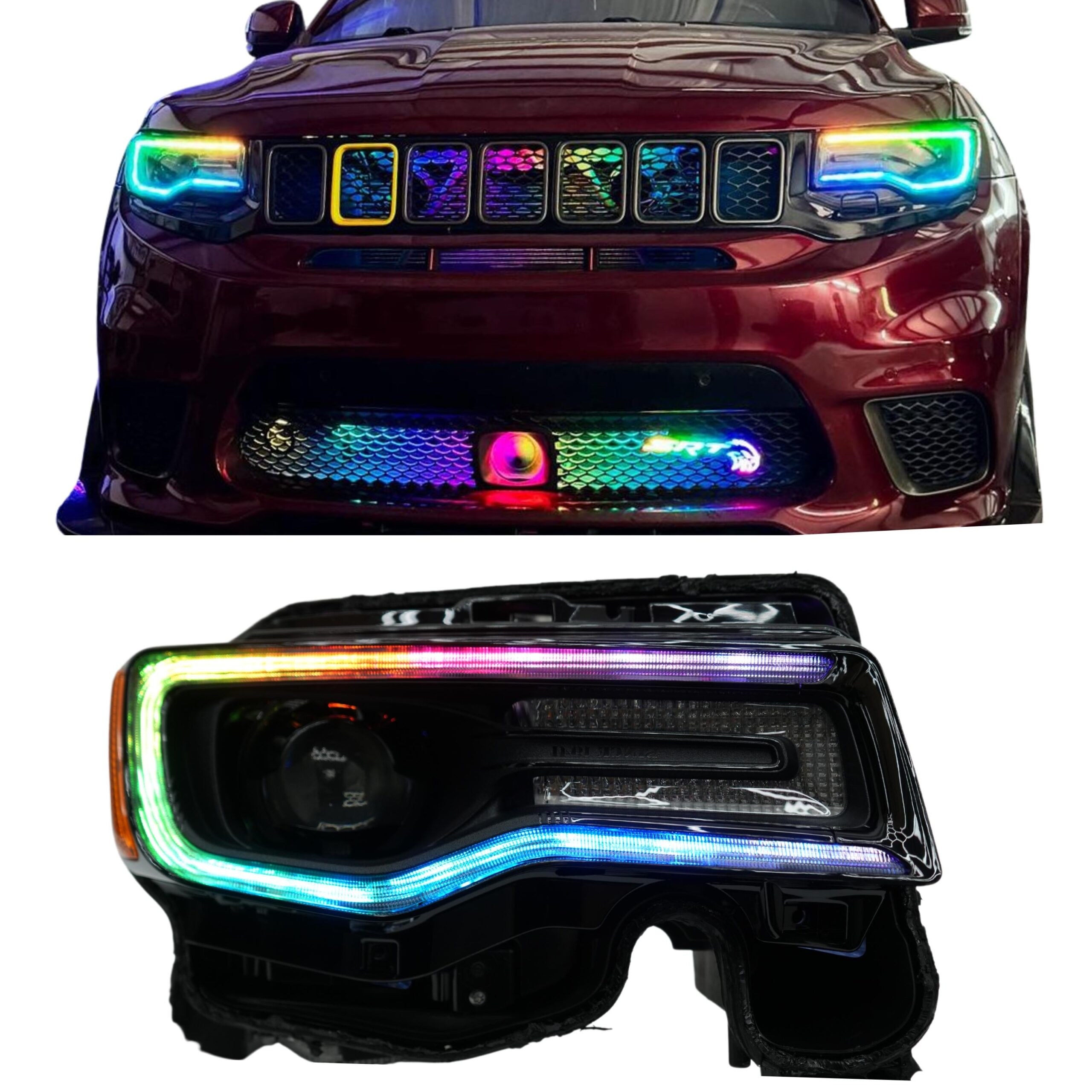
Understand the Operating Conditions
Test the lights with the engine running, the vehicle safely secured and the transmission state matched to the manual. Do not diagnose the system from one parked observation.
Separate DRLs From Headlamps
Daytime running lights are not a substitute for nighttime lighting. Confirm headlamp switch, low beams, parking lamps and DRLs separately.
Check One Side Versus Both Sides
A single dark lamp points toward a local bulb, LED unit, connector or housing issue. Both sides failing may point toward fuse, control input, wiring or configuration.
Inspect Moisture and Prior Repairs
Lens cracks, water entry and aftermarket lighting changes complicate diagnosis. Take photos before removing anything.
Use a Model-Specific Parts Check
Lighting assemblies may be serviced differently depending on equipment. Verify VIN and lamp configuration before buying parts.
Key Details to Check
| Item | What to verify | Why it matters |
|---|---|---|
| Equipment | DRLs fitted and trim confirmed | Not every vehicle uses the same lamp setup |
| Operating state | Engine, transmission and parking brake | Normal behavior changes with conditions |
| Failure pattern | One side or both sides dark | Guides the next inspection |
| Housing | Moisture, cracks and connector condition | Prevents repeat failure |
| VIN | Exact vehicle configuration | Supports accurate parts research |
Step-by-Step Review
- Park safely and identify the exact trim.
- Open the correct 2013 manual section for DRLs.
- Observe lamps under the described operating conditions.
- Check whether one side or both sides fail.
- Inspect housing, connector and prior lighting modifications.
- Confirm the correct replacement part by VIN.
- Retest DRLs, parking lamps and headlamps separately.
Common Mistakes to Avoid
- Testing only while the transmission is in Park.
- Treating DRLs as low-beam headlamps.
- Ordering a housing before confirming lamp type.
- Ignoring water inside the lens.
- Changing wiring before checking the manual.
Lighting Notes for a Better Shop Visit
Write down whether the DRL problem affects one side or both, whether the behavior changes after leaving Park and whether the parking brake changes the result. Photograph the lamps in daylight and again with normal headlights switched on.
These notes help a shop separate configuration from failure.
Nighttime Function Check
After any DRL repair, test normal headlamps, high beams, parking lamps and turn signals at dusk. The DRL circuit is only one part of exterior lighting.
A walk-around confirms readiness for daytime and nighttime driving.
One-Side Failure Versus System Failure
A DRL failure on one side usually deserves a local inspection first. Look at the lamp unit, connector, moisture and previous repair work.
When both sides fail under the correct operating conditions, the diagnosis should shift toward controls, fuses, configuration, wiring or module input.
Aftermarket Lighting Warning
Aftermarket bulbs or housings can change current draw, beam pattern and dashboard behavior. If the Grand Cherokee has non-factory lighting, document the brand and wiring before ordering parts.
A factory-style diagnosis may not apply to a modified circuit.
Final Verification at Dusk
DRLs are checked in daytime, but the full repair should also include a dusk walk-around. Test parking lamps, low beams, high beams, turn signals and hazards.
This confirms that the DRL repair did not hide another exterior-lighting issue.
DRL Diagnosis With Evidence
Keep two photos during diagnosis: one with the operating conditions set according to the manual and one with the regular headlights on. This gives a shop or future owner a clearer view of what failed.
If the light works in one state but not another, the behavior may point toward control logic rather than the lamp itself.
Repair Order for Lighting Problems
Start with normal operation, then lamp condition, then connector condition, then fuse or control diagnosis. This order prevents you from replacing an expensive housing before proving that the Grand Cherokee has a local lamp problem.
Frequently Asked Questions
Why do the lights turn off in Park?
The manual describes operating conditions for DRLs when equipped. Test the system under the correct conditions.
Can I drive at night with DRLs only?
No. Use normal headlamps for nighttime driving.
Should I replace a complete lamp housing?
Only after confirming the equipment and inspecting the failed component.
Final Takeaway
Diagnose 2013 Grand Cherokee DRLs under the correct operating conditions. Separate normal behavior from true failure, verify the fitted lamp system and test exterior lighting after repair.