Changing a wheel stud on a Jeep Wrangler might sound intimidating, but with the right knowledge, it’s a task many vehicle owners can handle at home. Whether you’ve snapped a stud, noticed cross-threading, or want to replace rusted lugs, knowing how to fix this issue can save you time, money, and frustration. This guide walks you through every detail—from preparation to reassembly—so you can work confidently and safely. Along the way, you’ll learn valuable tips that even some seasoned DIYers overlook.
Understanding Wheel Studs On A Jeep Wrangler
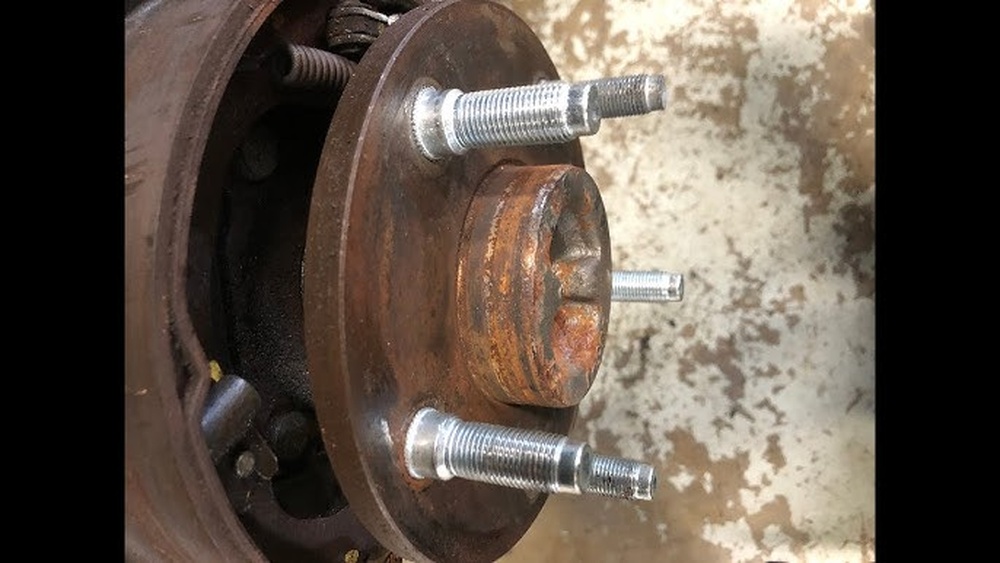
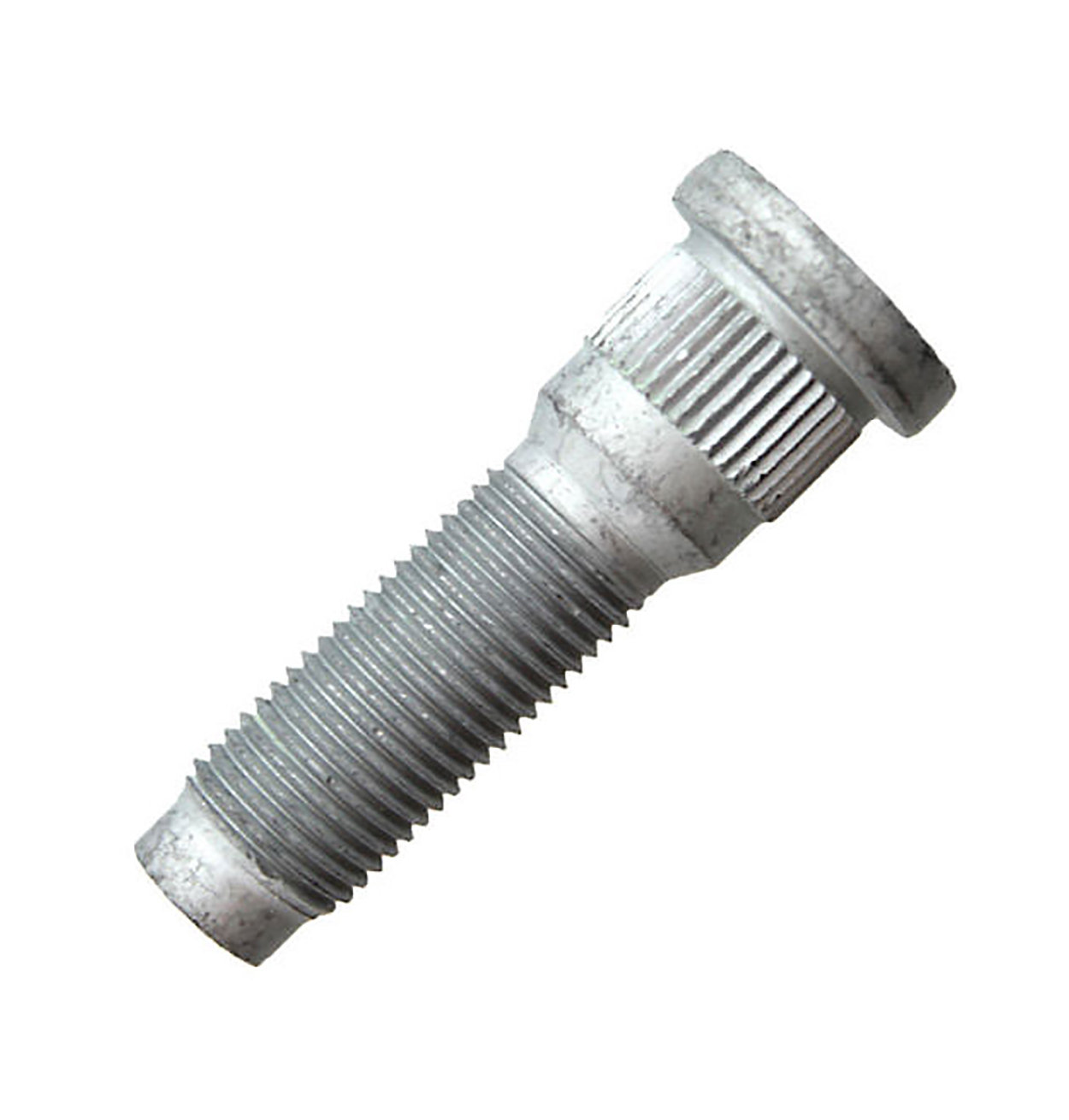
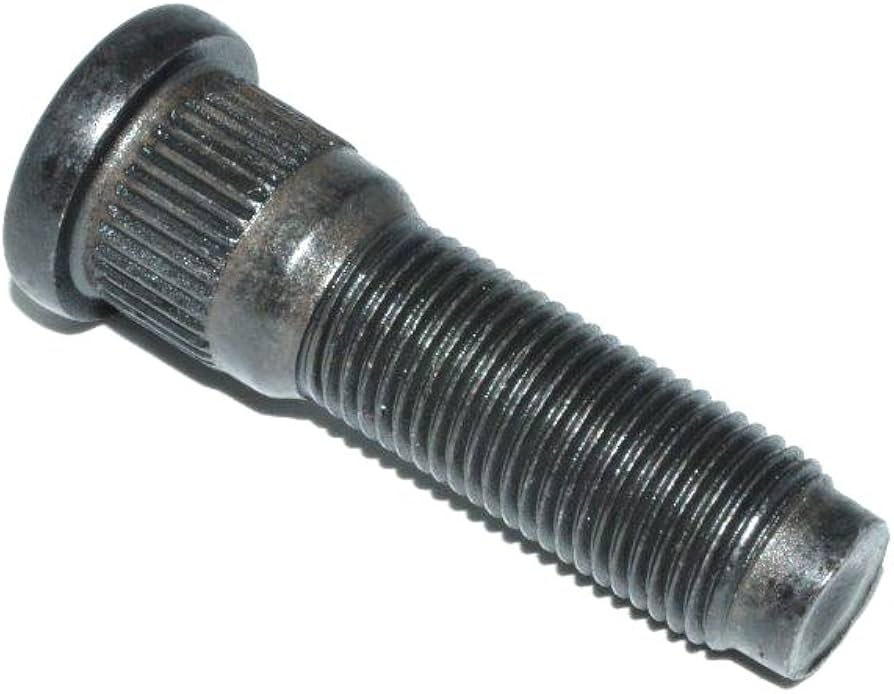
Wheel studs are the threaded bolts that hold your Wrangler’s wheels in place. These studs are crucial for wheel safety and vehicle stability. If a stud is damaged, it can’t hold the lug nut tightly, increasing the risk of wheel vibration or even wheel separation while driving.
Most Jeep Wranglers use a 1/2-inch wheel stud with a 20-thread pitch. The number of studs per wheel depends on the model year, but most have five.
Jeep Wranglers are known for off-road use, which can put extra stress on these components.
If you notice a loose wheel or difficulty tightening a lug nut, inspect your studs immediately.
Tools And Parts You’ll Need
Before starting, gather all necessary tools and parts. This prevents interruptions and helps the job go smoothly.
- New wheel stud (ensure it matches your Wrangler’s year and model)
- Lug nuts (consider replacing old or damaged ones)
- Breaker bar or tire iron
- Socket set (metric and SAE sizes)
- Torque wrench
- Hammer or mallet
- Wheel chocks
- Jack and jack stands
- Needle-nose pliers
- Penetrating oil
- Pry bar (optional, for stubborn rotors)
- C-clamp (if removing the brake caliper)
- Grease or anti-seize compound
- Safety glasses and gloves
If you’re unsure about the stud size, check your owner’s manual or remove an existing stud to compare.
Preparing Your Jeep Wrangler For Repair
Safety is critical. Park your Jeep on a flat, level surface, away from traffic. Engage the parking brake and use wheel chocks behind the tires that will stay on the ground. Loosen the lug nuts on the affected wheel slightly—never fully remove them while the Jeep is on the ground.
Next, raise the vehicle using a jack under the recommended lift point (usually the frame or axle). Secure the Jeep with jack stands. Never rely on a jack alone for support. Remove the wheel completely to access the hub.
Removing The Damaged Wheel Stud
The process to remove a broken or damaged stud involves several steps. Jeep Wranglers typically have either front or rear disc brakes, so the approach is similar for both axles.
- Remove the brake caliper and rotor. Use a socket to unbolt the caliper and hang it out of the way with wire or a bungee cord. Do not let it dangle by the brake hose. If the rotor is stuck, apply penetrating oil and tap gently with a mallet.
- Locate the faulty wheel stud. Rotate the hub so the damaged stud is accessible from the rear.
- Knock out the old stud. Use a hammer to drive the stud out through the back of the hub. Protect surrounding components and wear safety glasses. Some studs are pressed in tightly; a few hard hits should remove them.
- Inspect the stud hole. Check for any damage or debris. Clean the area with a wire brush or compressed air.
Common Mistakes To Avoid
- Not supporting the vehicle safely: Always use jack stands, not just the hydraulic jack.
- Forgetting to remove the brake rotor: Many try to hammer out the stud with the rotor in place, risking damage.
- Damaging the hub: If the stud will not come out, don’t use excessive force that might harm the hub.
Installing The New Wheel Stud
With the old stud out, installing the new one is straightforward but requires attention to detail.
- Insert the new stud from behind the hub. Align it with the hole and push it through as far as possible by hand.
- Draw the stud into place. Place a few washers over the stud, then thread a lug nut backward (flat side in) onto the stud. Tighten the lug nut slowly, using a wrench or impact gun, to pull the stud fully into the hub. You’ll feel resistance at first, then the stud will seat with a solid “pop.”
- Check stud seating. Make sure the stud head sits flush against the back of the hub. If it’s not flush, repeat the drawing process.
- Apply anti-seize to the stud threads to prevent future rust or galling (optional but recommended).
Comparison: Pressing Vs. Drawing Method
Here’s a quick look at the two common methods for installing wheel studs:
| Method | Tools Needed | Risk Level | Speed | Best For |
|---|---|---|---|---|
| Pressing (shop press) | Shop press, safety gear | Low | Fast | Professional shops |
| Drawing (lug nut/washer) | Lug nut, washers, wrench | Medium | Slower | DIY at home |
Most Jeep owners choose the drawing method because it’s simple and avoids buying special tools.
Reassembling The Brake And Wheel
With the new stud securely in place, it’s time to put everything back together.
- Reinstall the brake rotor. Slide the rotor over the wheel studs, aligning it properly.
- Mount the brake caliper. Bolt the caliper back onto the bracket. If the pads have shifted, use a C-clamp to compress the caliper piston.
- Double-check all fasteners for tightness.
- Mount the wheel. Install the wheel over the new stud and hand-tighten all lug nuts.
- Lower the Jeep. Remove the jack stands and lower the vehicle to the ground.
- Torque the lug nuts. Using a torque wrench, tighten the lug nuts in a star pattern to the manufacturer’s recommended torque (usually 95–115 ft-lbs for Jeep Wranglers).
Torque Specs For Jeep Wrangler Lug Nuts
The correct torque ensures your wheel is secure but not over-tightened. Here’s a quick reference:
| Wrangler Model Year | Lug Nut Torque (ft-lbs) | Stud Size |
|---|---|---|
| 1997–2006 (TJ) | 95–100 | 1/2″-20 |
| 2007–2018 (JK) | 95–115 | 1/2″-20 |
| 2018–present (JL) | 130–140 | M14x1.5 |
Always check your Jeep’s manual for the exact torque specification.
Key Tips For A Successful Wheel Stud Replacement
- Replace more than one stud if needed. If you notice corrosion or damage on others, replace them now to avoid future problems.
- Clean contact surfaces. Dirt or rust can prevent the stud from seating properly.
- Never use an impact gun to finish torquing. Always use a torque wrench for final tightening.
- Check lug nut torque after 50–100 miles. Especially after replacing a stud, recheck torque to ensure nothing has loosened.
When To Seek Professional Help
While most Jeep owners can handle a wheel stud replacement, there are cases where professional help is best:
- Severe hub damage: If the hub or knuckle is damaged, it may need replacement.
- ABS sensor interference: Some Wranglers have sensors near the studs that can be damaged if not careful.
- Unusual noises after assembly: If you hear grinding or squeaking, stop and inspect your work.
A good mechanic can ensure everything is safe, especially if you’re unsure.
Cost Breakdown: Diy Vs. Professional Replacement
Here’s a side-by-side look at costs:
| Replacement Type | Parts Cost | Labor/Tools Cost | Total Cost |
|---|---|---|---|
| DIY | $2–$8 per stud | $0 (existing tools) | $2–$8 |
| Professional Shop | $2–$8 per stud | $60–$120 per hour | $62–$128 |
DIY replacement can save you over $100 per wheel, especially if you already own the tools.
Non-obvious Insights For Jeep Owners
- Aftermarket wheels and spacers can put extra stress on wheel studs. If you use wider tires or spacers, check your studs regularly for signs of stretching or fatigue.
- Studs are single-use parts. If a stud has been overtightened or cross-threaded, replace it rather than trying to repair the threads. Reusing a compromised stud increases the risk of failure, especially on rough terrain.
Many Jeep drivers don’t realize that wheel stud quality directly impacts off-road safety. Using the correct torque and checking for corrosion will extend the life of your new studs.
Frequently Asked Questions
How Long Does It Take To Change A Wheel Stud On A Jeep Wrangler?
Most DIYers can replace a single stud in about 30 to 60 minutes if the tools and parts are ready. Rust or stuck components can add extra time.
Can I Drive With A Broken Wheel Stud?
It’s not recommended. Driving with a missing or broken stud reduces the wheel’s clamping force and increases the risk of the wheel loosening, which can be dangerous, especially at highway speeds.
Do I Need To Replace All Wheel Studs If One Is Broken?
Not always. If the other studs are in good condition, you can replace just the damaged one. However, inspect all studs and replace any that show wear, corrosion, or damage to prevent future issues.
Are Jeep Wrangler Wheel Studs Universal?
No. Wheel stud size and thread pitch can vary by year and model. Always check your owner’s manual or a trusted parts guide to ensure you get the correct stud.
Where Can I Find Official Torque Specs For My Jeep?
The most reliable source is your owner’s manual or the official Jeep service guide. For more information, you can also visit the Jeep Official Owner’s Manual.
Changing a wheel stud on your Jeep Wrangler isn’t just about fixing a problem it’s about ensuring safety for every mile ahead.
With some patience and careful work, you’ll have your Jeep back on the road or trail, ready for your next adventure.