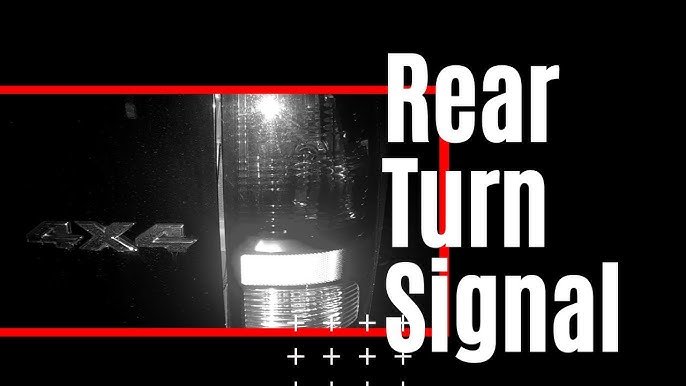
Changing a rear turn signal bulb is one of those tasks that can save both time and money. Many people think it’s difficult, but most car owners can do it themselves with just a few tools and a bit of patience.
Having a working rear turn signal is not only important for safety—it’s required by law in most countries. If your bulb goes out, other drivers may not see your intentions, which can lead to accidents or fines.
Let’s walk through each step and cover everything you need to know, including common mistakes, expert tips, and useful data.
Why Rear Turn Signal Bulbs Matter
A rear turn signal bulb helps show your direction when turning or changing lanes. In the US, the National Highway Traffic Safety Administration (NHTSA) reports that about 40% of rear-end collisions are caused by unclear signals or brake lights. That’s why you should fix a broken bulb as soon as possible.
Some modern cars alert you when a bulb is out, but for older cars, you might only notice when someone tells you or worse, when you get pulled over. Checking the bulb regularly is a simple habit that can prevent bigger problems.
Tools And Materials Needed
Before starting, gather these items:
- New turn signal bulb (check your owner’s manual for the correct type)
- Screwdriver (usually Phillips or flat-head)
- Gloves (optional, protects hands and bulb)
- Socket wrench (for some models)
- Clean cloth (to wipe bulb contacts)
Having these ready will make the process smoother and reduce mistakes.
Step-by-step Guide: Changing The Bulb
The exact steps can vary by car model, but most follow a similar process. Here’s a general guide:
- Turn off your car and remove the keys. For safety, never work on lights when the car is running.
- Open the trunk or rear hatch. Locate the area behind the tail light assembly.
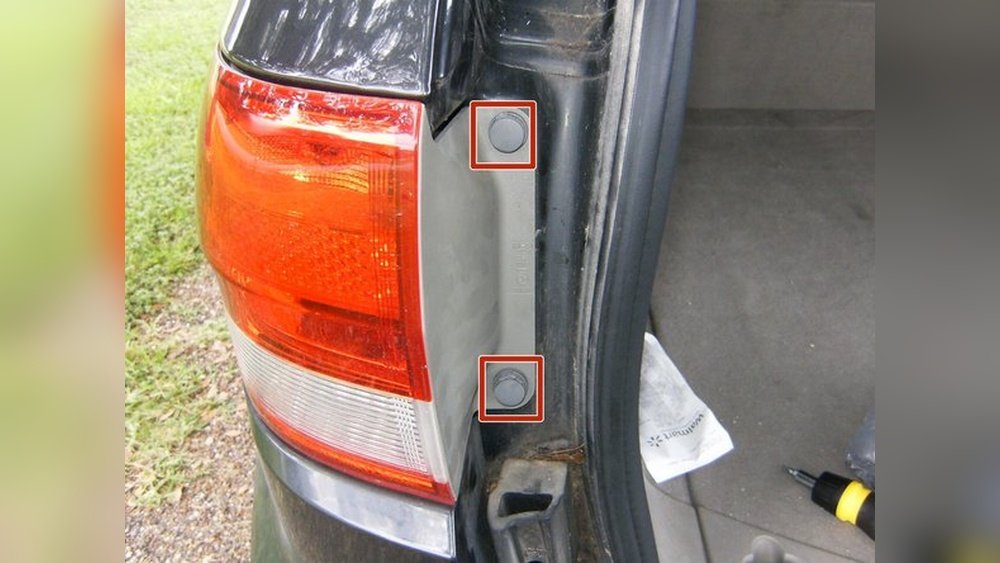
- Remove the tail light assembly. In most vehicles, you’ll see screws or bolts holding the assembly. Use a screwdriver or socket wrench to remove them.
- Pull out the assembly gently. If it feels stuck, check for extra screws or clips.
- Find the turn signal bulb socket. It usually has wires leading to it and is marked inside the housing.
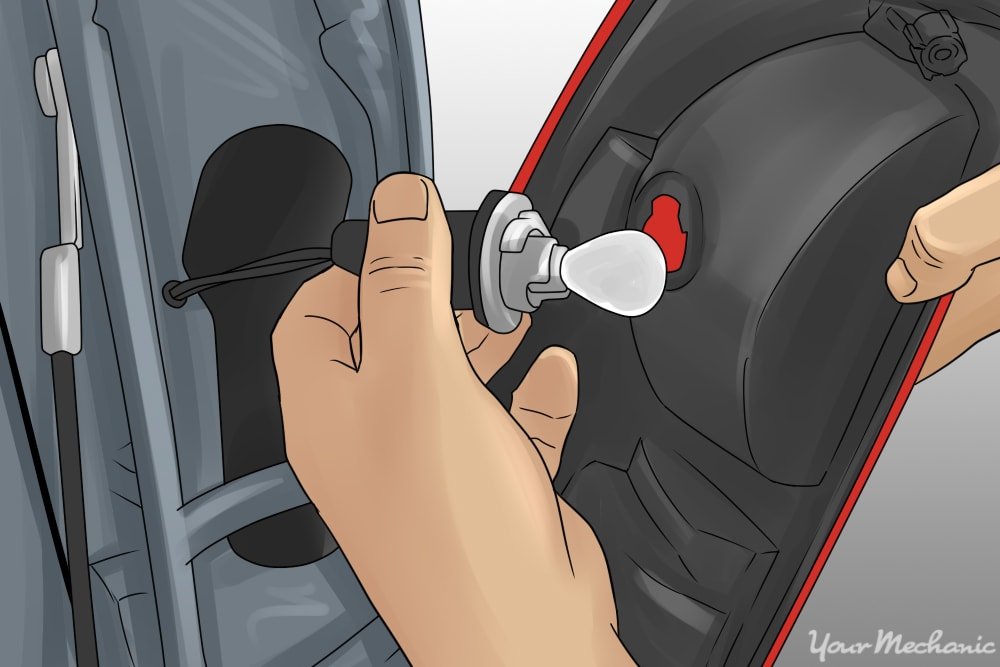
- Twist and remove the socket. Most sockets twist counterclockwise.
- Remove the old bulb. Pull it straight out. If it’s stuck, wiggle gently.
- Insert the new bulb. Push it in firmly. Avoid touching the glass with bare hands—oil can shorten its life.
- Reinstall the socket and assembly. Reverse the steps you took earlier.
- Test the new bulb. Turn on your car and activate the turn signal to check.
Real-world Example
Let’s look at a popular car, the Toyota Camry. The rear turn signal bulb is a 3157 type. Most Camry owners report the entire process takes 15-20 minutes. For some SUVs like the Ford Explorer, you may need to remove more panels, which can take longer.
Comparison: Bulb Types And Lifespan
Different bulbs offer varying durability and brightness. Here’s a table comparing common types:
| Bulb Type | Average Lifespan | Brightness | Cost (USD) |
|---|---|---|---|
| Halogen | 1,000 hours | Medium | $2-4 |
| LED | 15,000 hours | High | $8-15 |
| Incandescent | 800 hours | Low | $1-2 |
LED bulbs last much longer and are brighter, but they cost more. If you drive often, LED might be worth the investment.
Common Mistakes And How To Avoid Them
Many beginners make simple errors that can cause frustration:
- Wrong bulb type: Always check your manual or look for the number on the old bulb.
- Touching the bulb glass: Oil from fingers can cause hot spots and early burnout.
- Forcing the socket: If it doesn’t twist easily, check for extra clips or screws.
- Not testing after installation: Always test before closing up the assembly.
A non-obvious tip: If your new bulb doesn’t work, check the fuse box. Sometimes the fuse blows when a bulb fails.
Practical Troubleshooting Tips
If you follow the steps and the bulb still doesn’t light up, try these:
- Check the socket for corrosion. Clean contacts with a cloth.
- Inspect wiring. Look for loose or broken wires.
- Test with another bulb. This confirms if the bulb or socket is faulty.
Here’s a quick comparison of common problems and solutions:
| Problem | Possible Cause | Solution |
|---|---|---|
| Bulb doesn’t light | Bad bulb, blown fuse, corroded socket | Replace bulb, check fuse, clean socket |
| Bulb flickers | Loose connection, old bulb | Secure wires, replace bulb |
| Assembly won’t fit | Wrong bulb size, misaligned socket | Use correct bulb, align socket |
Safety And Legal Facts
In the US, driving without a working turn signal can lead to fines of $150 or more, depending on the state. About 12% of all traffic tickets are related to lighting issues.
Proper maintenance prevents legal trouble and keeps you safe.
You can find more about signal bulb regulations and safety at the NHTSA official site.
Expert Recommendations
- Change both rear bulbs at once to avoid repeated work.
- Use gloves when handling bulbs to prevent contamination.
- Upgrade to LED bulbs if you want longer life and better visibility.
- Keep a spare bulb in your glove box for emergencies.
One insight many people miss: Turn signal bulbs are often sold in packs, so buying two costs less than buying one. Also, some cars require you to reset the electrical system after changing bulbs—consult your manual.
Frequently Asked Questions
How Do I Find The Correct Bulb Type For My Car?
Check your owner’s manual or look at the numbers printed on the old bulb. You can also search online by your car’s make and model.
Can I Use An Led Bulb Instead Of A Halogen Bulb?
Yes, but make sure the LED is compatible with your car’s socket and electrical system. Some older vehicles may need a resistor to prevent fast blinking.
What If My Turn Signal Still Doesn’t Work After Changing The Bulb?
Check the fuse, wiring, and socket for corrosion. If everything looks good, you may need to visit a mechanic.
How Often Should I Check My Turn Signal Bulbs?
It’s best to check all exterior bulbs every three months, especially before long trips.
Is It Legal To Drive With A Broken Turn Signal Bulb?
No. Laws require all turn signals to work.
Driving with a broken bulb can lead to fines and increase accident risk.
Changing a rear turn signal bulb is a simple task that improves safety and avoids legal trouble. By following these steps and tips, you save money and keep your car in top condition. If you run into issues, don’t hesitate to ask for help or consult your manual. Remember: regular checks and timely fixes make every journey safer.