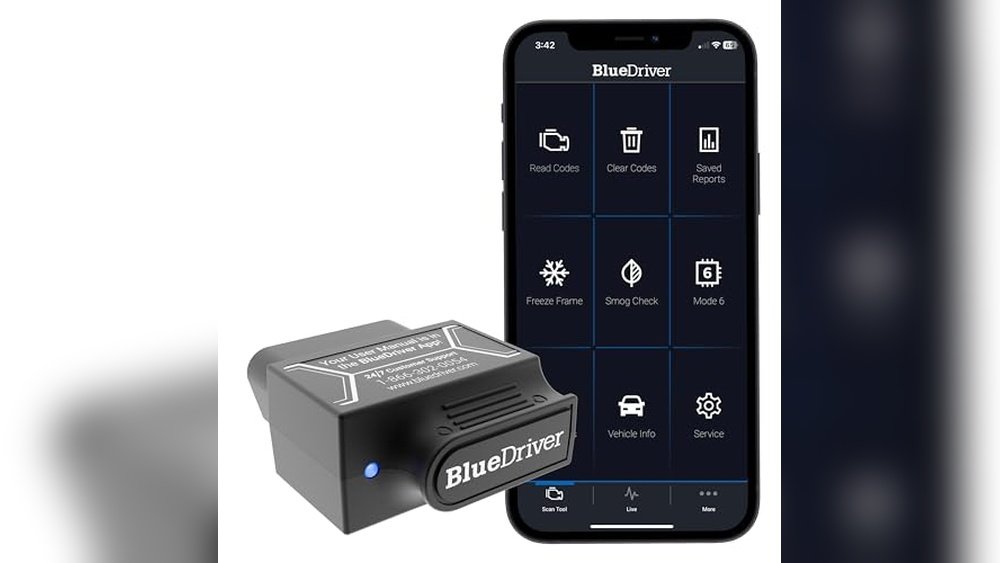
If you own a 1997 Jeep, seeing the check engine light pop on can be frustrating and confusing. You might be wondering if your Jeep’s exhaust system is to blame or if it’s something else entirely.
The truth is, your exhaust plays a big role in how your engine runs and how those warning lights behave. Ignoring this light could lead to bigger problems and costly repairs down the road.
You’ll learn why your 97 Jeep’s exhaust system might trigger the check engine light, how to spot the signs early, and what steps you can take to fix it.
Keep reading you’ll discover simple tips that could save you time and money while keeping your Jeep running strong.
Common Causes Of Check Engine Light
The check engine light on a 97 Jeep signals trouble in the vehicle’s system. This light alerts drivers to issues needing attention. Many factors cause the check engine light to turn on. Some issues relate to the exhaust system and its components. Identifying these common causes helps in quick diagnosis and repair.
Exhaust System Issues
Leaks or damage in the exhaust system often trigger the check engine light. A broken exhaust manifold or pipe causes poor engine performance. Exhaust leaks let harmful gases escape before treatment. The vehicle’s sensors detect these faults and signal the light. Repairing leaks or replacing damaged parts clears the warning.
Faulty Oxygen Sensors
Oxygen sensors measure oxygen in exhaust gases to control fuel mix. A bad sensor sends incorrect data to the engine computer. This causes inefficient fuel use and higher emissions. The check engine light turns on to indicate sensor failure. Replacing faulty oxygen sensors restores proper engine function.
Catalytic Converter Problems
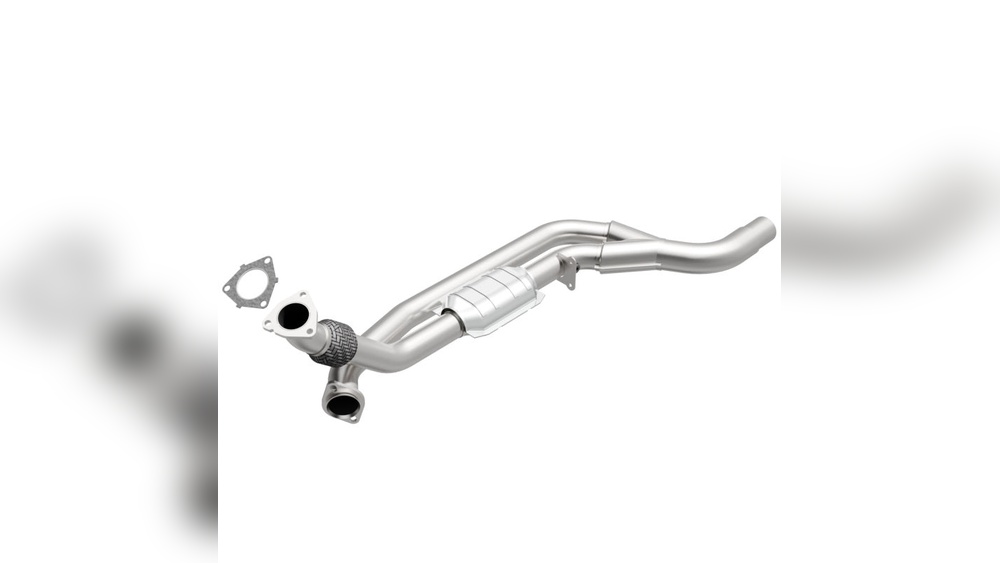
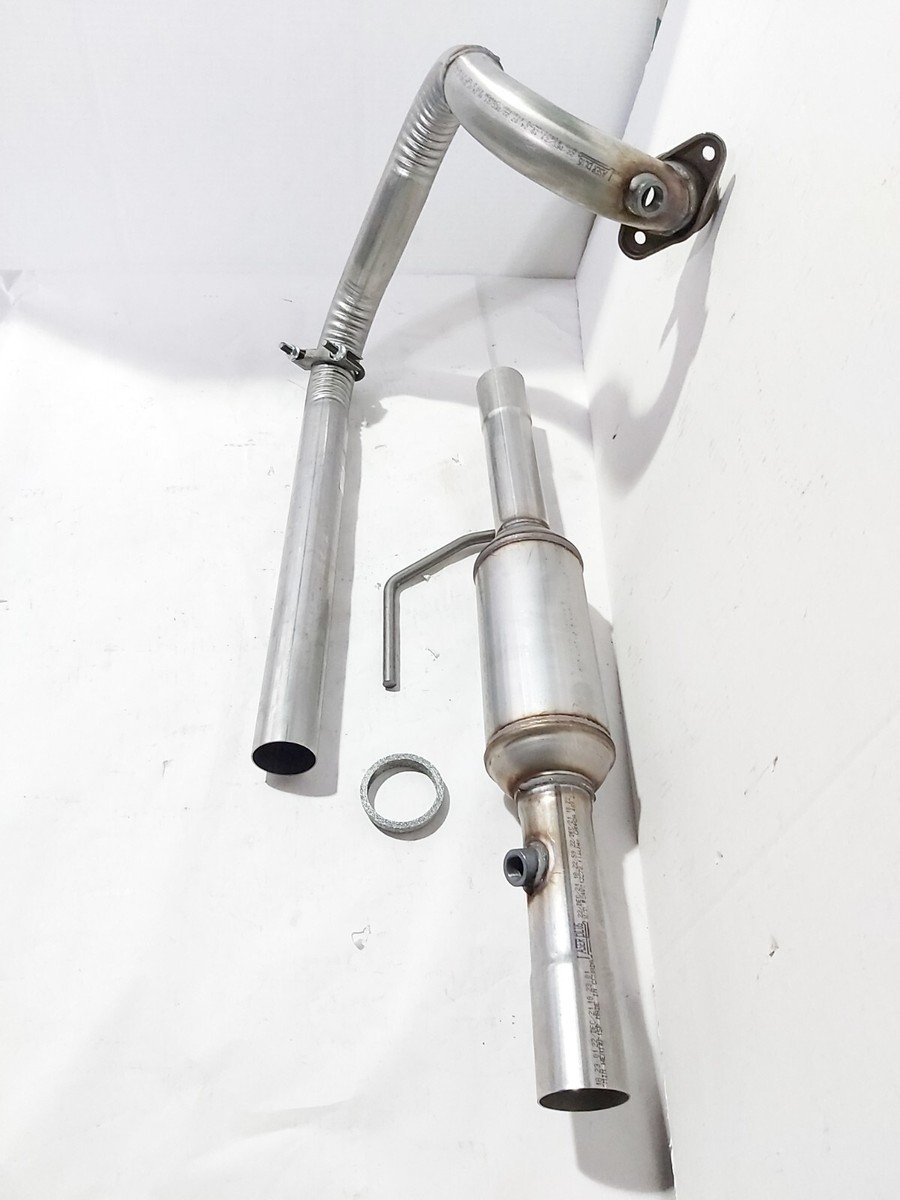
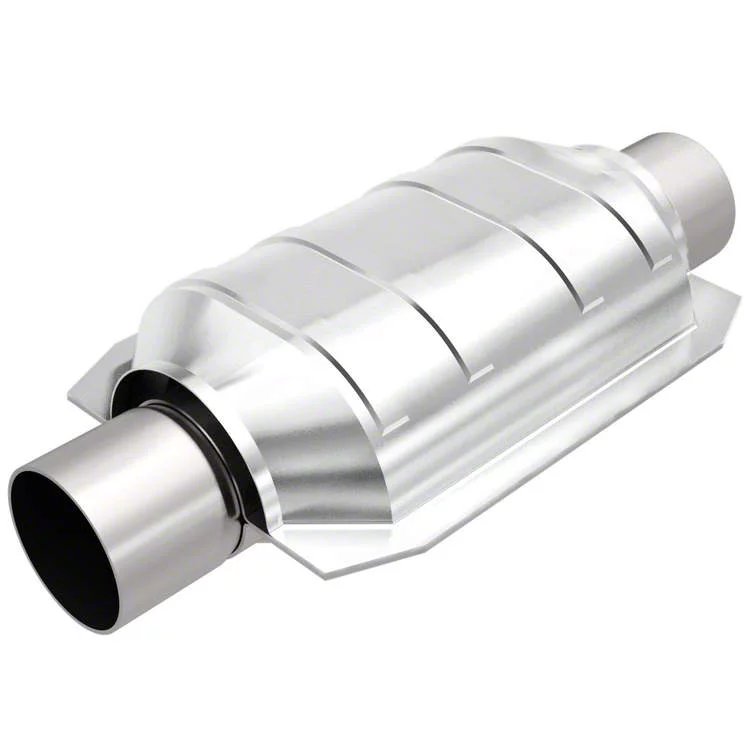
The catalytic converter cleans harmful exhaust gases. When it fails, emissions increase, and engine performance drops. A clogged or damaged converter can trigger the check engine light. The vehicle’s system detects the poor conversion of gases. Fixing or replacing the catalytic converter solves this issue.
Mass Airflow Sensor Failures
The mass airflow sensor measures air entering the engine. A broken sensor causes wrong fuel-to-air ratios. This imbalance affects engine running and emissions. The check engine light appears to warn of sensor trouble. Cleaning or replacing the mass airflow sensor usually fixes the problem.
Loose Or Damaged Gas Cap
A loose or damaged gas cap can cause the check engine light to come on. It allows fuel vapors to escape from the tank. The vehicle’s system detects this vapor loss as a leak. Tightening or replacing the gas cap often clears the warning light. This is a simple fix that many overlook.
Exhaust System Components To Inspect
The exhaust system plays a key role in your 97 Jeep’s performance and emissions. Problems here often trigger the check engine light. Knowing which parts to check saves time and money. Focus on these main components to spot issues early.
Exhaust Manifold
The exhaust manifold collects gases from the engine cylinders. Cracks or leaks in the manifold can cause poor engine performance. They also allow harmful gases to escape before reaching the catalytic converter. This can trigger the check engine light. Inspect the manifold for visible cracks or damage. Listen for unusual noises from the engine area.
Catalytic Converter
This part cleans harmful gases before they exit the exhaust. A clogged or damaged catalytic converter reduces engine power. It can cause the check engine light to come on. Signs of trouble include poor acceleration and a strong smell of sulfur. Check for rattling noises, which might mean loose internal parts.
Oxygen Sensors
Oxygen sensors monitor the amount of oxygen in the exhaust. They send data to the engine control unit to adjust fuel use. Faulty sensors cause poor fuel economy and emissions problems. This often triggers the check engine light. Inspect sensors for dirt, damage, or loose wiring. Replace faulty sensors promptly for best performance.
Exhaust Leaks
Leaks let exhaust gases escape before proper treatment. They lower engine efficiency and can cause the check engine light to turn on. Common leak points include joints, clamps, and pipe sections. Check for holes, rust, or loose parts along the exhaust path. Small leaks may cause a hissing sound or strong exhaust smell.
Diagnosing The Check Engine Light
The check engine light (CEL) often signals issues with the exhaust system in a 97 Jeep. Quick fixes can help resolve common exhaust-related problems. These steps save time and avoid costly repairs. They target frequent causes of the CEL linked to the exhaust system.
Tightening Gas Cap
A loose gas cap causes fuel vapor leaks. This triggers the CEL due to evaporative emissions faults. Check the gas cap and tighten it firmly. Replace it if the seal looks cracked or damaged. This simple fix often turns off the check engine light quickly.
Repairing Exhaust Leaks
Exhaust leaks let harmful gases escape before they reach the catalytic converter. These leaks can cause the CEL to come on. Inspect exhaust pipes, joints, and the manifold for holes or cracks. Patch small leaks with exhaust tape or replace damaged parts to stop the warning light.
Replacing Faulty Sensors
Sensors like the oxygen sensor monitor exhaust gases. A bad sensor sends wrong data to the engine control unit. This triggers the CEL. Test sensors with a scanner to find faults. Replace faulty sensors to restore accurate readings and clear the check engine light.
Cleaning Or Replacing Catalytic Converter
The catalytic converter reduces harmful emissions. A clogged or damaged converter causes poor engine performance and triggers the CEL. Clean the converter using fuel additives or remove it for professional cleaning. Replace it if cleaning does not improve performance. This fix stops exhaust issues that cause the check engine light.
Knowing when to seek professional help for your 97 Jeep exhaust system and check engine light saves time and money. Some issues require expert skills and tools. Acting fast protects your engine and ensures safe driving.
Persistent Or Flashing Check Engine Light
A steady check engine light may be minor but still needs attention. A flashing light signals a serious problem. It often means engine misfire or exhaust leaks. Driving with a flashing light can cause damage. Visit a mechanic quickly if the light does not turn off or flashes.
Complex Exhaust System Repairs
The exhaust system includes many parts like the catalytic converter and sensors. Problems with these parts need special tools and knowledge. DIY fixes may cause more harm or fail to solve the issue. Professionals can spot hidden damage and fix it properly.
Advanced Diagnostic Testing
Modern vehicles use sensors to monitor engine and exhaust health. A mechanic uses advanced diagnostic tools to read error codes. These tools help find exact problems fast. Some issues may not show clear signs but still affect performance. Let experts handle detailed testing and repairs.
When To Seek Professional Help
Preventive maintenance helps keep your 97 Jeep exhaust system in top shape. It also prevents the check engine light from turning on unexpectedly. Simple steps can avoid costly repairs and ensure your Jeep runs smoothly. Follow these easy tips to maintain your vehicle’s health.
Regular Exhaust System Inspections
Check your exhaust system often for leaks or damage. Look for rust, holes, or loose parts under your Jeep. Fixing small problems early stops them from getting worse. A healthy exhaust system reduces harmful emissions and improves engine performance.
Routine Sensor Checks
Inspect sensors like the oxygen sensor and mass airflow sensor regularly. These sensors affect fuel efficiency and emission controls. Clean or replace faulty sensors to prevent the check engine light from coming on. Proper sensor function keeps your Jeep running efficiently.
Timely Spark Plug Replacements
Change spark plugs as recommended in your Jeep’s manual. Worn spark plugs cause misfires, which can trigger the check engine light. New plugs improve combustion and engine power. Regular replacements help your Jeep start easily and run smoothly.
Proper Fuel Quality Use
Use the right fuel grade for your 97 Jeep. Low-quality fuel can damage the exhaust system and sensors. Always fill up with clean, fresh gasoline. Good fuel prevents engine knocking and keeps the exhaust system working properly.
<!– wp:rank-math/faq-block {"questions":[{"id":"faq-question-f45c78042001","title":"Can An Exhaust System Cause A Check Engine Light?","content":"
Yes, a faulty exhaust system can trigger a check engine light. Issues like exhaust leaks or a failing catalytic converter often cause this warning.
nnnnSensors related to emissions, such as oxygen sensors, may also activate the light if they detect problems.
“,”visible”:true},{“id”:”faq-question-0af7b8d0c8e1″,”title”:”Will The Emissions System Cause A Check Engine Light?”,”content”:”Yes, emissions system issues often trigger the check engine light. Problems like exhaust leaks, faulty catalytic converters, or sensor failures cause this alert.
“,”visible”:true},{“id”:”faq-question-5434518df8c3″,”title”:”How To Clear A Cel Without A Scanner?”,”content”:”To clear a check engine light without a scanner, disconnect the car battery for 15 minutes. Reconnect it and start the engine.
nnnnThis resets the onboard computer and clears the light temporarily.
“,”visible”:true},{“id”:”faq-question-02a7604a8f1d”,”title”:”Do Catalytic Converters Cause Check Engine Light?”,”content”:”Yes, a faulty catalytic converter can trigger the check engine light. It affects emissions and sensor readings.
“,”visible”:true}]} –>Can An Exhaust System Cause A Check Engine Light?
Yes, a faulty exhaust system can trigger a check engine light. Issues like exhaust leaks or a failing catalytic converter often cause this warning.
Sensors related to emissions, such as oxygen sensors, may also activate the light if they detect problems.
Will The Emissions System Cause A Check Engine Light?
Yes, emissions system issues often trigger the check engine light. Problems like exhaust leaks, faulty catalytic converters, or sensor failures cause this alert.
How To Clear A Cel Without A Scanner?
To clear a check engine light without a scanner, disconnect the car battery for 15 minutes. Reconnect it and start the engine.
This resets the onboard computer and clears the light temporarily.
Do Catalytic Converters Cause Check Engine Light?
Yes, a faulty catalytic converter can trigger the check engine light. It affects emissions and sensor readings.
Conclusion
A check engine light on a 97 Jeep often links to the exhaust system. Problems like leaks, faulty sensors, or a bad catalytic converter can trigger it.
Early attention helps avoid bigger repairs and keeps your Jeep running well. Regular checks and proper maintenance make a big difference.
Stay aware of changes in engine performance or unusual sounds. Your Jeep will thank you with better efficiency and fewer issues.