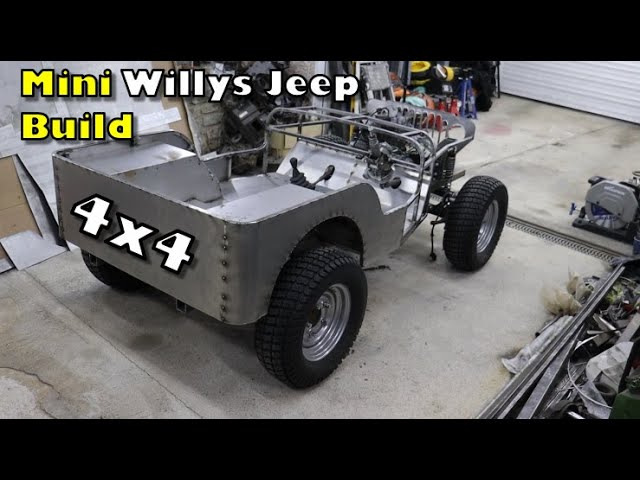
Building a Willys Jeep from scratch is both a challenge and an adventure. For many, it’s about more than restoring an old vehicle it’s a journey into history, craftsmanship, and classic automotive engineering.
The Willys Jeep, famous for its role in World War II, is a symbol of rugged utility.
Building one yourself offers the chance to create a piece of history you can drive. If you dream of assembling your own Willys Jeep, this guide will help you understand every major step, avoid common mistakes, and make decisions with confidence.
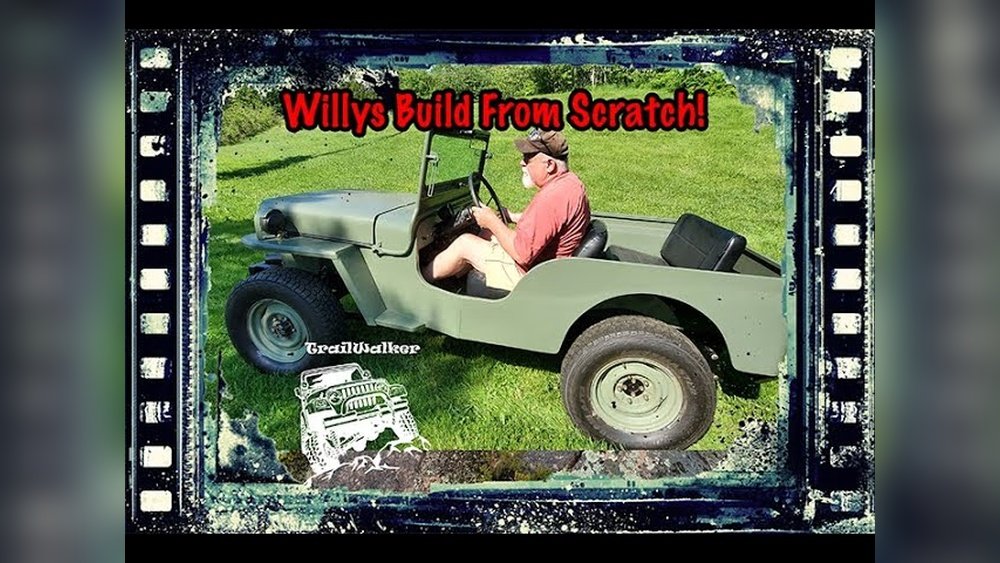
Choosing Your Willys Jeep Model
The first step is picking which Willys Jeep model you want to build. The two most popular models are the Willys MB (the original WWII version) and the CJ-2A (the first civilian Jeep). Each has different features, parts availability, and historical value.
| Model | Years Built | Main Use | Common Parts |
|---|---|---|---|
| Willys MB | 1941-1945 | Military | Manual transmission, flat fenders |
| CJ-2A | 1945-1949 | Civilian | Tailgate, side-mounted spare tire |
If you want authenticity and military style, choose the MB. If you prefer easier street use and more comfort, the CJ-2A is a better fit. Original parts for MBs can be expensive and rare, while CJ-2A parts are slightly more available.
Gathering Parts And Tools
Sourcing the right parts is critical. You have three main options:
- Original Parts: Best for authenticity but usually more expensive and harder to find.
- Reproduction Parts: Made new, often overseas, and less costly, but may not fit perfectly.
- Aftermarket Upgrades: Modern parts for better reliability or safety.
A common beginner mistake is mixing too many part types, which can cause fit issues or ruin the classic look. Decide early if you want to stay original or allow upgrades.
Essential tools include:
- Socket set and wrenches (SAE sizes)
- Engine hoist (if rebuilding engine)
- Bodywork tools (hammers, dollies)
- Paint equipment (spray gun or cans)
- Safety gear (goggles, gloves)
Having a service manual for your exact model helps avoid confusion during assembly.
Disassembly And Inspection
If you start with a donor Jeep or a used frame, you’ll need to strip it down. Remove all parts and label them carefully. Take photos before and during disassembly—these are invaluable later.
Look for:
- Rust or rot in the frame and body
- Cracks or damage in the engine block
- Worn gears in the transmission and axles
- Bad wiring
Repair or replace any seriously damaged parts. Many beginners miss hidden rust in the frame’s boxed sections or under layers of paint.
Use a small hammer to tap and listen for weak spots.
Restoring The Frame And Body
The frame is the backbone of your Jeep. Sandblast or wire-brush the frame to bare metal. Apply rust converter where needed and use strong, automotive-grade paint. For the body, weld in new metal patches if you find holes. Getting the body straight is important for proper door and hood fitment.
If you want to keep the Jeep’s value, try to save as much original metal as possible. Too much new sheet metal can hurt resale value.
Engine And Drivetrain Rebuild
Most Willys Jeeps used the Go Devil four-cylinder engine. You can rebuild yours or buy a rebuilt unit.
Key engine rebuild steps:
- Inspect block for cracks.
- Replace pistons, rings, bearings.
- Rebuild or replace carburetor.
- Clean and repaint engine.
Transmission and transfer case should be disassembled, cleaned, and fitted with new seals and gaskets. Many classic Jeeps leak oil careful assembly and new gaskets help prevent this.
Here’s a quick comparison of original vs. upgraded engine options:
| Engine Type | Horsepower | Pros | Cons |
|---|---|---|---|
| Go Devil (original) | ~60 HP | Authentic, reliable | Low power, slow top speed |
| Modern 4-cyl swap | 80-100 HP | More power, easier parts | Less original, may need frame mods |
Most builders stick to the original engine for the classic experience.
Suspension, Brakes, And Wheels
The stock leaf spring suspension is simple but not very smooth. Replace old springs with new ones for safety. Upgrade to modern shocks if you want a better ride, but keep original shocks for authenticity.
Rebuild the drum brakes or consider a front disc brake conversion for improved stopping power. Original-style wheels and military tires are available, but civilian tires can make driving easier and safer on modern roads.
Electrical System And Wiring
Rewiring an old Jeep can be a headache. Decide if you want to keep the 6-volt system (original) or upgrade to a 12-volt system (modern). Most people choose 12-volt for brighter lights and easier charging.
Tips for wiring:
- Use color-coded wires to avoid confusion.
- Solder and heat-shrink all connections.
- Route wiring away from sharp edges and heat sources.
Many new builders forget to add fuses, which are critical for fire safety.
Painting And Final Assembly
Prep every surface with primer. Military Jeeps use olive drab; civilian models use a range of colors. Apply 2-3 coats for durability.
Install the engine, transmission, axles, and body panels in order. Connect the wiring and fuel lines last. Bleed the brakes before first drive.
Here’s a basic assembly order:
- Frame and suspension
- Axles and wheels
- Engine and transmission
- Body panels and seats
- Wiring and accessories
Check all bolts for proper torque. Missing this step can make the Jeep unsafe.
Test Drive And Troubleshooting
Start the engine and check for leaks, strange noises, or warning lights. Test drive at low speed listen for clunks, grinding, or steering problems.
Common first-drive issues:
- Fluid leaks (from poor gaskets)
- Weak brakes (air in lines)
- Hard steering (over-tightened linkage)
Expect to adjust and retighten parts after the first 50 miles.
Frequently Asked Questions
How Much Does It Cost To Build A Willys Jeep?
Costs vary widely. A basic project can start around $8,000-$12,000 for a good donor vehicle and parts. Full restorations with original parts can reach $20,000+. Labor is a major factor if you pay for professional help.
How Long Does A Typical Build Take?
Most home builders spend 6 months to 2 years working part-time. Finding rare parts and waiting for paint or machine work often adds time.
Can I Use Modern Parts Without Ruining Value?
Some upgrades, like better brakes or 12V wiring, are accepted by collectors for safety. But major changes (engine swaps, power steering) lower the Jeep’s value for purists.
Where Can I Find Original Willys Jeep Parts?
Original parts show up at swap meets, online forums, and specialty suppliers. Good sources include Kaiser Willys Auto Supply and vintage Jeep clubs.
Is It Hard To Get A Willys Jeep Road Legal?
Most states allow classic vehicles if you have a valid title, working lights, and safety equipment. Check local DMV rules before starting your build.
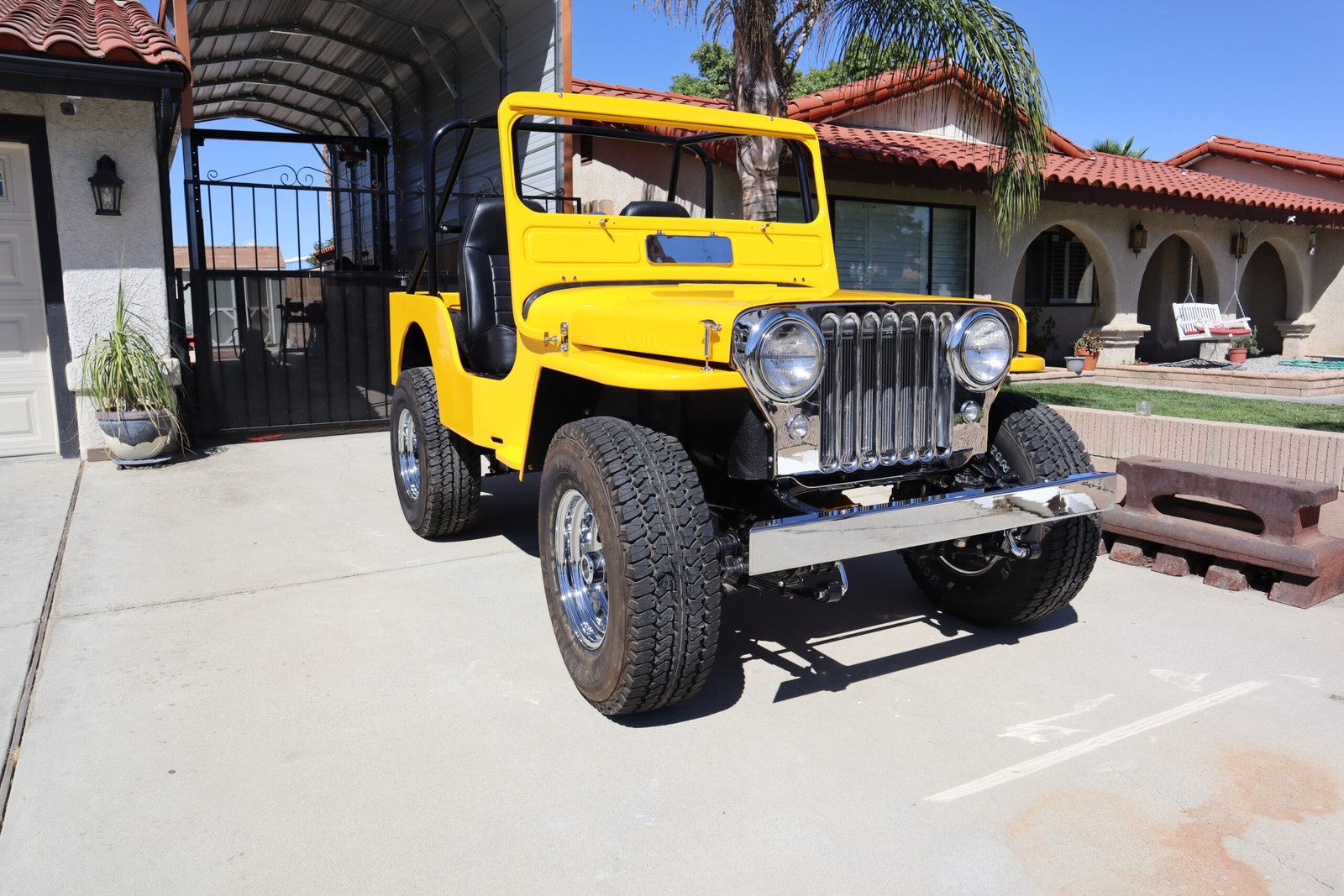
Restoring a Willys Jeep isn’t just about mechanics it’s about learning, patience, and pride. With careful planning, the right parts, and attention to detail, you’ll create a classic that turns heads and tells a story every time you hit the road.