If your Jeep’s engine temperature is rising, or you hear gurgling sounds, there’s a good chance air is trapped in the cooling system. Air pockets can make your Jeep overheat, damage the engine, and cause coolant leaks. Bleeding air from the cooling system is a simple but important task. You don’t need special tools, but knowing the right steps can save you time and money. Let’s walk through the process so your Jeep runs cool and smooth.
Why Air Gets Trapped In The Cooling System
Air enters your Jeep’s cooling system for a few reasons:
- After changing coolant
- Replacing radiator or hoses
- Leaking coolant from gaskets or seals
When air gets trapped, it blocks coolant flow. That means hot spots and poor cooling. Even a small bubble can cause big trouble, especially in newer Jeeps with tight engine designs.
Symptoms Of Air In The Cooling System
- Temperature gauge spikes
- Heater blowing cold air
- Gurgling or bubbling sounds
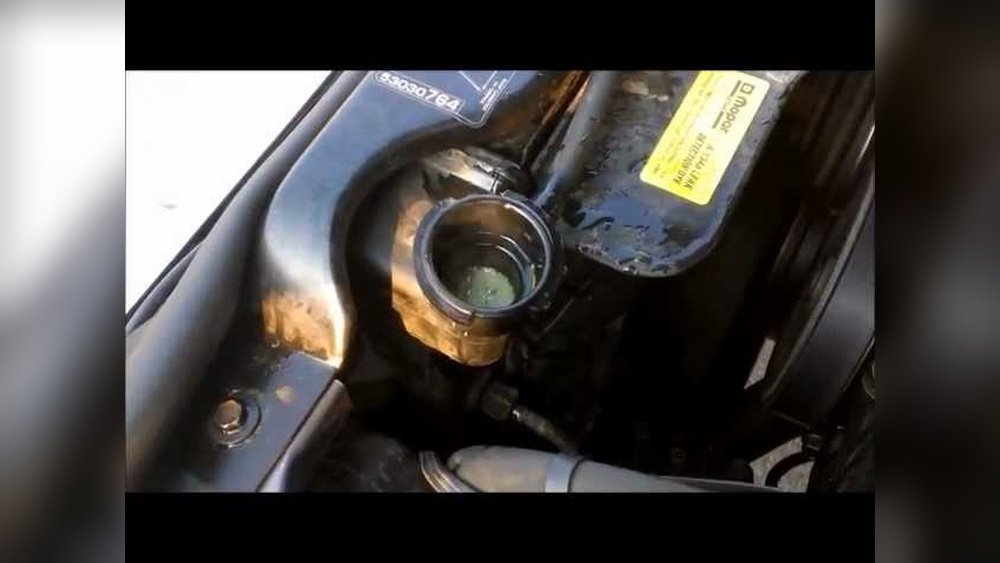
- Coolant overflow from the reservoir
If you notice these signs, don’t ignore them. Overheating can cost thousands in repairs.
Tools And Materials Needed
You don’t need expensive gear. Gather these basics:
- Clean coolant (compatible with your Jeep)
- Funnel
- Large rag or towel
- Gloves
- Flathead screwdriver (for some Jeep models)
- Empty container (to catch any spills)
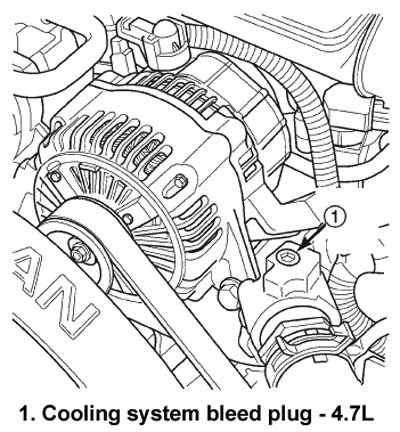
Some Jeeps have a bleeder valve on the thermostat housing. Others require a special burping process. Always check your owner’s manual.
Step-by-step Guide: Bleeding Air From Jeep Cooling System
Every Jeep model is a bit different, but most follow these steps:
1. Park Safely And Let Engine Cool
Never work on a hot engine. Let your Jeep cool down completely.
Open the hood and remove the radiator cap slowly to release pressure.
2. Check Coolant Level
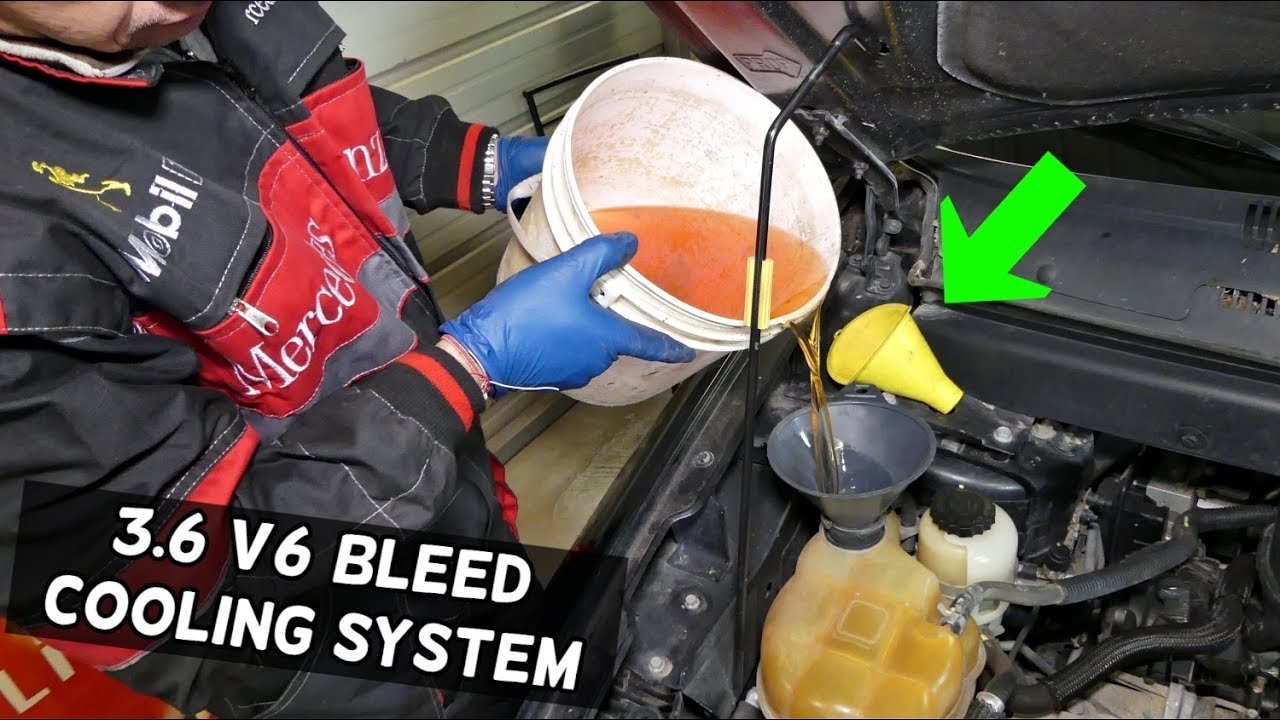
Fill the radiator up to the neck with coolant. Also, check the overflow reservoir and fill to the marked line.
3. Locate Bleeder Valve (if Equipped)
Many Jeep Wranglers and Cherokees have a bleeder valve near the thermostat. If your model has one, open it using a flathead screwdriver or wrench.
4. Start The Engine
Turn on the engine and let it idle. Watch for bubbles coming out of the bleeder valve or radiator neck.
As the air escapes, coolant will flow out.
5. Monitor Temperature And Add Coolant
Keep an eye on the temperature gauge. If it rises, shut off the engine. Add more coolant as needed. When the bubbles stop, the system is almost clear.
6. Close Bleeder Valve And Replace Cap
Once bubbles stop, close the valve tightly. Replace the radiator cap. Make sure it’s secure.
7. Run The Heater
Turn the heater on full blast. This pulls coolant through the heater core and helps remove remaining air.
8. Recheck Coolant Levels
After 10 15 minutes, turn off the engine. Let it cool, then check the coolant levels again. Top off if needed.
9. Test Drive And Final Check
Drive your Jeep for a few miles. Watch the temperature gauge. After driving, recheck coolant and look for leaks.
Jeep Cooling System Comparison
Jeep models use different cooling systems. Here’s a quick comparison:
| Model | Bleeder Valve | Coolant Capacity (quarts) | Recommended Coolant |
|---|---|---|---|
| Jeep Wrangler JK | Yes | 14 | HOAT |
| Jeep Grand Cherokee | No | 16 | OAT |
| Jeep Cherokee XJ | No | 12 | HOAT |
Common Mistakes To Avoid
- Working on a hot engine: Always let your Jeep cool before opening the radiator.
- Ignoring coolant type: Use the coolant recommended by Jeep. Wrong coolant can damage the system.
- Not running the heater: This step is critical for removing air from the heater core.
- Over-tightening the bleeder valve: This can cause leaks. Tighten just enough.
- Skipping rechecks: Always check coolant levels after your test drive.
Practical Tips For Bleeding Air
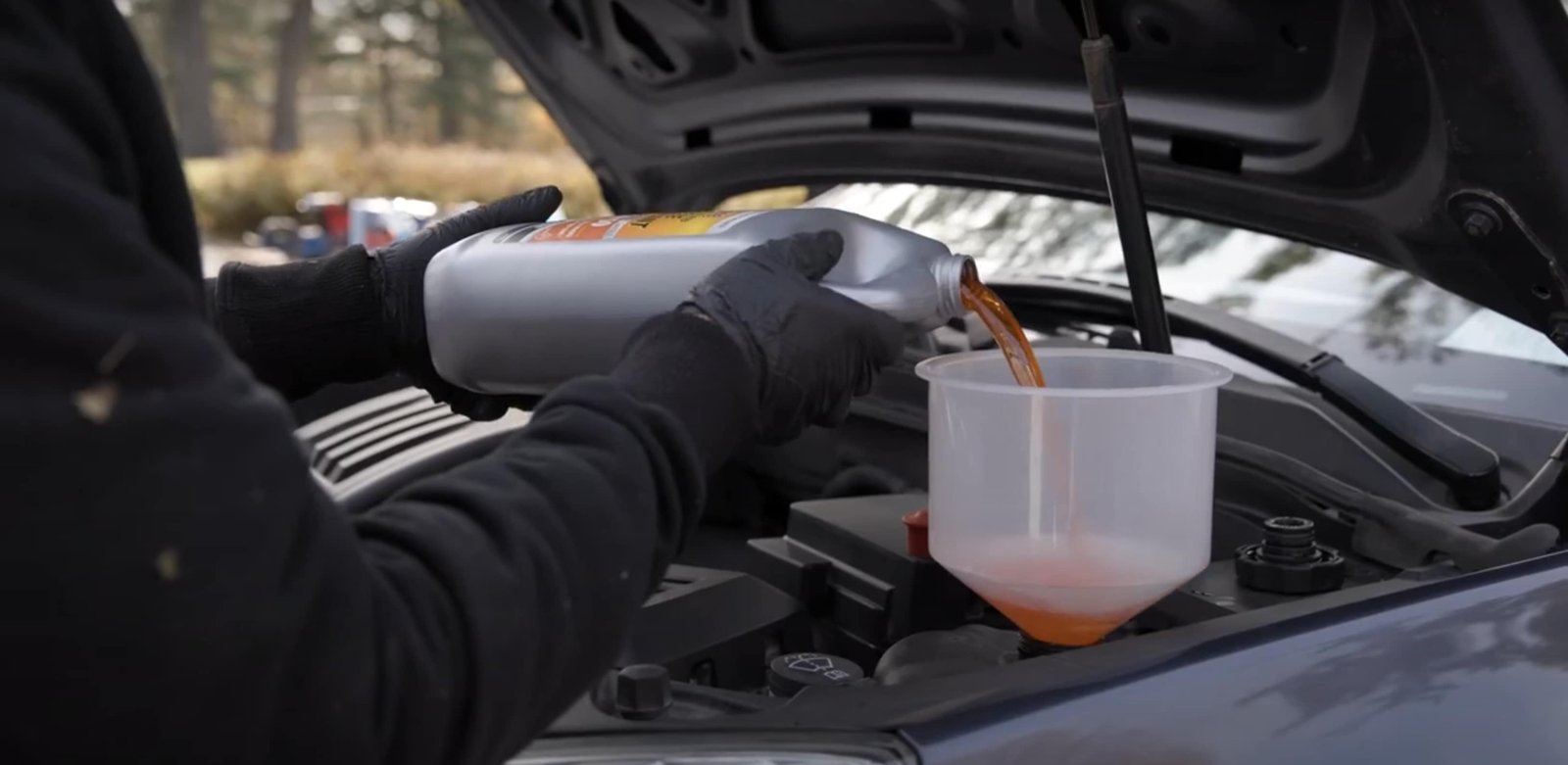
- Use a funnel to avoid spills and keep the radiator neck full.
- If your Jeep doesn’t have a bleeder valve, squeeze the upper radiator hose to help move air bubbles.
- Park with the front of the Jeep slightly higher. Gravity helps air move toward the radiator.
- If bubbles keep coming, check for leaks or faulty thermostat.
Data Table: Overheating Risks
Overheating is not just inconvenient—it’s costly. Here’s a look at the risks:
| Overheating Cause | Repair Cost (USD) | Engine Damage Risk |
|---|---|---|
| Trapped Air | $100–$300 | Medium |
| Coolant Leak | $200–$600 | High |
| Blown Head Gasket | $1,500–$2,500 | Very High |
Maintenance Tips After Bleeding Air
- Check coolant levels weekly for the first month.
- Look for wet spots under your Jeep—these signal leaks.
- If you see temperature spikes, repeat the bleeding process.
- Use only distilled water if you mix your own coolant. Tap water can cause corrosion.
Frequently Asked Questions
How Often Should I Bleed The Air From My Jeep’s Cooling System?
Bleed the air every time you change coolant or replace cooling system parts. For most Jeeps, once every two years is enough unless you notice overheating.
Can Trapped Air Cause Engine Damage?
Yes, air pockets block coolant flow and cause hot spots. This leads to overheating and can crack cylinder heads or blow gaskets.
What Coolant Type Should I Use For My Jeep?
Always use the coolant recommended in your owner’s manual. Most newer Jeeps use HOAT or OAT coolants. Mixing types can damage the system.
Is It Safe To Drive With Air In The Cooling System?
No. Driving with air trapped can cause sudden overheating.
This may lead to expensive repairs and unsafe driving conditions.
Where Can I Find Official Jeep Maintenance Advice?
Visit Jeep’s official website or check resources like Jeep Owner’s Manual for detailed guidance.
Bleeding air from your Jeep’s cooling system is simple but essential. With these steps, you can prevent overheating, save money, and keep your Jeep running reliably.
Remember, regular maintenance and careful checks are the best way to protect your engine and enjoy worry-free driving.