Spark plug boots are small but essential parts of your car’s ignition system. They cover the connection between the spark plug and ignition wire, protecting it from heat, moisture, and dirt.
If you drive often or in harsh conditions, the rubber or silicone boots can crack or melt. Using a spark plug boot protector is a smart move to keep your engine running smoothly and avoid costly repairs.
This guide will show you how to apply a spark plug boot protector correctly. You’ll learn which tools to use, what mistakes to avoid, and why it matters.
Whether you’re a car enthusiast or just want your vehicle to last longer, this article will help you understand each step.
Why Spark Plug Boot Protectors Matter
Engine heat can reach over 400°F (204°C), especially near the exhaust manifold. Regular spark plug boots often fail under these conditions, leading to misfires or damaged wires. Boot protectors are made from materials like fiberglass or silicone that resist high temperatures.
Here’s why boot protectors are important:
- Prevent wire damage: They shield ignition wires from heat and chemical spills.
- Reduce misfires: By keeping moisture and dirt away, protectors ensure a reliable spark.
- Extend engine life: Less damage means fewer replacements and smoother performance.
Many mechanics recommend using boot protectors for cars with turbo engines or those used in racing. Even for daily drivers, protectors can save money and hassle.
Tools And Materials Needed
Before you start, make sure you have the right tools. Here’s what you’ll need:
- Spark plug boot protector: Choose the correct size for your vehicle.
- Socket wrench: For removing spark plugs.
- Spark plug boot puller: Helps remove boots without damage.
- Dielectric grease: Protects against moisture and improves connection.
- Gloves: For safety and grip.
- Clean cloth: Wipes away dirt and old grease.
Some protectors come with installation kits, but these basic tools work for most cars.
| Tool | Purpose | Average Cost |
|---|---|---|
| Socket wrench | Remove spark plugs | $10-$25 |
| Boot puller | Safely remove boots | $8-$18 |
| Dielectric grease | Seal & protect | $5-$12 |
Step-by-step Guide To Applying Boot Protectors
Applying a spark plug boot protector isn’t difficult, but doing it right prevents future issues. Follow these steps:
1. Let The Engine Cool
Always start when the engine is cool. Hot parts can burn your hands and melt the protector during installation.
2. Remove The Spark Plug Boot
Use a boot puller to gently twist and pull the boot off the spark plug. Avoid pulling by the wire, as this can damage the connection.
3. Clean The Boot And Area
Wipe the boot, spark plug, and surrounding area with a clean cloth. Remove any old grease, dirt, or debris.
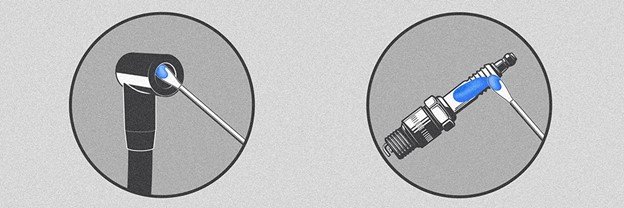
4. Apply Dielectric Grease
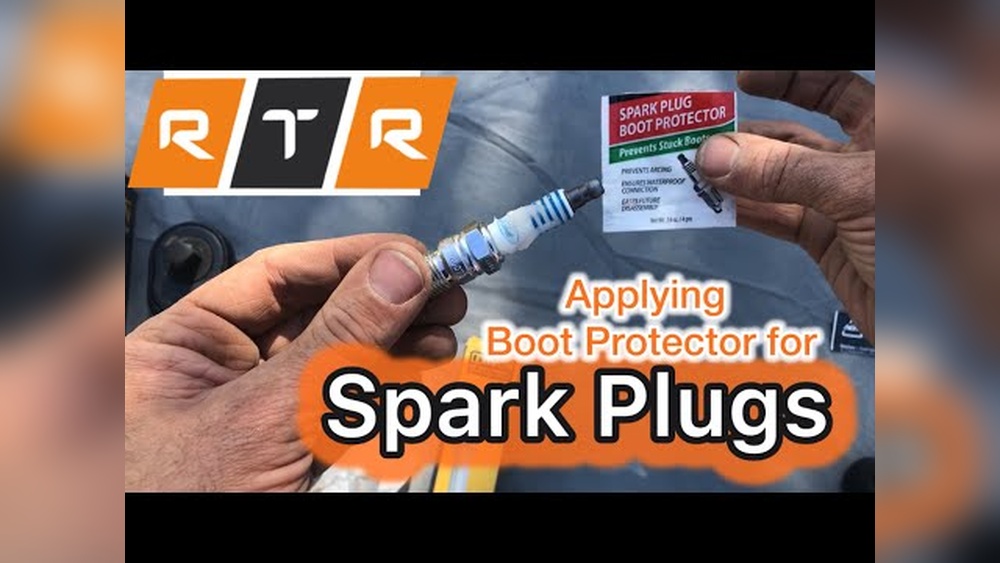
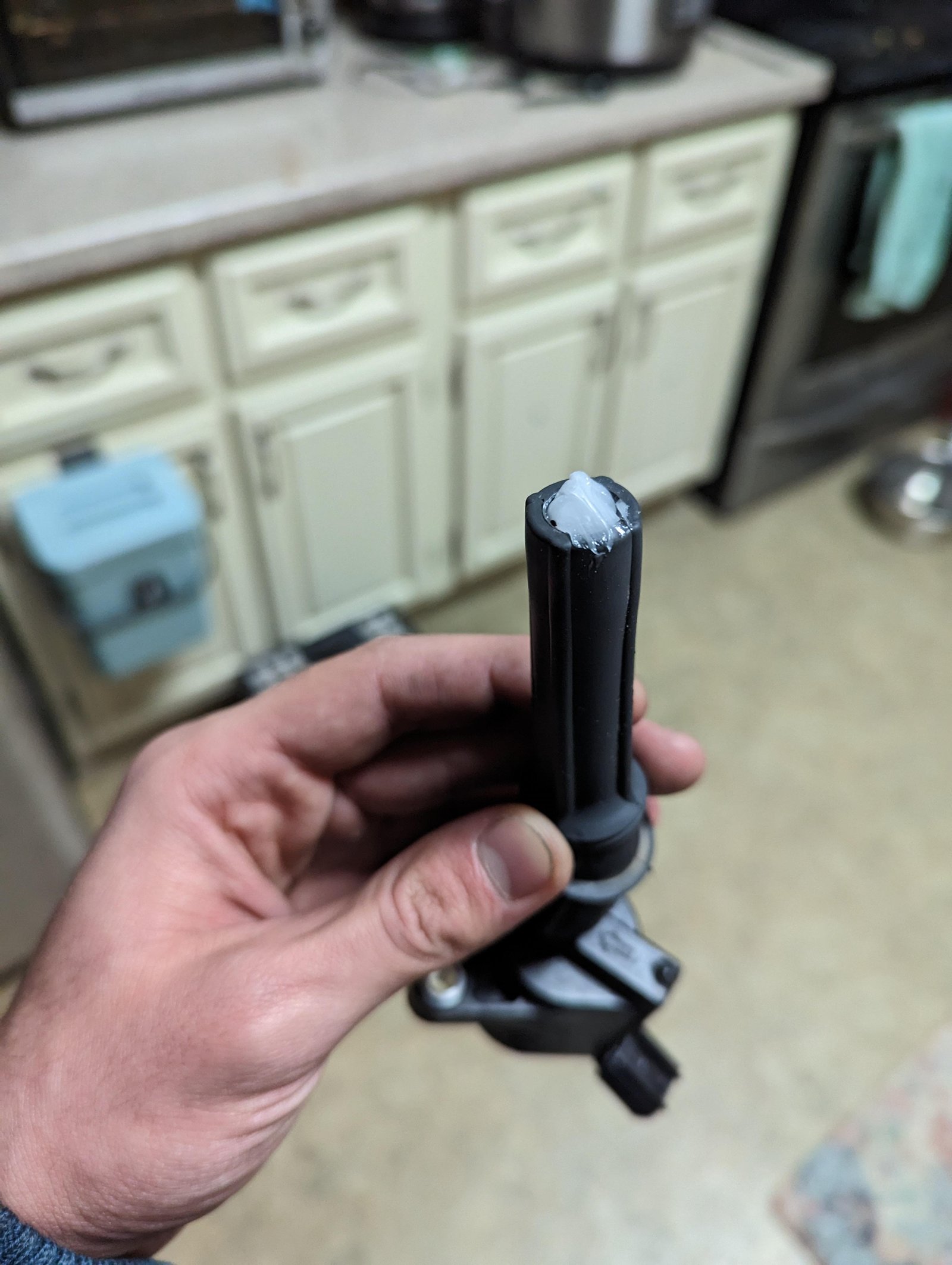
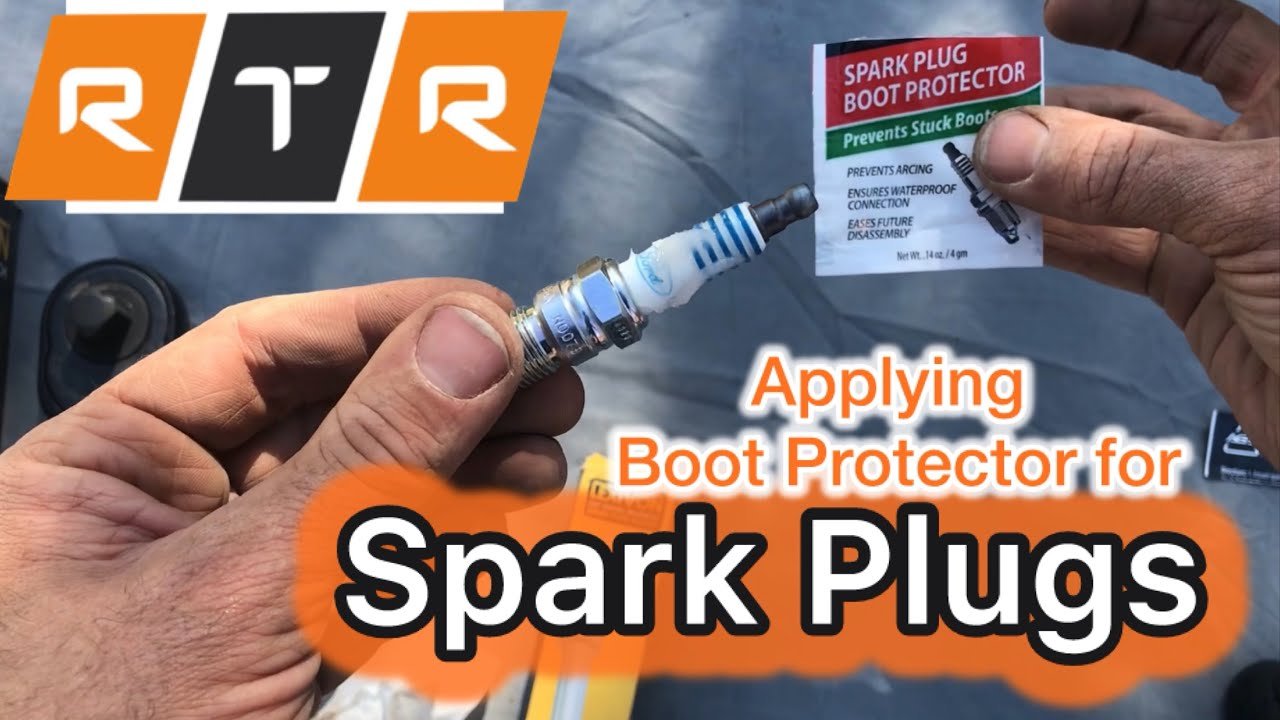
Put a small amount of dielectric grease inside the boot. This prevents moisture and corrosion. Too much grease can make the boot slip off, so use sparingly.
5. Install The Boot Protector
Slide the boot protector over the spark plug boot. Make sure it covers the entire boot, especially the area closest to the exhaust manifold.
Some protectors have a tight fit. Twist gently as you slide them on.
If the boot is too big, check the size using the wrong size is a common mistake.
6. Reattach The Boot
Push the boot (now with protector) back onto the spark plug. You should feel a click or snap. If not, check for proper alignment.
7. Repeat For All Boots
Repeat the process for each spark plug boot. Most cars have four, six, or eight, depending on the engine.
| Step | Time Needed | Common Mistake |
|---|---|---|
| Remove boot | 2 minutes | Pulled by wire |
| Clean area | 1 minute | Skipped cleaning |
| Apply grease | 1 minute | Used too much |
| Install protector | 2 minutes | Wrong size |
| Reattach boot | 2 minutes | Misaligned boot |
Choosing The Right Boot Protector
Not all boot protectors are equal. Here’s what to consider:
- Material: Fiberglass protects up to 1200°F (649°C). Silicone is flexible but protects up to 600°F (316°C).
- Size: Measure your boot length and diameter. Too tight or loose protectors won’t work well.
- Color: Some brands offer colors for easy identification, but this doesn’t affect performance.
Avoid cheap protectors made from thin materials. They often fail after a few months and can trap heat, making things worse.
| Material | Heat Resistance | Best Use |
|---|---|---|
| Fiberglass | Up to 1200°F | Performance/racing |
| Silicone | Up to 600°F | Daily driving |
| Kevlar | Up to 1000°F | Heavy duty |
Tips For Long-lasting Protection
To get the best results:
- Check boot protectors every 6 months for cracks or wear.
- Clean around the boots during oil changes.
- Replace protectors if you see melting or discoloration.
- Always use dielectric grease to keep moisture out.
One insight many beginners miss: Boot protectors can also prevent electrical interference. This helps sensitive sensors run smoothly, especially in modern cars.
Real-world Example
A car owner in Arizona installed fiberglass boot protectors after noticing misfires during summer. Temperatures often reached 110°F (43°C), and the engine bay was even hotter.
After installing protectors, misfires stopped, and spark plug wires lasted twice as long.
Another overlooked tip: When using boot protectors on older cars, always check for oil leaks. Leaking oil can soak protectors and reduce their effectiveness.
Final Thoughts
Applying a spark plug boot protector is a simple task that can save you hundreds of dollars in repairs. By following these steps and checking protectors regularly, you ensure your engine stays healthy and reliable.
Remember, the right material and proper installation make all the difference.
If you want more technical details, the official NGK Spark Plugs website offers expert advice.
Frequently Asked Questions
How Often Should I Replace Spark Plug Boot Protectors?
Most protectors last 1 3 years. Check them every 6 months for signs of damage or melting.
Can I Use Boot Protectors On Motorcycles?
Yes, many motorcycle engines benefit from protectors, especially in hot climates or high-performance models.
Do Boot Protectors Affect Engine Performance?
Indirectly, yes. They prevent misfires and electrical issues, which helps your engine run smoother.
What’s The Difference Between Fiberglass And Silicone Protectors?
Fiberglass handles higher heat and lasts longer in racing or heavy-duty use. Silicone is flexible and suits daily driving.
Is Dielectric Grease Necessary?
Yes. Dielectric grease keeps moisture and dirt away, improving the connection and making boots easier to remove later.