Putting a hardtop on your Jeep can transform its look, improve comfort, and provide better protection from weather. Many Jeep owners switch between a soft top and a hardtop throughout the year.
Installing a hardtop may seem tough, but with the right tools and steps, it’s a task you can handle at home.
This guide explains every detail you need to know even if it’s your first time.
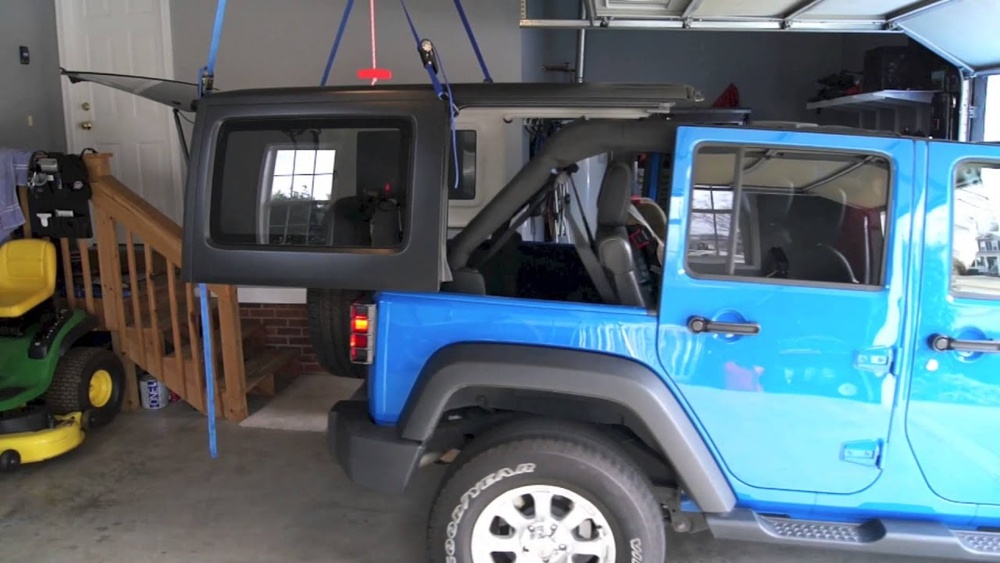
Why Choose A Hardtop For Your Jeep
A hardtop offers more than just style. It’s about function and durability. Hardtops reduce road noise, keep out rain and snow, and improve security compared to soft tops. For people who drive their Jeep daily or live in colder climates, a hardtop makes the ride much more comfortable.
Comparison: Soft Top Vs. Hardtop
| Feature | Soft Top | Hardtop |
|---|---|---|
| Weather Protection | Basic | Excellent |
| Noise Level | Loud | Quiet |
| Security | Low | High |
| Weight | Light | Heavy |
Tools And Preparation
Before you start, gather everything you need. Missing a tool halfway through can make the process frustrating.
Basic tools:
- Ratchet and socket set (usually 13mm or 10mm)
- Torx bit set (especially T40 or T50, depending on Jeep model)
- Screwdriver
- Clean towel or blanket (to protect the hardtop and your paint)
- Friend/helper (hardtops are heavy)
Pro tip: A manual or electric hoist can make lifting easier, but two strong people can do the job safely without one.
Hardtop Weight By Model
Some Jeep hardtops are heavier than you think. Here’s a quick look:
| Jeep Model | Hardtop Weight (lbs) |
|---|---|
| Wrangler JK (2-door) | ~120 |
| Wrangler JK (4-door) | ~140 |
| Wrangler JL (2-door) | ~110 |
| Wrangler JL (4-door) | ~140 |
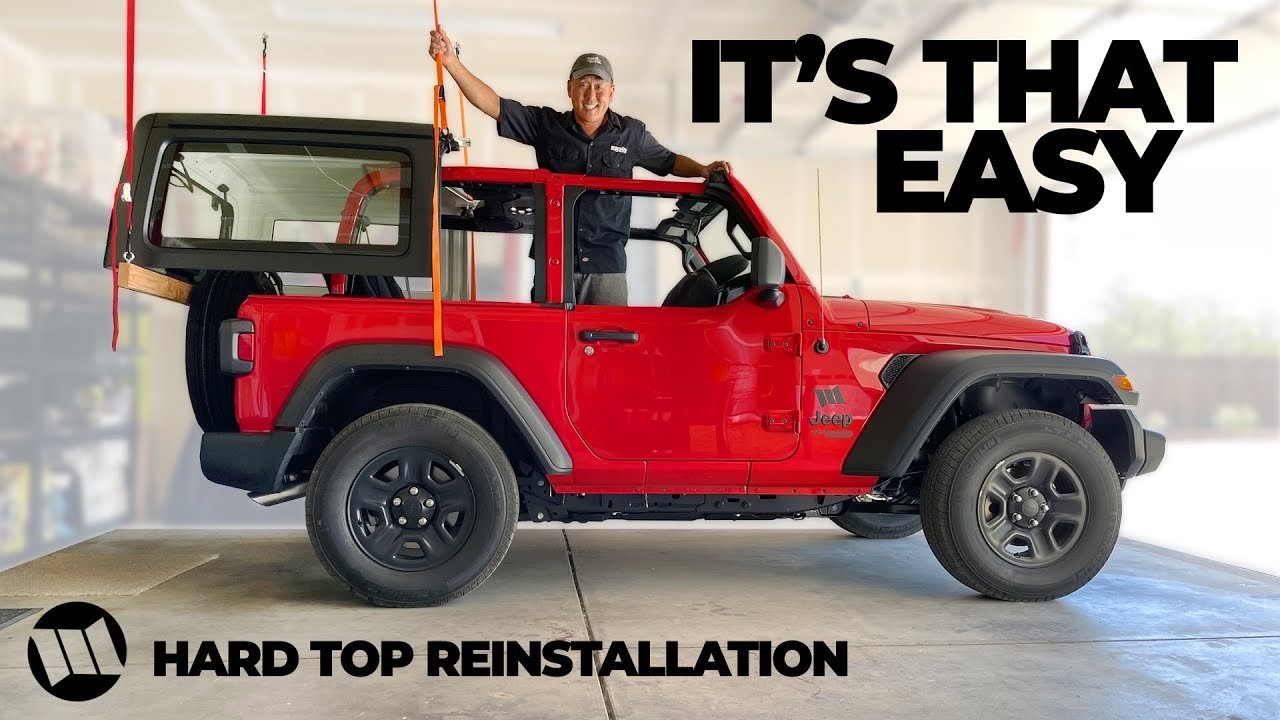
Step-by-step: How To Put A Hardtop On A Jeep
Follow these steps for a safe and smooth installation.
- Remove the Soft Top (if installed)
- Unclip all latches and remove fasteners.
- Carefully take off the soft top and its frame. Store it somewhere dry.
- Clean Mounting Surfaces
- Wipe down the roll bars and body edges with a clean towel.
- Remove dirt or old weatherstripping for a tight seal.
- Prepare the Hardtop
- Place the hardtop on a blanket or soft surface to avoid scratches.
- Check weatherstripping and seals for damage.
- Position the Hardtop
- With a helper, lift the hardtop and gently lower it onto the Jeep.
- Align the front edge with the windshield frame and the rear corners with the body.
- Make sure the weatherstrip sits flat with no gaps.
- Secure the Front Latches
- Close and lock the front latches above the windshield.
- For newer Jeeps, use the Torx bolts (usually four) to secure the front.
- Install Rear Bolts
- Insert bolts into the rear mounting points (usually behind the rear seats).
- Tighten them with your ratchet and socket. Do not overtighten—snug is enough.
- Connect Electrical and Washer Lines
- If your hardtop has a rear defroster or wiper, connect the wiring harness and washer hose.
- Double-check connections before closing up.
- Inspect and Finish
- Walk around and check for gaps or misalignment.
- Test the rear window and wiper to ensure everything works.
- Close all doors and make sure they seal tightly.
Beginner tip: Don’t rush. Aligning the hardtop perfectly can take a few tries, especially the first time.
Common Problems And Solutions
Leaking after installation: Check if the weatherstrip is pinched or dirty. Clean and reposition it.
Rattling noise: This usually comes from loose bolts. Re-tighten all mounting points.
Hardtop won’t fit: Each Jeep model has its own hardtop design. Double-check compatibility before buying or installing.
One person installation: It’s possible with a hoist, but not recommended. The risk of scratching or dropping is high.
Maintenance After Installation
A hardtop needs less care than a soft top, but don’t ignore it. Wash it with mild soap, and check the seals every few months.
Lubricate the latches and hinges once a season. If you hear wind noise, inspect the seals immediately small gaps can let in water.
When To Remove Or Reinstall
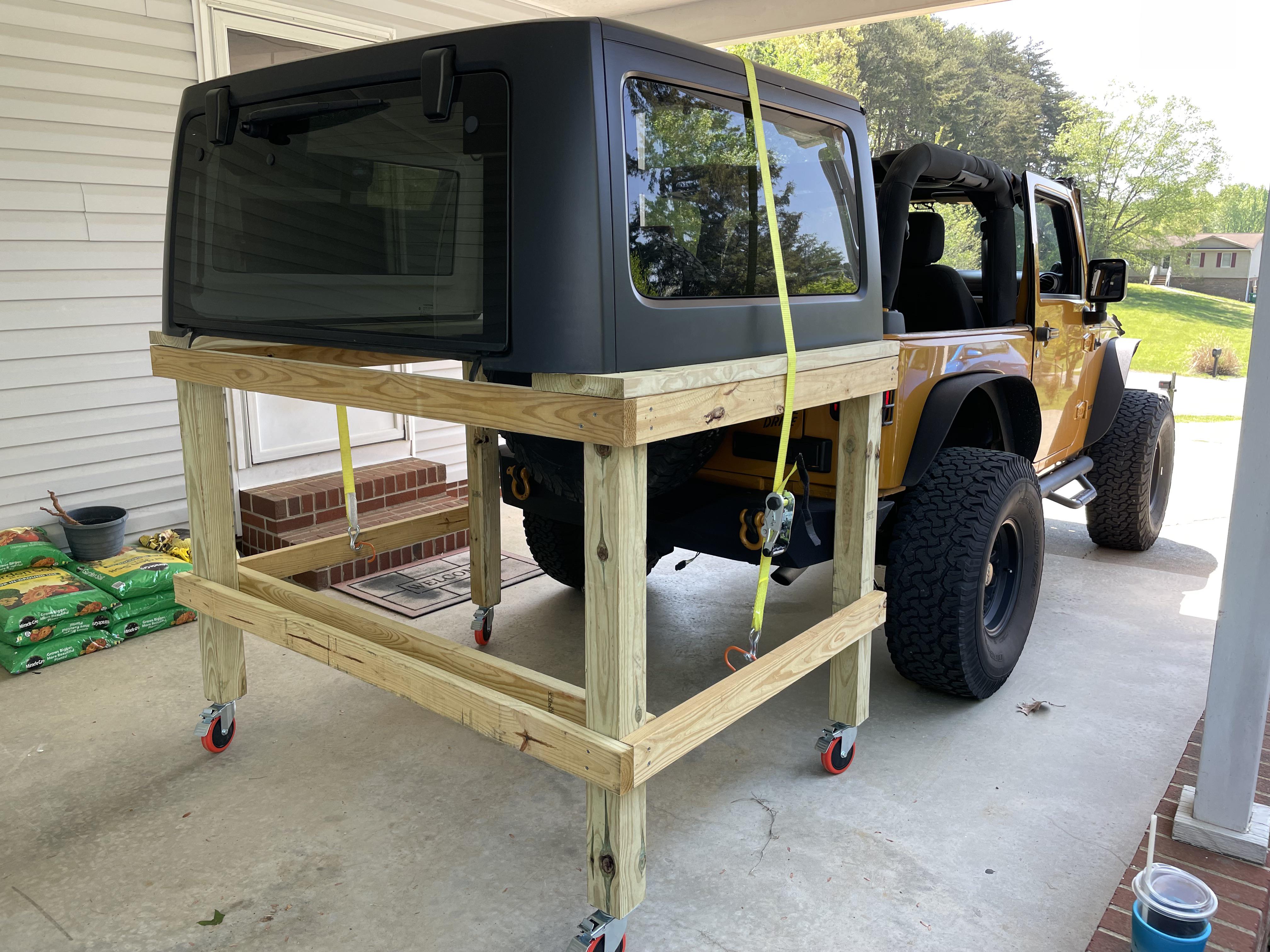
Some Jeep owners swap hardtops for soft tops in summer. If you plan to store your hardtop, keep it upright on a padded surface, away from sunlight.
Never place heavy objects on top, as this can warp the shell.
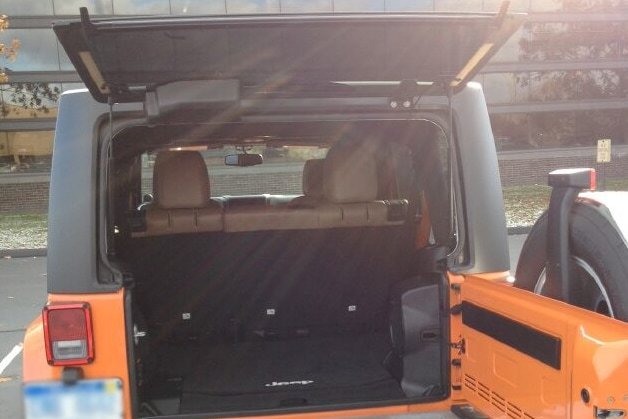
Cost And Value
A new OEM Jeep hardtop can cost between $2,000 and $3,000, depending on features like rear defroster or color. Used hardtops are cheaper, but always check for cracks or missing hardware. The value is clear: better insulation, security, and higher resale value for your Jeep.
Frequently Asked Questions
How Long Does It Take To Install A Hardtop On A Jeep?
Most people need 30 to 60 minutes for their first time. With practice, installation can take less than 30 minutes.
Can I Put A Hardtop On My Jeep Alone?
It’s possible, but not safe. Hardtops are heavy and awkward to lift.
Always have a friend or use a hoist.
Will Any Jeep Hardtop Fit My Model?
No. Hardtops are model-specific. For example, a Wrangler JK hardtop will not fit a JL. Always check compatibility.
How Do I Clean And Care For My Jeep Hardtop?
Use mild soap and water, avoid harsh chemicals, and check the seals regularly. This keeps the finish in top condition.
Where Can I Find More Detailed Guides Or Videos?
Official Jeep manuals and forums offer excellent resources. For more information, visit the Jeep How-To Guides.
Upgrading to a hardtop is one of the best investments for a Jeep owner. With the right tools and steps, you’ll enjoy more comfort, better weather protection, and a Jeep that’s ready for any season.
Take your time, follow the process, and your next drive will feel like a whole new experience.


















