Adjusting the headlights on your Jeep Wrangler is more than just a small maintenance task—it’s a step toward safer driving at night and in bad weather.
Many Jeep owners don’t realize that poorly aimed headlights can make it hard to see the road, cause glare for other drivers, and even lead to failed vehicle inspections. With a few simple tools and the right approach, you can align your headlights yourself and improve your driving experience.
This guide walks you through the process, shares practical tips, and includes tables for clarity.
Why Headlight Adjustment Matters
Properly aimed headlights are crucial for safety. According to the National Highway Traffic Safety Administration (NHTSA), misaligned headlights are a leading cause of nighttime accidents. If your headlights point too high, you risk blinding oncoming drivers. If they’re too low, you won’t see far enough ahead. Many Jeep Wranglers, especially after modifications like lift kits or tire changes, need headlight realignment.
Common Symptoms Of Misaligned Headlights
- Uneven light pattern on the road
- Glare in the eyes of oncoming drivers
- Dim road visibility at night
- Failing vehicle inspections
Tools And Preparation
Before adjusting, gather these basic items:
- Phillips screwdriver (or Torx, depending on your Wrangler’s model)
- Measuring tape
- Masking tape
- Flat wall and level surface (garage door or parking lot works well)
- Owner’s manual (for model-specific instructions)
Make sure your Jeep’s tires are properly inflated and there’s no heavy cargo inside. Headlight adjustment should be done with a normal load to simulate real driving conditions.
Step-by-step Headlight Adjustment Guide
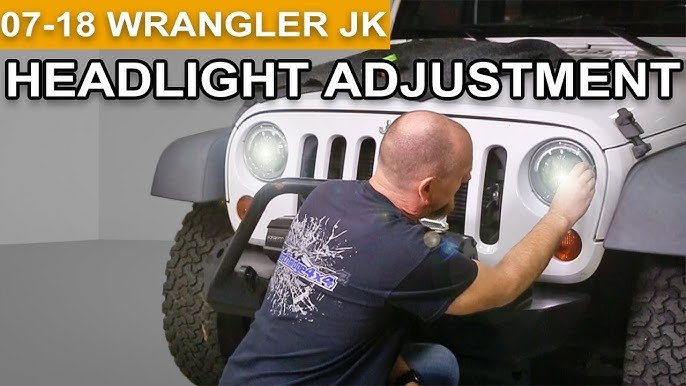
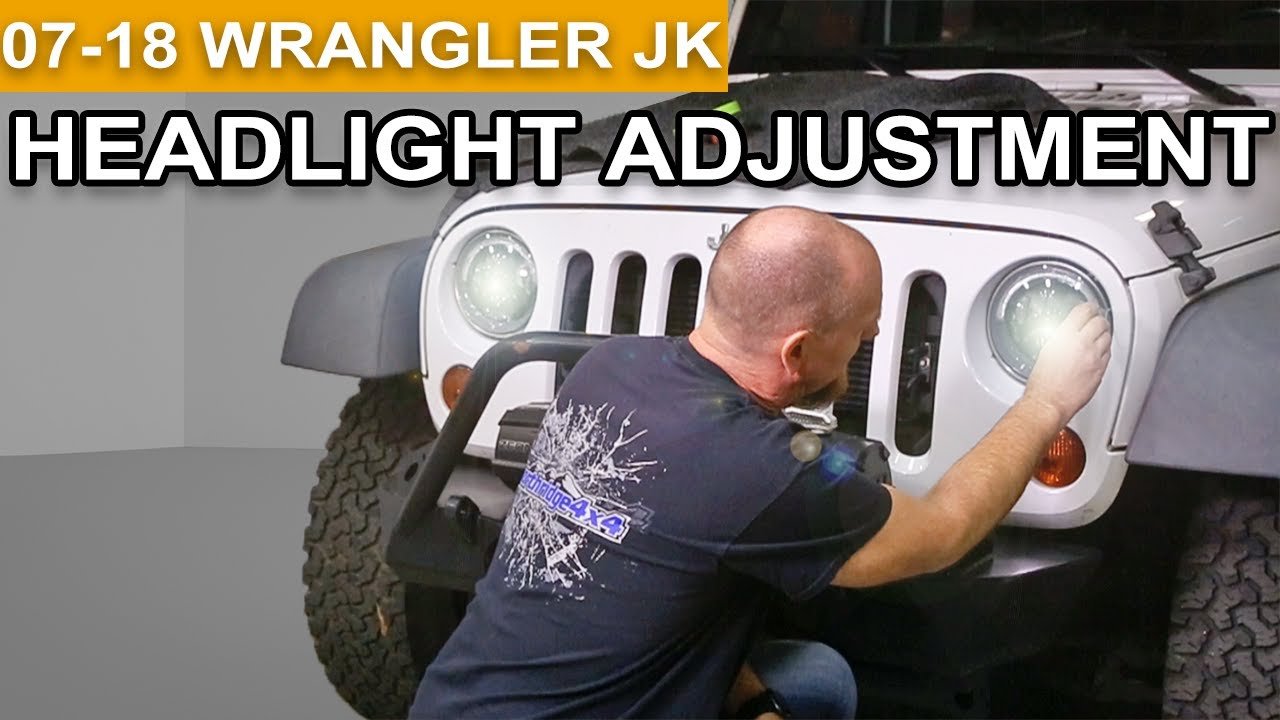
Follow these steps to get accurate results. Most Jeep Wranglers have vertical and horizontal adjustment screws behind the headlight housing.
1. Position Your Jeep
- Park your Jeep about 25 feet from a flat wall.
- The surface should be level, and your Jeep should face directly toward the wall.
2. Mark Reference Points
- Measure from the ground up to the center of each headlight.
- Use masking tape to mark two horizontal lines at this height on the wall, directly in front of each headlight.
- Place vertical tape lines to mark the center line of your Jeep and the center of each headlight.
3. Turn On Headlights
- Switch on the low beams (not high beams).
- Make sure headlights are clean for accurate results.
4. Adjust Vertical Aim
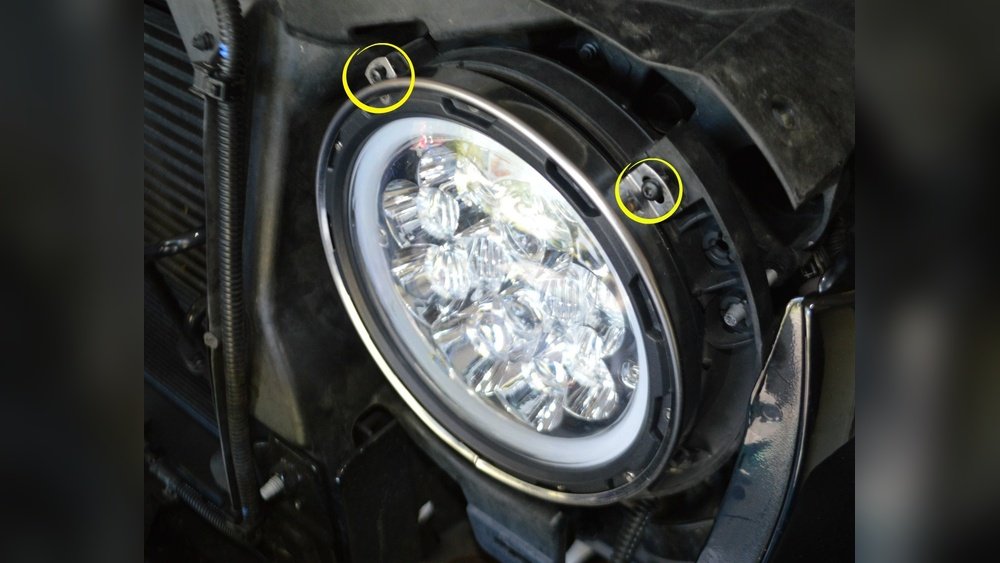
- Locate the vertical adjustment screw behind each headlight.
- Turn the screw slowly until the top of the beam aligns with the horizontal tape line.
5. Adjust Horizontal Aim
- Find the horizontal adjustment screw.
- Adjust so the brightest part of the beam is slightly right of the vertical tape lines (for US roads).
- Avoid aiming beams too far left or right.
6. Test And Fine-tune
- Check the pattern from the driver’s seat.
- Drive around the block at night to confirm visibility and reduce glare.
| Adjustment Type | Correct Position | Common Mistake |
|---|---|---|
| Vertical | Beam top at tape line | Beam too high or low |
| Horizontal | Beam center slightly right | Beam too far left |
Practical Tips And Non-obvious Insights
Many Jeep owners overlook two key points:
- Headlight bulb type matters. If you’ve upgraded to LED or HID bulbs, the beam pattern may change. Adjustments are still needed even after bulb swaps.
- Suspension changes affect alignment. Lift kits, bigger tires, or added weight (like winches) change your Jeep’s angle, requiring fresh adjustment.
Jeep Wranglers often get customized, so repeat the process after any major modification.
Example: Impact Of Tire Size
Larger tires raise the Jeep’s front end, causing headlights to aim higher. This simple change can make your lights misaligned even if you’ve never touched the housing.
| Tire Size | Headlight Aim | Adjustment Needed? |
|---|---|---|
| Stock (225/75R16) | Normal | No |
| Lifted (33” tires) | Higher | Yes |
How Often Should You Adjust Headlights?
There’s no fixed schedule, but consider checking your headlights:
- After installing lift kits, larger tires, or new bulbs
- If you notice poor road visibility or complaints from other drivers
- At least once a year for routine safety
Regular adjustment keeps your Jeep Wrangler safe and legal on the roads.
Mistakes To Avoid
- Adjusting in daylight without seeing the beam clearly
- Skipping the measurement step
- Using high beams for alignment instead of low beams
- Ignoring changes after mods like new bumpers or winches
Most beginners forget to measure from the ground, causing incorrect tape placement and faulty alignment.
| Common Mistake | Consequence |
|---|---|
| Wrong tape height | Poor visibility |
| Adjusting only one headlight | Uneven road illumination |
| Forgetting to check tire pressure | Beams not level |
Final Checks And Road Test
Once you finish adjusting, it’s smart to do a quick road test. Drive at night in a safe area and check:
- Road visibility ahead and to the sides
- No glare for other drivers
- Consistent light pattern from both headlights
If possible, ask a friend to stand in front of your Jeep and confirm there’s no blinding effect.
Frequently Asked Questions
How Do I Know If My Headlights Are Misaligned?
If you see uneven light patterns, experience poor night visibility, or get flashed by oncoming drivers, your headlights may be misaligned.
Can I Adjust Headlights After Installing Led Bulbs?
Yes, LED upgrades often change the beam pattern. Always realign headlights after changing bulb types.
Is Professional Alignment Better Than Diy?
Professional shops use precise tools, but DIY works well for most Jeep Wranglers. If you’re unsure, a shop can check alignment for a fee.
What’s The Legal Requirement For Headlight Height?
US law requires headlights to aim so the beam does not blind other drivers. Check your state’s rules for exact height and aim details. For reference, see NHTSA Headlight Standards.
Why Do My Headlights Get Misaligned After Off-roading?
Rough terrain, bumps, or suspension changes can shift the headlight housing. Always check alignment after heavy off-road use.
Adjusting your Jeep Wrangler’s headlights is simple but vital. It keeps you safer, avoids legal trouble, and improves your driving experience.
With these steps, tools, and checks, you can confidently set your headlights for clear, comfortable journeys day or night.