If your Jeep Grand Cherokee’s air conditioning isn't blowing cold air like before, it might need more Freon. Freon is the common name for refrigerant—it's what makes your AC blow cold air.
Adding Freon sounds tricky, but with the right steps and care, many owners can do it themselves. This guide will show you how to safely add Freon to your Jeep Grand Cherokee, help you avoid mistakes, and answer common questions.
When Does Your Jeep Need Freon?
First, it’s important to know if your Grand Cherokee really needs more Freon. Low refrigerant can cause:

- Weak cooling or only warm air from the vents
- Compressor clutch not engaging
- Hissing noise from the AC lines
However, low Freon often means there is a leak. Just topping up won't fix leaks.
If you add Freon and the problem comes back quickly, have your AC checked by a professional.
What You’ll Need
Before you start, gather these items:
- R-134a refrigerant can (most Jeep Grand Cherokees 1996–2020 use this, but check your manual)
- Recharge hose with gauge (shows pressure)
- Protective gloves and goggles
- Owner’s manual (for safety info and specs)
Most auto parts stores sell AC recharge kits that include a hose and gauge.
Safety Precautions
Adding refrigerant is safe if you:
- Work in a well-ventilated area
- Avoid skin and eye contact with Freon
- Never overcharge the system—too much can damage your AC
If you feel unsure at any step, stop and get professional help. Refrigerant can cause serious injury if handled incorrectly.
Step-by-step: How To Add Freon
Follow these steps to add Freon to your Jeep Grand Cherokee:
- Turn on the Engine and AC
- Start your Jeep and set the AC to the maximum cold setting with the fan on high.
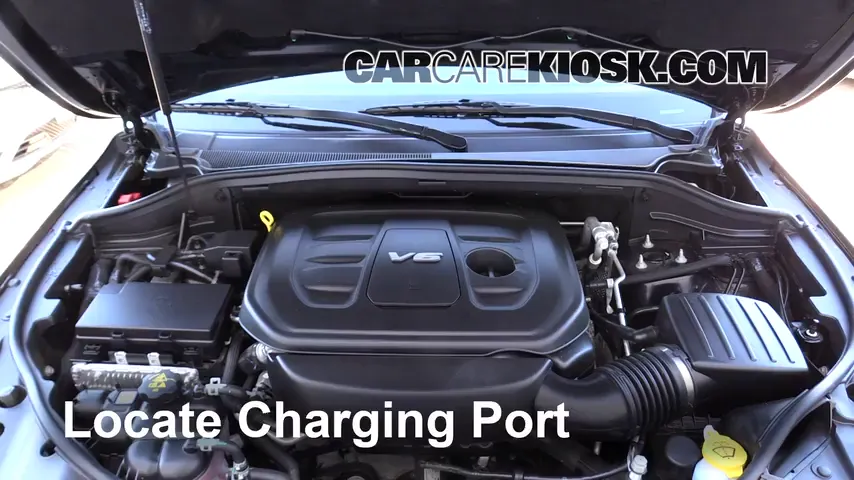
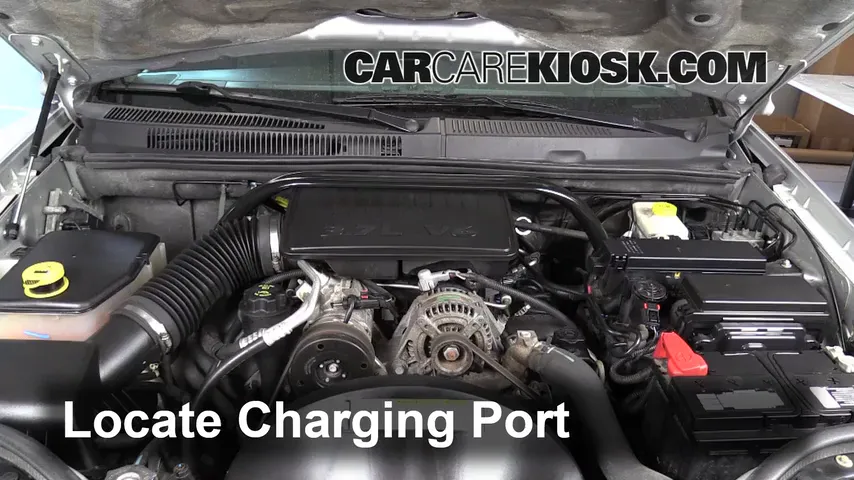
- Find the Low-Pressure Service Port
- Open the hood. Look for the AC lines (metal pipes). The low-pressure port usually has a black or blue cap and is labeled with an “L.” It’s often near the passenger side firewall.
- Attach the Recharge Hose
- Remove the cap from the low-pressure port.
- Connect the hose from your recharge kit. It should snap on easily.
- Read the Pressure
- Check the gauge. At 75°F, the correct low-side pressure is usually between 25–45 psi for most Grand Cherokees.
- If the pressure is too high, do not add Freon—this means another problem needs fixing.
- Add Freon Slowly
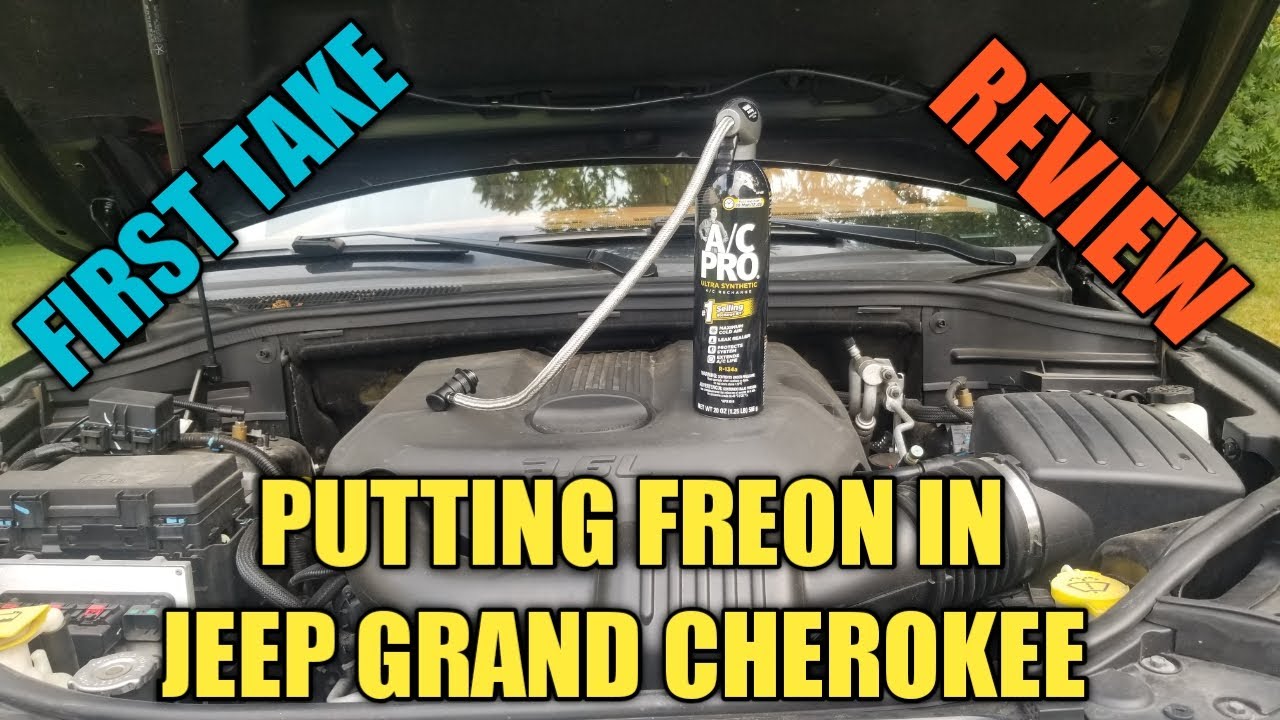
- Shake the refrigerant can.
- Hold the can upright and squeeze the trigger to let Freon flow into the system.
- Add in short bursts, checking the gauge every 10–15 seconds.
- Stop adding when the gauge reaches the recommended range.
- Finish Up
- Disconnect the hose.
- Replace the service port cap tightly.
- Turn off the engine and check if the AC blows cold.
Typical Ac System Capacity Table
Here’s how much refrigerant most Jeep Grand Cherokees need:
| Model Year | R-134a Capacity |
|---|---|
| 1996–2004 | 24–32 oz (680–900 g) |
| 2005–2010 | 24–28 oz (680–800 g) |
| 2011–2020 | 20–24 oz (567–680 g) |
Always check your exact model’s specs in the owner’s manual.
Common Mistakes To Avoid
Many beginners add too much refrigerant. This can harm the compressor and reduce cooling. Here are other mistakes to watch out for:
- Using the wrong port: Only add Freon to the low-pressure port.
- Not checking for leaks: If your AC is always low, you may have a leak.
- Not wearing protection: Freon can freeze skin instantly.
Signs You May Have A Leak
If you keep adding Freon but the AC doesn’t stay cold, you probably have a leak. Look for:
- Oily residue around AC hoses or connections
- Faint hissing sounds after the engine is off
- Visible dye (if a leak detector was used before)
A professional can use UV dye or a sniffer tool to find leaks. Fixing leaks early saves money and protects your Jeep’s AC system.
Quick Comparison: Diy Vs Professional Ac Service
Is it better to add Freon yourself or go to a shop? Here’s a quick look:
| Aspect | DIY | Professional Service |
|---|---|---|
| Cost | $30–$60 | $120–$200 |
| Time | 15–30 minutes | 1–2 hours |
| Accuracy | Good for simple top-ups | Best for complex issues |
| Leak Detection | Basic (visual only) | Advanced tools |
DIY is fine for small, simple fixes. For stubborn problems or leaks, professional service is worth the investment.
Two Insights Most Beginners Miss
- You can’t “just add Freon” forever. If you need to add more than once per year, there’s a leak that needs repair.
- Low refrigerant can damage your AC compressor. The system uses Freon to carry oil and keep moving parts cool. Running it low can quickly lead to expensive repairs.
Extra Tips For Best Results
- Only use R-134a for models made after 1996. Older systems may need a different refrigerant.
- Keep your engine running while adding Freon—this helps circulate the new refrigerant.
- If you see frost forming on the pipes, stop. This means the system is getting too much refrigerant.
Frequently Asked Questions
How Often Should I Add Freon To My Jeep Grand Cherokee?
You shouldn’t need to add Freon regularly. If your AC system is sealed and working, it may go many years without needing more.
If you need to add it often, there’s likely a leak.
Can I Use A Different Refrigerant Instead Of R-134a?
No. Most Jeep Grand Cherokees after 1996 are designed for R-134a only. Using a different type may damage the system or break the law in some places.
Is Adding Freon To My Jeep Safe For Beginners?
It can be, if you follow instructions carefully and use protective gear. Always read your kit’s instructions and never guess the amount.
How Do I Know If I Added Too Much Freon?
If your AC stops cooling, the compressor makes new noises, or you see frost on the lines, the system may be overcharged. In this case, have a professional safely remove the excess.
Where Can I Learn More About Automotive Ac Systems?
For more technical details, visit the Wikipedia article on automobile air conditioning.
Adding Freon to your Jeep Grand Cherokee is a useful skill that can save time and money. Just remember to stay safe, check for leaks, and don’t overfill. For complex problems or repeated low refrigerant, trust a professional. With care, your Jeep’s AC will keep you cool for many miles ahead.