Buying a new car is a big decision, especially when safety is a top concern. The Jeep Grand Cherokee is a popular midsize SUV with a strong reputation for performance and comfort.
But how safe is this vehicle for you and your family? Let’s break down the facts and data, compare features, and share real insights that help you judge the Grand Cherokee’s safety—without technical jargon or confusing words.
Crash Test Ratings: What The Numbers Say
Crash tests are the first thing most buyers check. Two main organizations rate car safety in the US: the National Highway Traffic Safety Administration (NHTSA) and the Insurance Institute for Highway Safety (IIHS).
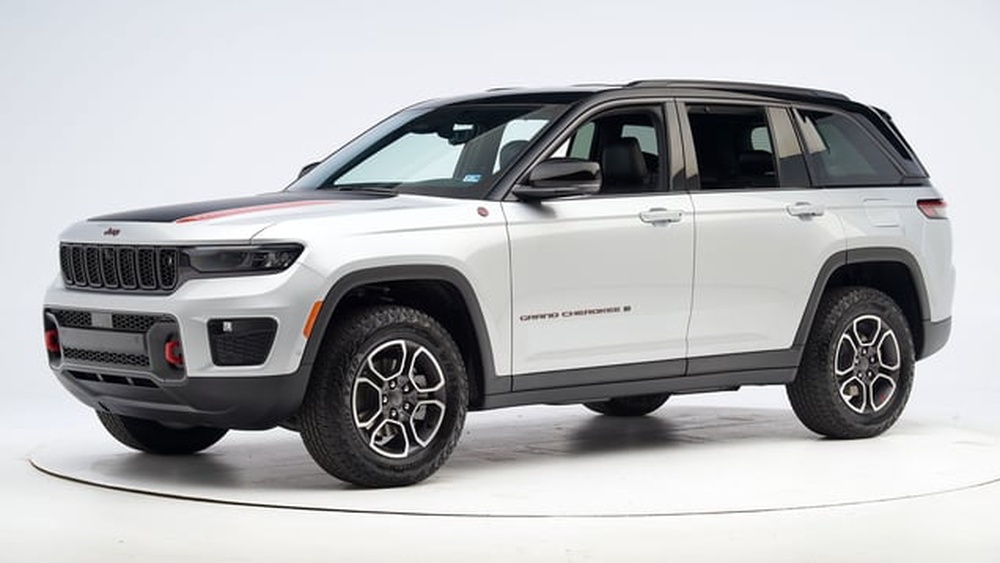
Here’s a simple comparison of the latest Grand Cherokee’s ratings:
| Test | Grand Cherokee | Ford Explorer | Toyota Highlander |
|---|---|---|---|
| NHTSA Overall | 5 stars | 5 stars | 5 stars |
| IIHS Overall | Good | Good | Good |
| IIHS Side Impact | Acceptable | Good | Good |
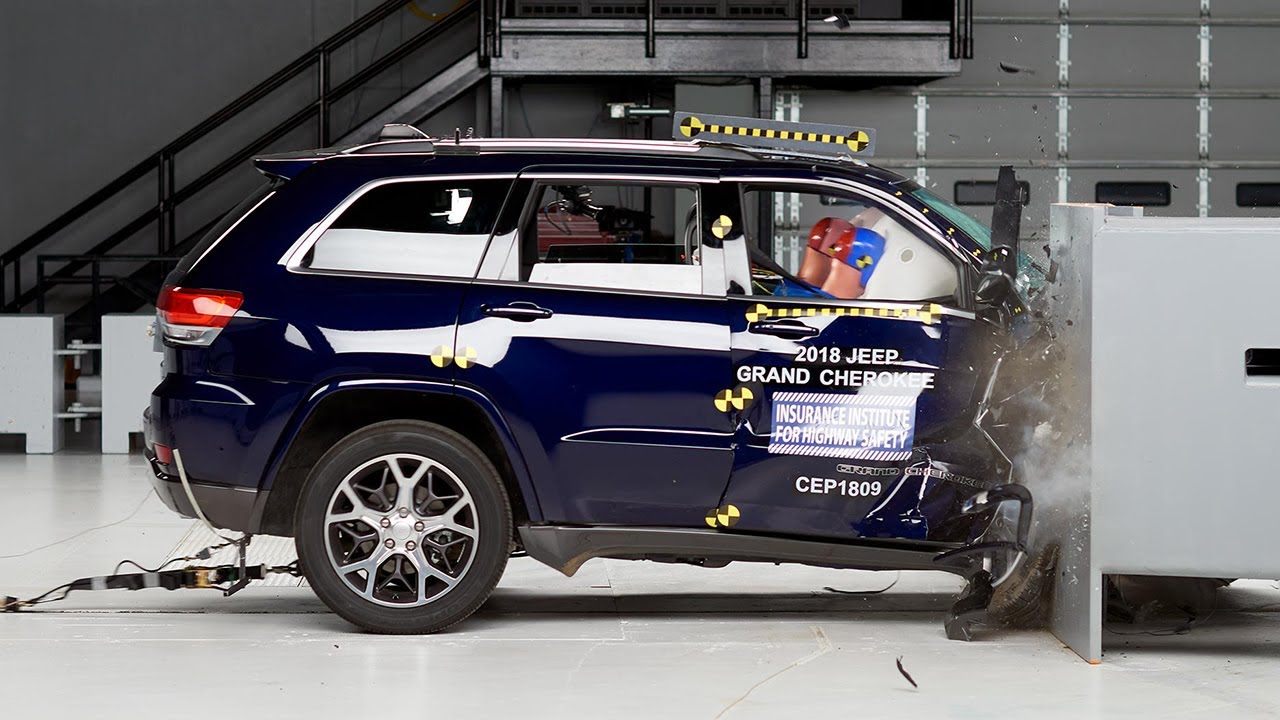
Most tests show the Grand Cherokee scores well, matching its top rivals. However, “Acceptable” for side impact means it’s not the best in every area. Buyers often miss this detail, thinking 5 stars covers all situations.
Advanced Safety Features
Modern SUVs come packed with technology. The Grand Cherokee offers a wide mix of active and passive systems. Here are the main features:
- Blind Spot Monitoring: Alerts you to cars in your blind spot.
- Forward Collision Warning: Warns if you’re about to hit something ahead.
- Automatic Emergency Braking: Slows or stops the car if you don’t react.
- Lane Keep Assist: Helps you stay in your lane.
- Rear Cross Path Detection: Warns about traffic when reversing.
| Feature | Standard? | Optional? |
|---|---|---|
| Blind Spot Monitoring | Yes | – |
| Forward Collision Warning | Yes | – |
| Lane Keep Assist | Yes | – |
| Rear Cross Path Detection | Yes | – |
| Adaptive Cruise Control | – | Yes |
Most basic safety tech is standard on all trims. Some advanced items, like adaptive cruise control, cost extra or require a higher trim. This can surprise buyers, especially those who expect all features in every model.

Real-world Data: Accident And Recall Records
Crash tests and features are important, but real-world numbers matter too. Looking at accident data and recalls shows how the Grand Cherokee performs outside the lab.
According to recent NHTSA data, the Grand Cherokee has a lower accident rate compared to the average midsize SUV. However, it has had a few recalls linked to safety, including:
- Brake system issues (2022): Some models had problems that could reduce stopping power.
- Airbag deployment errors (2021): In rare cases, airbags didn’t deploy as expected.
Recalls are normal in every car brand, but how quickly they are fixed matters. Jeep has responded fast, sending alerts and offering repairs at no cost.
Still, buyers should check for open recalls before buying used models.
Child Safety: Family Considerations
Families often ask about child safety. The Grand Cherokee includes LATCH connectors for child seats, and rear doors have child locks. In IIHS child seat tests, the Grand Cherokee scored “Good” for ease of installation, but space is tighter than in some larger SUVs.
Here’s a quick comparison of child seat space:
| Model | Rear Seat Width (inches) | LATCH Score |
|---|---|---|
| Grand Cherokee | 54 | Good |
| Honda Pilot | 58 | Good |
| Chevrolet Traverse | 60 | Good |
If you need to fit three seats across, you may find the Grand Cherokee a bit tight. For two seats, it’s comfortable and secure.
Non-obvious Insights: What Most Buyers Miss
Many new buyers focus only on crash ratings or visible features. But there are hidden factors that affect safety:
- Maintenance history: A poorly maintained Grand Cherokee can lose braking power, steering control, or even suffer electrical faults. Always check service records before purchase.
- Tire quality and pressure: Many accidents happen because of worn tires or wrong pressure. The Grand Cherokee’s tire pressure monitoring system helps, but you must check tires often.
Another insight: The Grand Cherokee is heavier than many SUVs. This gives more protection in some crashes but means longer stopping distances. It’s smart to leave extra space when driving.
Common Safety Mistakes
Even with all the technology, mistakes can happen. Here are common errors:
- Ignoring recall notices: Some owners forget to fix recalls, risking safety.
- Relying only on tech: Safety features help, but driver attention is key.
- Skipping tire checks: Good tires are as important as airbags.
Being aware of these points can prevent accidents and keep your Grand Cherokee safe.

Should You Trust The Jeep Grand Cherokee?
If you want a safe midsize SUV, the Grand Cherokee is a strong choice. It matches or beats most rivals in crash tests, and its safety features are modern and easy to use.
Fast recall responses and good child seat scores add confidence.
Still, for the best safety, choose a newer model, check service history, and keep up with maintenance. For deeper crash stats and recall details, visit the official NHTSA website.
Frequently Asked Questions
Is The Jeep Grand Cherokee Safe For Families?
Yes, the Grand Cherokee offers LATCH connectors, child locks, and high crash scores. Rear seat space is good for most families, though fitting three child seats may be tight.
Does The Grand Cherokee Have Automatic Emergency Braking?
Yes, automatic emergency braking is standard on new Grand Cherokee models. It can help avoid accidents by stopping or slowing the car if you don’t react in time.
How Does The Grand Cherokee Compare To Other Suvs?
In crash tests, the Grand Cherokee matches Ford Explorer and Toyota Highlander. It’s strong in most areas, though side impact scores are slightly lower than some rivals.
Are There Any Major Safety Recalls?
There have been recalls for brake issues and airbag deployment in recent years. Jeep fixes these fast, but always check for open recalls before buying.
What’s The Most Important Safety Tip For Owners?
Keep your tires in good condition and stay up to date on maintenance. Even the best technology can’t replace careful driving and regular safety checks.