The Jeep Cherokee is one of the most recognized names in the world of SUVs. When you see a Cherokee on the road, you are looking at a vehicle with a long story—a journey that started decades ago.
But how old is the Jeep Cherokee, and how has it changed over the years? Let’s break down its history, major changes, and why it still matters today.
The Birth Of The Jeep Cherokee
The Jeep Cherokee was first introduced in 1974. Back then, it was designed to be a sportier, more youthful alternative to the Jeep Wagoneer. The first generation, known as the SJ, shared its platform with the Wagoneer but had a two-door body. This new model aimed at younger drivers who wanted adventure but also needed space and comfort.
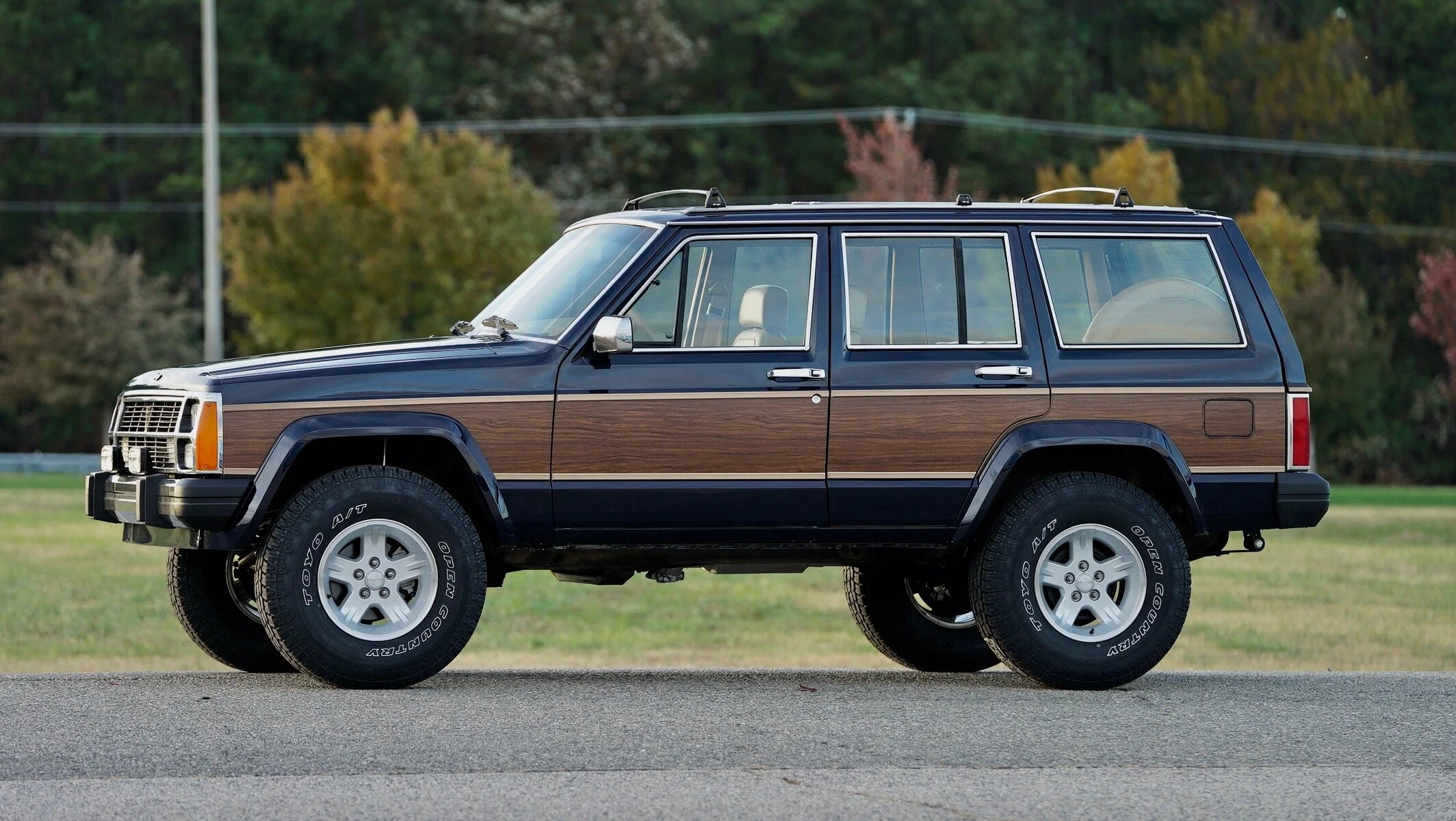
So, if you are wondering, “How old is the Jeep Cherokee?”—the answer is simple. The Jeep Cherokee is 50 years old as of 2024. Its long life is a sign of its popularity and ability to adapt with the times.
Major Generations And Their Unique Features
Over the years, the Jeep Cherokee has gone through five major generations. Each version brought something new to the market. Here’s a quick comparison of the main generations:
| Generation | Years Produced | Key Features |
|---|---|---|
| SJ (1st) | 1974–1983 | Full-size, 2-door, strong off-road abilities |
| XJ (2nd) | 1984–2001 | Compact, unibody, legendary for durability |
| KJ (3rd) | 2002–2007 | Rounded styling, improved comfort, first Liberty in the US |
| KK (4th) | 2008–2012 | Updated Liberty, more tech, boxy design |
| KL (5th) | 2014–present | Modern look, advanced safety, efficient engines |
The Xj: The Game Changer
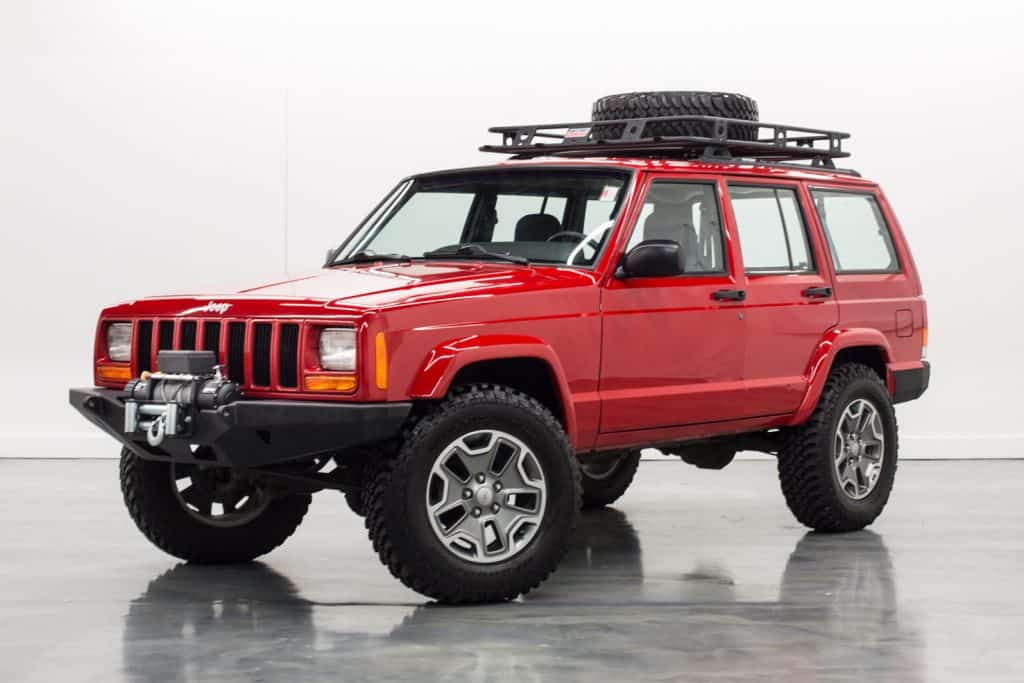
The XJ Cherokee (1984–2001) is a name many Jeep fans respect. Unlike many SUVs of its time, the XJ used a unibody construction instead of the usual body-on-frame. This made it lighter and more agile, yet still tough for off-roading. The XJ’s design is so popular that even today, people look for old XJs to restore.
The Kl: Today’s Cherokee
The latest Cherokee, known as the KL, arrived in 2014. It brought a more modern look and improved safety features. You can see lane departure warnings, forward collision alerts, and even fuel-efficient engines. Jeep made these changes to fit the needs of modern drivers while still keeping the adventurous spirit alive.
How The Cherokee Changed The Suv Market
The Jeep Cherokee did more than just offer a new vehicle choice. It helped shape what people expect from SUVs.
Early on, SUVs were mainly for work or rough roads. The Cherokee showed they could also be comfortable for families and daily driving.
Here’s a quick look at how the Cherokee stacks up against other famous SUVs:
| Model | First Year | Main Strength |
|---|---|---|
| Jeep Cherokee | 1974 | Balance of off-road and comfort |
| Ford Explorer | 1990 | Family comfort, city driving |
| Toyota 4Runner | 1984 | Off-road reliability |
| Chevrolet Blazer | 1969 | Utility, truck-like power |
Key Milestones In Cherokee History
The Cherokee’s long history is filled with moments that changed the auto world. Here are some highlights:
- 1974: The Cherokee makes its debut, offering a new kind of SUV.
- 1984: Launch of the XJ, setting new standards for compact SUVs.
- 1997: Cherokee gets a major facelift, adding modern comforts.
- 2002: The Liberty replaces the Cherokee name in the US, but the Cherokee continues globally.
- 2014: The Cherokee name returns to the US with the KL generation, bringing new tech and style.
These moments show the Cherokee’s ability to evolve with changing tastes and technology.
Two Insights Many People Miss
Many car buyers know the Cherokee is old, but here are two points beginners often miss:
- Global Naming Differences: In the United States, the third and fourth generations were called Jeep Liberty, not Cherokee. However, in many other countries, the Cherokee name never went away. This can cause confusion when looking at used cars or reading about Jeep history.
- Unibody Construction’s Impact: The switch to unibody in 1984 was a big risk. At that time, most SUVs were heavy and rough. The XJ’s lighter frame helped fuel efficiency and handling, making SUVs more attractive to everyday drivers. This move inspired other carmakers to do the same.
The Cherokee’s Place In Today’s Market
With 50 years behind it, the Cherokee is now seen as a bridge between classic off-roaders and modern family SUVs. It competes with models like the Honda CR-V and Toyota RAV4 but keeps its Jeep DNA—meaning it can still handle dirt roads and trails. Modern Cherokees offer features like:
- All-wheel drive
- Advanced infotainment systems
- Safety tech like blind-spot monitoring
- Multiple engine options for different needs
Why The Cherokee Still Matters
The Jeep Cherokee is more than just an old SUV. It is proof that cars can adapt and survive in a fast-changing world.
Its blend of comfort, off-road ability, and new tech keeps it relevant. Many owners keep their Cherokees for years, and some XJ models are known to reach 300,000 miles with good care.
For more detailed history and specifications, you can check the official Jeep Cherokee Wikipedia page.
Frequently Asked Questions
How Old Is The Jeep Cherokee In 2024?
The Jeep Cherokee is 50 years old in 2024. It first appeared in 1974 and has gone through five main generations since then.
What Is The Most Popular Cherokee Model?
The XJ Cherokee (1984–2001) is often seen as the most popular. Its mix of toughness, size, and affordability made it a favorite for both off-road fans and families.
Is The Jeep Cherokee Still Being Made?
Yes, the Jeep Cherokee KL is still in production. It continues to get updates in design, safety, and technology to meet today’s needs.
What Makes The Cherokee Different From The Grand Cherokee?
The Cherokee is smaller and focused on compact or midsize markets, while the Grand Cherokee is larger, more luxurious, and has more powerful engine choices.
Are Old Jeep Cherokees Reliable?
Many older Cherokees, especially the XJ model, are known for their long-lasting durability. With regular maintenance, it’s not uncommon for them to run for hundreds of thousands of miles.