Keeping your Jeep Wrangler running strong means paying attention to oil changes. Many Jeep owners wonder how often they really need to change the oil.
Is it every 3,000 miles like the old advice, or can you wait longer? The answer depends on several factors, including your Wrangler’s model year, engine type, your driving habits, and even the climate where you live.
In this guide, you'll find clear advice to help you set the right oil change schedule and keep your Jeep in top shape.
Recommended Oil Change Intervals For Jeep Wrangler
The ideal time to change oil in a Jeep Wrangler depends first on the model year and engine type. For newer Wranglers, Jeep usually recommends an oil change every 7,500 to 10,000 miles under normal driving. For older models, the interval is often shorter.
Here’s a quick look at Jeep Wrangler oil change intervals:
| Model Year | Recommended Interval | Engine Type |
|---|---|---|
| 2018–2024 | 7,500–10,000 miles | 3.6L V6, 2.0L Turbo, 3.0L Diesel |
| 2007–2017 | 5,000–6,000 miles | 3.6L V6, 3.8L V6 |
| 1997–2006 | 3,000–5,000 miles | 4.0L I6, 2.5L I4 |
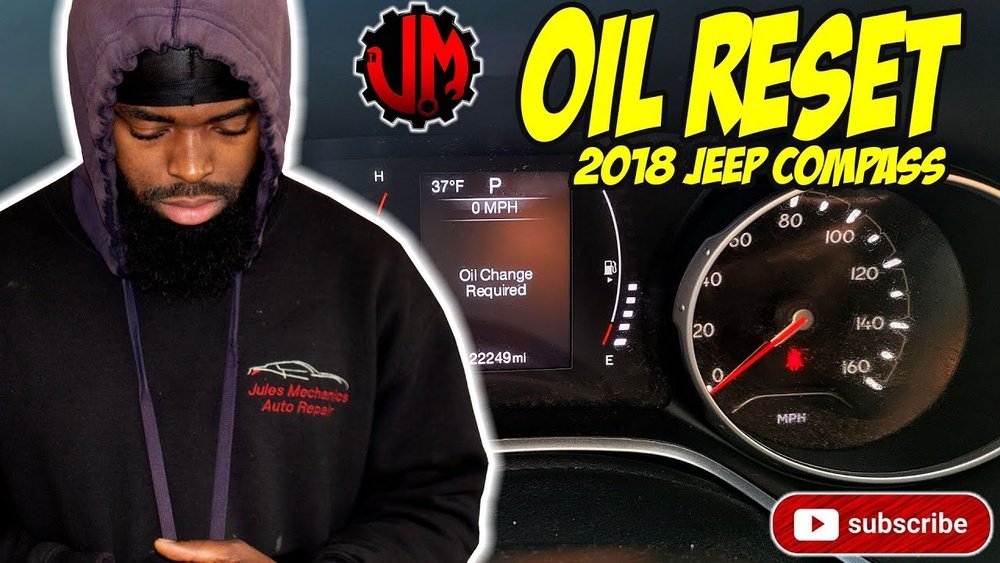
For the most accurate information, always check your owner’s manual. Jeep also uses an oil life monitoring system in many newer models, which tells you when it’s time for service.
Factors That Affect Oil Change Frequency
While the table above gives a baseline, several real-world factors can change how often you should change your oil:
- Driving Conditions: Short trips, city driving, or frequent stop-and-go traffic can make oil break down faster.
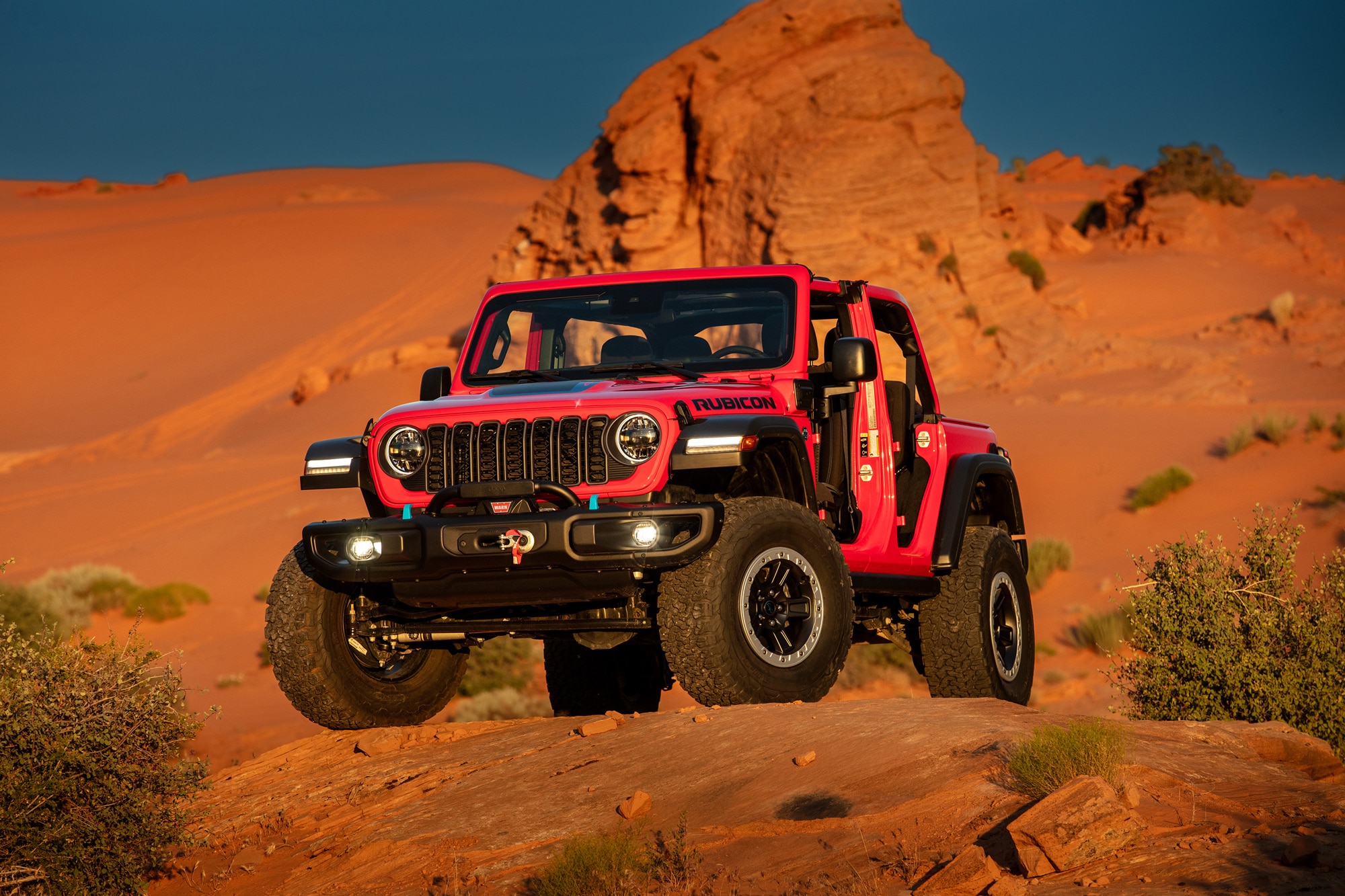
- Off-Roading: If you take your Wrangler off-road, mud, dust, and heavy loads can stress the engine, requiring more frequent changes.
- Climate: Extreme heat or cold can cause oil to degrade more quickly.
- Type of Oil: Synthetic oil lasts longer than conventional oil and can often go up to 10,000 miles between changes, while conventional oil may need to be changed every 3,000 to 5,000 miles.
- Towing or Heavy Loads: Hauling trailers or carrying extra weight puts more stress on the engine.
These factors mean that some Jeep owners may need to change oil sooner than the general recommendation.
Synthetic Vs. Conventional Oil For Jeep Wrangler
Choosing between synthetic and conventional oil affects not just performance but also your oil change interval. Synthetic oil resists breakdown at high temperatures and protects the engine better, especially for newer models or those driven in tough conditions.
| Oil Type | Typical Change Interval | Best For |
|---|---|---|
| Synthetic | 7,500–10,000 miles | New models, heavy use, extreme temperatures |
| Conventional | 3,000–5,000 miles | Older models, light use |
Switching to synthetic oil may cost more upfront, but it can help extend your engine’s life and save on long-term maintenance.
How To Tell When Your Jeep Needs An Oil Change
Sometimes, your Jeep will tell you it needs an oil change before you hit the recommended mileage. Watch for these signs:
- Oil Change Light: Many new Wranglers have an oil life indicator on the dashboard.
- Engine Noise: Louder engine noise can mean oil is losing its ability to lubricate.
- Dirty Oil: Check the dipstick. If oil is dark and gritty, it’s time for a change.
- Exhaust Smoke: Blue or gray smoke means oil might be burning.
- Oil Smell Inside: A strong oil smell in the cabin may indicate a leak or overheating.
Don’t ignore these signs, even if you haven’t reached the mileage interval.
What Happens If You Wait Too Long?
Delaying oil changes can cause serious problems. Old oil loses its ability to lubricate and clean. The result can be:
- Increased engine wear
- Overheating
- Sludge buildup
- Reduced fuel efficiency
- Possible engine failure
Changing oil on time is much cheaper than replacing an engine.
Common Mistakes Jeep Owners Make
Many Jeep owners stretch oil change intervals too far or use the wrong type of oil. Here are two mistakes beginners often make:
- Ignoring Severe Driving Conditions: If you go off-road or take many short trips, follow the severe service schedule, not the normal one.
- Using Incorrect Oil Viscosity: Always use the viscosity recommended in the owner’s manual. The wrong viscosity can hurt performance and engine life.
Another point: some forget to change the oil filter with every oil change. The filter traps dirt and particles, so reusing it can reduce the benefit of fresh oil.
Tips For Extending Your Jeep’s Engine Life
- Check oil level monthly and top off if needed.
- Use quality oil and filters.
- Follow the severe service schedule if you drive in tough conditions.
- Keep service records to track maintenance.
- Don’t rely only on mileage—pay attention to oil color and the oil life monitor.
These habits help your Wrangler stay reliable, especially if you love adventure.
Cost Of Oil Changes For Jeep Wrangler
The cost of an oil change varies by location, oil type, and whether you use a dealer or independent shop. Here’s a quick comparison:
| Service Type | Estimated Cost (USD) | Included Services |
|---|---|---|
| Dealer Service | $80–$120 | Oil, filter, inspection |
| Independent Shop | $50–$90 | Oil, filter, basic check |
| DIY | $30–$60 | Oil, filter |
Synthetic oil costs more but extends intervals and adds protection. For more details on oil change costs, you can check Edmunds.
Frequently Asked Questions
How Do I Know If My Jeep Wrangler Has Synthetic Oil?
Check your last service receipt, or look at the oil cap and owner’s manual. Many new Wranglers come with synthetic from the factory.
Can I Switch From Conventional To Synthetic Oil?
Yes, you can switch at any time. Synthetic oil blends well with conventional, but always use the correct viscosity and type for your engine.
What Happens If I Use The Wrong Oil Type?
Using the wrong oil can reduce engine performance, cause leaks, or damage seals. Always follow the viscosity and type recommended for your Wrangler.
Does Off-roading Require More Frequent Oil Changes?
Yes, off-roading exposes your engine to dirt, dust, and stress. Change oil more often if you off-road regularly.
Should I Change The Oil Filter Every Time?
Always change the oil filter with the oil. A dirty filter can let debris back into your engine, reducing the benefits of fresh oil.
Taking care of oil changes is one of the easiest ways to protect your Jeep Wrangler and enjoy worry-free driving. Stick to the right interval, watch for warning signs, and your Jeep will stay ready for any adventure.