If you own a Jeep, you probably enjoy adventures off-road or rely on your vehicle for daily tasks. But many Jeep owners overlook one key maintenance task: changing the differential fluid. This fluid plays a crucial role in keeping your Jeep running smoothly, especially in tough conditions. If you ignore it, you could face expensive repairs or even damage your drivetrain. So, how often should you change differential fluid in a Jeep, and what factors can affect this schedule? Let’s break it down in simple terms.
What Is Differential Fluid And Why Is It Important?
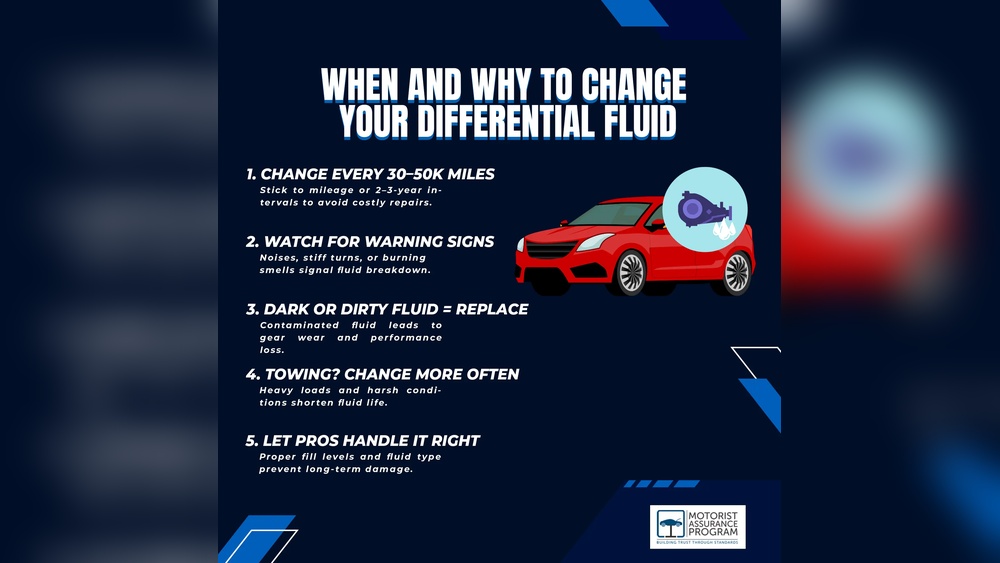
The differential is a set of gears that helps your Jeep’s wheels turn at different speeds, especially when cornering. The differential fluid lubricates these gears, reduces friction, and keeps the system cool. Without this fluid, the gears would wear out quickly.
Some key reasons to keep differential fluid fresh:
- Prevents overheating of gears
- Reduces metal wear
- Protects against rust and corrosion
- Improves traction and handling
Fresh fluid is especially important for Jeeps, which often face mud, water, and heavy loads.
How Often Should You Change Differential Fluid In A Jeep?
There’s no single answer for every Jeep, but most experts and Jeep manuals recommend changing differential fluid every 30,000 to 60,000 miles. However, several factors can shift this range.
Here’s a comparison of typical intervals:
| Jeep Model | Normal Use Interval | Severe Use Interval |
|---|---|---|
| Wrangler (JK/JL) | 60,000 miles | 20,000-30,000 miles |
| Grand Cherokee | 50,000 miles | 25,000 miles |
| Cherokee | 50,000 miles | 25,000 miles |
Severe use means frequent towing, off-roading, or driving in water, mud, or snow. If this sounds like your driving, you should change fluid sooner.

Signs That Your Differential Fluid Needs Changing
Waiting for a set mileage isn’t always best. Your Jeep may show signs that the differential fluid is old or low.
Watch for these warning signs:
- Whining or humming noise from the rear or front axle
- Vibration when turning or accelerating
- Burning smell near the differential area
- Visible leaks under your Jeep
If you notice any of these, check the fluid as soon as possible even if you haven’t reached the recommended mileage.
What Affects Differential Fluid Change Intervals?
Several factors influence how often you should change the differential fluid in your Jeep:
- Driving Conditions: Off-roading, deep water, and rough roads stress the differential more.
- Towing and Hauling: Pulling heavy loads generates extra heat.
- Climate: Extreme cold or heat can break down fluid faster.
- Type of Differential: Limited-slip and locking differentials often require more frequent changes or special fluid.
Here’s a quick breakdown:
| Condition | Recommended Change Interval |
|---|---|
| Normal commuting | 50,000-60,000 miles |
| Frequent off-roading | 20,000-30,000 miles |
| Heavy towing | 20,000-30,000 miles |
| Water crossings | After every deep crossing |
Non-obvious tip: Even a single deep water crossing can let water into the differential. If this happens, change the fluid soon after to avoid rust or gear damage.
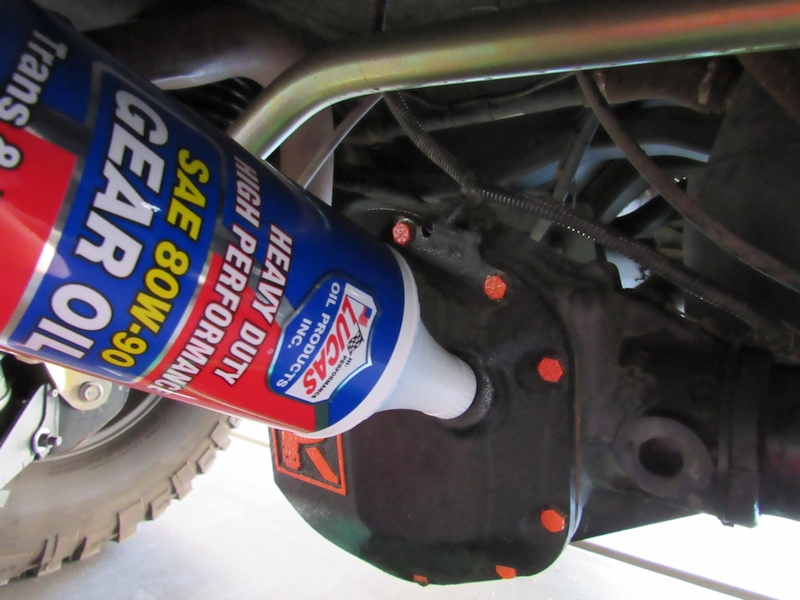
How To Check And Change Differential Fluid
If you’re handy, you can check the differential fluid yourself. Here’s a simple process:
- Locate the differential cover under your Jeep.
- Clean the area to avoid dirt falling in.
- Remove the fill plug (not the drain plug) using the correct tool.
- If fluid is level with the hole and looks clean, it’s in good shape.
- If fluid is low, dirty, or smells burnt, it’s time to change.
Changing the fluid involves:
- Draining the old fluid completely
- Cleaning the inside of the cover
- Replacing the gasket or using sealant
- Refilling with the correct type and amount of fluid
Jeep manuals specify the right fluid. Using the wrong type can damage your differential, so always double-check before filling.
Cost Of Differential Fluid Change
The price depends on your Jeep model, the shop, and the fluid used.
- DIY cost: $40–$80 for fluid and basic tools
- Professional service: $100–$250 per axle
While it may seem like a small detail, neglecting this maintenance can lead to differential repairs costing $1,000 or more.
Extra Tips For Jeep Owners
- Always use manufacturer-recommended fluid.
- Change fluid sooner if you notice leaks, odd noises, or after water crossings.
- Keep a log of fluid changes for your Jeep’s history.
- For new Jeeps under warranty, follow the service intervals in your owner’s manual.
- If you install aftermarket differentials or lockers, ask the maker about fluid needs.
For more details, you can check the official Jeep Maintenance Guide.
Frequently Asked Questions
How Do I Know If My Jeep’s Differential Fluid Is Low?
Common signs include a whining noise from the axle, difficulty turning, or fluid leaks under the vehicle. It’s best to check the fluid level directly by removing the fill plug.
Can I Change Jeep Differential Fluid Myself?
Yes, if you have basic tools and follow safety steps. The process involves draining old fluid, cleaning the housing, and refilling with fresh fluid.
Make sure to use the right type and amount.
What Happens If I Never Change Differential Fluid?
Old fluid loses its ability to lubricate, causing excessive gear wear and overheating. Eventually, this can lead to differential failure, which is expensive to repair.
Does Off-roading Require More Frequent Differential Fluid Changes?
Absolutely. Mud, water, and rough terrain put extra stress on the differential.
Jeep owners who off-road should change fluid every 20,000 30,000 miles or after deep water crossings.
What Fluid Should I Use For My Jeep’s Differential?
Always use the fluid recommended by your Jeep’s manual. This may differ between front and rear differentials or if you have a limited-slip unit.
Keeping up with differential fluid changes will help your Jeep stay reliable, whether you’re cruising on highways or crawling over rocks. A little attention now can save you from big repair bills—and keep your adventures going strong.




















