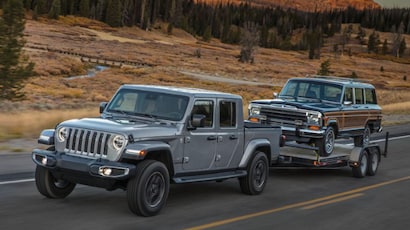
The Jeep Gladiator is a unique pickup that blends the adventure spirit of a Wrangler with the practicality of a truck. If you are considering this vehicle for hauling gear, tools, or even a camper, you likely wonder: how much weight can a Jeep Gladiator carry?
Understanding its payload capacity, how it compares to other trucks, and what affects its performance is key to using your Gladiator safely and efficiently.
Jeep Gladiator Payload Capacity Explained
The payload capacity is the maximum weight your truck can carry in its bed and cabin, including passengers, cargo, and accessories. For the Jeep Gladiator, the numbers are impressive for a midsize truck.
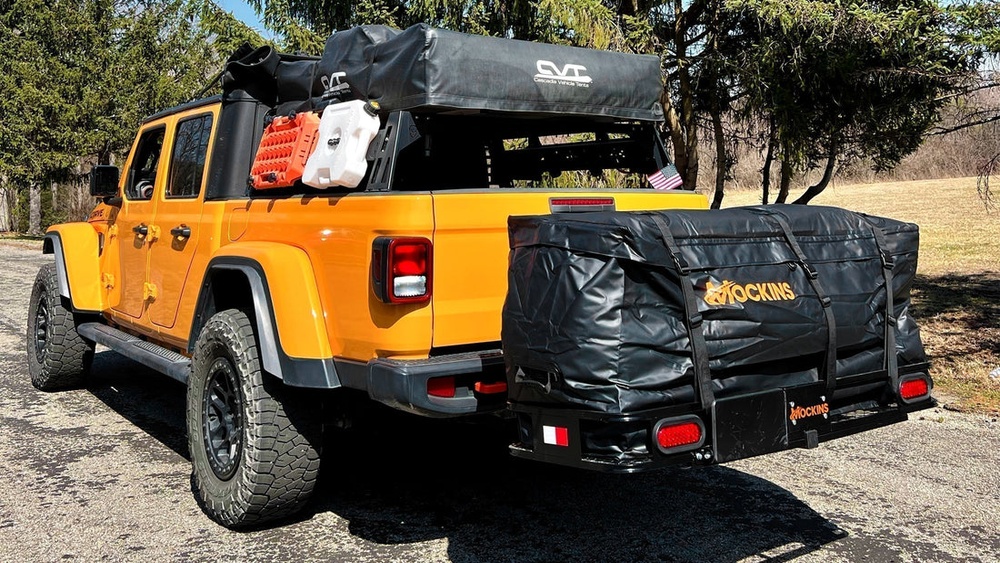
Most Gladiator models have a payload rating between 1,105 and 1,700 pounds. The exact number depends on trim, engine, and options. For example:
- Sport trim: Up to 1,700 lbs
- Overland: Around 1,140 lbs
- Rubicon: About 1,200 lbs
Why does the payload vary? Features like bigger wheels, extra off-road gear, or a heavier engine can reduce how much you can safely carry.
Always check the official sticker inside your driver’s door for your Jeep’s exact rating.
What Counts Toward Payload?
It’s easy to think only of what’s in the bed, but payload means everything inside the vehicle too. For example, if you have four adults averaging 180 pounds each, that’s 720 pounds—almost half your payload before you add tools or gear. Even things like a winch, roof rack, or aftermarket bumper count toward the total.
Jeep Gladiator Towing Vs. Carrying
It’s important not to confuse payload with towing capacity. Payload is what the Gladiator can carry on itself. Towing capacity is what it can pull behind it, like a trailer or boat.
Here’s a quick comparison:
| Trim | Max Payload (lbs) | Max Towing (lbs) |
|---|---|---|
| Sport | 1,700 | 7,700 |
| Overland | 1,140 | 6,000 |
| Rubicon | 1,200 | 7,000 |
Remember, adding tongue weight from a trailer to the bed or hitch also counts toward your payload limit.
How Gladiator Compares With Other Midsize Trucks
How does the Gladiator’s payload stack up against other trucks in its class? See this quick comparison:
| Truck Model | Max Payload (lbs) |
|---|---|
| Jeep Gladiator | 1,700 |
| Toyota Tacoma | 1,685 |
| Ford Ranger | 1,905 |
| Chevy Colorado | 1,550 |
While some rivals offer a bit more, the Gladiator’s numbers are competitive. Its off-road upgrades on trims like the Rubicon can lower payload, but bring extra trail capability.
Factors That Affect Payload Capacity
Not every Gladiator is built the same. Several factors influence how much it can carry:
- Trim Level: Heavier trims with more equipment (like Rubicon) have lower payload.
- Engine Choice: The diesel engine adds weight, lowering payload compared to the gas V6.
- Aftermarket Accessories: Heavy bumpers, bigger tires, or extra lights all subtract from your available payload.
- Passengers: More people means less cargo capacity.
One insight many new owners miss is that the advertised payload is the absolute maximum—it includes a fully empty truck with no extras. Even a full gas tank and floor mats count against the limit.
Practical Tips For Safe Carrying
You want your Gladiator to last and perform well, so respecting payload is key. Here’s how to maximize safety:
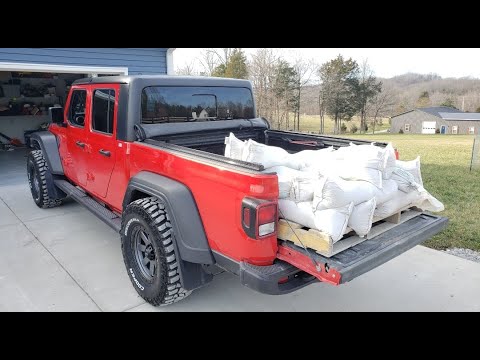
- Weigh your loaded truck at a public scale if you’re unsure. Don’t guess.
- Spread weight evenly in the bed to avoid poor handling or tire wear.
- Secure cargo to prevent shifting, which can cause accidents.
- Never exceed the rating, even by a little. It stresses suspension, tires, and brakes.
- If adding heavy accessories, subtract their weight from your max payload.
A common mistake is thinking “a few extra pounds won’t matter. ” Even small overloads can cause long-term damage or void your warranty.
Real-world Examples
Imagine you’re heading out camping with the family. Here’s a realistic payload breakdown:
- Two adults (180 lbs each): 360 lbs
- Two children (100 lbs each): 200 lbs
- Camping gear: 300 lbs
- Cooler and food: 100 lbs
- Dog: 60 lbs
Total: 1,020 Lbs
With a 1,200-lb limit, you’re close to max, even before adding accessories like a rooftop tent. Planning ahead helps you avoid surprises.
Why Payload Ratings Matter
Manufacturers set payload ratings based on suspension, brakes, axles, and frame strength. Exceeding these limits isn’t just a number—it impacts safety, handling, and even legal responsibility if you’re in an accident.
Insurance companies may deny claims if you were overloaded. It’s not just about the truck’s ability to move the load; it’s about stopping, turning, and staying in control.
Frequently Asked Questions