If you own a Jeep Wrangler, knowing the exact amount of oil your engine needs is important for both performance and long life. Using the right oil quantity helps your engine run smoothly, reduces wear, and prevents serious problems. However, oil capacity can change depending on the model year, engine type, and even the climate where you drive. This guide breaks down everything you need to know, so you can confidently handle oil changes and avoid common mistakes.
Jeep Wrangler Oil Capacity By Engine
Not every Jeep Wrangler uses the same amount of oil. Different engines, from the classic 4.0L to the modern 3.6L Pentastar, have different requirements. The table below shows the most common engines and their oil capacities with an oil filter change included.
| Engine Type | Model Years | Oil Capacity (with filter) |
|---|---|---|
| 2.5L I4 | 1987–2002 | 4.0 quarts (3.8 liters) |
| 4.0L I6 | 1987–2006 | 6.0 quarts (5.7 liters) |
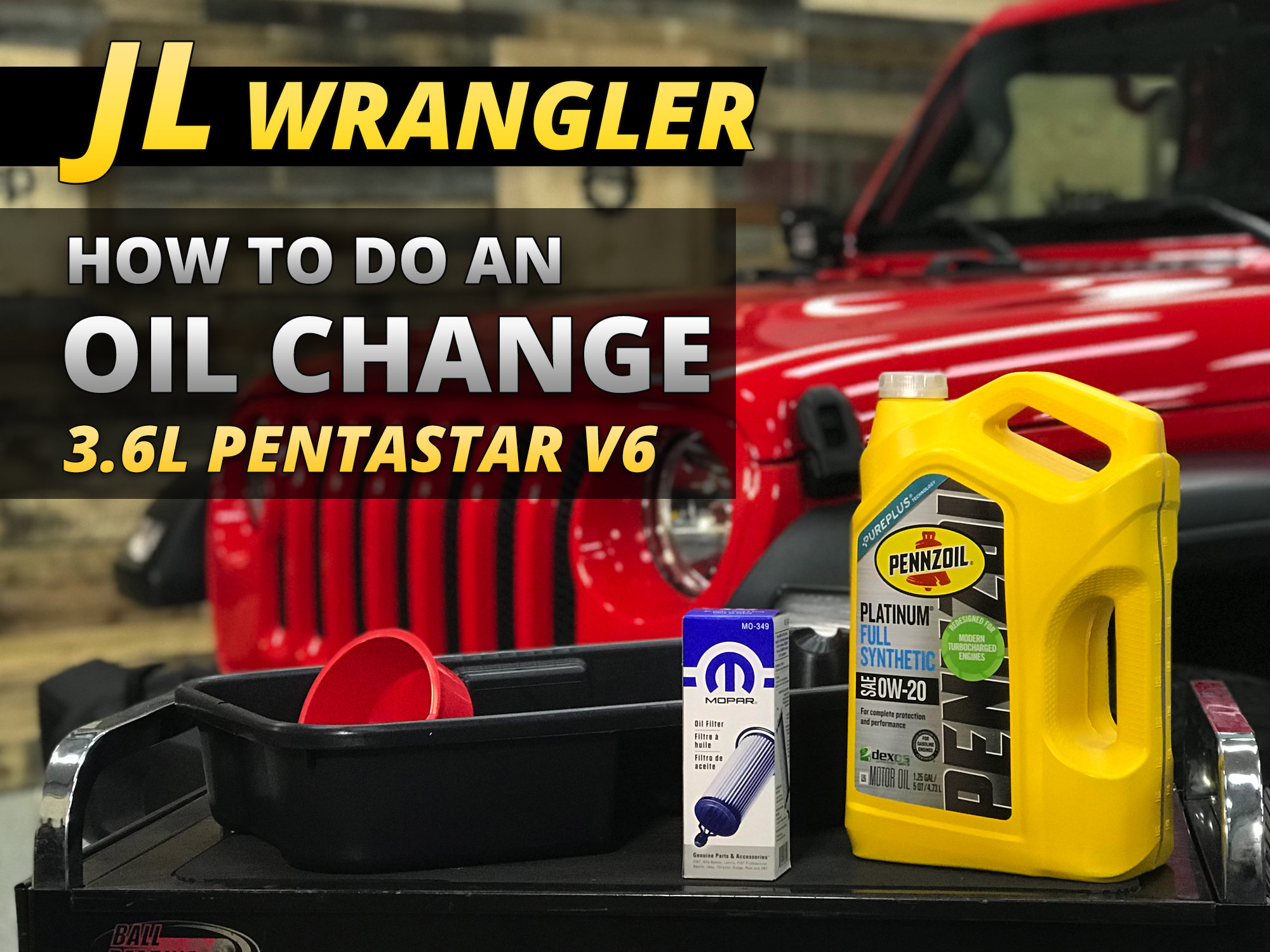
| 3.6L V6 Pentastar | 2012–present | 5.0 quarts (4.7 liters) |
| 2.0L Turbo I4 | 2018–present | 5.0 quarts (4.7 liters) |
| 3.0L EcoDiesel V6 | 2020–present | 9.0 quarts (8.5 liters) |
| 6.4L HEMI V8 (Rubicon 392) | 2021–present | 7.0 quarts (6.6 liters) |
Most owners drive Wranglers with the 3.6L V6 or 2.0L Turbo engines today. If your Jeep is a Rubicon 392, its V8 needs more oil than any other model.
How To Check Your Jeep Wrangler’s Oil Level
Even after adding the correct amount of oil, it’s important to check the level. Oil can drain out slowly, or you might spill a little during a change. Here’s how you do it:
- Park your Jeep on a flat surface and turn off the engine.
- Wait at least five minutes for oil to settle.
- Pull out the dipstick, wipe it clean, reinsert, and pull it out again.
- The oil should be between the MIN and MAX marks.
- If it’s low, add oil slowly—about half a quart at a time—and recheck.
A common mistake is overfilling. Too much oil can cause leaks or engine damage. Always check after filling.

Oil Type And Viscosity: What Should You Use?
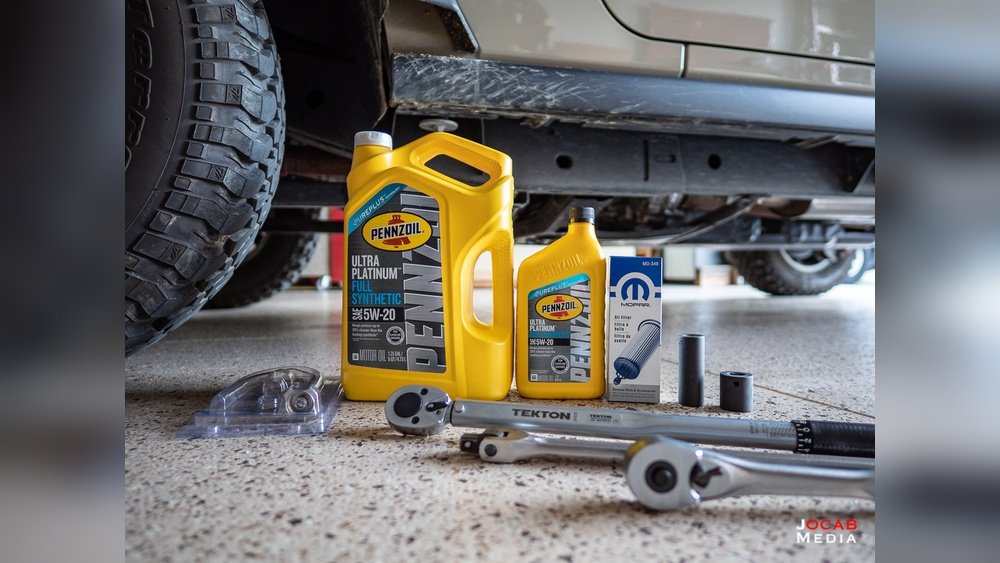
Choosing the right oil viscosity is as important as the quantity. Jeep recommends specific oil types for each engine to ensure proper lubrication under different temperatures.
| Engine | Recommended Oil Type | Viscosity |
|---|---|---|
| 2.5L I4 / 4.0L I6 | Conventional or Synthetic | 10W-30 |
| 3.6L V6 Pentastar | Full Synthetic | 5W-20 |
| 2.0L Turbo I4 | Full Synthetic | 0W-20 |
| 3.0L EcoDiesel V6 | Diesel Synthetic | 5W-40 |
| 6.4L HEMI V8 | Full Synthetic | 0W-40 |
Synthetic oil is strongly recommended for newer Wranglers, especially with turbocharged or high-performance engines. It performs better in extreme heat and cold, and it lasts longer between changes.
Changing Your Jeep Wrangler’s Oil: Step-by-step
Doing your own oil change isn’t hard, but a few details matter:
- Warm up the engine for a few minutes to thin the oil.
- Remove the drain plug and let oil drain into a pan.
- Replace the oil filter—always use a new one.
- Install the drain plug, then add new oil.
- Start the engine, let it run for 30 seconds, and check for leaks.
- Wait, then check the oil level and top off if needed.
Dispose of used oil at a recycling center. Never pour it down the drain—this is illegal and harms the environment.
A tip that many beginners miss: Prime the new oil filter by filling it halfway with oil before installing. This reduces dry starts.
Factors That Affect Oil Capacity
You might notice your owner’s manual shows a slightly different number than what you see online. Why? Actual oil capacity can change because of:
- Oil filter size: Larger or smaller aftermarket filters affect total oil needed.
- Engine rebuilds or swaps: Non-factory parts can change the oil path.
- Extreme climates: Some mechanics recommend a little more or less oil in very hot or cold places, though always stay within factory recommendations.
If you’re unsure, always stick to the factory guide. Too much or too little oil is risky.
Oil Change Intervals For Jeep Wrangler
How often should you change the oil? Jeep recommends every 5,000 to 7,500 miles for most modern Wranglers using synthetic oil. Older models or those using conventional oil may need changes every 3,000 miles. For severe driving—like towing, off-roading, or desert heat—shorten your intervals.
One insight many miss: Even if you drive very little, change your oil at least once a year. Short trips cause moisture and acids to build up, which can harm your engine.

Cost Of An Oil Change
Doing it yourself costs less than at a shop. Here’s a quick comparison for a 3.6L V6 Pentastar:
| Option | Parts & Oil Cost | Labor/Service Fee | Total Estimated Cost |
|---|---|---|---|
| DIY | $30–$50 | $0 | $30–$50 |
| Dealership | $50–$70 | $40–$60 | $90–$130 |
| Quick Lube Shop | $40–$60 | $20–$40 | $60–$100 |
Dealerships usually cost the most, but you may get a free inspection. DIY is cheapest if you’re comfortable.
Frequently Asked Questions
How Do I Know Which Engine My Jeep Wrangler Has?
Check under the hood—look for an engine label or code on the valve cover. The owner’s manual or your VIN (Vehicle Identification Number) will also tell you.
Can I Use A Different Oil Viscosity Than Recommended?
It’s best to stick to factory recommendations. In rare cases, using a slightly higher viscosity is okay in very hot climates, but always check your manual first.
What Happens If I Overfill Or Underfill The Oil?
Too much oil can cause leaks, foaming, or engine damage. Too little oil means poor lubrication and overheating. Always fill to the correct level.
Do I Need To Change The Oil Filter Every Oil Change?
Yes, always replace the oil filter when you change the oil. A dirty filter can let debris back into the engine.
Is Synthetic Oil Worth The Extra Cost For My Wrangler?
For most modern Jeep Wranglers, yes—synthetic oil lasts longer, protects better, and can help with fuel economy. For older models, conventional oil is acceptable, but synthetic offers extra benefits.
For more details, visit the official Jeep Maintenance Guide.
Keeping the right amount of clean oil in your Jeep Wrangler is one of the simplest ways to protect your investment. The correct oil capacity, proper oil type, and regular changes will keep your Wrangler ready for any adventure—on or off the road.