Owning a Jeep means adventure, rugged roads, and a unique style. But when it comes to car insurance, many Jeep owners find themselves asking: “How much will it really cost to insure my Jeep?”
The answer isn’t simple. Insurance rates for Jeeps can vary widely depending on the model, where you live, and your personal driving history.
Understanding these factors can help you save money and avoid surprises. Let’s break down what you need to know about car insurance costs for a Jeep.
What Affects Jeep Car Insurance Rates?
The price of insuring a Jeep depends on several factors. Here’s what matters most:
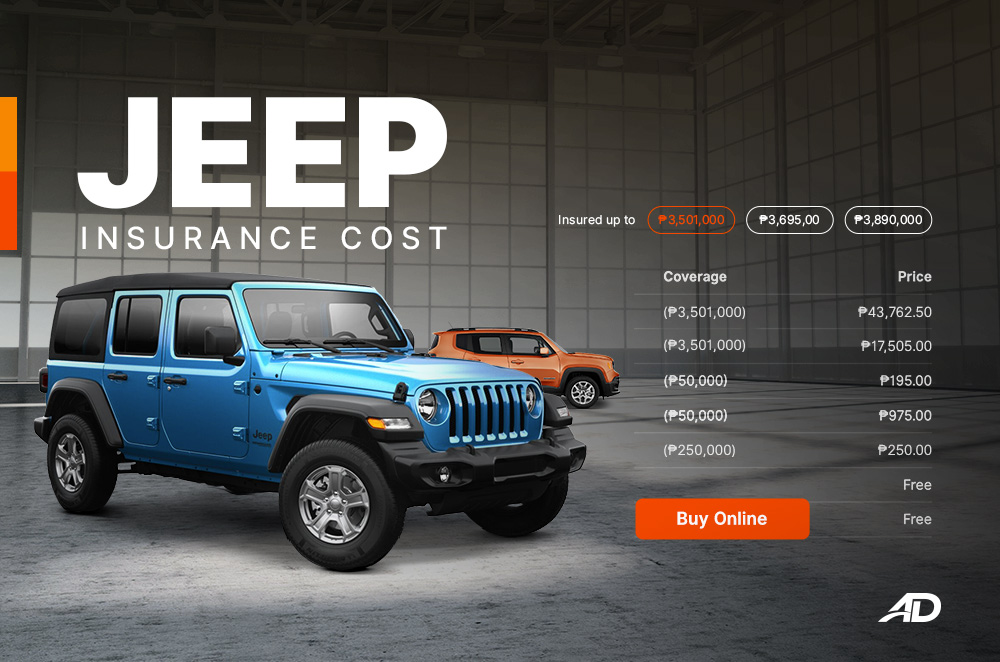
- Jeep Model: Some models, like the Jeep Wrangler, are cheaper to insure than luxury versions like the Grand Cherokee.
- Age of Vehicle: Newer Jeeps usually cost more to insure than older ones because they’re more valuable.
- Location: Where you live has a big impact. Urban areas often see higher rates than rural ones.
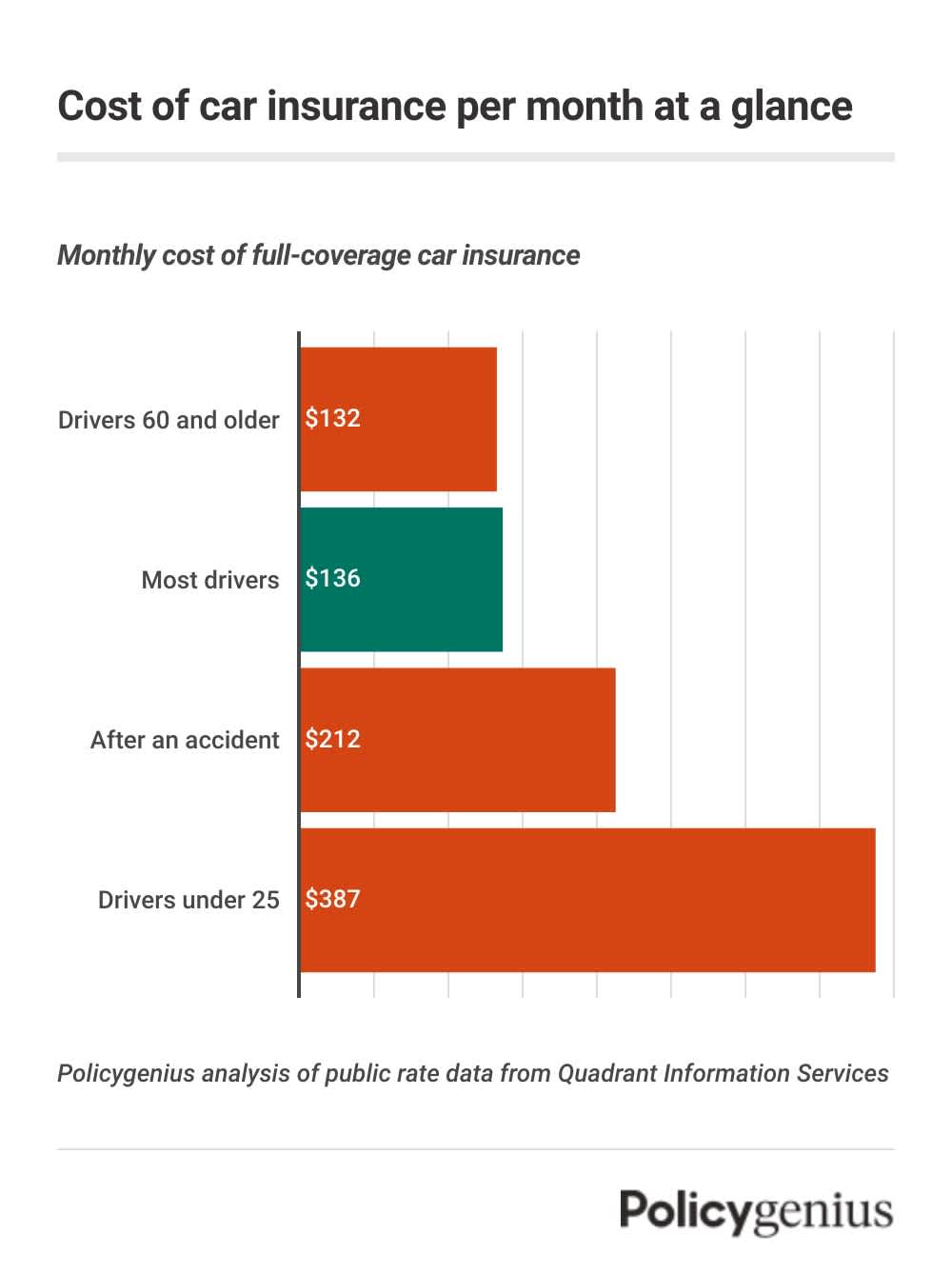
- Driver’s Profile: Age, driving history, and even credit score can influence your premium.
- Coverage Level: Full coverage costs more than minimum liability insurance.
Many beginners miss that customizations (like lift kits or big tires) can raise your rate, as insurers may see these as increasing risk. Also, some Jeeps are favorites among thieves, which can make comprehensive coverage more expensive.
Average Insurance Costs For Popular Jeep Models
To give you a better idea, here’s a look at typical annual insurance premiums for some of the most popular Jeep models in the US. These are averages for a 30-year-old driver with a clean record and full coverage.
| Jeep Model | Average Annual Premium |
|---|---|
| Jeep Wrangler | $1,420 |
| Jeep Grand Cherokee | $1,660 |
| Jeep Compass | $1,410 |
| Jeep Cherokee | $1,570 |
| Jeep Renegade | $1,430 |
Key insight: Wranglers are often cheaper to insure because they have lower repair costs and are seen as less risky than high-performance models.
Comparing Jeep Insurance To Other Brands
How does Jeep insurance stack up against other popular SUVs? Here’s a quick comparison:
| Vehicle | Average Annual Insurance |
|---|---|
| Jeep Grand Cherokee | $1,660 |
| Honda CR-V | $1,390 |
| Ford Explorer | $1,540 |
| Toyota RAV4 | $1,350 |
You’ll see that most Jeeps are a bit more expensive to insure than Toyota or Honda SUVs. This is because Jeeps are built for off-roading, which insurers see as a higher risk, and repairs can cost more if you take your Jeep off the pavement.
What Coverage Do You Need For A Jeep?
Choosing the right insurance coverage is crucial. Here’s a quick overview of the main options:
- Liability Only: Meets state minimums. Cheapest, but covers only damage you cause to others.
- Collision: Pays to fix your Jeep if you’re in an accident, even if it’s your fault.
- Comprehensive: Covers theft, vandalism, weather damage, and more.
- Uninsured/Underinsured Motorist: Protects you if the other driver has little or no insurance.
For most Jeep owners, especially those who finance their vehicle, full coverage (liability, collision, and comprehensive) is recommended. If you take your Jeep off-road, check if your policy covers off-road accidents many do not, and you may need special coverage.
How To Lower Jeep Insurance Costs
There are ways to get better rates on Jeep insurance. Consider these strategies:
- Shop Around: Get quotes from several companies. Rates can vary by hundreds of dollars.
- Bundle Policies: Insure your Jeep and home together for a discount.
- Increase Deductible: Choosing a higher deductible lowers your premium, but you’ll pay more out of pocket if you file a claim.
- Drive Safely: Clean driving records get the lowest rates.
- Ask for Discounts: Many insurers offer discounts for safe drivers, military service, or anti-theft devices.
Non-obvious tip: Some insurers give discounts if you belong to certain Jeep clubs or organizations. Also, telematics programs (apps that track your driving) can reward safe habits with lower rates.
Real-world Example
Let’s say Maria, age 32, lives in Texas and drives a 2021 Jeep Wrangler. She has a clean driving record and chooses full coverage.
Her yearly premium is around $1,450. If she moves to a city with higher theft rates, her premium could jump by $200 or more.
If she adds custom wheels, her insurer may add another $100 a year. This example shows how personal factors and choices affect rates.
Common Mistakes Jeep Owners Make
Many Jeep owners overlook these points:
- Not telling the insurer about modifications, which can void coverage.
- Choosing minimum coverage to save money, then facing big out-of-pocket costs after an accident.
- Assuming off-road damage is always covered—it’s not unless you ask.
Always read your policy details carefully and ask questions if you’re not sure.
Where To Find Accurate Jeep Insurance Data
For the latest information on insurance requirements and costs, visit official resources like the Insurance Information Institute. This site offers clear explanations and up-to-date statistics.
Frequently Asked Questions
How Much Does It Cost To Insure A Jeep Wrangler?
The average annual premium for a Jeep Wrangler is about $1,420 for full coverage. Your rate may be higher or lower depending on your location, age, and driving history.
Are Jeeps More Expensive To Insure Than Other Suvs?
Generally, Jeeps cost a bit more to insure than similar SUVs like the Honda CR-V or Toyota RAV4. This is due to higher repair costs and their popularity for off-road use.
Does Off-road Driving Affect My Insurance?
Yes. Off-road accidents may not be covered by a standard policy. Ask your insurer if you need special off-road coverage to avoid denied claims.
Will Modifications Increase My Jeep Insurance?
Usually, yes. Custom parts or lift kits can raise your premium. Always report modifications to your insurer to ensure coverage remains valid.
How Can I Get Cheaper Insurance For My Jeep?
Shop around for quotes, bundle policies, increase your deductible, and ask about discounts. Safe driving and low annual mileage can also help lower your rate.
Getting the right car insurance for your Jeep means more than just picking the cheapest option. Pay attention to coverage details, compare rates, and don’t hesitate to ask questions. With smart choices, you can protect your adventure—and your wallet.