Looking for a Jeep can feel exciting and a bit confusing. The price tag on a Jeep is not always simple.
It depends on the model, age, features, and where you buy it. Whether you want a new or used Jeep, understanding how much a Jeep costs helps you plan your budget and avoid surprises.
This guide explains the real prices of Jeeps for sale, what makes the price go up or down, and how to find the best value.
New Jeep Prices In 2024
Buying a brand-new Jeep means you get the latest features and a full warranty. But new Jeeps come with higher prices. Here’s what you can expect for the most popular models:
| Model | Starting MSRP | Top Trim Price |
|---|---|---|
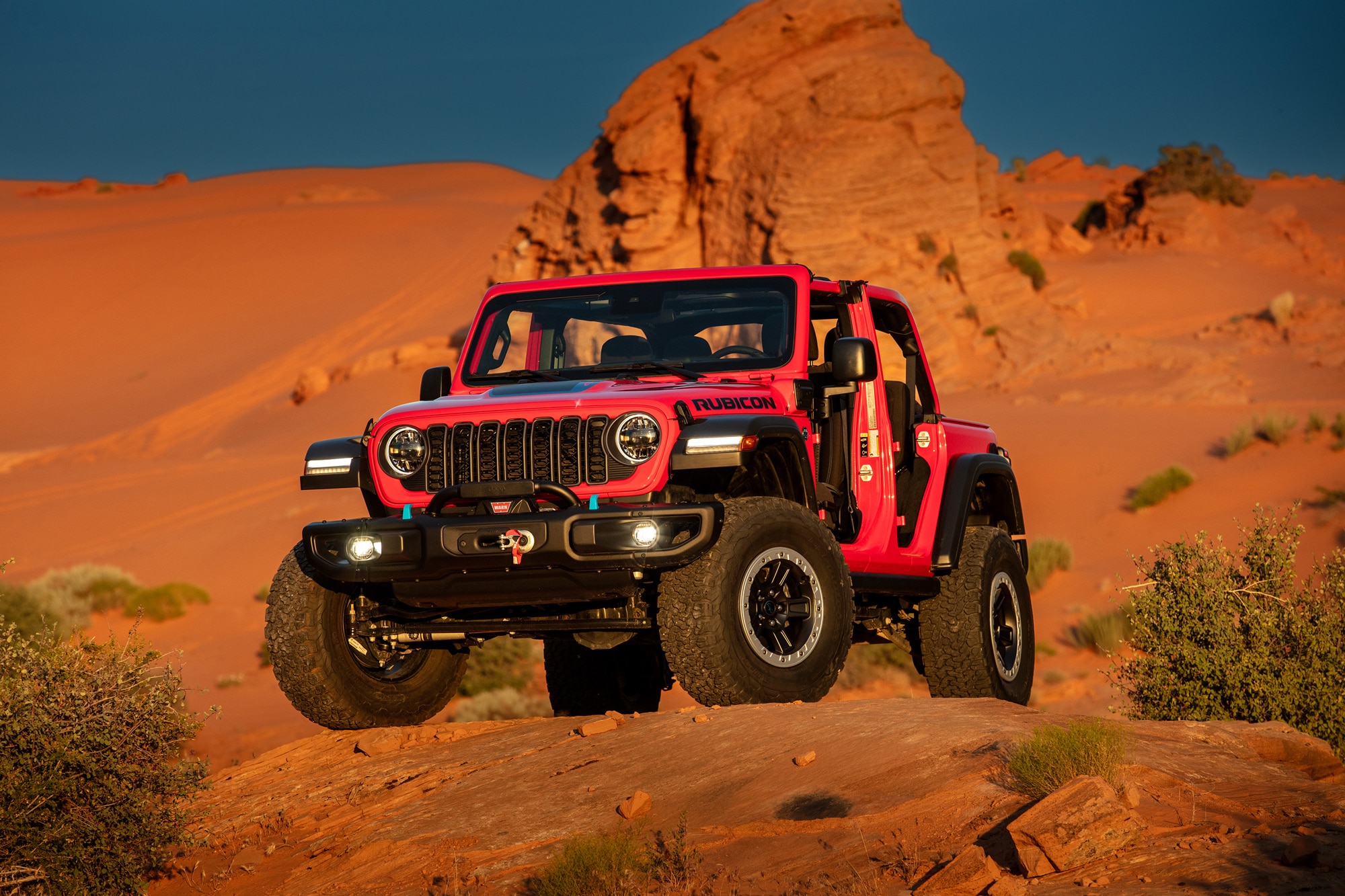
| Jeep Wrangler | $32,095 | $89,390 (Rubicon 392) |
| Jeep Grand Cherokee | $40,035 | $77,970 (Summit Reserve) |
| Jeep Compass | $28,400 | $37,990 (High Altitude) |
| Jeep Gladiator | $39,790 | $54,890 (Mojave X) |
| Jeep Renegade | $28,345 | $32,540 (Limited) |
The MSRP (Manufacturer’s Suggested Retail Price) is the starting price, but most buyers end up paying more for extra features, better wheels, or advanced safety options.
Key Factors Affecting New Jeep Price
- Trim level: Higher trims bring more features and luxury.
- Drivetrain: 4×4 versions usually cost more than 2WD.
- Optional packages: Upgrades like navigation, leather seats, or off-road kits add thousands.
- Location: Prices in big cities or near Jeep factories may be lower due to competition.
Many buyers miss that taxes, dealer fees, and registration can add $1,000 $3,000 to the final price. Always ask for the “out-the-door” price.
Used Jeep Pricing: What To Expect
A used Jeep can be much cheaper than a new one, but prices vary widely by age, mileage, and condition. Here’s an example of what you might see for a 2018 Jeep Wrangler:
| Mileage | Condition | Average Price |
|---|---|---|
| Under 30,000 | Excellent | $27,000 |
| 30,000–60,000 | Good | $24,000 |
| Over 60,000 | Fair | $19,500 |
Other models like the Grand Cherokee and Compass follow similar trends but usually cost less than the Wrangler.
What Impacts Used Jeep Prices?
- Model year: Older Jeeps are less expensive, but rare models may hold value.
- Mileage: Lower miles mean a higher price.
- Accident history: Clean records cost more.
- Modifications: Custom wheels or lift kits can increase or decrease value depending on quality.
- Location: Jeeps in snowy regions often have higher demand.
A common mistake is not checking maintenance records. Without proof of service, expect to pay less or walk away.
Comparing Jeep To Other Suvs
Is a Jeep more expensive than other SUVs? The answer depends on the model. Here’s a quick look at how the Jeep Wrangler compares to two rivals:
| Model | Starting Price | Key Advantage |
|---|---|---|
| Jeep Wrangler | $32,095 | Best for off-road |
| Toyota 4Runner | $40,705 | Long-term reliability |
| Ford Bronco | $36,785 | Modern tech features |
Jeeps are usually less expensive up front than the 4Runner, but they can become pricier if you add options or choose a high trim.
How To Get The Best Deal On A Jeep
Buying a Jeep is about more than just the sticker price. Here are steps to save money and avoid regrets:
- Research prices in your area. Use sites like Kelley Blue Book or Edmunds to see what others paid.
- Shop during sales events. End-of-year, holiday, or model changeover periods often bring discounts.
- Consider certified pre-owned (CPO). These Jeeps cost more than regular used ones but come with extra warranty and inspection.
- Negotiate. Dealers expect you to ask for a better price or more features.
- Check total ownership costs. Insurance, gas, and repairs matter. Wranglers, for example, cost more to insure than a Compass.
Don’t forget to test drive different models. Sometimes, a less expensive Jeep fits your needs better than the popular choice.
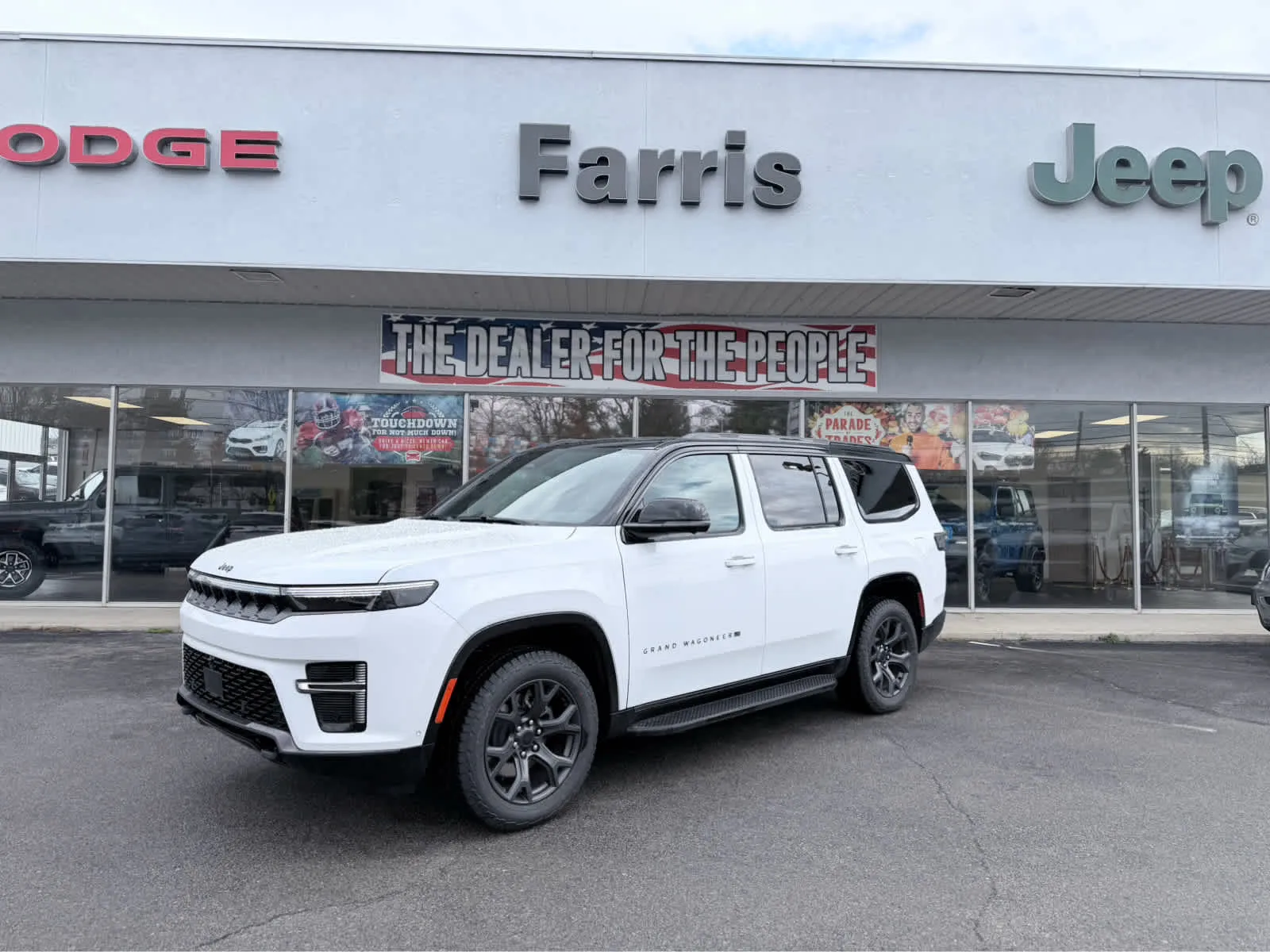
New Jeep buyers often overlook these extra expenses:
- Destination charges: $1,500–$2,000 added to new vehicles.
- Dealer add-ons: Window tint, wheel locks, or paint protection can add hundreds.
- Higher insurance: Wranglers and Grand Cherokees can cost more to insure due to theft rates.
- Fuel economy: Some Jeeps, especially 4x4s, use more gas than other SUVs.
For used Jeeps, always pay for a mechanic’s inspection. Hidden rust or engine issues could turn a “deal” into a headache.
Non-obvious Insights For Jeep Shoppers
- Resale value is strong for Wranglers and some Grand Cherokees. If you plan to sell in a few years, you may lose less money compared to buying other SUVs.
- Off-road packages add value only if you really use them. Many buyers pay for off-road features but never leave the pavement.
- Check for recalls before buying used. Jeeps sometimes have open recalls. Make sure repairs are done or you know the risks.
Many shoppers think buying from a private seller is always cheaper. But dealers sometimes offer better financing or short warranties, which can save money in the long run.
For more model-specific details and the latest Jeep news, check the official Jeep website.
Frequently Asked Questions
How Much Is The Cheapest New Jeep?
The Jeep Compass is usually the least expensive, starting around $28,400. However, dealer fees and taxes raise the final price.
Are Jeeps Expensive To Maintain?
Maintenance costs vary. Wranglers can be more expensive due to complex 4×4 parts, but basic Compass or Renegade models are similar to other SUVs.
Is It Better To Buy New Or Used?
A used Jeep saves money up front, but a new Jeep gives you a warranty and the latest features. Certified pre-owned offers a middle ground.
How Many Miles Is Too Many For A Used Jeep?
Over 100,000 miles is high for most buyers, but many Jeeps last much longer with good care. Always check service records before buying.
Do Jeeps Hold Their Value?
Yes, especially the Wrangler and Grand Cherokee. They often keep more value than most SUVs after 3–5 years.
Finding the right Jeep means looking past the price tag. Focus on what you need, what you can afford, and the long-term costs.
With the right knowledge, you can drive away with confidence and a Jeep that fits your life.