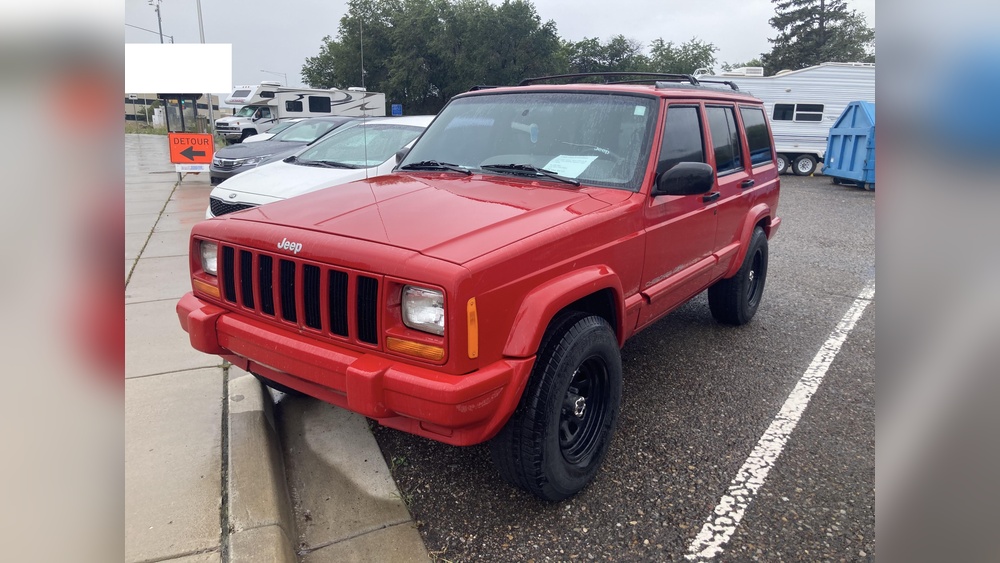
Buying or selling a 1998 Jeep Cherokee can be confusing, especially if you want a fair price. These classic SUVs have a strong reputation for durability and off-road ability.
But their value depends on many factors. Whether you are a first-time buyer, an owner, or a car enthusiast, understanding what affects the worth of a ‘98 Cherokee helps you make the right decision.
Owning a vehicle like the Jeep Cherokee from 1998 means you are dealing with a model that has become a favorite for both outdoor adventure and daily use. Many people appreciate its boxy design and reliable 4.
0L engine, but others worry about age-related issues.
If you know what makes one Cherokee more valuable than another, you can avoid common mistakes and make smarter choices.
What Determines The Value Of A 1998 Jeep Cherokee?
Several things impact how much a 1998 Jeep Cherokee is worth today. Here are the main factors:
- Trim level (Sport, Classic, Limited, SE)
- Mileage
- Mechanical condition
- Exterior and interior condition
- Location
- Modifications and upgrades
- Market demand
Trim level affects value because higher trims come with better features like leather seats or power windows. For example, the Limited trim usually sells for more, especially if it is in clean condition.
Mileage is important, but it can be misleading. Cherokees built in 1998 are now over 25 years old.
It is normal to see 150,000 miles or more. What matters more is regular maintenance.
A Jeep with 200,000 miles but a new radiator, brakes, and suspension may be a smarter buy than a low-mile Jeep that sat unused and developed problems.
Mechanical condition includes the engine, transmission, and 4WD system. The 4.
0L engine is famous for its strength, but look out for oil leaks, overheating, or transmission slipping. Many Cherokees also have issues with electrical parts, like window switches and door locks.
Repairs can change the value by thousands of dollars.
Exterior and interior condition matter as well. Rust is common, especially on the floor, rocker panels, and wheel arches.
Interior wear like torn seats or cracked dashboards can lower value. Small upgrades, like a new stereo or fresh seat covers, may help, but buyers usually focus more on rust and body damage.
Location affects price too. Cherokees sell for more in mountain or rural areas, where 4WD is needed.
In cities, demand can be lower, especially for older SUVs.
Modifications and upgrades are important for some buyers. Lift kits, bigger tires, and winches appeal to off-road fans.
However, these changes can make the Jeep harder to sell to someone who just wants a daily driver. It’s wise to keep receipts for upgrades, as proof of quality work.
Market demand shifts over time. Recently, older SUVs have become more popular with collectors and adventure seekers.
This means prices are higher than five years ago. If you’re selling, timing can matter.
Waiting for spring or summer may help, since people buy 4WD vehicles for camping and travel.
Many buyers focus too much on just mileage. In reality, a well-maintained high-mileage Cherokee may be more valuable than a low-mileage one with rust or engine problems.
Typical Price Range In 2024
A 1998 Jeep Cherokee usually sells for $2,000 to $8,000 in the United States. Most standard models with average miles (150,000–200,000 miles) and no major problems sell for around $3,000 to $5,000.
Rare, low-mileage, or well-kept examples can reach $7,000 or more. Heavily modified off-road Cherokees or ones needing repairs often go for less than $2,500.
For example, a Cherokee with under 100,000 miles, minimal rust, and a clean interior is likely to attract collectors or fans who value originality.
On the other hand, a Jeep with visible rust, worn tires, and broken air conditioning may only appeal to buyers looking for a project or off-road build.
Regional trends also affect prices. In the Pacific Northwest or Northeast, where winter roads are rough, 4WD vehicles like the Cherokee are popular and may sell for higher prices.
Meanwhile, in warmer climates, rust-free examples are more common, but demand might be lower.
Example Price Comparisons
Here’s a simple table comparing prices for different conditions:
| Condition | Mileage | Price Range |
|---|---|---|
| Excellent (like new) | Under 100,000 | $6,000–$8,000 |
| Good (well maintained) | 100,000–175,000 | $3,500–$5,500 |
| Fair (average wear) | 150,000–225,000 | $2,500–$3,500 |
| Poor (needs work) | 200,000+ | $1,500–$2,500 |
When comparing two Cherokees, it’s smart to look beyond the numbers. For example, a “fair” Cherokee might have a working engine but need new shocks and tires.
Repairs like these can cost over $1,000. Buyers often miss this detail and end up spending more after purchase.
Sometimes, sellers claim their Jeep is in “good” condition without proof. Always ask for recent photos and a list of repairs.
If you’re buying, try to inspect in person or ask a trusted mechanic.
How To Estimate Your Jeep’s Value
To get a fair value, follow these steps:
- Check online listings. Look at sites like Autotrader, Craigslist, and Facebook Marketplace for similar 1998 Cherokees in your area.
- Compare condition. Be honest about your Jeep’s mechanical and cosmetic shape.
- Consider upgrades. Items like lift kits or new tires can increase value for off-road buyers, but may lower it for everyday drivers.
- Use price guides. Check resources like Kelley Blue Book or NADA.
When comparing listings, make sure you filter by year, mileage, and location. For example, a Cherokee in California may be rust-free but cost more.
In the Midwest, rust is more common, so prices may drop.
Before listing your Jeep for sale, clean it inside and out. Small fixes like a working radio or fixed window switches can help you get a higher price.
If you are buying, ask for maintenance records. A Jeep with regular oil changes and recent repairs is usually a safer bet.
Here’s another quick comparison table for common trim levels:
| Trim Level | Features | Typical Price |
|---|---|---|
| SE | Basic, manual windows | $2,000–$3,000 |
| Sport | Popular, 4WD, basic features | $3,000–$4,500 |
| Classic | Power features, alloy wheels | $3,500–$5,500 |
| Limited | Leather, premium sound | $4,000–$6,500 |
Some buyers will pay extra for rare options like factory sunroofs or special paint colors. If your Cherokee has these features, mention them in your listing.

Common Mistakes When Valuing A 98 Cherokee
Many sellers and buyers make these errors:
- Overestimating value because of emotional attachment.
- Ignoring rust or frame damage.
- Not considering the local market (prices are higher in some regions).
- Forgetting to check for recalls or major repairs.
Another common mistake is relying only on online price guides. These guides don’t always reflect local conditions or the real market.
It’s smart to check at least three sources and compare their values.
Some sellers skip a proper inspection, missing hidden issues like leaks or worn bushings. Buyers sometimes rush and miss important details, such as missing paperwork or signs of accident history.
Non-obvious Value Factors
Here are two things people often forget:
- Color and options. Uncommon colors or rare factory options (like the UpCountry suspension) can add value.
- Documentation. A full service history or original paperwork makes a big difference, especially to collectors.
For example, a Cherokee with its original window sticker and owner’s manual will attract buyers who appreciate history. If you have receipts for repairs, keep them organized.
Even simple documents like oil change logs show care and can boost confidence.
Another overlooked factor is tire age. Even if tires have plenty of tread, old tires can be unsafe.
Mention tire age if you are selling, or check it if you are buying.

Should You Buy Or Sell A 98 Cherokee Now?
The demand for older SUVs, especially those with a strong reputation like the Cherokee XJ, is rising. Prices have increased in recent years, but you should still be careful. Always get a pre-purchase inspection before buying. If you are selling, be honest about condition and provide as much detail as possible.
If you plan to buy, remember older Cherokees need regular maintenance. If you are not ready for repairs or parts costs, look for a well-kept example with a clear history.
Sellers should highlight any recent work done, such as new brakes or cooling system repairs, to reassure buyers.
Experienced buyers know that buying in winter can sometimes get you a better deal, since fewer people shop for 4WD vehicles then. But if you want top dollar as a seller, list your Jeep in spring or early summer.
Where To Find More Data
For deeper details, you can visit the Jeep Cherokee (XJ) Wikipedia page for specs and history.
Frequently Asked Questions
How Many Miles Is Too Many For A 1998 Jeep Cherokee?
A well-maintained Cherokee can go over 250,000 miles, but most buyers prefer under 200,000 miles. High mileage is less important than maintenance.
If a Jeep has major repairs done, like a rebuilt transmission or new engine gaskets, it may last much longer. Always ask about these upgrades.
Do Modifications Increase Or Decrease Value?
It depends. Off-road upgrades may boost value for enthusiasts but could make the Jeep harder to sell to regular drivers.
For example, a lifted Cherokee with oversized tires will appeal to trail lovers. But families or commuters may prefer stock height and original wheels.
Is A 1998 Jeep Cherokee A Good Daily Driver?
If it’s in good condition, yes. The 4.0L engine is reliable, but fuel economy is low and safety features are basic compared to modern SUVs.
n
Cherokees average about 15 18 mpg. If you drive mostly in the city, expect higher fuel costs.
Also, check safety airbags and ABS are basic.
What Are The Most Valuable Trim Levels?
The Limited and Classic trims with low miles and full options are usually worth the most.
These trims often include extras like power seats, leather upholstery, and upgraded sound systems. If you find one with these features and a clean history, it’s likely to hold value well.
How Do I Avoid Paying Too Much?
Compare several listings, check the Jeep in person, and always ask for maintenance records before buying.
Bring someone with car experience or hire a mechanic for an inspection. Look for signs of leaks, rust, and unusual noises during a test drive.
The 1998 Jeep Cherokee still holds a special place in the SUV world. With careful research and attention to detail, you can find one that fits your budget—or get a fair price if you’re selling. Remember, condition and honesty are the keys to a good deal.