If you’ve ever wondered, “How much is a 95 Jeep Wrangler worth? ” you’re not alone.
The 1995 Jeep Wrangler, known as the YJ model, is a classic SUV with strong off-road abilities. Many fans love its boxy style, removable roof, and simple engineering.
However, prices can vary widely. Understanding what affects the value of a 1995 Wrangler can save you from paying too much—or selling too cheap.
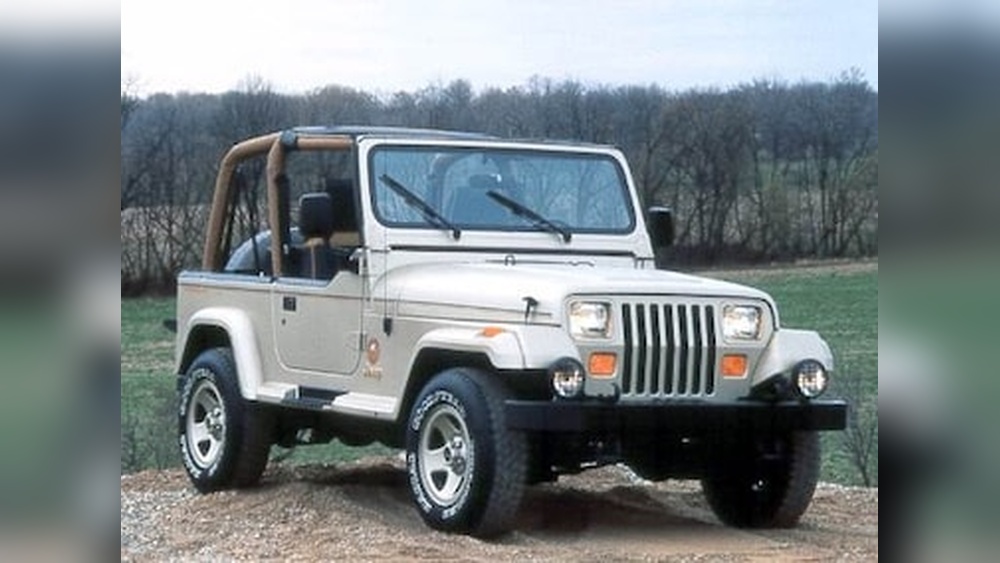
Learning the details behind pricing will also help you spot a good deal and avoid common pitfalls that catch many first-time buyers.
What Determines A 1995 Jeep Wrangler’s Value?
Several factors play into the price of a 1995 Jeep Wrangler. Here’s what matters most:
- Condition: A Wrangler in excellent shape is worth far more than one with rust or mechanical issues. Even small dents, faded paint, or worn seats can lower the price.
- Mileage: Lower mileage usually means a higher price. Jeeps with fewer miles often have less wear on the engine and drivetrain, making them more appealing.
- Modifications: Some upgrades, like lift kits or off-road tires, can add value, while others might lower it. Extreme modifications, especially ones not done professionally, can make buyers nervous.
- Location: Prices differ by region. Wranglers in dry states often have less rust, making them more valuable. In snowy or coastal areas, rust can be a bigger problem, so buyers are more careful.
- Trim Level: There are several trims, like the SE, S, Rio Grande, and Sahara, each affecting price. Higher trims usually have better features, which can increase value.
Other things, like service history or accident records, also play a part. A Jeep with lots of receipts showing regular oil changes and repairs may get more interest from careful buyers.
Price Ranges For A 1995 Jeep Wrangler
Depending on the above factors, a 1995 Jeep Wrangler can sell for as little as $3,000 or as much as $14,000. Most Wranglers you’ll find on the market fall between $5,000 and $9,000. Rare, well-kept examples can go even higher, especially if they have original parts and low miles.
| Condition | Mileage | Expected Price |
|---|---|---|
| Poor | 150,000+ miles | $3,000–$4,500 |
| Good | 100,000–150,000 miles | $5,000–$7,500 |
| Excellent | <100,000 miles | $8,000–$14,000 |
A Wrangler with complete maintenance records, a clean history, and only light use can sometimes reach the top of this price range. On the other hand, a Jeep that has spent years off-road or sat unused may be valued lower, even if the mileage is not extremely high.
Examples Of Actual Sales
Here are real-world examples to help you understand what sellers are asking for:
1. 1995 Wrangler Se, 180k Miles, Minor Rust: $3,200
This one is a basic model with higher mileage and some rust, so it sells at the lower end.
2. 1995 Wrangler Rio Grande, 120k Miles, New Tires: $6,500
The Rio Grande trim is a bit more desirable, and new tires show recent care.
3. 1995 Wrangler Sahara, 85k Miles, Fully Restored: $12,000
A fully restored Sahara with low miles is rare and fetches a premium.
Values change over time, but these prices are common across the US in 2024. Keep in mind, prices can also be higher in local markets with strong Jeep communities, or if the Jeep has rare options like hard-to-find paint colors or factory air conditioning.
Common Modifications And Their Impact
Wranglers are often customized. Some changes increase value, while others make buyers wary.
- Lift kits and off-road tires: Popular and usually add value, especially for buyers who want to go off-road right away.
- Engine swaps: Can boost value if done well, but may scare off some buyers who worry about reliability or passing inspections.
- Aftermarket stereos or interiors: May not add much to the price, since many buyers prefer the original look.
One non-obvious insight: Too many modifications can make insurance more expensive and limit potential buyers. Insurance companies sometimes refuse coverage or raise rates for heavily modified Jeeps. Also, if modifications were not installed by a professional, it can be hard to tell if the Jeep is safe on the road or trail.
Another detail: some buyers like “unmolested” Wranglers, meaning the vehicle is close to stock. These Jeeps are often worth more to collectors and can be easier to resell later.

How Does The 1995 Wrangler Compare To Other Years?
If you’re deciding between different Wrangler years, here’s a simple comparison:
| Year | Common Price Range | Notable Differences |
|---|---|---|
| 1994 | $4,000–$9,000 | Very similar to 1995; almost identical features |
| 1995 | $5,000–$9,000 | Last year of the YJ; often valued slightly higher |
| 1997 | $6,000–$12,000 | Start of the TJ generation; coil spring suspension |
1995 models are sometimes worth more because they’re the final year of their generation. Some collectors look for “last year” models as they believe these may have improvements made over earlier years or simply want the last example of a particular style. The 1997 Wrangler (TJ) is different under the skin, with a more comfortable ride thanks to coil springs, which some buyers prefer for daily driving.
Where To Find 1995 Jeep Wrangler Listings
You can check prices on sites like Craigslist, Facebook Marketplace, and eBay Motors. It’s also smart to browse Jeep-specific forums, where owners often post detailed ads and are willing to answer questions. For more official values, check out the Kelley Blue Book.
Don’t forget to check local dealerships and classic car auctions as well. Sometimes, specialty dealers have well-kept older Wranglers, though their prices may be higher.
Watching auctions can give you a sense of what buyers are actually willing to pay.
Common Buyer Mistakes
- Ignoring Rust: Even small rust spots can signal major repairs are needed. Rust on the frame is a serious issue that can be costly or even unsafe.
- Not Checking VIN: Always run a Vehicle Identification Number check to avoid buying a car with a bad history. It can reveal accidents, flood damage, or title problems.
- Overvaluing Modifications: Custom parts are not always a plus. Stock vehicles often keep value better, and extreme mods may not be legal in some states.
A second insight: Original paint and factory parts often mean the Jeep was cared for and may fetch a higher price. Many owners repaint Jeeps to hide rust or damage, so a Jeep with faded but original paint can be a better buy than one with a fresh, low-quality respray.
Another overlooked mistake is skipping a test drive on rough roads. Since the Wrangler is designed for off-road use, it’s smart to listen for strange noises or vibrations that might not show up on smooth city streets.
How To Estimate Your 1995 Wrangler’s Value
To find out what your Wrangler is worth:
- Assess the condition honestly. Be critical about rust, engine, and interior. Take clear photos if selling.
- Check current listings for similar models in your area. Filter for mileage, trim, and condition.
- Factor in modifications and mileage. Be realistic—upgrades may not add as much value as you hope.
- Get an appraisal if you’re unsure. Some mechanics or used car dealers can help. There are also online services that offer detailed valuation reports for a small fee.
If you’re serious about selling or just want to insure your Wrangler properly, spending a little on a professional opinion can save you money and stress.
Factors That Increase Value
- Low mileage: The lower, the better.
- Clean title: No accident or salvage history.
- Original documentation: Manuals, window stickers, and service records show care.
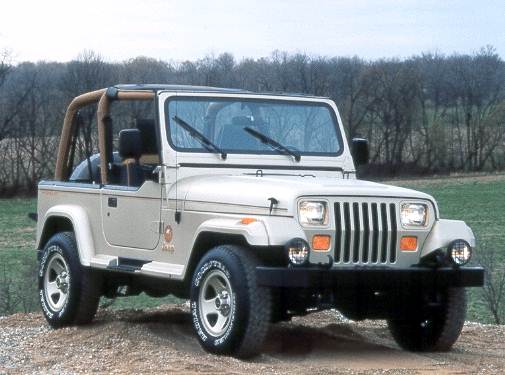
- Rare colors or trims: Unique paint or limited-edition trims are prized.
Wranglers with fewer owners and a clear service history are also worth more. Buyers will pay extra for Jeeps that have been well cared for, especially if all the paperwork is available.
Frequently Asked Questions