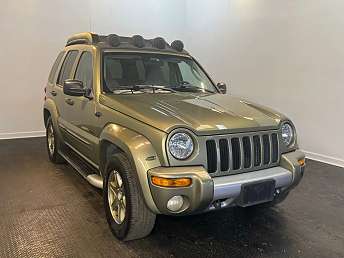
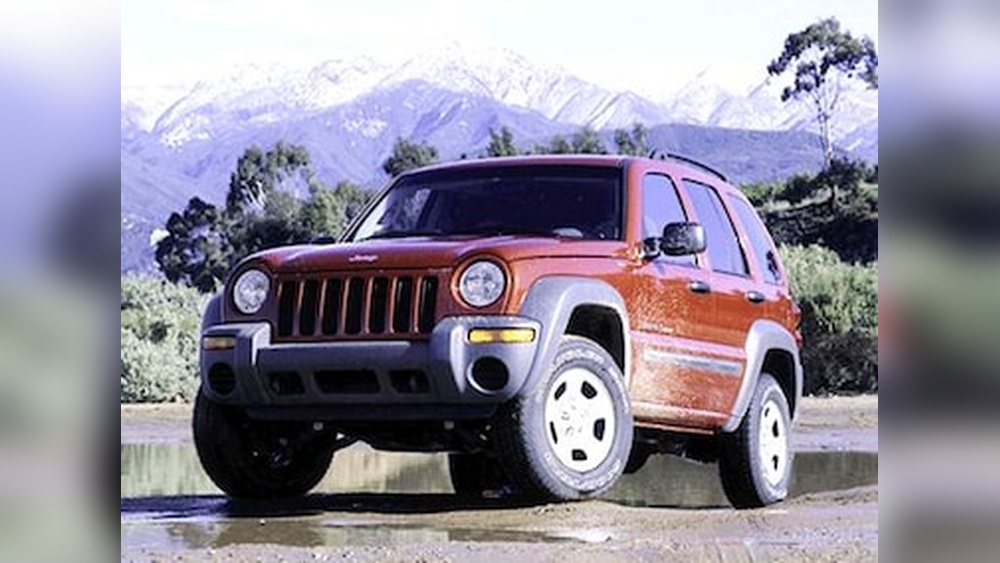
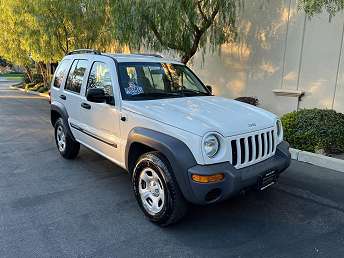
If you own a 2003 Jeep Liberty or are thinking about buying one, you might wonder how much this vehicle is worth today. Older SUVs like the Jeep Liberty can be a smart buy for people who want a reliable car without paying new-car prices. But the value depends on many things—condition, mileage, trim level, and where you live. Let’s break down what you should expect and what really matters when pricing a 2003 Jeep Liberty.
What Affects The Value Of A 2003 Jeep Liberty?
The price for a used Jeep Liberty from 2003 can vary a lot. Here are the main factors that decide its value:
- Condition: Cars in excellent condition—with no damage, clean interiors, and regular maintenance—are worth more. If the paint looks shiny, the seats are clean, and there are no big dents or scratches, the value will be higher. People often forget that even small things, like working air conditioning or new tires, can add to the price.
- Mileage: Lower mileage means less wear and tear. Most 2003 Jeep Liberties on the market have between 120,000 and 200,000 miles. If you find one with much lower mileage, it’s rare and can sell for more. Also, if a Jeep Liberty was driven mostly on highways, it often ages better than one used for short trips in the city.
- Trim Level: The Liberty came in several trims: Sport, Limited, and Renegade. Higher trims usually cost more. Sometimes, a Limited or Renegade trim with basic options may be priced similar to a Sport with many upgrades, so check features closely.
- Location: Prices can change based on where you live. For example, SUVs might sell for more in areas with tough weather. In snowy states, 4WD models are more popular and often sell faster. In warmer climates, prices may be lower because buyers need less from their vehicles.
- Optional Features: Extras like 4WD, leather seats, sunroof, and towing packages can add value. Having factory-installed options is more attractive to buyers than aftermarket upgrades. If the Jeep Liberty has a roof rack or trailer hitch, it may appeal to outdoor lovers or people who need to tow.
Average Prices For A 2003 Jeep Liberty
Let’s look at the typical price range you might see:
| Condition | Price Range (USD) |
|---|---|
| Excellent | $3,000 – $4,200 |
| Good | $2,100 – $3,000 |
| Fair | $1,300 – $2,000 |
| Poor | $700 – $1,300 |
Most buyers find Jeep Liberties in good or fair condition, so expect prices between $1,300 and $3,000. If you see a price much higher, the car probably has very low mileage or rare options. Sometimes, sellers ask for more if the vehicle has just one owner or complete service records, but this doesn’t always mean the car will sell at that price.
Trim Levels And Their Impact
The 2003 Jeep Liberty was offered in three main trims. Here’s how they compare:
| Trim | Typical Features | Market Value |
|---|---|---|
| Sport | Basic interior, cloth seats, 2WD or 4WD | $1,300 – $2,200 |
| Limited | Leather seats, upgraded audio, more options | $2,100 – $3,000 |
| Renegade | Off-road package, unique styling | $2,200 – $3,400 |
Renegade models often sell for a bit more because of their off-road features and styling. However, condition and mileage always matter more than trim. For example, a Renegade with worn-out seats and high miles will be less valuable than a Limited in great shape. Some buyers choose Renegade models for specific reasons, like needing skid plates or fog lights, but most people focus on overall reliability.
How Mileage Affects Price
Mileage is a big factor for any used car. Here’s how it affects the value of a 2003 Jeep Liberty:
| Mileage | Estimated Value |
|---|---|
| Under 100,000 miles | $3,000 – $4,200 |
| 100,000 – 150,000 miles | $2,100 – $3,000 |
| 150,000 – 200,000 miles | $1,300 – $2,000 |
| Over 200,000 miles | $700 – $1,300 |
A Jeep Liberty with low mileage and full service records can sell for a premium, sometimes even above $4,000. If the mileage is high but the car was driven mostly on highways and has a solid maintenance history, it can still be a good deal. Many buyers focus only on the odometer, but it’s wise to check how the miles were added—long trips are easier on the engine than city driving.
Common Mistakes When Pricing
Many sellers and buyers make mistakes that affect the final price. Here are two insights beginners miss:
- Ignoring Maintenance History: A Liberty with regular oil changes and repairs is worth more. Many buyers overlook this and focus only on mileage. Always ask for service records—cars with proof of work done (like replacing timing belt or water pump) are safer bets.
- Overvaluing Modifications: Custom wheels or sound systems rarely increase value. Buyers should focus on factory options like 4WD or safety features. Also, some modifications can lower value if they were not installed correctly or affect reliability.
Another common mistake is not considering upcoming repairs. If the car needs new tires or has warning lights on the dashboard, the cost to fix these should be factored into the price.
Tips For Buying Or Selling
If you want to get the best price, keep these tips in mind:
- Check the vehicle history report for accidents or title issues. Reports like Carfax can show if the car was in a flood or had a salvage title.
- Compare local listings for similar models and trims. Don’t rely on national averages—prices can change a lot from city to city.
- Consider the cost of repairs. Older Liberties can have engine or transmission problems. Ask the seller about any recent work or upcoming maintenance.
- Negotiate based on real data. If you find rust or worn brakes, ask for a lower price. Even small issues, like a broken window switch, can help you save money.
If you’re selling, clean the car well and fix small problems before listing. Buyers pay more for cars that look cared for.

Where To Find Accurate Prices
Use trusted sites like Kelley Blue Book or Edmunds to check current values. You can also search on Cars.com for real listings in your area. These sites let you filter by mileage, trim, and location so you see what similar Jeep Liberties are actually selling for. Looking at multiple sources helps you avoid overpaying or underselling.
Frequently Asked Questions
How Much Is A 2003 Jeep Liberty With Low Mileage Worth?
A Liberty with under 100,000 miles in excellent condition can sell for $3,000 to $4,200. If it also has rare options or is a Renegade trim, the value may go slightly higher. Be ready to pay more if the seller has proof of regular maintenance.
Does The Trim Level Make A Big Difference?
Yes. The Limited and Renegade trims are worth more than the basic Sport. But mileage and condition are usually more important than trim. It’s best to look at both factors together.
Is It Expensive To Repair A 2003 Jeep Liberty?
Some repairs, like the engine or transmission, can be costly. Always check the maintenance history before buying. Routine parts like brakes and filters are affordable. If you want to keep costs low, look for a Liberty with recent work done—like a new timing belt or fresh tires.
Should I Buy A 2003 Jeep Liberty With Over 200,000 Miles?
It depends. If the car was well maintained and has no major problems, it can be a good buy at a low price—usually $700 to $1,300. High-mileage Liberties may need more repairs. Always budget extra money for repairs in case something breaks soon after buying.
Where Can I Find The Best Price For A 2003 Jeep Liberty?
Look at trusted online marketplaces and compare listings. Sites like Cars.com and Kelley Blue Book help you see real prices and give buying advice. Don’t rush—take time to compare several options before making a decision.
The 2003 Jeep Liberty remains a popular choice for buyers who want a budget-friendly, reliable SUV. Knowing what affects its value and how to spot a good deal can help you make a smart decision.
Always use real data, check the car’s history, and compare prices carefully before buying or selling.
With careful research and attention to details, you can find a Jeep Liberty that fits your needs and budget.