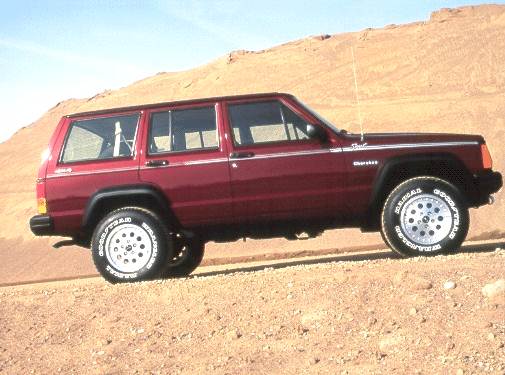
The 1993 Jeep Cherokee is a classic SUV that many car enthusiasts and collectors remember fondly. With its boxy design, strong off-road ability, and reliable engine, it still has a loyal following today. If you’re wondering how much a 1993 Jeep Cherokee is worth, you’re not alone. Prices can vary widely, and knowing what affects value can help you make a smart decision—whether you want to buy, sell, or keep one.
What Makes The 1993 Jeep Cherokee Special?
The 1993 Jeep Cherokee (XJ) stands out for a few reasons. First, its straight-six engine is known for durability and power. Second, the simple, rugged design makes it easy to repair and modify. Finally, this model year marks the end of the pre-facelift look, which many fans consider the “true” Cherokee style.
But nostalgia isn’t the only factor. The Cherokee’s reputation for reliability and versatility means that some well-maintained examples still serve as daily drivers, while others are weekend off-roaders.
Understanding these points helps explain why prices can be so different.
Factors That Affect Value
Several key factors determine how much a 1993 Jeep Cherokee is worth:
- Condition – The most important factor. A rust-free, low-mileage Cherokee will be worth much more than one that’s been neglected.
- Mileage – Lower miles generally mean a higher price, but condition can matter more than numbers on the odometer.
- Trim Level – 1993 Cherokees came in several trims, such as Base, Sport, Country, and Limited. Higher trims and rare options can increase value.
- 4WD vs. 2WD – Four-wheel-drive models are more desirable, especially for off-roaders.
- Location – Prices are higher in regions where Cherokees are popular or where rust is less common.
- Modifications – Some upgrades (like quality lifts or off-road gear) can add value, but poor or cheap modifications often lower it.
- Service Records – A well-documented service history can boost price and buyer confidence.
Typical Price Ranges
Prices for a 1993 Jeep Cherokee can range from a few hundred dollars to over $10,000, depending on condition and other factors. Here’s a breakdown to give you a clearer picture:
| Condition | Price Range (USD) | Notes |
|---|---|---|
| Poor | $500–$1,500 | Major rust or mechanical issues, not running, parts car |
| Fair | $1,500–$3,000 | High mileage, some rust, needs repairs, runs/drives |
| Good | $3,000–$6,000 | Well-maintained, minor wear, mostly original |
| Excellent | $6,000–$10,000+ | Low miles, rust-free, original, documented history |
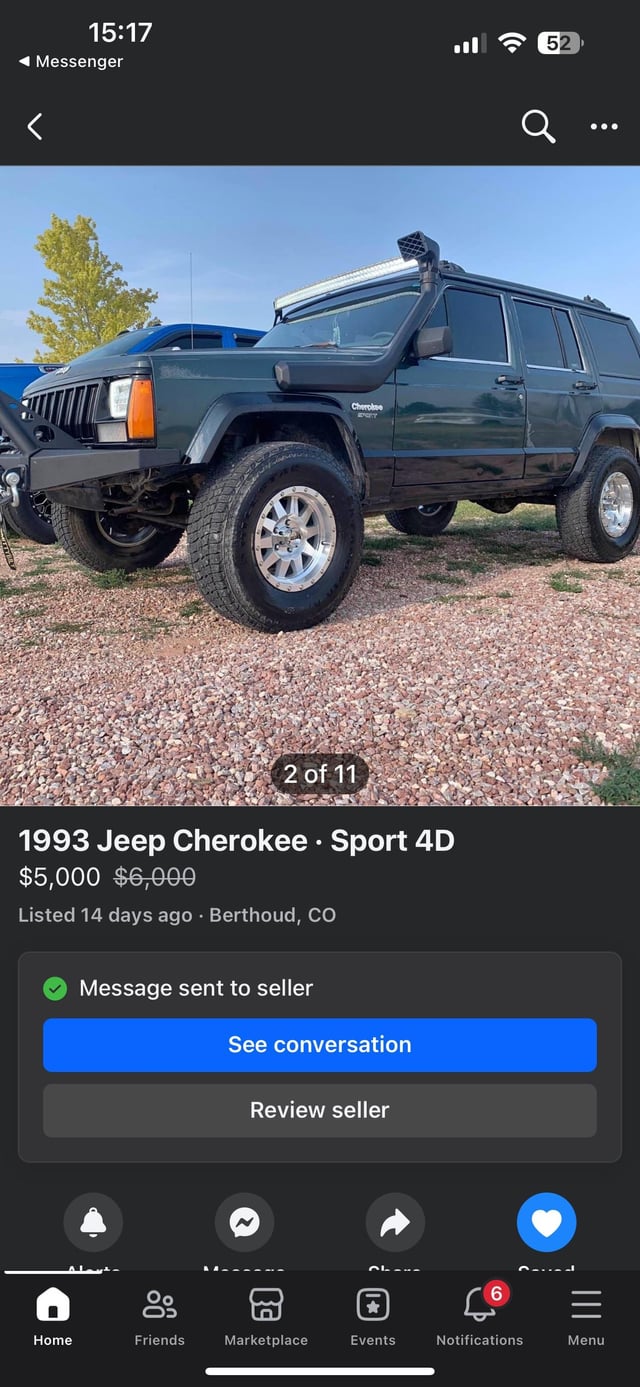
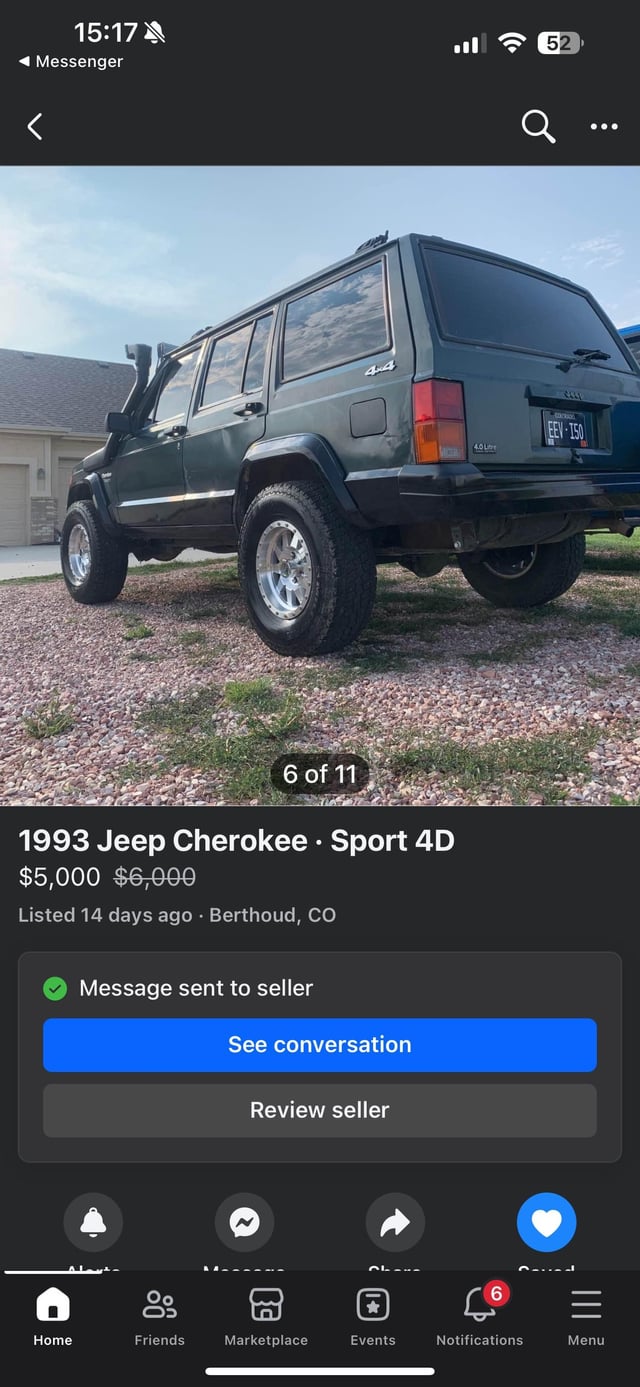
Example: A 1993 Jeep Cherokee Sport with 120,000 miles, no rust, and a clean interior might sell for about $5,000–$7,000. But a rusty, non-running base model could go for $1,000 or less.
Comparing Trim Levels And Features
Not all Cherokees are the same. Some trims and engines are more valuable. Here’s how they compare:
| Trim | Engine | 4WD? | Approx. Value (Good Condition) |
|---|---|---|---|
| Base | 2.5L I4 | Optional | $3,000–$4,500 |
| Sport | 4.0L I6 | Standard | $4,500–$6,000 |
| Country | 4.0L I6 | Standard | $5,000–$7,000 |
| Limited | 4.0L I6 | Standard | $6,000–$8,000 |
Non-obvious insight: The 4.0L engine models are much more sought after. Some buyers will pay a premium for a well-cared-for 4.0L, even if the mileage is higher, because these engines are known to reach over 200,000 miles if maintained.
Where To Find Real-world Values
Finding out what a 1993 Jeep Cherokee is actually selling for today requires looking at several sources:
- Online classifieds like Craigslist, Facebook Marketplace, and eBay Motors show what people are asking and paying.
- Classic car sites and auction results (Bring a Trailer, Hemmings) often have records of past sales.
- Kelley Blue Book and NADA Guides give ballpark values, but these can lag behind real market trends.
It’s smart to compare recent sales in your area. Some regions, like the Southwest, have higher prices due to rust-free bodies.
In the Northeast, rust is common, so prices are lower.
| Region | Average Value (Good Condition) | Notes |
|---|---|---|
| Southwest US | $5,000–$7,000 | Low rust, high demand |
| Midwest/Northeast US | $3,000–$5,000 | Rust issues common |
| Pacific Northwest | $4,000–$6,000 | Moderate demand, some rust |
Tips For Buyers And Sellers
If you’re buying, look for:
- Rust – Check under the doors, rocker panels, and floorboards. Rust repair is expensive.
- Transmission and engine – Make sure the 4.0L engine runs smoothly, without odd noises or leaks.
- Title and history – Clean titles are a must. Avoid salvage or flood-damaged vehicles.
- Documentation – Service records add real value.
If you’re selling:
- Clean the vehicle thoroughly, inside and out.
- Fix small issues (lights, fluids, trim) before listing.
- Take clear, well-lit photos from all angles.
- Be honest about condition and history.
Non-obvious tip: Cherokees with factory towing packages, power windows, or rare colors can be worth more—mention these in your ad.
Frequently Asked Questions
How Many Miles Is Too Many For A 1993 Jeep Cherokee?
The 4.0L engine is famous for lasting over 200,000 miles with good care. Over 250,000 miles is high, but not uncommon if maintenance was regular.
Is The 1993 Jeep Cherokee A Good Investment?
It can be, especially if you buy a rust-free, well-maintained example. Values for clean Cherokees have been rising, but they are not classic collectibles yet.
Use it and enjoy it it’s not just about money.
What Is The Rarest 1993 Cherokee Model?
The Limited trim with factory options like leather seats, sunroof, and towing package is the rarest and most valuable. Two-door models are also less common.
How Can I Increase My Cherokee’s Value Before Selling?
Fix mechanical issues, address rust, and detail the vehicle. Keep all receipts for repairs.
Avoid cheap cosmetic upgrades; buyers prefer original or tasteful improvements.
Where Can I Find More Information About Classic Jeep Cherokees?
For more history, specs, and market trends, visit the Jeep Cherokee (XJ) Wikipedia page for a deep dive into this classic SUV.
The 1993 Jeep Cherokee remains a practical, enjoyable vehicle with a strong community behind it. Whether you’re buying, selling, or just curious, knowing what affects value will help you make the right move.