The Jeep Renegade has won many fans with its unique style and compact size. But if you’re thinking about owning one, you probably want to know how much gas does a Jeep Renegade hold?
Fuel tank size can affect how far you go between fill-ups, how much you spend at the gas station, and how the SUV fits your lifestyle.
This article will break down everything you need to know, from exact tank capacities to real-world driving tips, so you can make smart decisions before you hit the road.
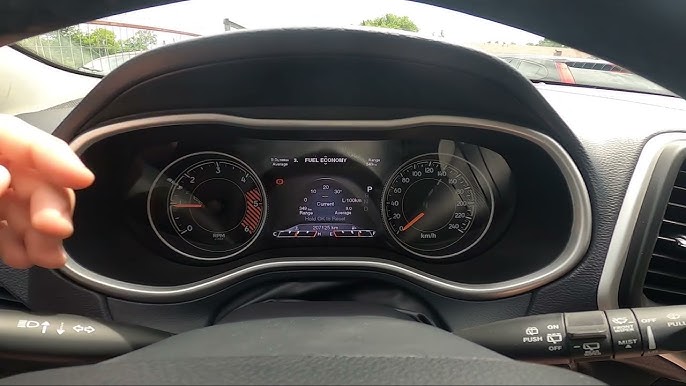
Jeep Renegade Gas Tank Capacity
Not every Jeep Renegade is exactly the same. Over the years, Jeep has made small changes to the gas tank size depending on the model year and trim. Most Renegades you’ll see on the road today have a fuel tank that can hold about 12.7 gallons (48 liters).
But, there are a few exceptions:
| Model Year | Tank Size (Gallons) | Notes |
|---|---|---|
| 2015-2018 | 12.7 | Standard for all trims |
| 2019-present | 12.7 | Standard, some Trailhawk versions may list 12.0 gallons in Europe |
| Special Editions | Varies | Check owner’s manual |
Key insight: The Jeep Renegade’s tank is smaller than many other compact SUVs, so you’ll need to fill up a bit more often on long trips.
How Far Can A Jeep Renegade Go On A Full Tank?
Your range isn’t just about the size of the tank—it also depends on fuel economy. The Renegade usually gets between 24 and 32 miles per gallon (mpg), depending on the engine, drivetrain (2WD or 4WD), and how you drive.
Here’s a quick look at what you can expect:
| Engine Type | MPG (City/Highway) | Estimated Range (Miles) |
|---|---|---|
| 1.3L Turbo (2WD) | 24 / 32 | Up to 380 |
| 2.4L Tigershark (4WD) | 21 / 29 | Up to 340 |
| 1.4L MultiAir (Older Models) | 24 / 31 | Up to 370 |
Practical tip: If you do a lot of city driving, your range will be lower. Factors like heavy traffic, cold weather, or off-road use can also reduce how far you go on a tank.
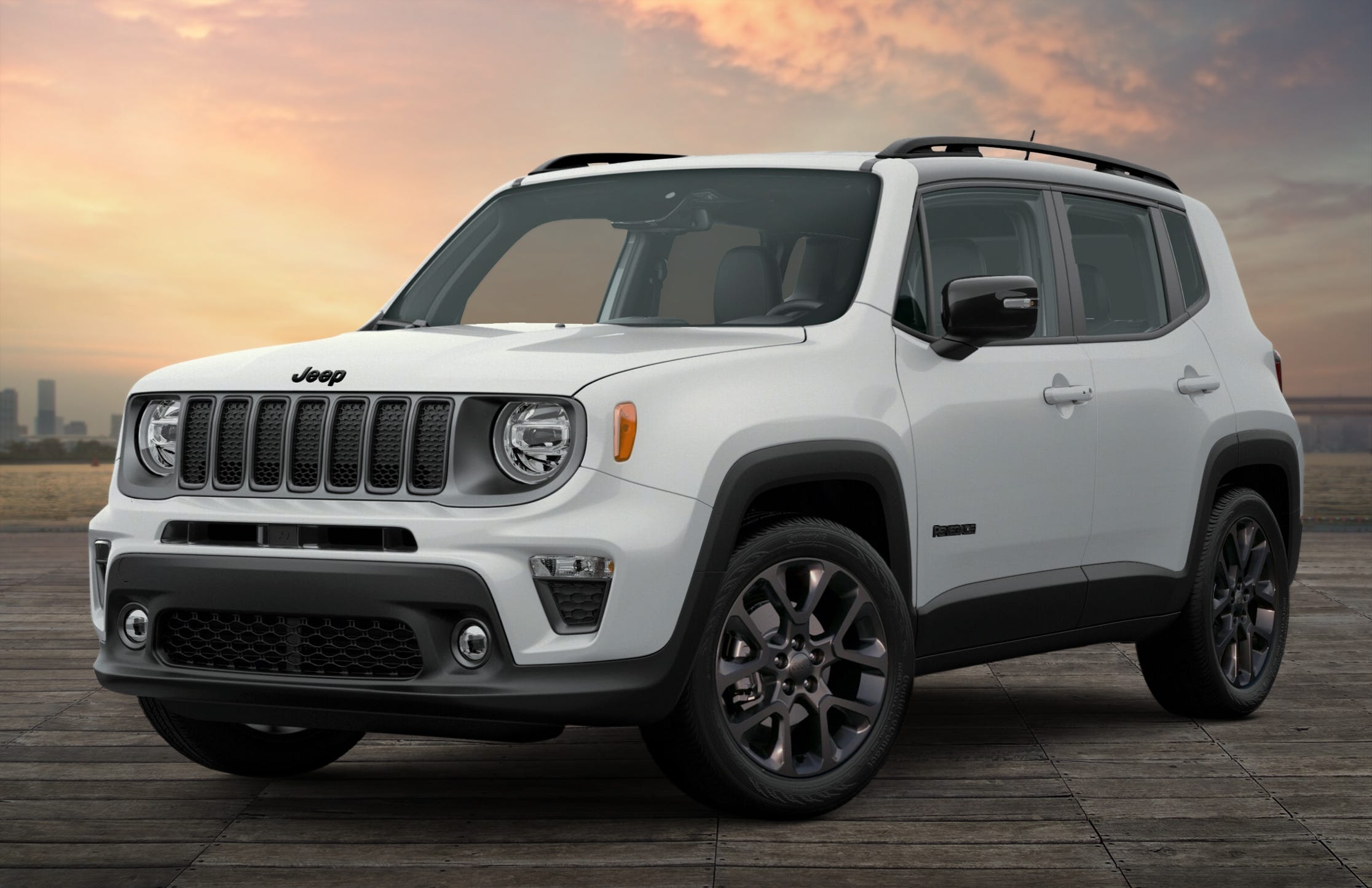
Factors Affecting Gas Mileage And Range
While the numbers above give a good estimate, real-world range can change a lot based on how and where you drive.
- Driving Style: Fast acceleration and heavy braking use more gas. Smooth, steady driving helps you get closer to the official mpg numbers.
- Cargo Weight: Carrying heavy loads or many passengers means your engine works harder, using more fuel.
- Tire Pressure: Low tire pressure increases rolling resistance and hurts fuel economy. Check your tires regularly.
- Weather: Very hot or cold temperatures, or using the AC or heat, can cut your mpg by several miles.
- Terrain: Hilly or off-road driving will lower your average mpg.
Overlooked detail: Many people forget that using roof racks or carrying bikes on top creates wind resistance, which can drop your mpg by 5-10% on the highway.
Comparing The Renegade’s Tank To Other Suvs
If you’re wondering whether the Renegade’s tank size is competitive, here’s how it stacks up against a few popular rivals:
| Model | Fuel Tank Size (Gallons) | Estimated Range (Miles) |
|---|---|---|
| Jeep Renegade | 12.7 | Up to 380 |
| Honda HR-V | 13.2 | Up to 430 |
| Chevrolet Trax | 14.0 | Up to 410 |
| Ford EcoSport | 13.6 | Up to 395 |
Observation: The Renegade’s tank is slightly smaller than some competitors. But for most city drivers, the difference is not huge. For long road trips, you may need an extra stop compared to rivals.
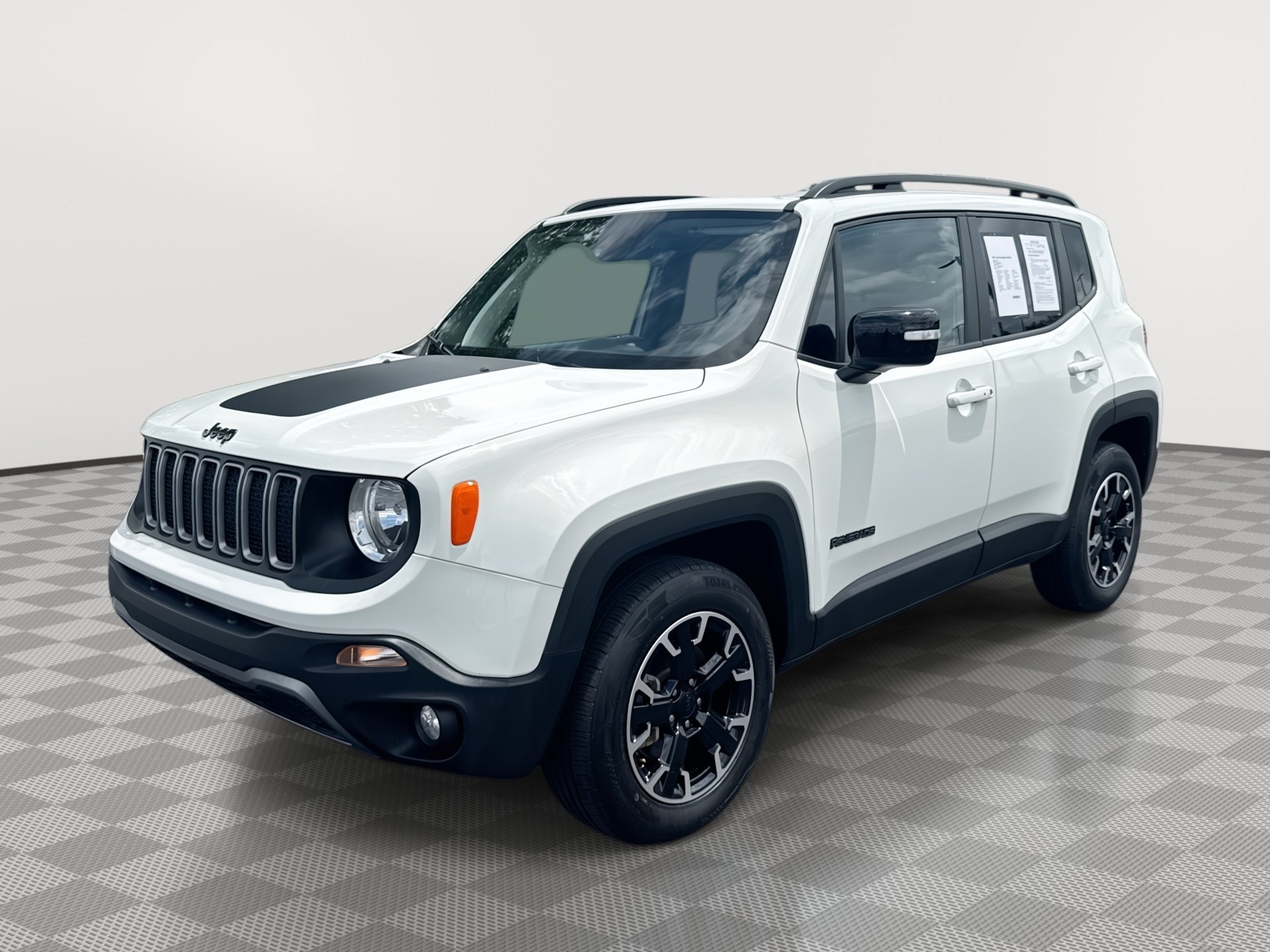
Tips For Maximizing Fuel Range
You can’t change your Renegade’s tank size, but you can make the most of each fill-up:
- Drive smoothly. Avoid hard starts and stops.
- Remove roof racks or carriers when not in use.
- Keep tires properly inflated for best efficiency.
- Limit idling. Modern engines don’t need to warm up for long.
- Plan your trips to combine errands and reduce short drives.
Expert tip: Using cruise control on the highway can boost your mpg by a few points, helping you stretch each tank further.
Common Mistakes When Refueling
Even experienced drivers make small errors that can affect their Renegade’s performance:
- Topping off the tank after the pump clicks can damage the vapor system. Stop fueling once it clicks off.
- Using the wrong fuel (like E85 in a non-flex-fuel model) can cause engine problems.
- Ignoring the low fuel light can lead to running out of gas and damage the fuel pump.
Helpful reminder: The Jeep Renegade is designed for regular unleaded gasoline (87 octane). Premium fuel won’t improve performance and is a waste of money.
Frequently Asked Questions
How Many Gallons Does A 2022 Jeep Renegade Hold?
The 2022 Jeep Renegade has a 12.7-gallon gas tank. This is standard across all trims for this model year.
Can You Drive A Jeep Renegade After The Low Fuel Light Comes On?
Yes, but you should refuel soon. The low fuel light usually means there are about 2 gallons left, which is 30 50 miles, depending on driving conditions.
Does The Jeep Renegade’s Tank Size Change With 4wd Models?
No, most 4WD and 2WD Jeep Renegades have the same 12.7-gallon tank in the US. Always check your owner’s manual if you have a special edition.
How Do I Find Out My Exact Gas Tank Size?
Check the owner’s manual or the sticker inside your fuel door. You can also look it up on the official Jeep website for your exact model year.
Is The Renegade’s Gas Tank Big Enough For Road Trips?
For most people, yes. You’ll get around 300 380 miles per tank, which is enough for regular highway travel.
Plan for a few more stops compared to larger SUVs.
No matter where you drive, understanding how much gas your Jeep Renegade holds helps you plan smarter trips and avoid surprises. With a little care, you’ll enjoy every mile behind the wheel.


















